
How to turn protest into powerful change – Eric Liu
The lesson emphasizes that while protests are vital for raising awareness and highlighting important issues, they must be complemented by strategic actions to achieve lasting change. Key strategies include expanding the realm of possibilities, defining clear political battles, and securing early victories to build momentum. Continued engagement in civic processes is essential for transforming the energy of protests into sustainable political power and meaningful reform.
Should we be looking for life elsewhere in the universe? – Aomawa Shields
The lesson explores the ongoing search for extraterrestrial life, highlighting recent discoveries of potentially habitable planets and the implications of contacting such civilizations. It discusses NASA’s Voyager missions, which included a time capsule intended for any intelligent life that might encounter it, while also addressing concerns about the risks of revealing our location to advanced extraterrestrial beings. Ultimately, the lesson emphasizes the importance of balancing curiosity and caution as humanity continues to explore the universe.
Why do we hiccup? – John Cameron
The lesson explores the phenomenon of hiccups, detailing their causes, famous records, and the science behind them. Hiccups occur due to involuntary spasms of the diaphragm, often triggered by eating too quickly or emotional stress, but their exact purpose remains unclear, with some theories suggesting they are evolutionary remnants. Various home remedies exist to alleviate hiccups, but no single method is universally effective.
Real life sunken cities – Peter Campbell
The lesson explores the fascinating history of real-life sunken cities, such as Alexandria, Port Royal, and Pavlopetri, highlighting how natural disasters and gradual geological changes have submerged these once-thriving communities. Through the study of these underwater cities, scientists gain insights into past human life and the impact of environmental changes, emphasizing the need for modern societies to adapt to rising sea levels due to global warming. The lesson encourages reflection on how future civilizations may uncover and learn from the remnants of our current coastal cities.
How coffee got quicker | Moments of Vision 2 – Jessica Oreck
The lesson “How Coffee Got Quicker” explores the transformation of coffee consumption from a labor-intensive process to a convenient experience, beginning with William H. Bovee’s establishment of California’s first coffee mill in 1849. Bovee’s innovative idea of grinding and packaging roasted coffee beans paved the way for James Folger to expand the business, leading to a nationwide coffee revolution that made quick and easy coffee a staple in American households. The lesson highlights the significant impact of these pioneers on modern coffee culture and the importance of caffeine as a daily stimulant for many.
How a single-celled organism almost wiped out life on Earth – Anusuya Willis
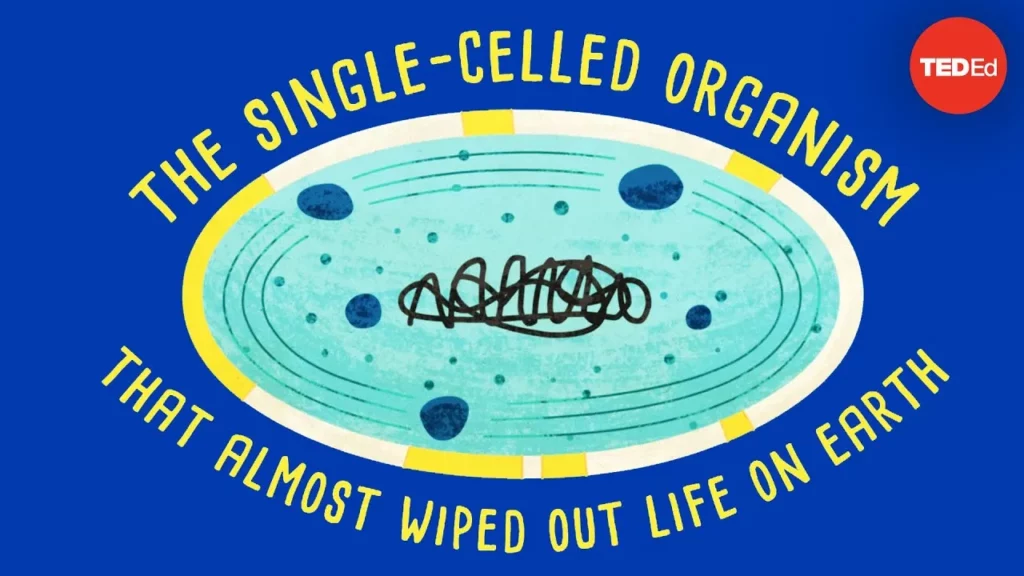
The lesson explores the significant impact of cyanobacteria, a single-celled organism that played a crucial role in Earth’s history by causing the first mass extinction through the release of oxygen during photosynthesis. This event, known as the Great Oxygenation Event, not only led to the extinction of many anaerobic life forms but also set the stage for the evolution of aerobic organisms and complex life. Ultimately, cyanobacteria’s legacy continues today, as they contribute to oxygen production and the fertilization of plants, highlighting their importance in the development of life on Earth.
How to visualize one part per million – Kim Preshoff
The lesson explains the concept of “parts per million” (ppm), a measurement used in science to quantify the concentration of one substance in a million parts of another. Through relatable examples, such as comparing it to piano keys, sugar granules, and even the number of words in a book, the lesson illustrates how even a tiny amount, like 35 ppm of carbon monoxide, can have significant implications for health and safety. Understanding ppm helps us grasp the importance of small quantities in various scientific contexts.
What is the biggest single-celled organism? – Murry Gans
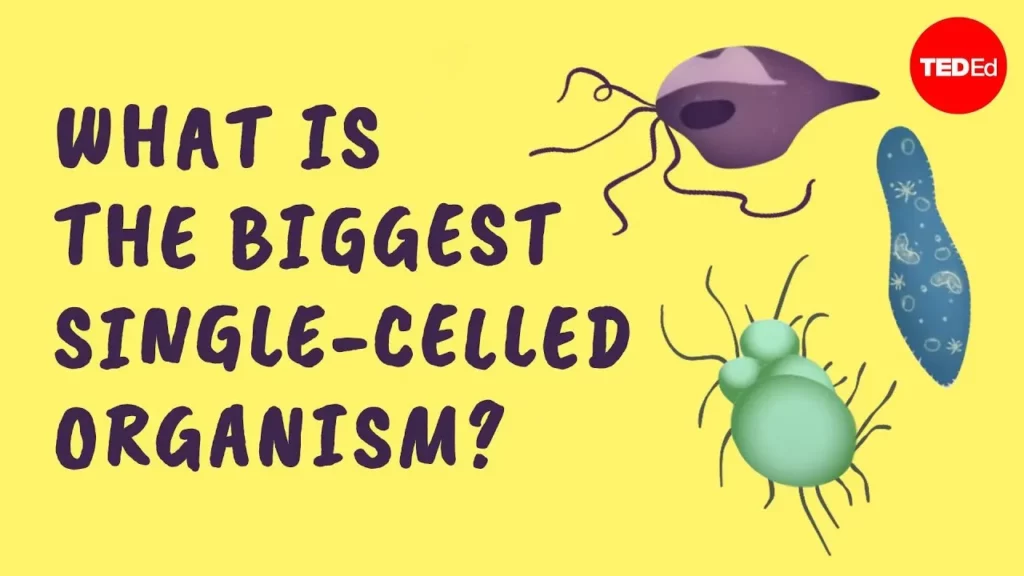
This lesson explores the reasons why single-celled organisms cannot grow as large as multicellular animals like elephants or whales. It explains that as cells increase in size, their surface area-to-volume ratio decreases, making it difficult for them to efficiently exchange materials, which is crucial for their survival. The lesson highlights the largest known single-celled organism, *Caulerpa taxifolia*, and emphasizes the advantages of having many small cells in larger organisms, showcasing the complexity and diversity of life at the cellular level.
Are spotty fruits and vegetables safe to eat? – Elizabeth Brauer
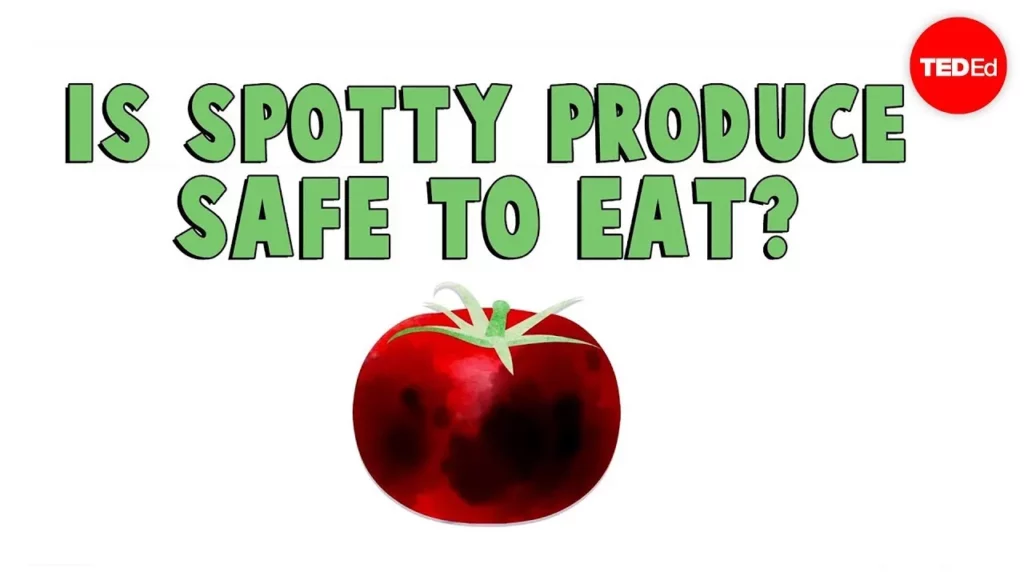
The lesson discusses the issue of cosmetic problems in fruits and vegetables, highlighting that a significant amount of produce is discarded due to superficial blemishes, which often result from harmless microbial interactions. While some spots may indicate microbial activity, they typically do not pose a health risk to humans, and many imperfect fruits and vegetables are still safe and delicious to eat. The lesson encourages consumers to embrace these “imperfect” produce options, emphasizing the importance of washing and proper storage to ensure food safety.
How do animals see in the dark? – Anna Stöckl
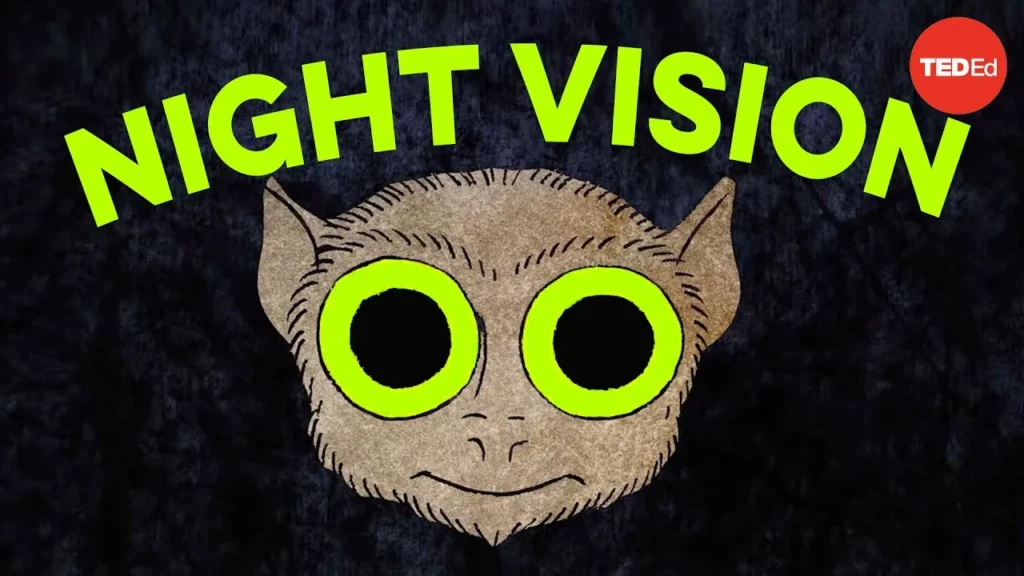
The lesson explores how nocturnal animals, such as tarsiers and cats, have evolved unique adaptations that enable them to see effectively in low-light conditions. These adaptations include larger eyes for increased light capture, the tapetum lucidum for enhanced light reflection, and specialized photoreceptors that allow for slow, detailed vision or color perception in darkness. Overall, it highlights the remarkable ways these animals experience the night, revealing a vibrant world that remains hidden from human eyes.