
The paradox of value – Akshita Agarwal
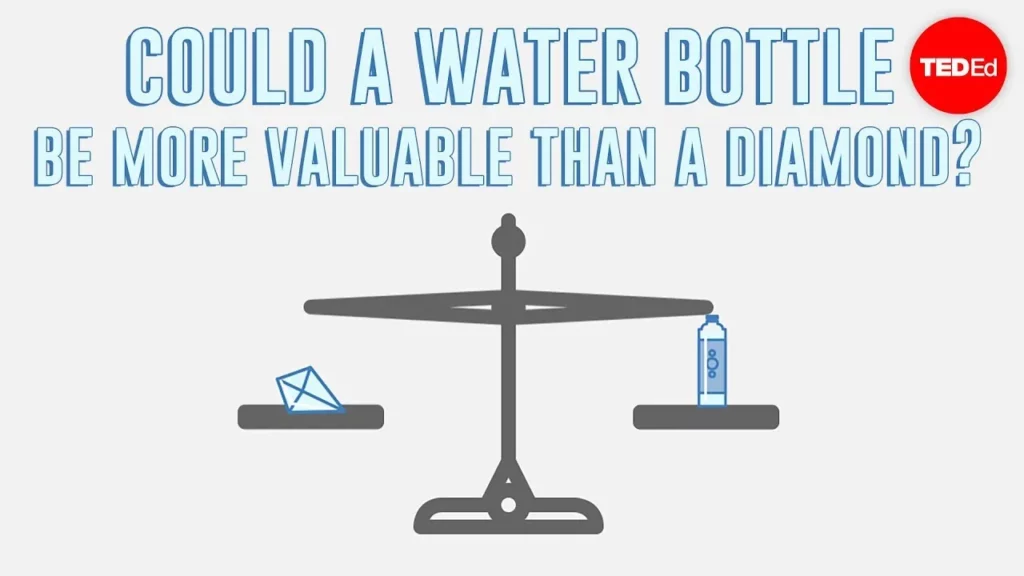
The lesson on the paradox of value illustrates how the perceived worth of items can change dramatically based on context and individual needs. Using the example of choosing between a diamond and a bottle of water, it emphasizes the distinction between exchange value and use value, highlighting the importance of utility and marginal utility in decision-making. Ultimately, the lesson underscores that value is subjective and influenced by personal circumstances, needs, and the choices we make.
How the Königsberg bridge problem changed mathematics – Dan Van der Vieren
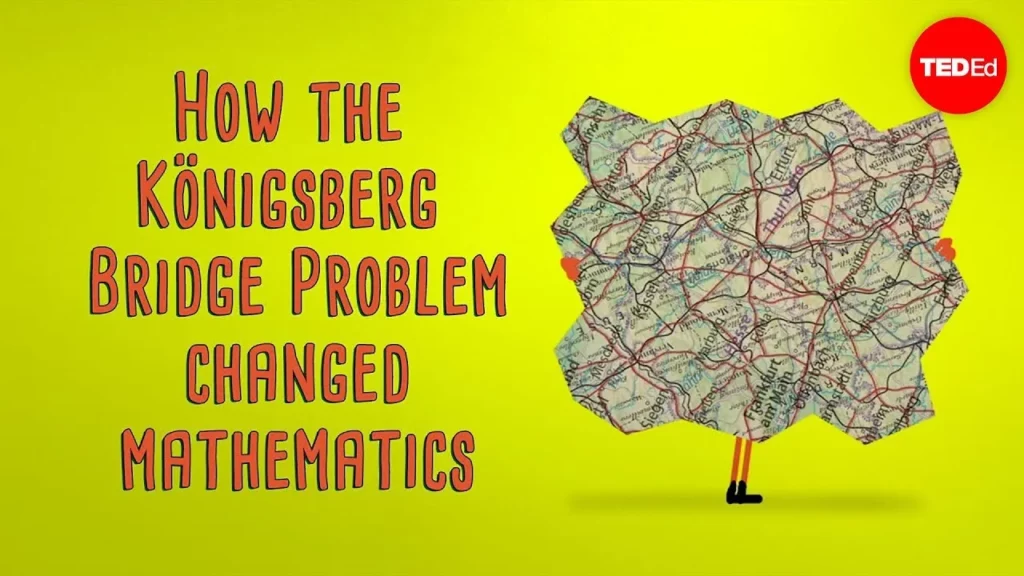
The Königsberg Bridge Problem, posed by Carl Gottlieb Ehler and solved by Leonhard Euler, sparked the development of graph theory, a new branch of mathematics. Euler’s analysis revealed that it was impossible to cross all seven bridges without retracing steps, leading to the formulation of the concepts of Eulerian paths and circuits based on the degrees of nodes in a graph. This seemingly simple puzzle not only transformed mathematical thinking but also left a lasting legacy, even as the original bridges were destroyed during World War II.
One of the most difficult words to translate… – Krystian Aparta
The lesson emphasizes the complexities involved in translating the word “you,” which varies significantly based on context, formality, gender, and number across different languages. It highlights how cultural nuances influence the choice of pronouns, as seen in languages like French, Spanish, and German, and discusses the historical evolution of “you” in English. Ultimately, the lesson underscores the challenges translators face in accurately conveying meaning while respecting these linguistic intricacies.
Is graffiti art? Or vandalism? – Kelly Wall
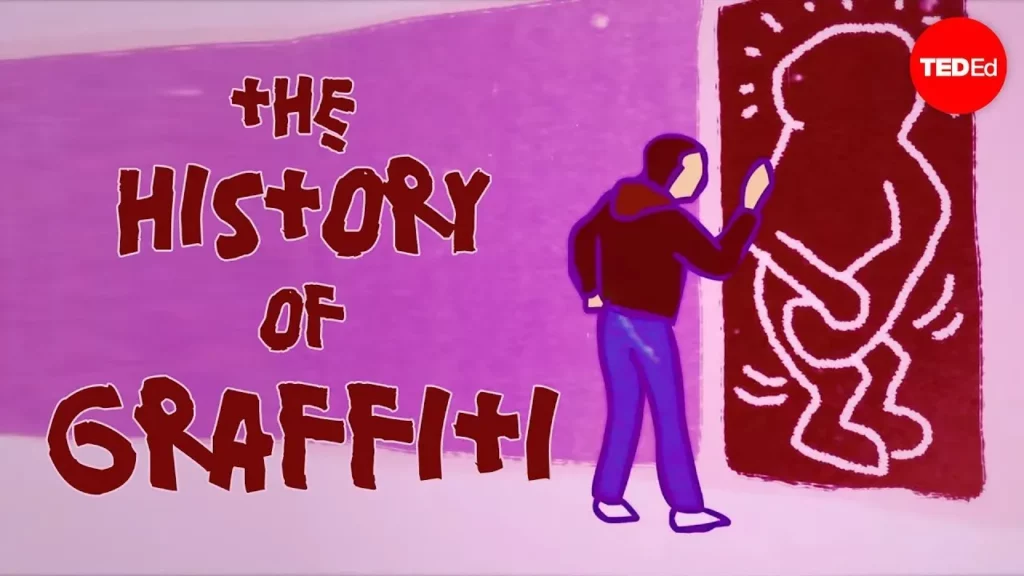
The lesson explores the complex nature of graffiti, examining its dual identity as both art and vandalism. It traces the historical roots of graffiti, highlighting its evolution from ancient inscriptions to a modern form of expression intertwined with counterculture movements. The ongoing debate surrounding graffiti challenges societal perceptions of ownership and artistic value, questioning whether it beautifies or defaces public spaces.
How the Band-Aid was invented | Moments of Vision 3 – Jessica Oreck
The lesson details the invention of the Band-Aid by Earle Dickson in the 1920s, who created a small adhesive bandage to help his wife with minor injuries that were too small for the large dressings produced by Johnson & Johnson. His innovative solution led to the mass production of Band-Aids, which became popular through clever marketing strategies, including distribution to Boy Scout troops. Today, Band-Aids are a staple in households worldwide, with over 100 billion produced and a variety of designs available.
What is a vector? – David Huynh
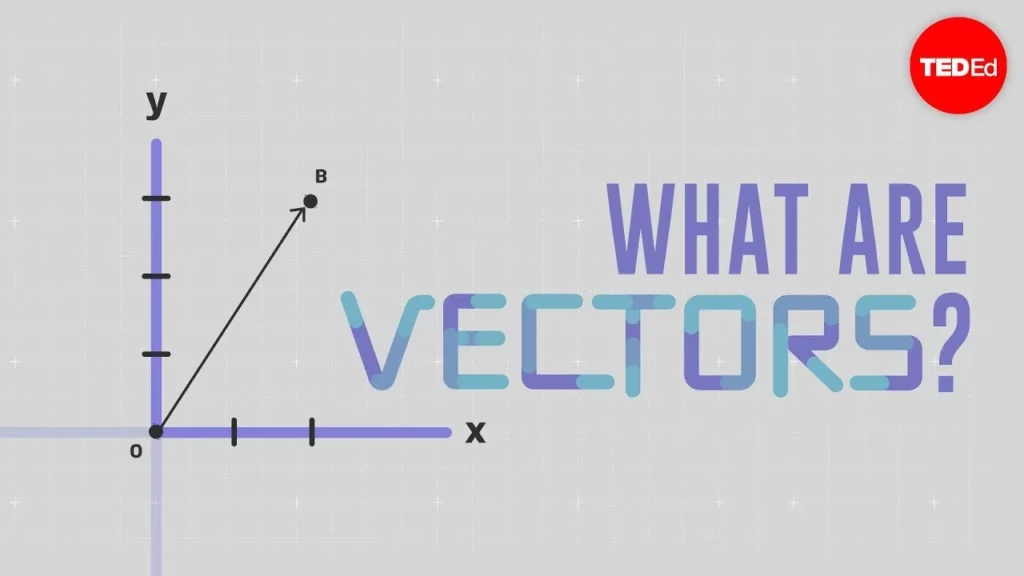
The lesson on “Understanding Vectors” explores the fundamental differences between scalars and vectors, emphasizing that while scalars only have magnitude, vectors possess both magnitude and direction, making them crucial for various applications in physics, engineering, and design. It highlights the concept of coordinate invariance, illustrating how vectors remain consistent regardless of perspective, and introduces tensors as a more complex mathematical tool that extends the utility of vectors in modeling intricate systems. Ultimately, the lesson underscores the importance of vectors and tensors in comprehending and navigating the complexities of the world.
Aphasia: The disorder that makes you lose your words – Susan Wortman-Jutt
This lesson provides an overview of aphasia, a language disorder that affects communication due to disruptions in the brain’s language network, often resulting from strokes or injuries. It explains the two main types of aphasia—fluent and non-fluent—and highlights the challenges individuals face in expressing themselves and understanding language. The lesson also discusses the prevalence of aphasia, potential treatments such as speech therapy, and the importance of patience and support from others to help those affected reconnect with language.
How do contraceptives work? – NWHunter

This lesson explains how contraceptives work to prevent pregnancy through three main mechanisms: blocking sperm, disabling sperm, and suppressing ovulation. Barrier methods, such as condoms and diaphragms, physically block sperm, while spermicides chemically immobilize them. Hormonal contraceptives prevent ovulation and thicken cervical mucus, and some methods combine these approaches for enhanced effectiveness, with considerations for effectiveness rates and potential side effects influencing personal choices.
How to use rhetoric to get what you want – Camille A. Langston
The lesson on using rhetoric to achieve your goals highlights the art of persuasion as explored by Aristotle, who identified three main types of rhetoric: forensic, epideictic, and deliberative. Deliberative rhetoric, which focuses on future actions and outcomes, is particularly influential in driving change, as seen in the speeches of figures like Ronald Reagan and Martin Luther King Jr. Additionally, Aristotle’s three persuasive appeals—ethos (credibility), logos (logic), and pathos (emotion)—remain essential tools for effective communication, emphasizing the importance of understanding your audience and context when employing these strategies.
The history of the Cuban Missile Crisis – Matthew A. Jordan
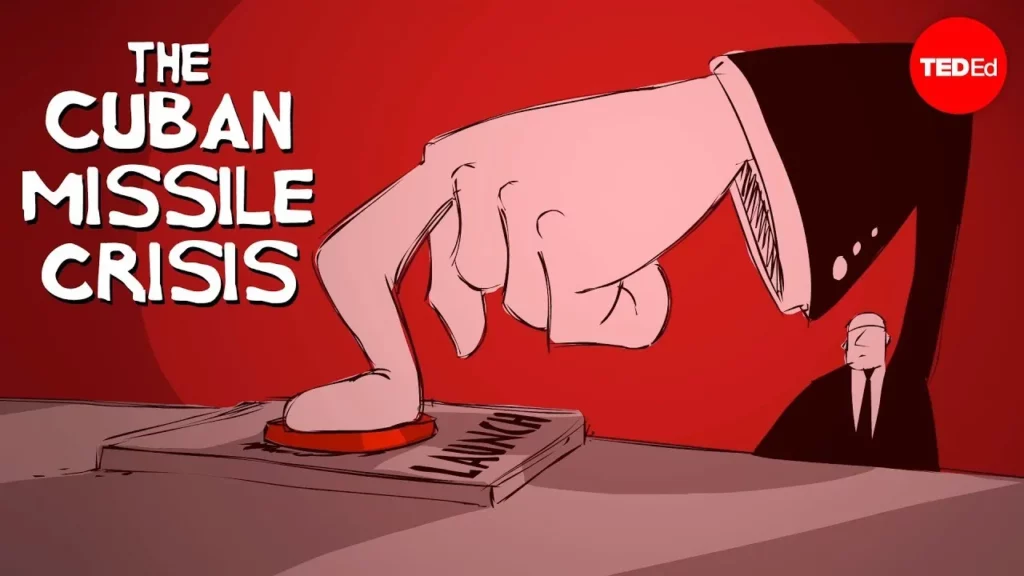
The Cuban Missile Crisis marked a pivotal moment during the Cold War, bringing the world to the brink of nuclear war due to the U.S. and Soviet Union’s escalating tensions over missile deployments in Cuba. President Kennedy’s decision to implement a naval blockade instead of military action, coupled with behind-the-scenes negotiations, ultimately led to a peaceful resolution, showcasing the critical role of diplomacy and individual courage in averting disaster. This crisis underscored the fragility of international relations in the face of nuclear threats and the necessity for effective communication between adversaries.