
The history of African-American social dance – Camille A. Brown
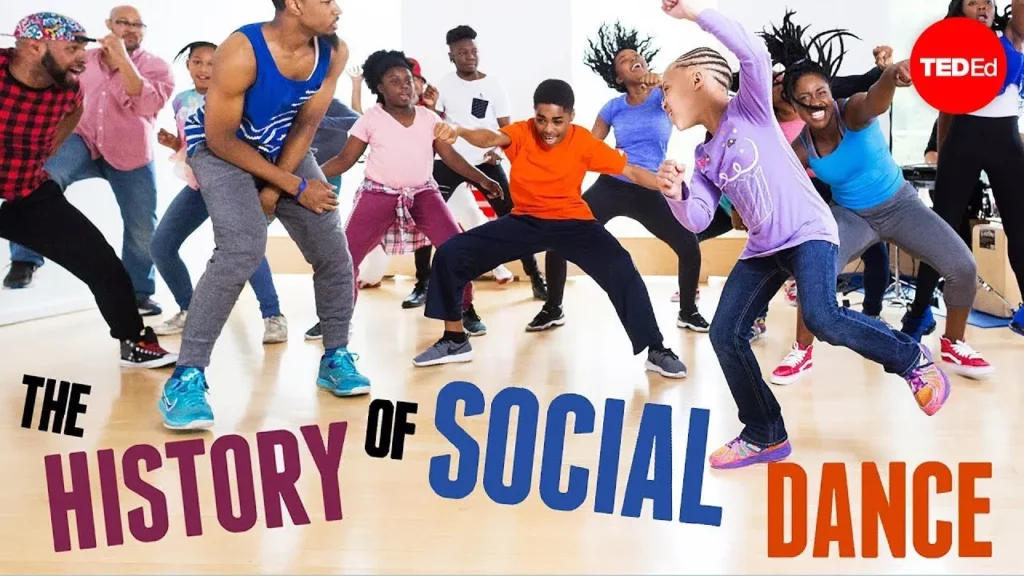
The lesson on the history of African-American social dance highlights its evolution over more than 200 years, showcasing how these dances serve as a form of expression and community connection. Beginning with the Juba dance among enslaved Africans, the lesson traces the development of various dances like the Cakewalk, Charleston, and Twist, illustrating their cultural significance and global impact. Ultimately, it emphasizes that dance is a powerful means of communication, healing, and cultural preservation.
Could human civilization spread across the whole galaxy? – Roey Tzezana
The lesson explores the intriguing possibility of human civilization spreading across the Milky Way galaxy, highlighting the vast distances and challenges of survival in space. It introduces the concept of von Neumann machines, self-replicating machines that could facilitate this expansion, and discusses the technological advancements needed to create them. The lesson also raises questions about the absence of such machines, suggesting that intelligent alien civilizations may either avoid creating them or may not exist at all, leaving us to ponder the mysteries of the universe.
Can you solve the prisoner boxes riddle? – Yossi Elran
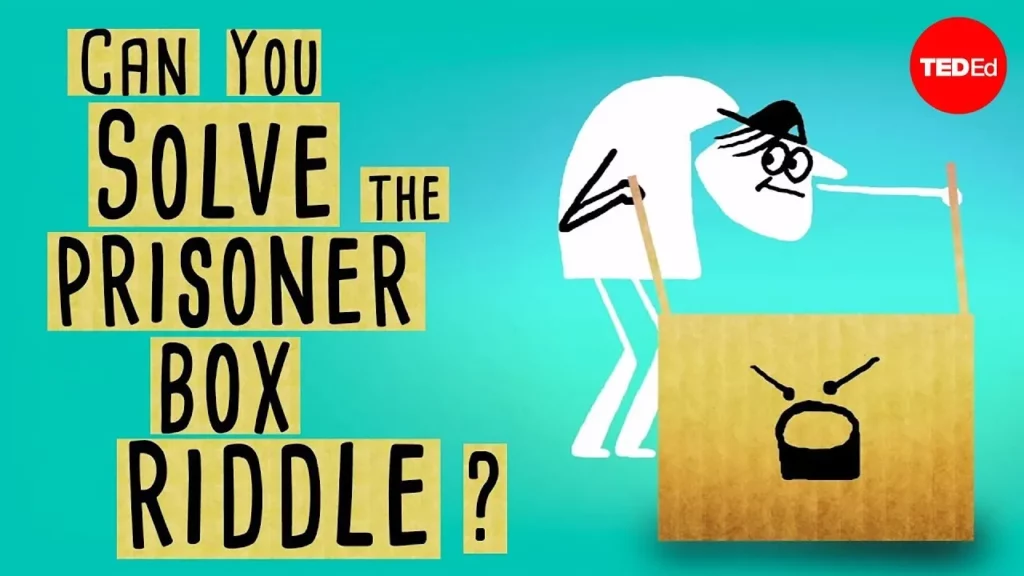
In the “Prisoner Boxes Riddle,” a band must find their instruments hidden in ten boxes, with each member allowed to check only five boxes. Initially facing a low chance of success, they adopt a clever strategy proposed by the drummer: each musician starts by opening the box corresponding to their instrument and continues to follow a linked sequence based on what they find. This method significantly increases their odds of success to about 35%, demonstrating the power of strategic thinking over random guessing.
Could we survive prolonged space travel? – Lisa Nip

The lesson explores the challenges of prolonged space travel, particularly the effects of microgravity and radiation on the human body. It discusses the potential for human adaptation through historical examples and highlights advancements in gene therapy and microbial engineering as possible solutions to mitigate these challenges. Ethical considerations surrounding genetic modifications are also addressed, emphasizing the need for careful deliberation as we prepare for future space exploration.
How does the Nobel Peace Prize work? – Adeline Cuvelier and Toril Rokseth
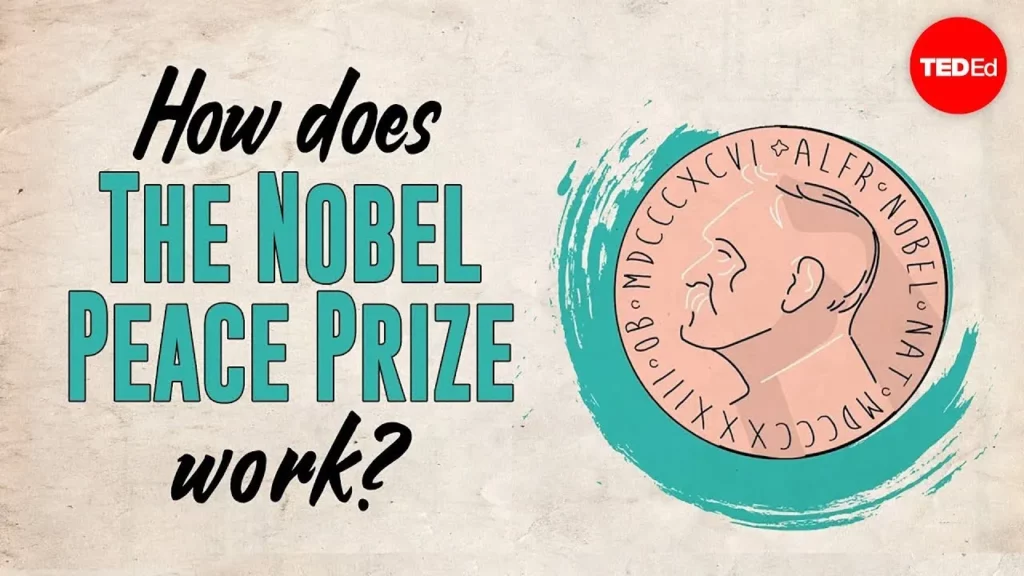
The Nobel Peace Prize, established by Alfred Nobel’s will in the 1800s, recognizes individuals and organizations that have made significant contributions to peace, disarmament, and human rights. Nominations are made by a select group of eligible individuals, and the selection process is conducted by the Norwegian Nobel Committee, culminating in an announcement each October. Over the years, the prize has evolved to include a diverse range of laureates, highlighting various paths to achieving peace globally.
How the rubber glove was invented | Moments of Vision 4 – Jessica Oreck
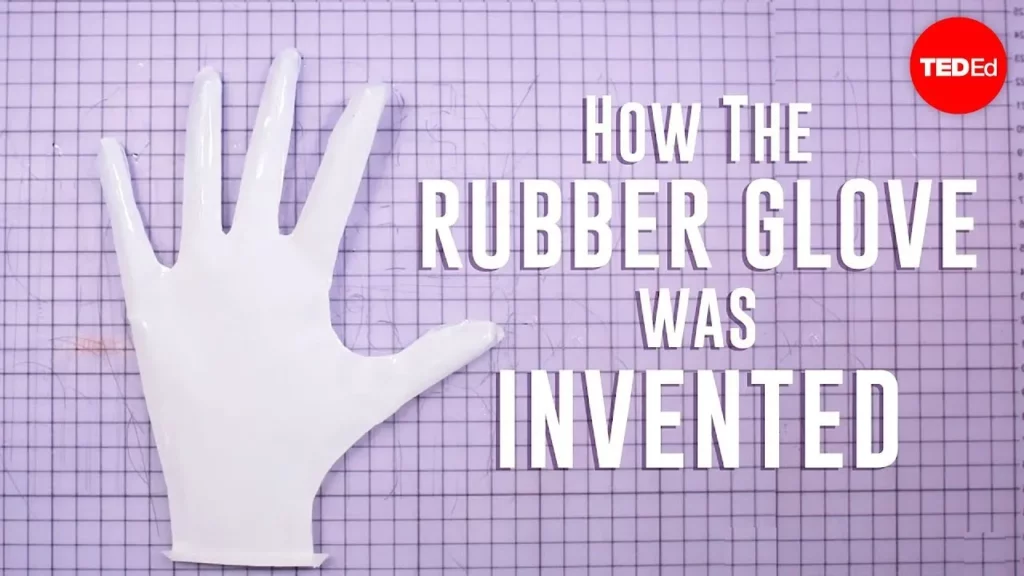
The lesson recounts the invention of rubber gloves in 1890, sparked by Dr. William Halsted’s desire to alleviate the irritation experienced by scrub nurse Caroline Hampton due to harsh disinfectants. By collaborating with the Goodyear Rubber Company, Halsted created gloves that not only protected Caroline’s hands but also revolutionized surgical practices, leading to the establishment of a significant rubber glove industry. Additionally, the story highlights a personal connection, as Halsted and Hampton eventually married, intertwining the invention with a love story.
Why is Vermeer’s “Girl with the Pearl Earring” considered a masterpiece? – James Earle
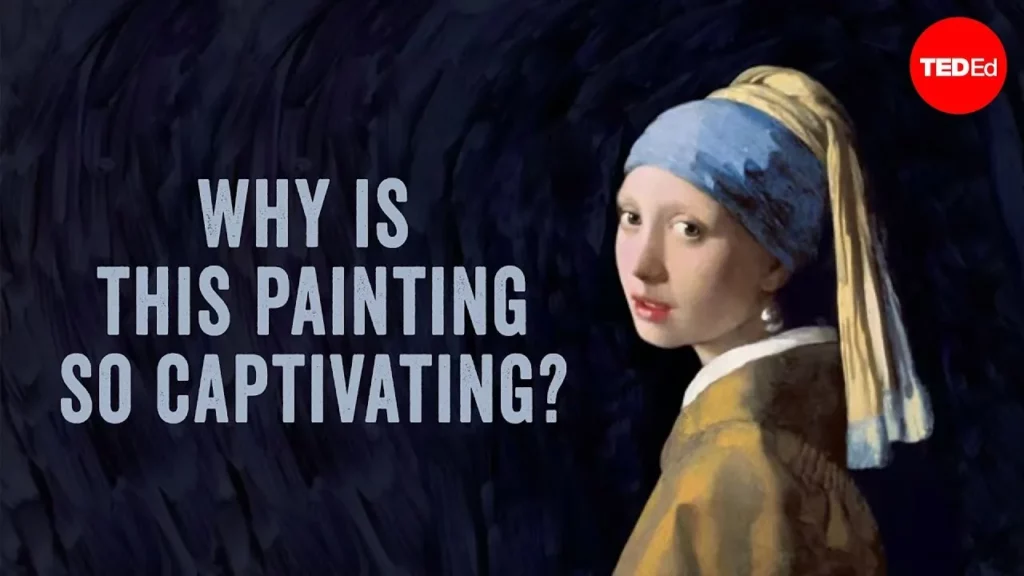
Johannes Vermeer’s “Girl with the Pearl Earring” is celebrated as a masterpiece due to its mysterious allure and the psychological depth of its anonymous subject, whose direct gaze engages viewers. Vermeer’s innovative artistic techniques, including his mastery of light, shadow, and perspective, create a sense of intimacy while maintaining a distance, allowing the painting to resonate with the changing social landscape of 17th-century Delft. The artwork not only reflects the rise of the merchant class and their desire for representation but also showcases Vermeer’s exceptional skill in blending technical precision with emotional resonance.
Why should you listen to Vivaldi’s “Four Seasons”? – Betsy Schwarm
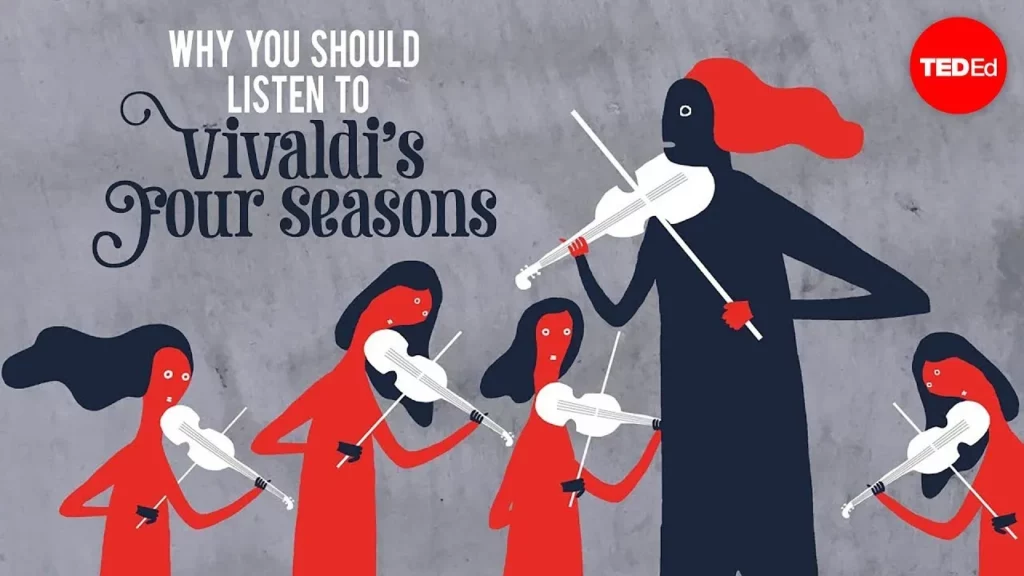
Vivaldi’s “The Four Seasons” is a celebrated musical masterpiece from the early 1700s that combines enchanting melodies with vivid storytelling, reflecting the essence of each season through accompanying poems. The innovative use of instrumental music to convey narratives, along with catchy themes, sets Vivaldi apart from his contemporaries and highlights his influence on classical music. This timeless work continues to captivate audiences, showcasing the power of music to evoke imagery and emotions.
Plato’s best (and worst) ideas – Wisecrack
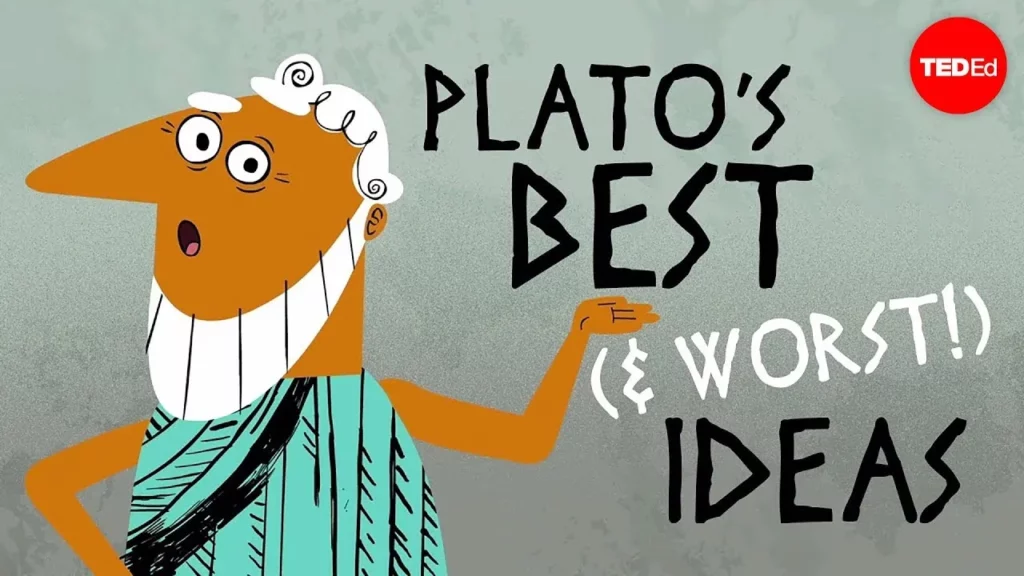
Plato’s philosophical contributions have profoundly influenced Western thought, particularly through his concept of the World of Forms, which posits a perfect realm beyond our flawed reality. While he is celebrated for his political theories advocating for philosopher-kings and the potential for women to rule, some of his ideas, such as his definition of humans and views on societal roles, have faced criticism and have not aged well. Despite these missteps, Plato’s legacy endures as a foundational pillar of philosophy, prompting ongoing reflection and adaptation of his ideas in contemporary discourse.
What caused the French Revolution? – Tom Mullaney
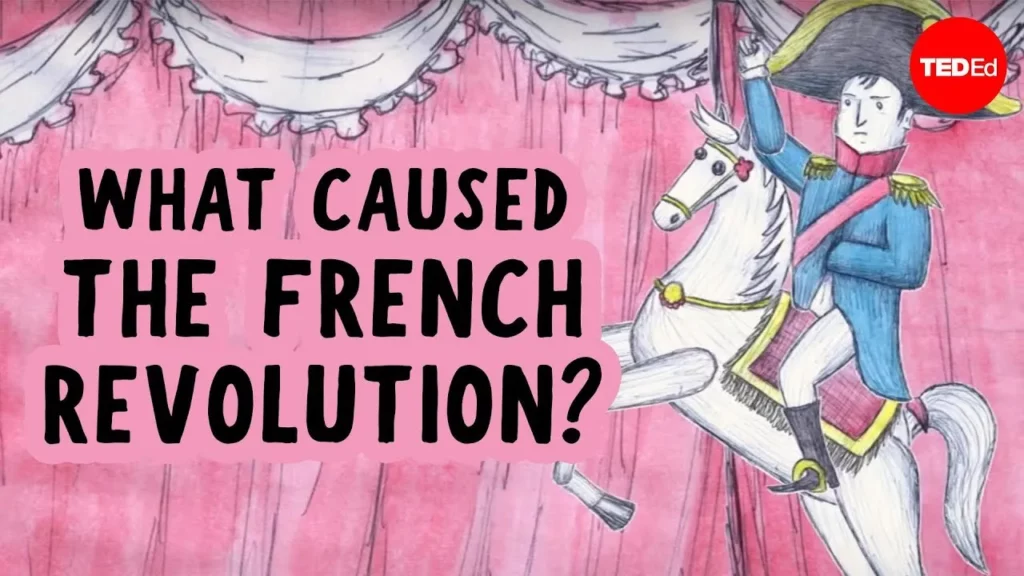
The French Revolution was sparked by a combination of Enlightenment ideas, social inequality, and financial crises that highlighted the stark divide between the privileged upper classes and the oppressed Third Estate. As the Third Estate sought political representation and reform, their frustrations culminated in the storming of the Bastille, leading to the abolition of the feudal system and the establishment of individual rights. The revolution ultimately resulted in the fall of the monarchy, the rise of radical factions, and the emergence of Napoleon Bonaparte, setting the stage for ongoing struggles between monarchy and republicanism in France.