
Why do we harvest horseshoe crab blood? – Elizabeth Cox
The lesson explains the significance of harvesting horseshoe crab blood, which contains unique amebocytes that are crucial for testing medical products for bacterial endotoxins, thereby protecting human health. It details the lifecycle of horseshoe crabs, their evolutionary adaptations, and the challenges they face due to human activities, including blood harvesting and habitat destruction. The lesson concludes with a call for conservation efforts and the potential development of synthetic alternatives to reduce reliance on these ancient creatures.
Are you a body with a mind or a mind with a body? – Maryam Alimardani
The lesson explores the intricate relationship between the mind and body, using the rubber hand illusion to illustrate how our perception of self can be influenced by external stimuli. It delves into philosophical perspectives, particularly Descartes’ notion of a separate mind, and contrasts these with modern scientific insights that emphasize the integration of body and consciousness. Ultimately, the lesson raises profound questions about identity and self, suggesting that our understanding of what defines us may still be evolving.
A brief history of banned numbers – Alessandra King
The lesson explores the historical significance of numbers and how they have been deemed dangerous enough to ban throughout history, paralleling the censorship of written texts. It highlights key developments in mathematics, such as the discovery of irrational numbers by Hippasus, and the eventual ban on Hindu-Arabic numerals in 13th century Florence due to concerns over forgery and the implications of zero and negative numbers. The lesson concludes by emphasizing that, much like words, numbers can convey powerful ideas and sensitive information, leading to modern instances of banned numbers.
The surprising cause of stomach ulcers – Rusha Modi
In the lesson, Dr. Barry Marshall’s groundbreaking discovery in 1984 revealed that stomach ulcers, previously thought to be caused by stress or excess stomach acid, are primarily due to the bacterium Helicobacter pylori. By ingesting the bacteria himself, he demonstrated its role in ulcer development, leading to a shift in medical understanding and treatment, ultimately earning him a Nobel Prize in 2005. This lesson underscores the importance of challenging conventional wisdom and the impact of scientific inquiry on medical advancements.
How aspirin was discovered – Krishna Sudhir
The lesson outlines the historical journey of aspirin, beginning with the ancient Sumerians’ discovery of pain relief through willow bark, and tracing its evolution through notable figures like Hippocrates and Edward Stone, who contributed to its understanding and use. The synthesis of acetylsalicylic acid in the 19th century by chemists, particularly Bayer’s development of aspirin as a brand, marked its transition into a widely used pharmaceutical drug, which has since been recognized for its benefits in pain relief, inflammation, and cardiovascular health, while also highlighting potential risks associated with its use. Today, aspirin remains a vital medication, with ongoing research exploring its various applications in modern medicine.
The strange case of the cyclops sheep – Tien Nguyen
In the 1950s, Idaho ranchers encountered a mystery when their sheep birthed lambs with a cyclops-like deformity, prompting scientists to investigate the cause, which was eventually traced to wild corn lilies containing a molecule called cyclopamine. Decades later, researchers uncovered that cyclopamine disrupts the hedgehog signaling pathway, crucial for proper development, and this discovery not only explained the deformity but also led to potential cancer treatments by targeting similar pathways. This case exemplifies how thorough scientific inquiry can yield significant medical advancements from seemingly unrelated phenomena.
Why should you read Virginia Woolf? – Iseult Gillespie
In the lesson “Why Should You Read Virginia Woolf?” Iseult Gillespie explores Woolf’s profound insights into the struggles of women and the impact of societal exclusion on artistic expression, as exemplified in her essay “A Room of One’s Own.” Through her innovative narrative techniques and deep psychological exploration, Woolf captures the complexities of human experience, illustrating how her characters navigate their rich inner lives amidst external constraints. Despite her tragic end, Woolf’s legacy endures, emphasizing the importance of sharing our inner thoughts and experiences.
Is DNA the future of data storage? – Leo Bear-McGuinness
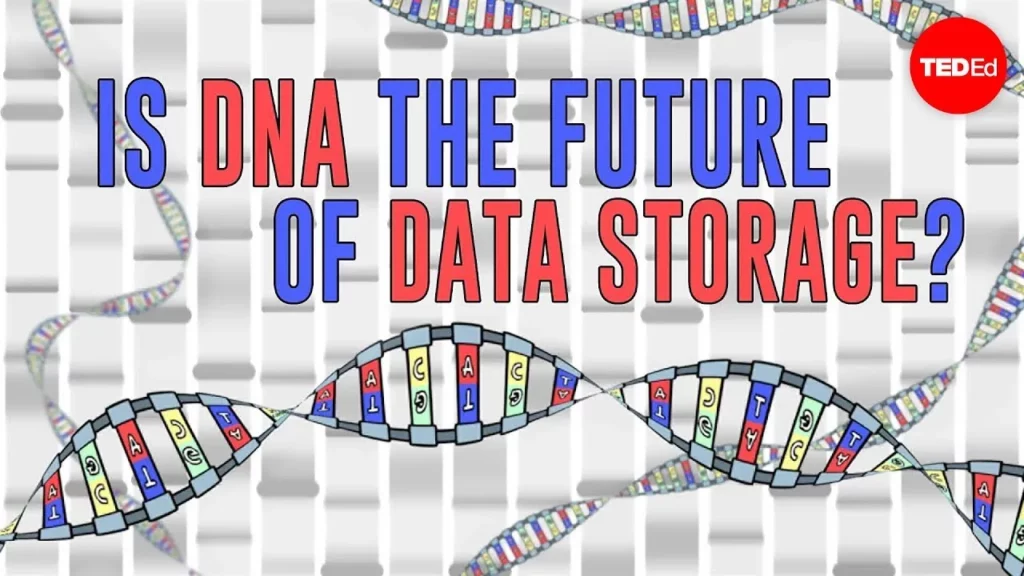
The lesson explores the potential of DNA as a revolutionary medium for data storage, highlighting its remarkable capacity and longevity compared to traditional methods. By encoding digital information into DNA sequences, researchers have demonstrated the feasibility of preserving vast amounts of data for thousands of years, even in extreme conditions. This innovative approach could lead to the creation of living archives that safeguard human knowledge for future generations, ensuring that our legacy endures even in the face of catastrophic events.
Why is it so hard to cure cancer? – Kyuson Yun
The lesson explores the complexities of cancer, highlighting that it is not a single disease but a collection of over 100 types, each with unique characteristics that complicate treatment. Challenges such as clonal heterogeneity, the tumor ecosystem, and the presence of resilient cancer stem cells contribute to the difficulty in finding a definitive cure. Despite these obstacles, advancements in research and treatment continue to improve outcomes and offer hope for the future.
Explore cave paintings in this 360° animated cave – Iseult Gillespie
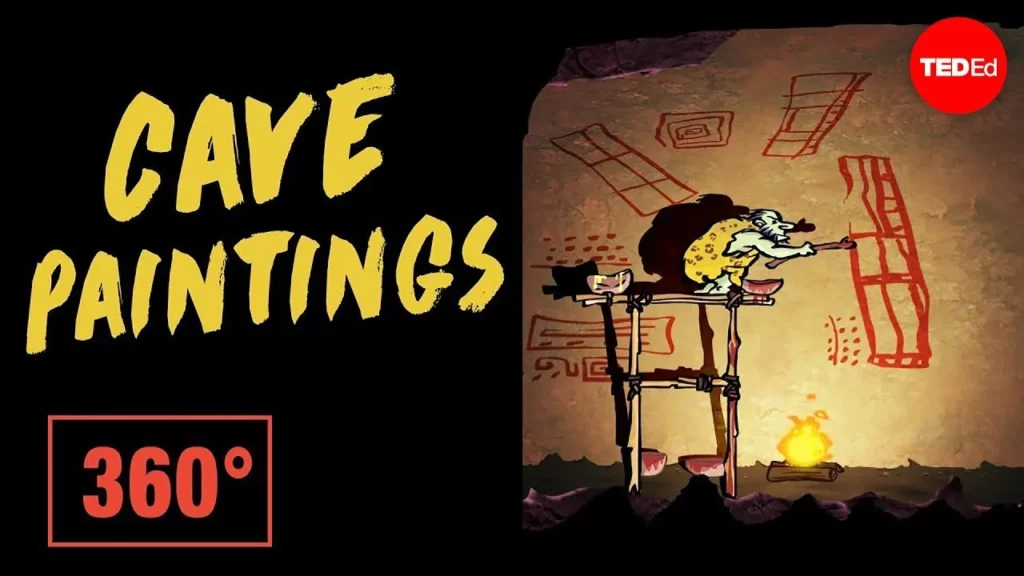
The lesson explores the discovery of ancient cave paintings by Marcelino Sanz de Sautuola and his daughter in 1879, revealing artworks created by prehistoric humans between 19,000 and 35,000 years ago. It delves into the materials and techniques used by these early artists, the possible motivations behind their creations, and the significance of these artworks as a form of early human communication and creativity. Ultimately, the lesson highlights the enduring mystery of ancient art and its connection to modern expressions of creativity.