
How did Polynesian wayfinders navigate the Pacific Ocean? – Alan Tamayose and Shantell De Silva
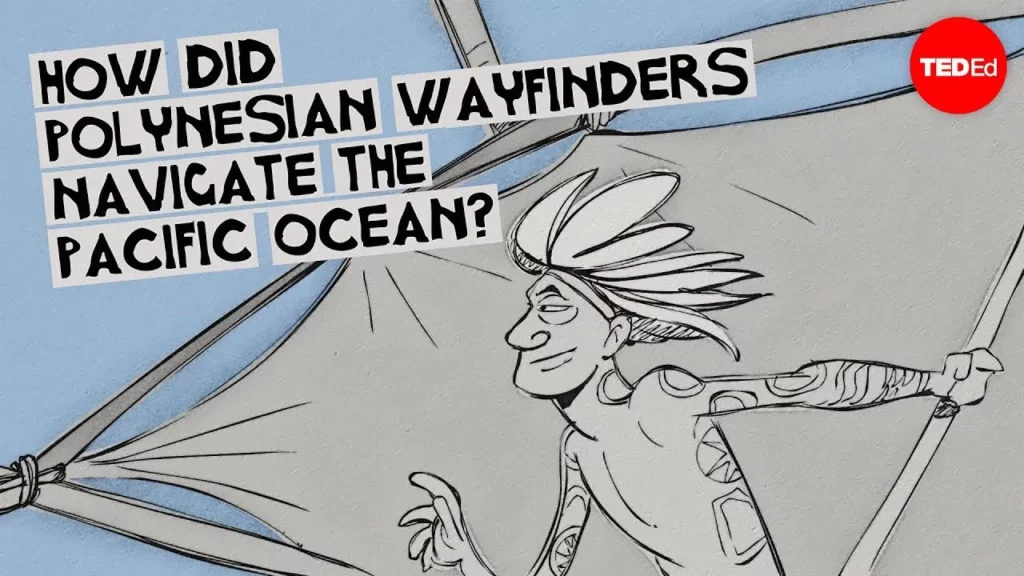
The lesson explores the remarkable navigation skills of Polynesian wayfinders, who sailed across the vast Pacific Ocean without modern technology, relying on natural elements such as the Sun, Moon, stars, ocean currents, and cloud patterns. Beginning around 1500 B.C., these navigators used a combination of strong double-hulled canoes and keen observations of nature to successfully find their way to distant islands, demonstrating a profound understanding of their environment. Their techniques, preserved through oral traditions and tested in modern times, highlight the ingenuity and adaptability of Polynesian culture in navigating one of the largest oceans on Earth.
Why should you read Virgil’s “Aeneid”? – Mark Robinson
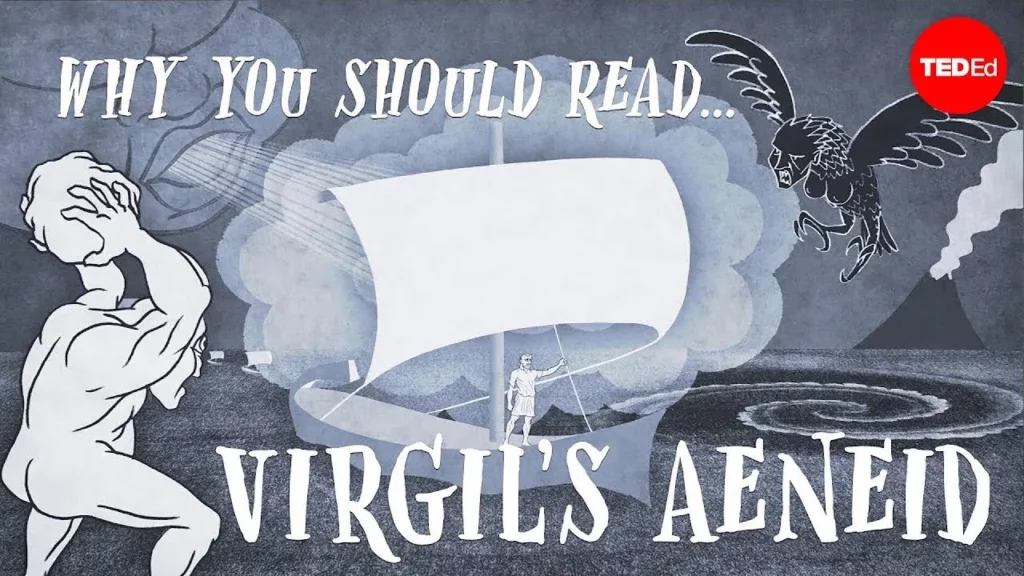
In the lesson “Why Should You Read Virgil’s ‘Aeneid’?” by Mark Robinson, the significance of Virgil’s epic poem is explored within the context of Roman history and literature. Written during a time of political upheaval, the “Aeneid” not only serves as a reflection of Augustus’s reign and aspirations but also subtly critiques the nature of power through the character of Aeneas, who embodies both the struggles and ideals of leadership. Ultimately, Virgil’s work offers a profound commentary on Rome’s origins and the complexities of its future, making it a timeless piece worthy of study.
What in the world is topological quantum matter? – Fan Zhang
The lesson on “Understanding Topological Quantum Matter” highlights the groundbreaking contributions of David Thouless, Duncan Haldane, and Michael Kosterlitz, who demonstrated that topological properties can influence the behavior of subatomic particles, leading to potential advancements in technology. By exploring the concept of topology, which examines properties that remain unchanged under deformation, the lesson explains how topological insulators conduct electricity only at their edges and how topological qubits could enhance the stability and efficiency of quantum computing. This research opens up exciting possibilities for future innovations in materials science and electronic engineering.
Where do math symbols come from? – John David Walters
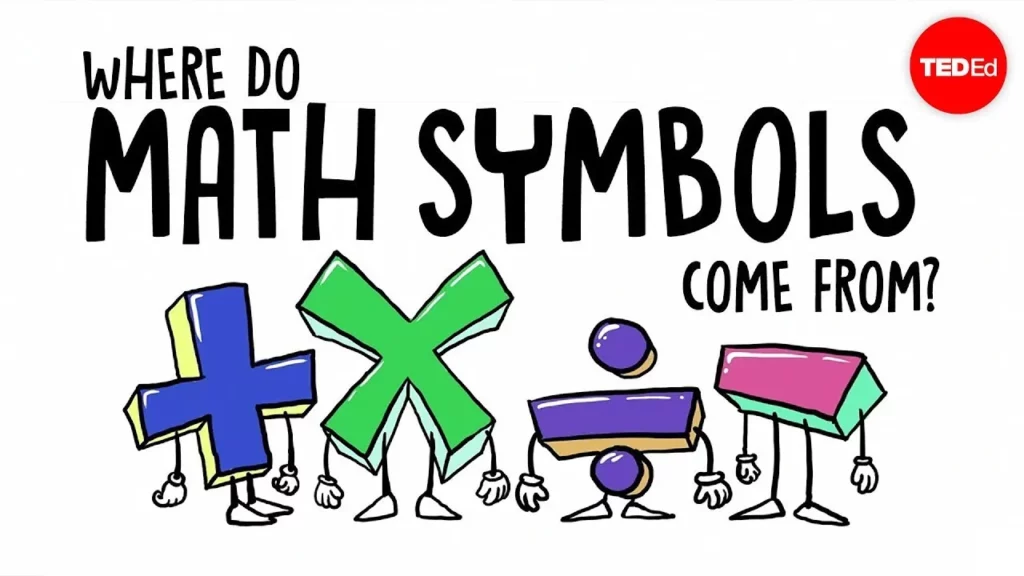
The lesson explores the origins and significance of mathematical symbols, highlighting the creation of the equals sign by Robert Recorde in the 16th century as a practical solution for expressing equality. It emphasizes that math symbols serve as efficient shortcuts for complex operations and relationships, allowing mathematicians to communicate ideas clearly and concisely. Additionally, the lesson compares learning math symbols to learning a new language, underscoring the importance of memorization and understanding in mastering mathematical concepts.
Why should you read “Macbeth”? – Brendan Pelsue
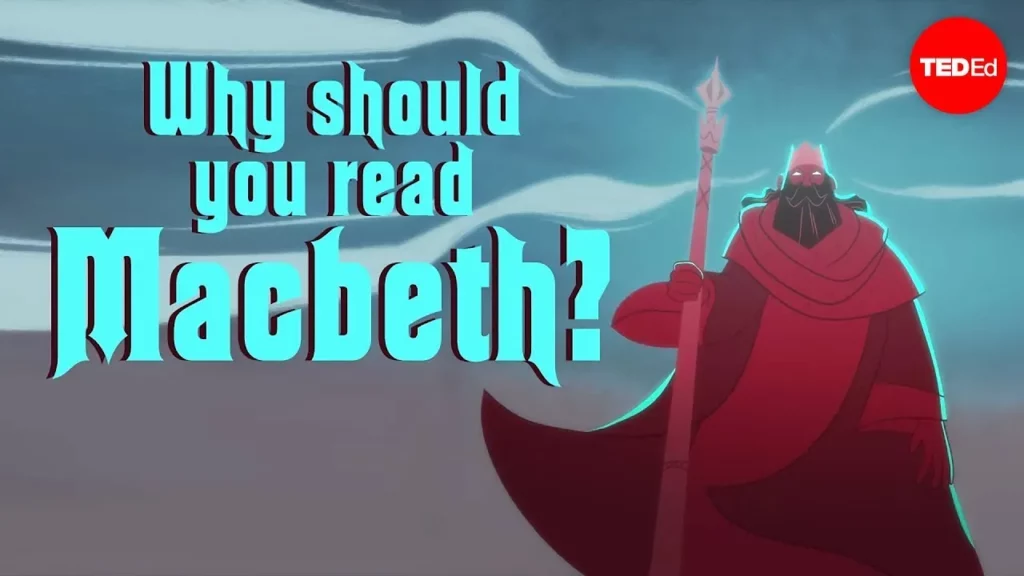
In the lesson “Why Should You Read ‘Macbeth’?” by Brendan Pelsue, the enduring significance of Shakespeare’s play is highlighted through its exploration of themes such as ambition, power, and guilt, set against the backdrop of early 17th-century political instability. The play’s rich language and memorable lines have permeated everyday speech, while its dramatic narrative and complex characters continue to resonate with contemporary audiences, making “Macbeth” a timeless reflection on morality and the consequences of unchecked ambition.
How many verb tenses are there in English? – Anna Ananichuk
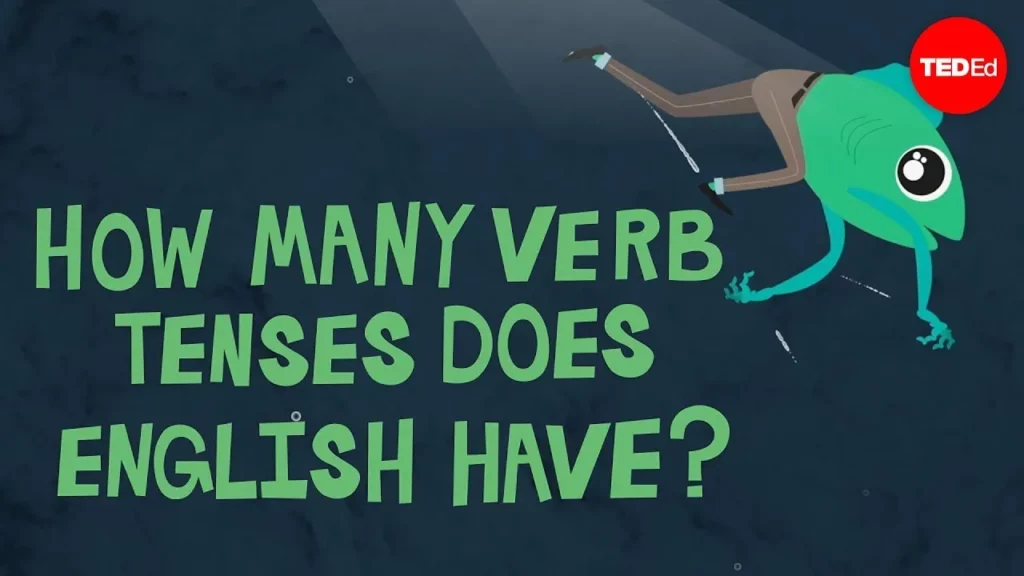
The lesson explains that English has three main verb tenses—past, present, and future—each of which can be further divided into four aspects: continuous, perfect, perfect progressive, and simple. These aspects help clarify the timing and status of actions, resulting in a total of twelve possible verb forms. Additionally, the lesson highlights how different languages handle tense and aspect, prompting reflection on the relationship between language, time, and perception.
How does your body know you’re full? – Hilary Coller
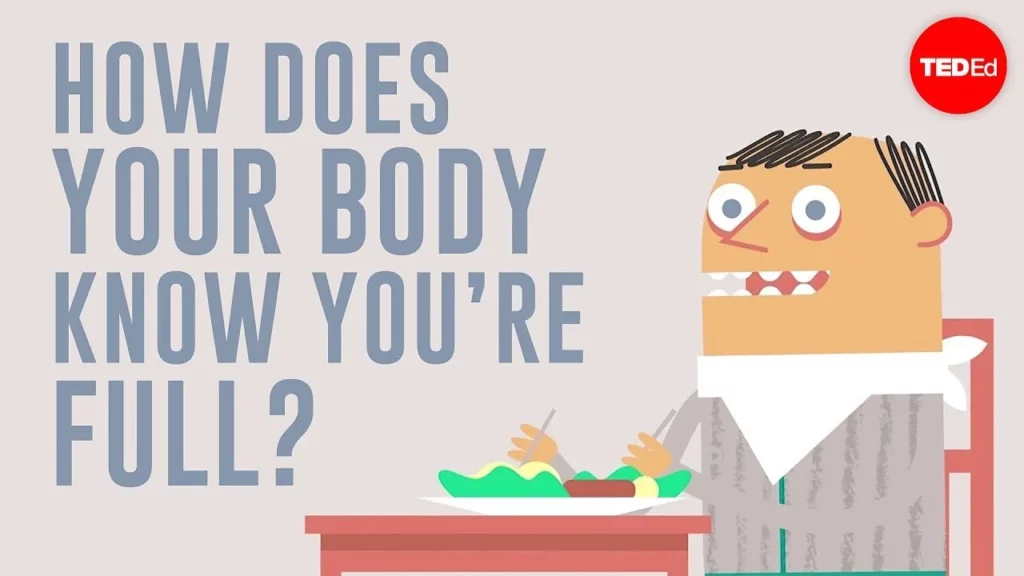
This lesson explains how the body recognizes fullness after eating, highlighting the roles of stomach stretching, nerve signals, and hormones in appetite regulation. Key hormones like cholecystokinin (CCK) and leptin help signal satisfaction and suppress hunger, while the type of food consumed can influence how long one feels full. Understanding these mechanisms can aid in making healthier eating choices and managing hunger effectively.
How often should you get a flu shot? – Melvin Sanicas
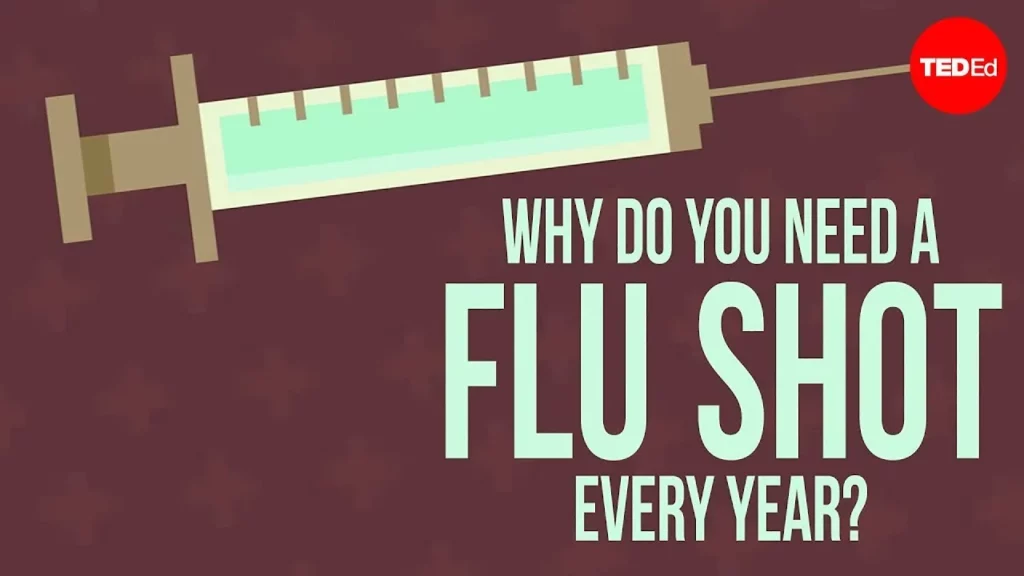
The lesson explains the necessity of receiving a flu shot annually due to the influenza virus’s rapid mutation and the existence of numerous subtypes. Unlike vaccines for other diseases that provide long-lasting immunity, the flu vaccine must be updated each year to match circulating strains, as the virus can change significantly. Vaccination not only helps individuals by reducing the severity of illness but also contributes to community protection through herd immunity.
What is the tragedy of the commons? – Nicholas Amendolare
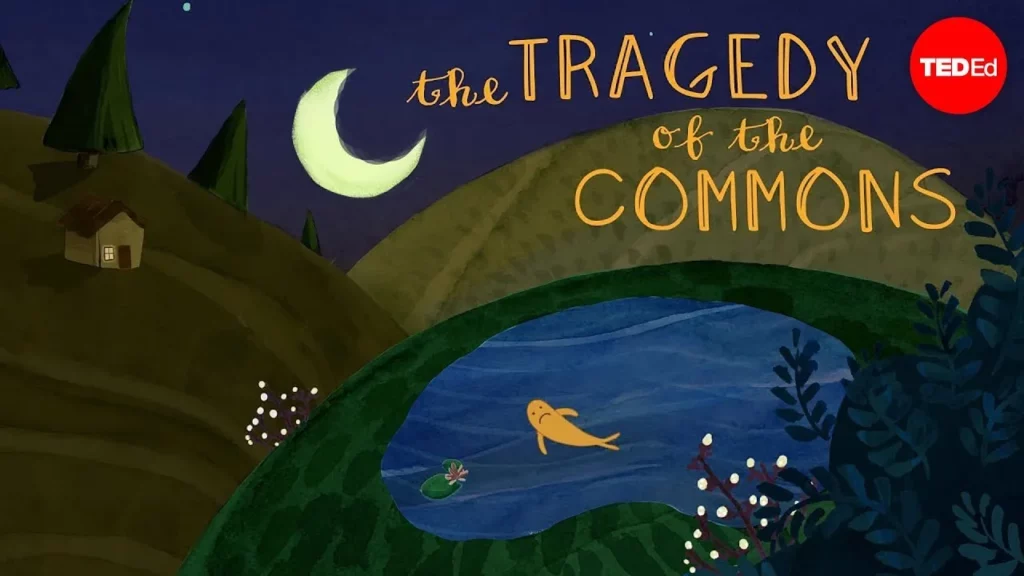
The lesson on the “Tragedy of the Commons” illustrates how individual self-interest can lead to the depletion of shared resources, using the example of a fish pond where villagers must decide how many fish to catch. The optimal solution is for each villager to catch one fish daily, allowing the fish population to sustain itself; however, if individuals prioritize personal gain, the resource will be exhausted, harming the entire community. This concept extends to real-world issues like overfishing, pollution, and antibiotic resistance, emphasizing the importance of collective action and prioritizing the common good for sustainable resource management.
History vs. Che Guevara – Alex Gendler
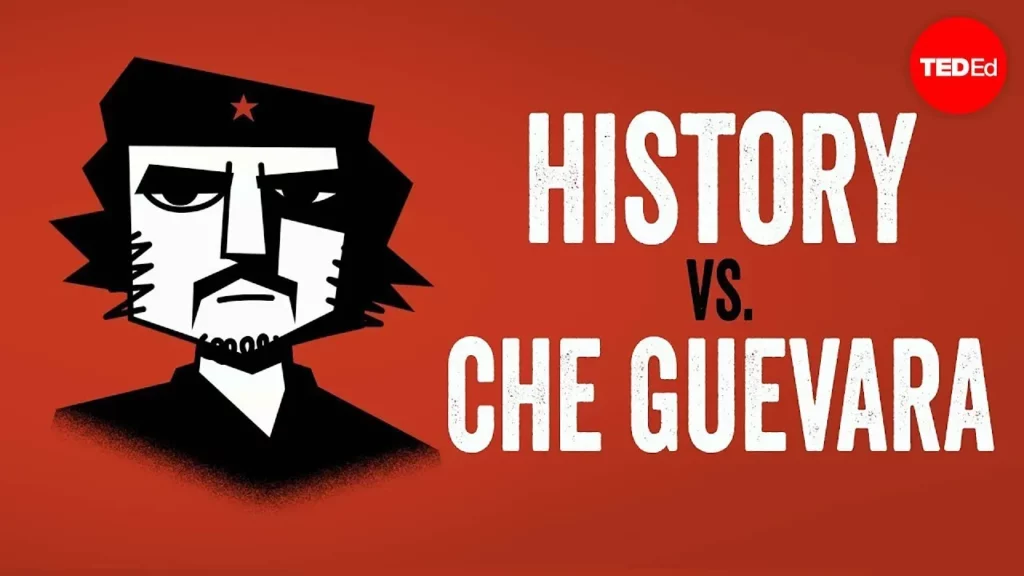
The lesson explores the life and legacy of Che Guevara, a figure who transitioned from a medical student to a revolutionary icon. It examines his motivations for seeking change in Latin America, particularly in response to poverty and oppressive governments, and highlights his role in the Cuban Revolution, where he implemented significant reforms but also engaged in repressive actions. Ultimately, the lesson prompts reflection on the complexities of Guevara’s legacy, questioning whether he should be viewed as a hero or a villain based on the ideals and outcomes of his revolutionary efforts.