
Zen kōans: Unsolvable enigmas designed to break your brain – Puqun Li
The lesson on Zen kōans emphasizes the importance of embracing life’s mysteries rather than seeking definitive explanations. Through the use of perplexing and ambiguous thought experiments, Zen monks aimed to cultivate comfort with ambiguity and challenge binary thinking, ultimately guiding practitioners toward spiritual breakthroughs. By engaging with these unsolvable enigmas, individuals can deepen their understanding of perception and the nature of knowledge itself, rather than simply striving for clear answers.
Why is Aristophanes called “The Father of Comedy”? – Mark Robinson
Aristophanes, often referred to as “The Father of Comedy,” emerged in 426 BC with his bold and satirical plays that critiqued Athenian society and politics during the Peloponnesian War. His innovative use of humor, imaginative scenarios, and direct engagement with the audience through techniques like the parabasis not only entertained but also encouraged critical reflection on contemporary issues. Aristophanes’ legacy endures in modern comedy, influencing various forms of humor and political satire while advocating for free speech and the celebration of ordinary people’s lives.
Can you solve the Leonardo da Vinci riddle? – Tanya Khovanova
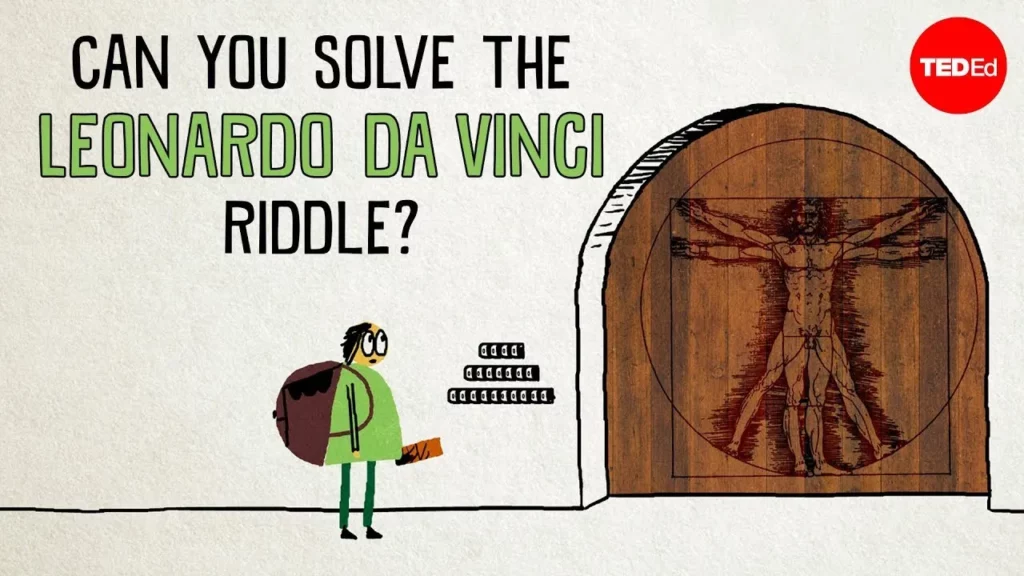
In this lesson, students are challenged to solve a riddle involving autobiographical numbers, which are unique numbers that describe the frequency of their digits. By analyzing the given codes and applying the properties of autobiographical numbers, learners deduce that the only 10-digit autobiographical number is 6210001000, which ultimately unlocks Leonardo da Vinci’s secret vault. The lesson emphasizes logical reasoning and pattern recognition in mathematics.
What is imposter syndrome and how can you combat it? – Elizabeth Cox
The lesson on “Understanding Imposter Syndrome and How to Overcome It” explores the pervasive feelings of self-doubt experienced by even the most accomplished individuals, highlighting that such feelings are common and not indicative of actual inadequacy. It defines imposter syndrome, discusses its origins and prevalence across various demographics, and offers strategies for overcoming these feelings, such as open discussions and revisiting positive feedback. Ultimately, the lesson emphasizes the importance of recognizing one’s own capabilities and fostering a sense of belonging to combat imposter syndrome.
Does stress affect your memory? – Elizabeth Cox
The lesson explores the complex relationship between stress and memory, highlighting how moderate stress can enhance memory formation while extreme or chronic stress can impair it. It explains the memory process involving acquisition, consolidation, and retrieval, and how stress hormones can both aid and hinder these stages. To manage stress effectively and improve memory recall, strategies such as simulating test conditions, exercising, and practicing deep breathing are recommended.
What is the universe expanding into? – Sajan Saini
The lesson explores the concept of the universe’s expansion, emphasizing that it is not expanding into anything external but rather within itself, as described by Einstein’s theory of general relativity. It discusses the historical discovery of this expansion by Edwin Hubble and uses analogies, such as rising raisin bread, to illustrate how galaxies move apart. Additionally, the lesson delves into speculative theories about what might exist beyond our universe, including the multiverse concept and string theory, highlighting the ongoing scientific exploration of these ideas despite their speculative nature.
Can you solve the rebel supplies riddle? – Alex Gendler
In this lesson, participants are tasked with ensuring that boxes of supplies for a rebel base comply with specific sealing rules based on the numbers on their bottoms. The key takeaway is to recognize that only the box with the black lid needs inspection to confirm it is not incorrectly placed on an even-numbered box, while the box with the red lid does not require checking, illustrating the logical fallacy of affirming the consequent. Ultimately, the lesson emphasizes the importance of understanding logical conditions and avoiding common reasoning errors in problem-solving.
Is there any truth to the King Arthur legends? – Alan Lupack
The lesson explores the origins and evolution of the King Arthur legends, tracing their roots from early Celtic poetry through Geoffrey of Monmouth’s 12th-century chronicle, which introduced key elements like the magical sword and Merlin. It highlights how subsequent adaptations, particularly by poets like Wace and Chrétien de Troyes, further developed the narrative, incorporating themes of romance and adventure, ultimately culminating in Sir Thomas Malory’s influential work, *Le Morte d’Arthur*. While the historical existence of King Arthur remains uncertain, his legend has endured and transformed over centuries, captivating audiences with its rich tapestry of myth and heroism.
How do cigarettes affect the body? – Krishna Sudhir
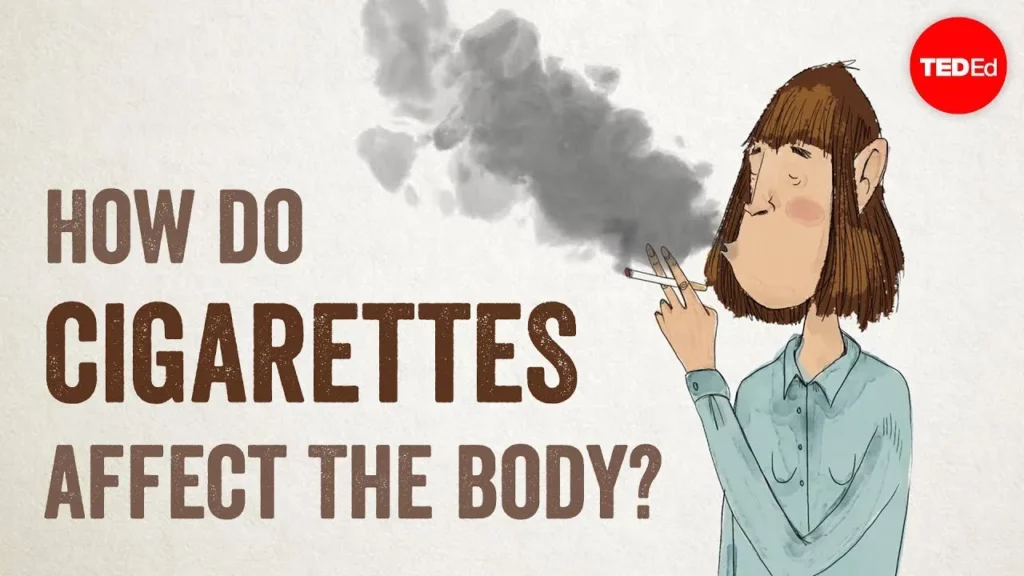
The lesson outlines the detrimental effects of smoking cigarettes on the body, highlighting the harmful chemicals, particularly nicotine, that lead to addiction and various health issues, including cancer and respiratory diseases. It emphasizes the immediate and long-term health benefits of quitting smoking, such as improved heart function and reduced cancer risk, while also acknowledging the challenges of overcoming nicotine addiction and the resources available to support individuals in their journey to quit.
What would happen if every human suddenly disappeared? – Dan Kwartler
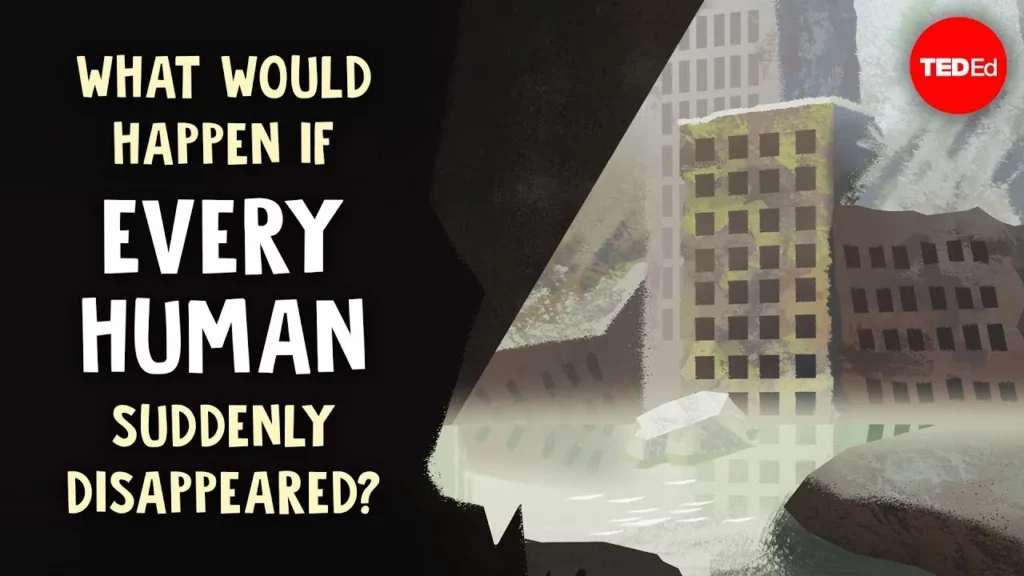
The lesson explores the hypothetical scenario of humans suddenly disappearing from Earth, detailing the immediate and long-term consequences on the environment and infrastructure. Initially, human-made structures would deteriorate rapidly, leading to chaos, but over time, nature would reclaim urban areas and adapt to the absence of humans. Ultimately, the lesson emphasizes the lasting impact of human activity on the planet and encourages reflection on sustainable living practices.