
Why should you read Edgar Allan Poe? – Scott Peeples
The lesson highlights the significance of Edgar Allan Poe as a master of gothic horror and a pioneering figure in American literature. It emphasizes his meticulous approach to short story writing, his exploration of the human psyche through unreliable narrators, and his versatility in various genres, including detective fiction and poetry. Despite his personal struggles and posthumous fame, Poe’s works continue to resonate with readers, showcasing the haunting beauty and depth of his literary contributions.
Could the Earth be swallowed by a black hole? – Fabio Pacucci
The lesson explores the nature of black holes, explaining their formation, detection methods, and types, including stellar mass and supermassive black holes. While the idea of a black hole swallowing Earth is captivating, the likelihood of such an event occurring is extremely low, and black holes play a crucial role in the formation and structure of the universe. Ultimately, they are not just threats but essential components that contribute to the cosmos’s dynamic nature.
Can you solve the alien probe riddle? – Dan Finkel
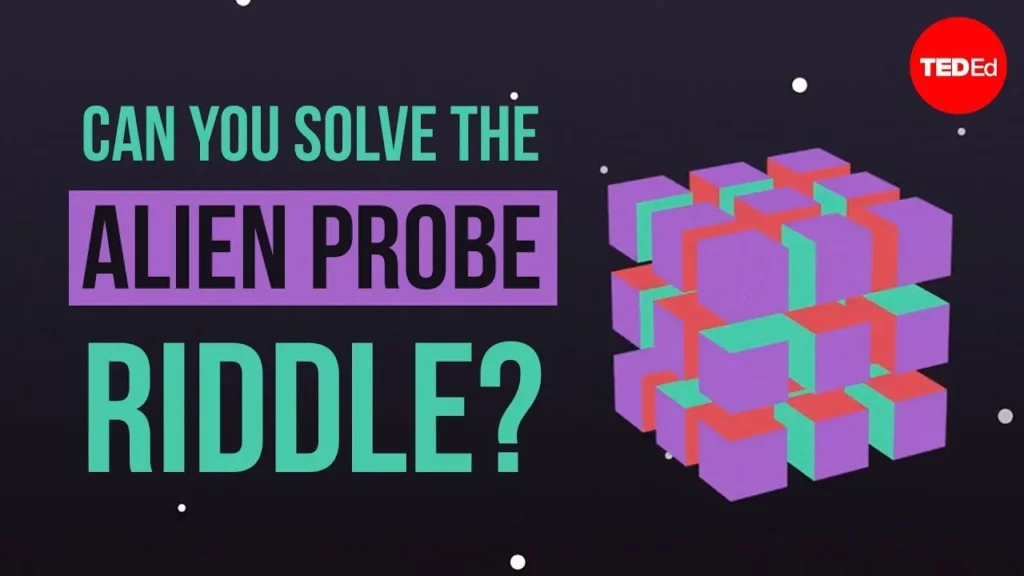
In this lesson, students are tasked with solving the riddle of how to apply protective coatings to a high-tech probe made of 27 cube modules, designed for extreme environments on the alien planet RH-1729. By utilizing symmetry and strategic painting techniques, they must ensure that the probe can display red, purple, and green coatings as it transitions through different atmospheric conditions, ultimately preparing it for a journey to make contact with an alien monolith. The exercise emphasizes problem-solving, creativity, and the application of mathematical concepts in a practical scenario.
The myth of Hercules: 12 labors in 8-bits – Alex Gendler
The lesson “The Myth of Hercules: 12 Labors in 8-Bits” recounts the legendary adventures of Hercules, who, after being driven mad by Hera, sought redemption through a series of twelve daunting tasks assigned by King Eurystheus. Each labor, from defeating the Nemean Lion to capturing Cerberus, showcases Hercules’s strength, ingenuity, and determination, ultimately leading to his redemption and ascension among the gods. The story emphasizes that even the greatest challenges can be overcome with courage and cleverness, transforming chaos into order for humanity.
How much will you change in the future? More than you think – Bence Nanay
In the lesson “How Much Will You Change in the Future? More Than You Think,” Bence Nanay discusses the concept of the “end of history illusion,” which highlights our tendency to underestimate the extent of personal change over time. Through research, it is shown that individuals consistently fail to predict how their preferences, values, and relationships will evolve, leading to overcommitment in future choices. Recognizing this illusion can help us make more informed decisions and embrace the inevitability of change in both our personal lives and the world around us.
What’s a smartphone made of? – Kim Preshoff

The lesson explores the composition of smartphones, highlighting that they contain around 70 chemical elements, including valuable materials like gold, silver, and rare earth elements, which are essential for their functionality. It emphasizes the environmental and social challenges associated with the extraction and recycling of these materials, such as habitat destruction, pollution, and poor working conditions for laborers. As smartphone usage continues to rise, the lesson urges responsible disposal and recycling practices to mitigate these impacts and promote sustainability.
Can you still feel a limb that’s gone? – Joshua W. Pate
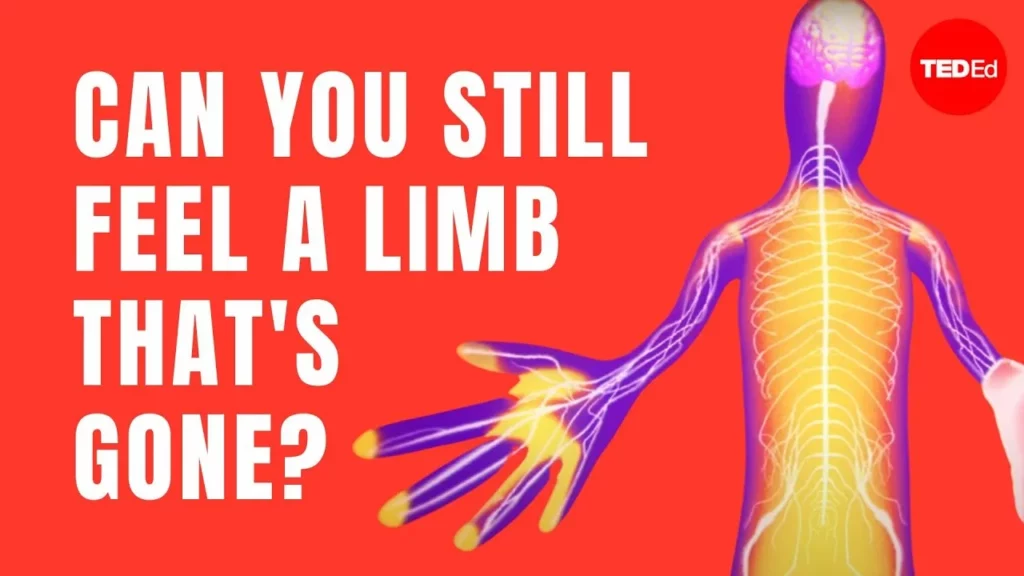
The lesson explores the phenomenon of phantom limb sensations, where individuals who have lost a limb can still vividly feel it, including sensations like pressure or pain. This occurs due to the brain’s inherent body map, which remains intact even after amputation, leading to the persistence of these sensations. Treatment options, such as mirror box therapy and prosthetics, aim to alleviate phantom pain, while ongoing research seeks to uncover the complexities of these experiences and their implications for our understanding of perception.
Why should you read “Don Quixote”? – Ilan Stavans
In “Why You Should Read ‘Don Quixote’ by Ilan Stavans,” the lesson emphasizes the enduring significance of Miguel de Cervantes’ novel, which explores the themes of imagination, idealism, and the human spirit through the adventures of Don Quixote and his squire, Sancho Panza. The narrative not only critiques the chivalric ideals of its time but also marks a pivotal shift towards modern storytelling by focusing on character development and the complexities of human experience. Ultimately, “Don Quixote” serves as a celebration of dreams and individualism, illustrating how our aspirations can profoundly influence our lives.
Can you solve the killer robo-ants riddle? – Dan Finkel
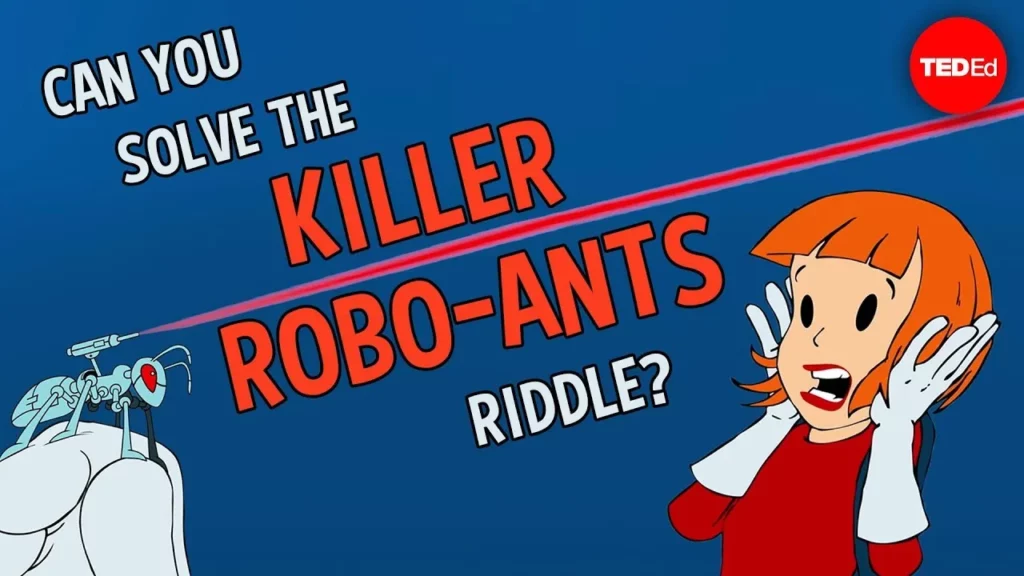
In this lesson, you are tasked with stopping rogue robo-ants equipped with laser-shooting abilities before they escape and cause chaos. By strategically placing two emergency vacuum nozzles at key intersections in their habitat, particularly the top right and bottom left intersections, you can effectively capture all the ants within five minutes, leveraging their behavior of swapping directions upon encountering each other. This exercise emphasizes the importance of strategic planning and problem-solving in a time-sensitive scenario.
History through the eyes of a chicken – Chris A. Kniesly
The lesson “History through the Eyes of a Chicken” explores the multifaceted role of chickens throughout history, highlighting their significance beyond mere food sources. From their origins in the Red Junglefowl to their domestication for cockfighting and later as a staple in various cultures, chickens have been intertwined with human society, serving as symbols of bravery, spiritual beings, and subjects of scientific study. The lesson underscores the evolution of chickens from ancient luxury items to modern industrial farming, reflecting broader themes of human-animal relationships and societal changes.