
What’s the smallest thing in the universe? – Jonathan Butterworth
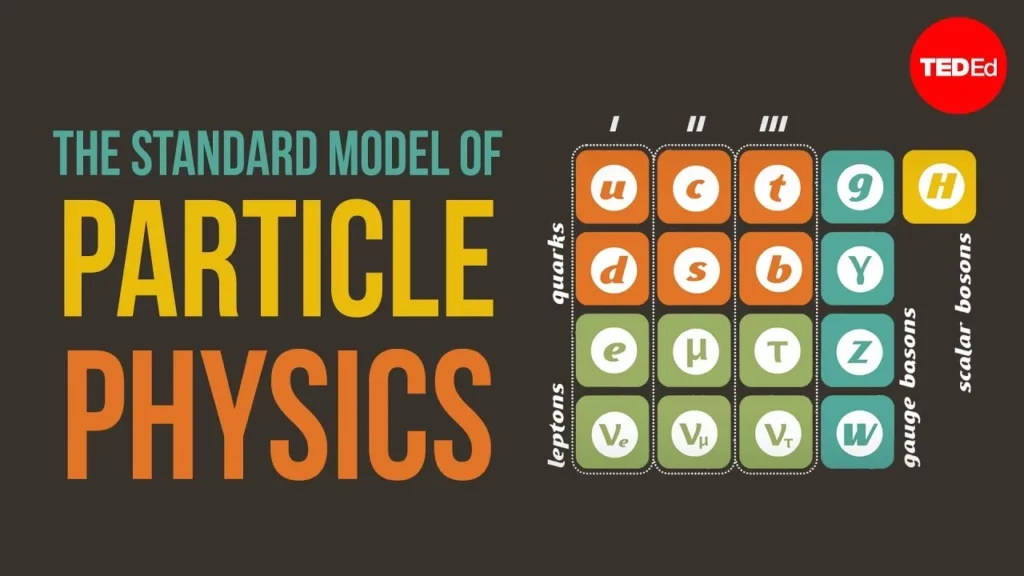
The lesson explores the concept of fundamental particles, the smallest building blocks of the universe, and introduces the Standard Model, which describes their interactions and behaviors. It explains how matter is structured, starting from molecules and atoms down to subatomic particles like electrons, protons, neutrons, and quarks, while also touching on the roles of forces and particles such as bosons and neutrinos. Despite its comprehensive framework, the Standard Model leaves many questions unanswered, prompting ongoing exploration into the nature of the universe, including the mysteries of dark matter and gravity.
The life cycle of a neutron star – David Lunney
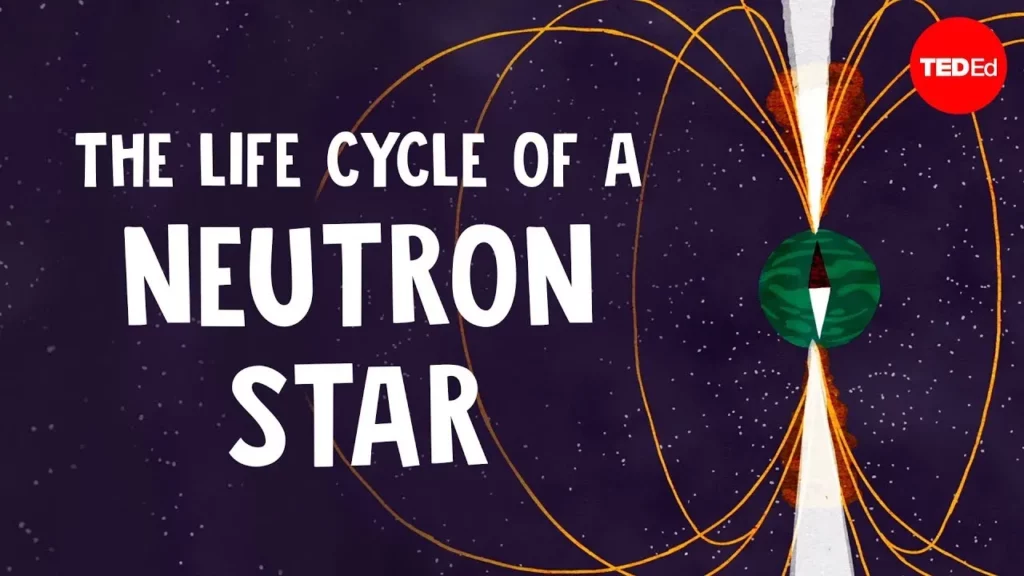
The lesson explores the life cycle of neutron stars, which form after massive stars exhaust their fuel and explode in supernovae. These incredibly dense remnants consist of superfluid neutrons and exhibit rapid rotation and powerful magnetic fields, leading to phenomena such as pulsars. Over time, neutron stars can slow down or merge with other stars, producing gravitational waves and enriching our understanding of cosmic events and the formation of heavy elements.
Who decides what art means? – Hayley Levitt
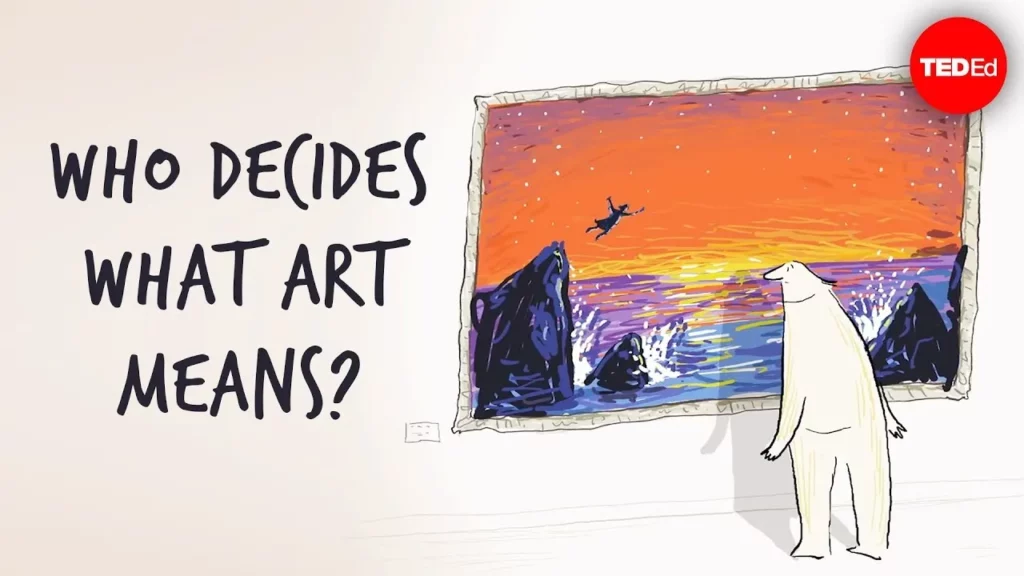
The lesson explores the debate surrounding the significance of an artist’s intentions in interpreting their work, highlighting differing perspectives from critics and philosophers. W.K. Wimsatt and Monroe Beardsley argue that focusing on an artist’s intent is an “Intentional Fallacy,” suggesting that personal interpretations should take precedence, while Steven Knapp and Walter Benn Michaels contend that the artist’s intended meaning is the only valid interpretation. A middle ground proposed by Noel Carroll acknowledges that while intentions are important, they are just one aspect of understanding art, prompting individuals to reflect on their own stance in this ongoing discussion.
“Three Months After” by Cristin O’Keefe Aptowicz
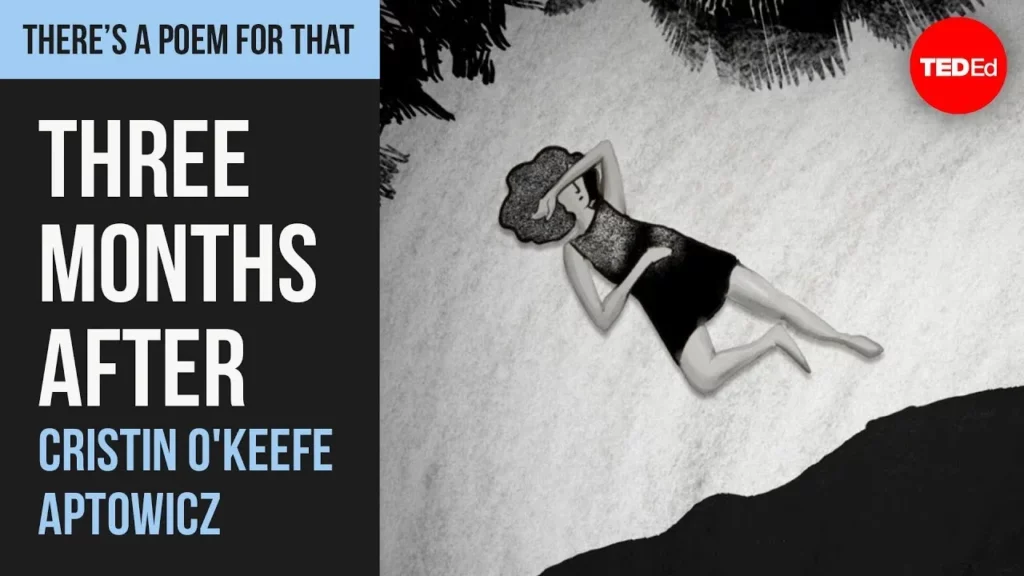
In “Three Months After,” Cristin O’Keefe Aptowicz delves into the complexities of grief, portraying it as a familiar companion rather than an adversary. The poem expresses a longing for solitude and the desire to escape societal expectations, while also highlighting the need to feel something—whether painful or not—over the numbness that often accompanies loss. Ultimately, it invites readers to reflect on their own experiences with grief and the ways they cope, emphasizing that seeking solace in solitude can be a valid response to overwhelming emotions.
The murder of ancient Alexandria’s greatest scholar – Soraya Field Fiorio
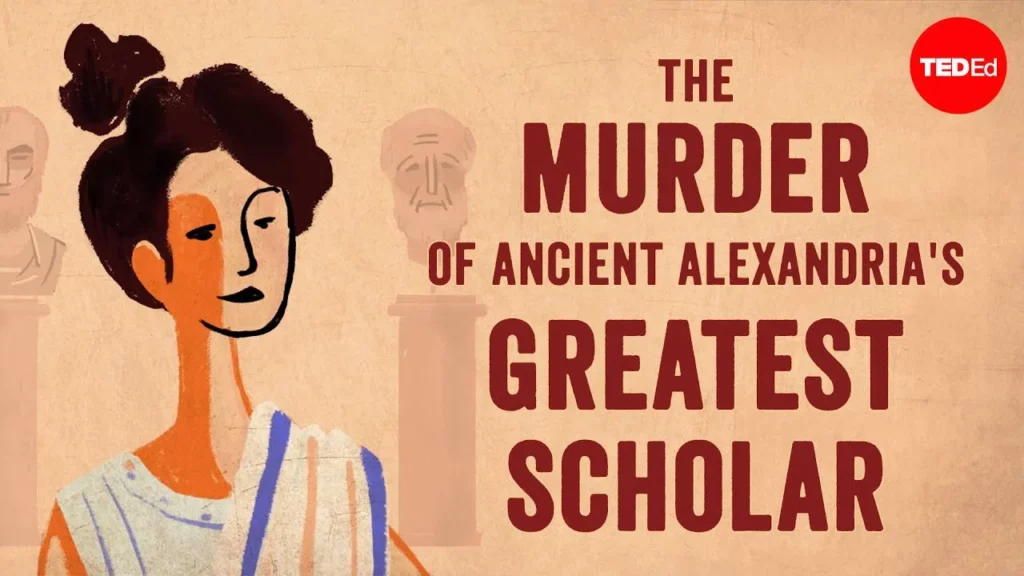
The lesson explores the life and tragic death of Hypatia of Alexandria, a renowned mathematician and philosopher who became embroiled in the political and religious conflicts of 415 CE Alexandria. Despite her contributions to Neoplatonism and her inclusive teaching environment, Hypatia was falsely accused of witchcraft and murdered by a mob of Christian monks, marking a significant decline in the city’s intellectual vibrancy. Her legacy endures as a symbol of knowledge, inclusivity, and the pursuit of truth amidst turmoil.
This sea creature breathes through its butt – Cella Wright
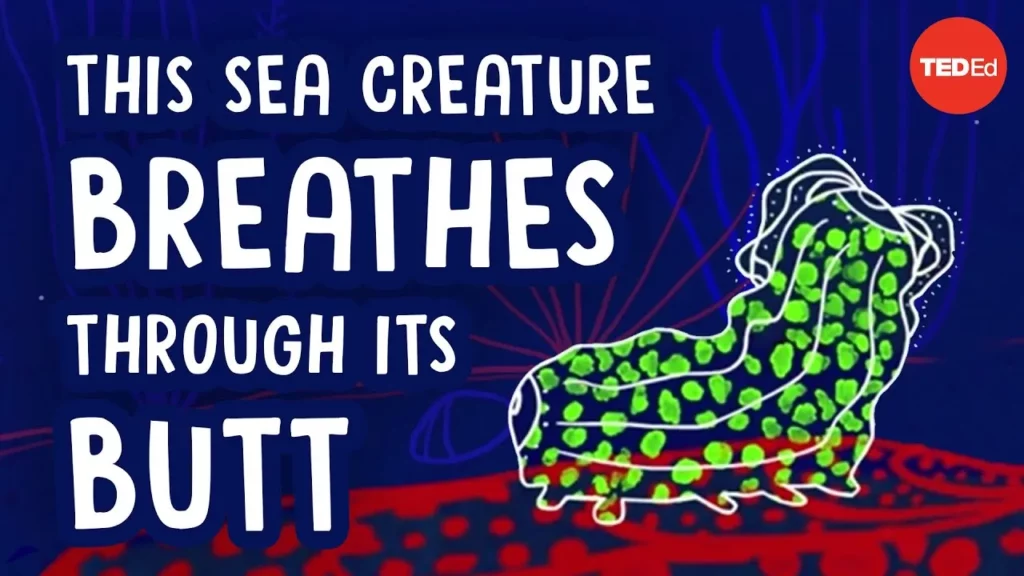
The lesson explores the unique characteristics and ecological importance of sea cucumbers, which are marine animals that breathe through their rear end and play a crucial role in maintaining healthy ocean ecosystems. These creatures not only help clean and oxygenate the ocean floor by digesting organic material in the sand, but they also provide shelter for other marine animals and have fascinating defense mechanisms. Overall, sea cucumbers are essential for the health of marine environments, contributing to the growth of coral reefs and preventing ocean acidification.
Can you solve the Alice in Wonderland riddle? – Alex Gendler
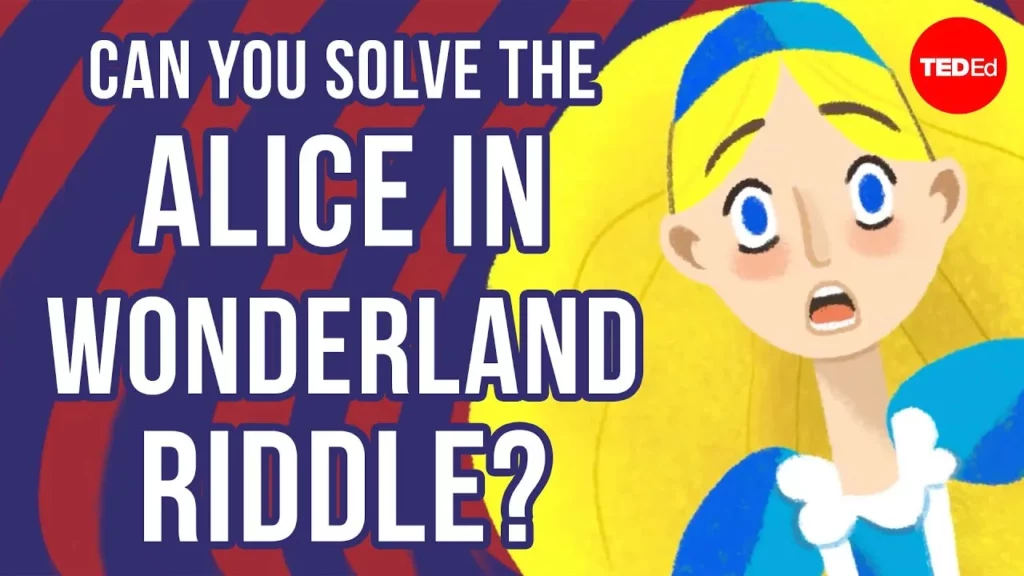
In this lesson, Alice confronts the Queen of Hearts, who claims that 64 is the same as 65, leading to a mathematical challenge involving two chessboard patterns. Through her knowledge of geometry, Alice discovers a gap between the shapes used to cover the boards, revealing the queen’s trick and highlighting the properties of Fibonacci numbers, which can create deceptive mathematical illusions. Ultimately, the lesson emphasizes the importance of critical thinking and the exploration of mathematical concepts, as illustrated by Alice’s clever deduction.
The tragic myth of the Sun God’s son – Iseult Gillespie
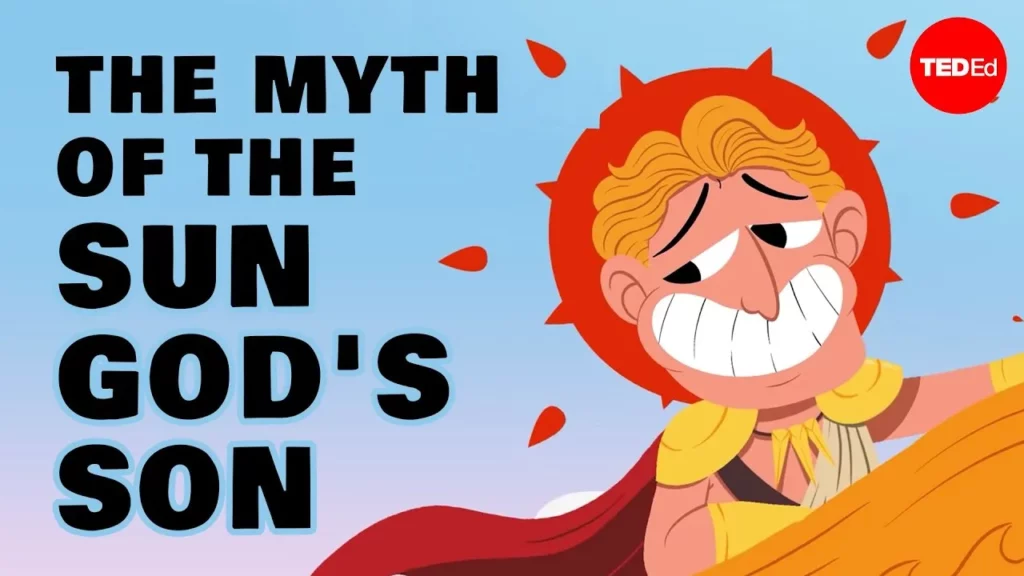
The lesson tells the tragic story of Phaethon, the son of Helios, the Sun God, who seeks to prove his divine lineage by driving his father’s chariot. Despite his initial confidence, Phaethon’s reckless ambition leads to chaos and destruction, ultimately resulting in his demise when Zeus intervenes to save the Earth. The tale serves as a cautionary reminder of the dangers of overreaching and the consequences of attempting to control forces beyond one’s capability.
Would you raise the baby that ate your siblings? – Francesca Barbero
The lesson explores the fascinating life cycle of the Alcon blue butterfly, highlighting its unique survival strategy of infiltrating ant colonies. The caterpillar cleverly disguises itself as an ant larva to gain protection and nourishment from the ants, even consuming some of them in the process. This intricate relationship showcases the complexities of nature, as well as the challenges faced by parasitic butterflies due to environmental changes and predators.
The warrior who defeated the mighty Mughals – Stephanie Honchell Smith
The lesson highlights the remarkable life of Malik Ambar, an enslaved youth who rose to become a formidable leader and military strategist in the Indian Sultanate of Ahmadnagar, successfully resisting the Mughal Empire’s expansion under Emperor Jahangir. Through his innovative guerrilla tactics and political acumen, Ambar established stability in the region, reformed the tax system, and united a diverse army to fend off Mughal invasions for over 25 years. His legacy, marked by both military success and accusations of sorcery, ultimately ended with his death in 1626, after which the Sultanate struggled to maintain its independence before falling to the Mughals.