
Will the real Fernando please stand up? – Ilan Stavans
The lesson explores the life and literary contributions of Fernando Pessoa, a Portuguese writer known for creating “heteronyms”—distinct literary personas with their own identities and voices. Through these characters, Pessoa delved into various aspects of creativity and identity, ultimately challenging the notion of a singular self. His posthumously published work, “The Book of Disquiet,” exemplifies this exploration, presenting a complex and fluid understanding of identity through the lens of a fictional diary.
Who decides what art means? – Hayley Levitt
The lesson explores the debate surrounding the role of an artist’s intentions in interpreting art, highlighting differing perspectives from critics and philosophers. W.K. Wimsatt and Monroe Beardsley argue that an artist’s intentions should be disregarded, emphasizing that personal interpretations can vary widely and are equally valid. In contrast, Steven Knapp and Walter Benn Michaels assert that an artist’s intended meaning is the only valid interpretation, while others, like Noel Carroll, propose a middle ground that acknowledges intention as one of many factors influencing understanding. Ultimately, the lesson invites reflection on where one stands in this ongoing discussion about the meaning of art.
Can you solve the giant iron riddle? – Alex Gendler
In this lesson, you learn how to efficiently identify two working batteries from a total of eight, where only four are functional. By strategically grouping the batteries into sets of three and testing their combinations, you can determine the working pair within seven tries or less, ensuring the Giant Iron is powered in time to press the elder’s wrinkled shirt for a fancy dinner party. This approach emphasizes the importance of strategic problem-solving and resource management.
Why should you read “A Midsummer Night’s Dream”? – Iseult Gillespie
In “A Midsummer Night’s Dream,” Shakespeare crafts a whimsical narrative set in an enchanted forest, where love, magic, and chaos intertwine as characters navigate romantic dilemmas and societal norms. The play humorously critiques self-centeredness and authority while exploring the irrational nature of love through the antics of mischievous fairies and mistaken identities. Ultimately, it invites audiences to reflect on the blurred lines between reality and illusion, suggesting that life may resemble a dream.
Are we running out of clean water? – Balsher Singh Sidhu

The lesson discusses the global water crisis, highlighting that while Earth has an abundance of water, only a small fraction is accessible for human use, leading to significant shortages for many people. It emphasizes the importance of the water cycle and the uneven distribution of freshwater resources, particularly due to high agricultural demands. Solutions involve both technological advancements in water conservation and individual choices, such as reducing food waste and opting for less water-intensive diets, to ensure sustainable water usage for the future.
The dangerous race for the South Pole – Elizabeth Leane
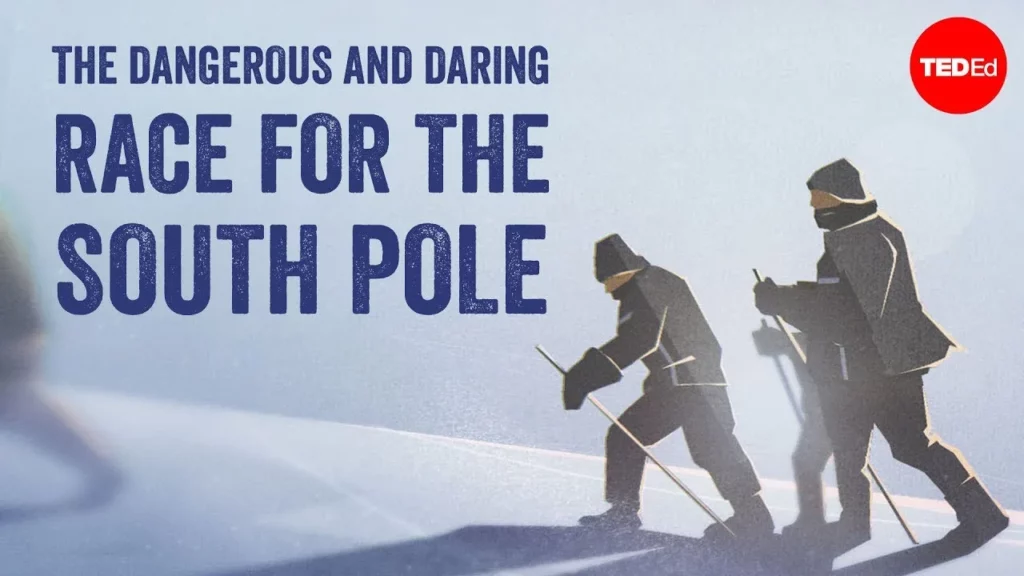
The lesson recounts the thrilling race to the South Pole between explorers Roald Amundsen and Robert F. Scott in the early 1900s. Amundsen, utilizing his Arctic experience and a focused strategy, reached the South Pole first on December 14, 1911, while Scott’s more complex expedition faced tragic consequences on the return journey. The legacies of both explorers are remembered today, highlighting their contributions to Antarctic exploration and research.
Inside the killer whale matriarchy – Darren Croft
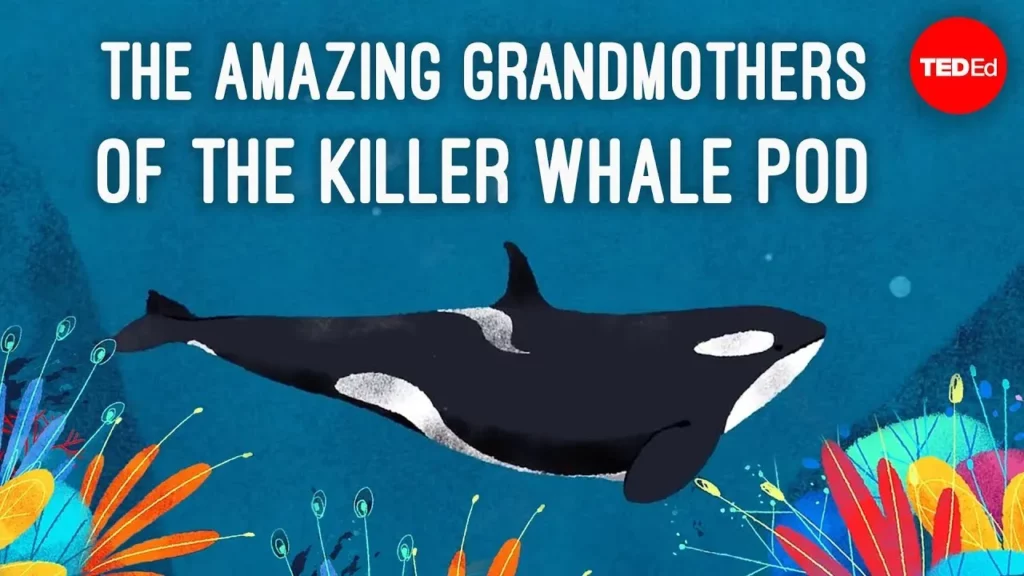
The lesson explores the vital role of killer whale grandmothers in the matriarchal structure of their pods, particularly among the Southern Resident population in the Pacific Northwest. These grandmothers, who can live over eighty years, become crucial leaders in hunting and resource management, especially as salmon populations decline due to environmental pressures. Their unique reproductive strategy, which includes ceasing to have calves after menopause, allows them to focus on supporting their family, highlighting the importance of their knowledge and experience for the survival of their pods.
From enslavement to rebel gladiator: The life of Spartacus – Fiona Radford
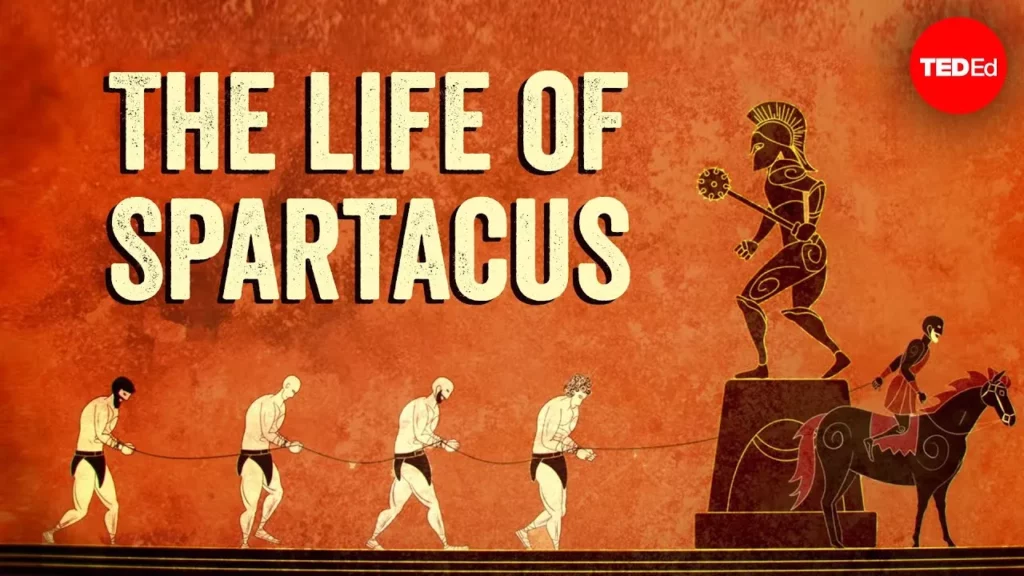
The lesson explores the life of Spartacus, a Thracian slave who transformed from a gladiator into a leader of a significant rebellion against the Roman Empire. Despite the harsh conditions of gladiatorial life, Spartacus led a daring escape and gathered a formidable force of escaped slaves and discontented peasants, challenging Roman authority through clever tactics and victories. Ultimately, although his rebellion was crushed and he was killed, Spartacus’s legacy endures as a symbol of freedom and resistance against oppression.
Can you solve the troll’s paradox riddle? – Dan Finkel
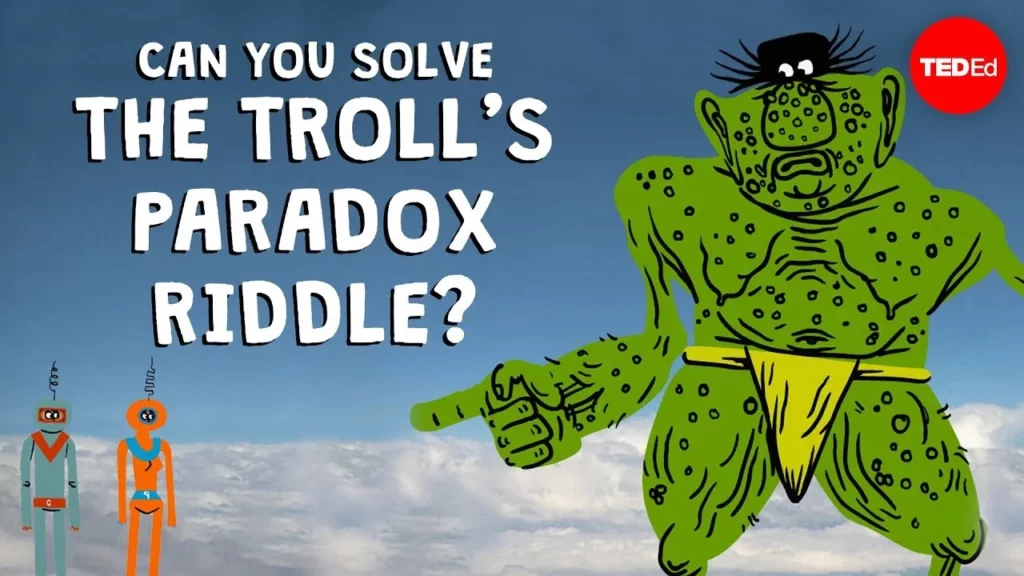
In this lesson, you and your brother encounter a troll who challenges you with a riddle to save captured creatures and your brother. By using coercive logic, you cleverly state, “You will free my brother,” which forces the troll to release both your brother and the creatures, as denying the statement would create a paradox. This clever solution highlights the power of logical reasoning in overcoming seemingly impossible challenges.
Can you solve the multiplying rabbits riddle? – Alex Gendler
In this lesson, you explore the multiplying rabbits riddle, where nano-rabbits reproduce rapidly in a pyramid of habitat cells. By analyzing the multiplication process and focusing on trailing zeros, you learn how to determine the final number of rabbits without calculating the entire figure, ultimately discovering that the bottom cell will contain an overwhelming 81-digit number, prompting a quick intervention to prevent a rabbit overload disaster. This riddle serves as an engaging way to understand multiplication and the significance of trailing zeros in large numbers.