
The truth about electroconvulsive therapy (ECT) – Helen M. Farrell
The lesson discusses the transformative impact of electroconvulsive therapy (ECT) on individuals suffering from severe depression, highlighting a nurse’s personal journey from debilitating depression to recovery through ECT. It outlines the evolution of ECT from its early, more dangerous forms to its current, safer practices, while emphasizing its effectiveness for patients who have not responded to other treatments. The lesson also addresses the stigma surrounding ECT and the importance of sharing personal experiences to foster understanding and acceptance of this life-changing therapy.
How CRISPR lets you edit DNA – Andrea M. Henle
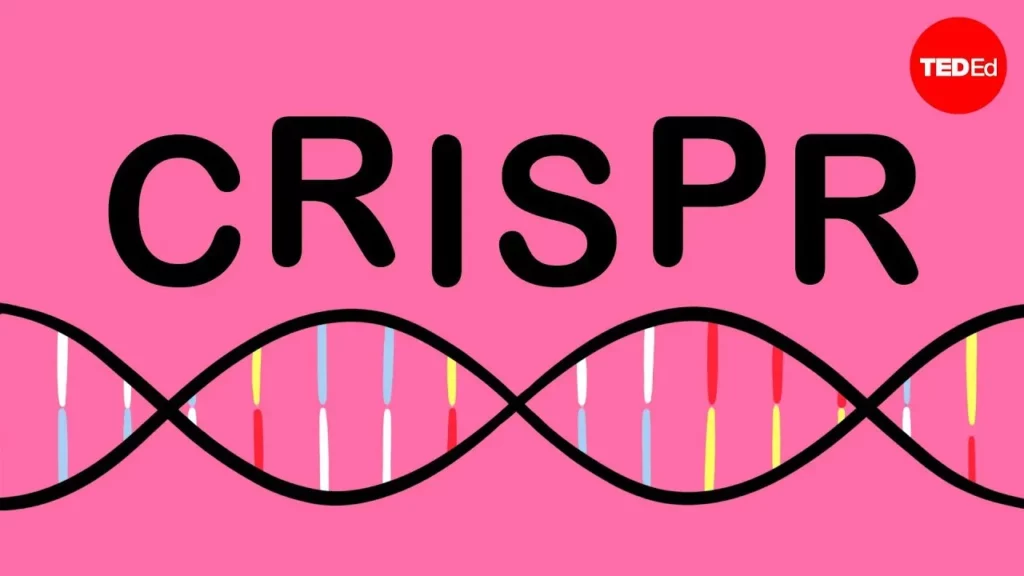
The lesson explains how CRISPR, a revolutionary gene-editing tool derived from a natural bacterial immune system, allows scientists to modify DNA with precision and efficiency. By utilizing guide RNA and Cas9 proteins, researchers can target and edit specific genes, offering potential solutions for genetic disorders and advancements in agriculture. However, the technology also presents ethical challenges and uncertainties regarding its long-term effects, necessitating careful consideration as it is applied across various fields.
How do ocean currents work? – Jennifer Verduin
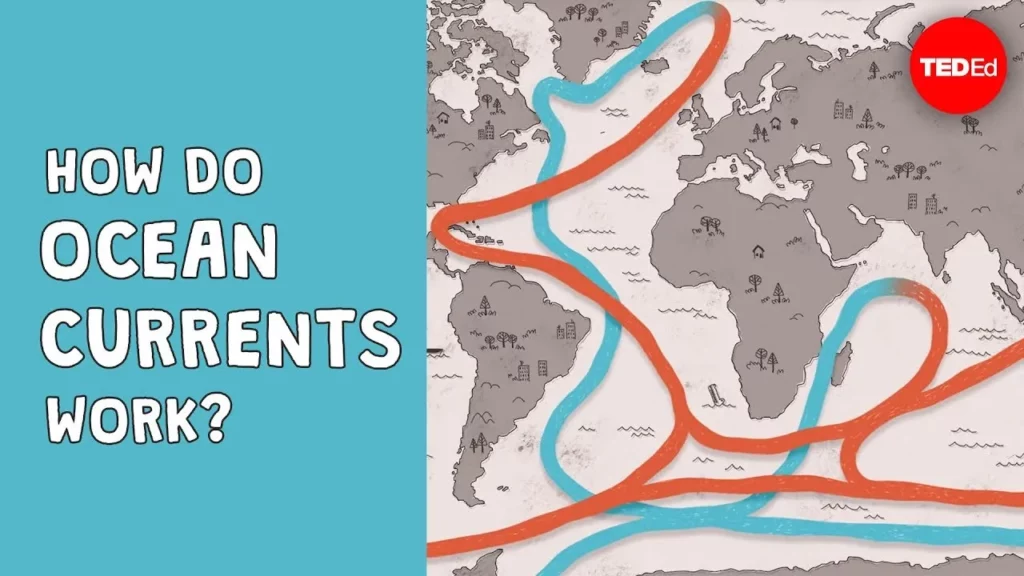
The lesson explains how ocean currents function, highlighting their role in global water movement and climate regulation. It describes the two main types of currents—surface and deep ocean currents—along with their driving forces, such as wind, tides, and water density changes. Additionally, the lesson emphasizes the impact of climate change on these currents, particularly the Global Conveyor Belt, which is vital for nutrient distribution and maintaining ocean ecosystems.
“The Road Not Taken” by Robert Frost
In “The Road Not Taken,” Robert Frost explores the theme of choices and their lasting impact on our lives through the metaphor of a fork in the road. The speaker reflects on the decision-making process, realizing that options that appear distinct may share similarities, and acknowledges the inevitability of moving forward without the possibility of retracing steps. Ultimately, the poem encourages us to thoughtfully consider our choices, embrace the journey, and recognize how each decision shapes our identity and experiences.
“All the World’s a Stage” by William Shakespeare
In the lesson “All the World’s a Stage,” Shakespeare’s metaphor of life as a theatrical performance illustrates the various stages of human existence, from infancy to old age. Each of the seven stages—infant, schoolboy, lover, soldier, justice, pantaloon, and the final return to childishness—highlights the unique experiences and challenges individuals face throughout their lives. This exploration encourages a deeper appreciation of the human journey and the roles we embody at different points in our lives.
Why should you read Shakespeare’s “The Tempest”? – Iseult Gillespie
In Iseult Gillespie’s lesson on Shakespeare’s “The Tempest,” the play is presented as a rich exploration of themes such as power, control, and colonialism, set against the backdrop of a magical storm on a remote island. Through the character of Prospero, who seeks revenge on his usurping brother while grappling with his own moral dilemmas, the play raises profound questions about justice, agency, and the nature of freedom. Ultimately, “The Tempest” serves as a reflection on the complexities of human relationships and the role of the audience in the storytelling process, marking it as a timeless piece of literature.
Will there ever be a mile-high skyscraper? – Stefan Al

The lesson explores the evolution of skyscraper design, highlighting Frank Lloyd Wright’s ambitious vision of a mile-high building in 1956, which faced skepticism due to engineering challenges. Today, advancements in materials and technology, such as stronger concrete and innovative elevator systems, are making the construction of extremely tall buildings feasible, suggesting that Wright’s dream may soon become a reality.
What is consciousness? – Michael S. A. Graziano
The lesson on “Understanding Consciousness: Insights from Neuroscience” explores the complex relationship between brain function and conscious awareness, illustrated through the case of a stroke patient, P.S., who exhibits hemispatial neglect. Despite her inability to consciously perceive stimuli on her left side, her brain still processes information, suggesting that consciousness may be an imperfect representation of the brain’s activity. Recent theories propose that consciousness arises from the brain’s self-models, which help us navigate our environment, although much about the neural computations underlying consciousness remains to be uncovered.
Notes of a native son: The world according to James Baldwin – Christina Greer
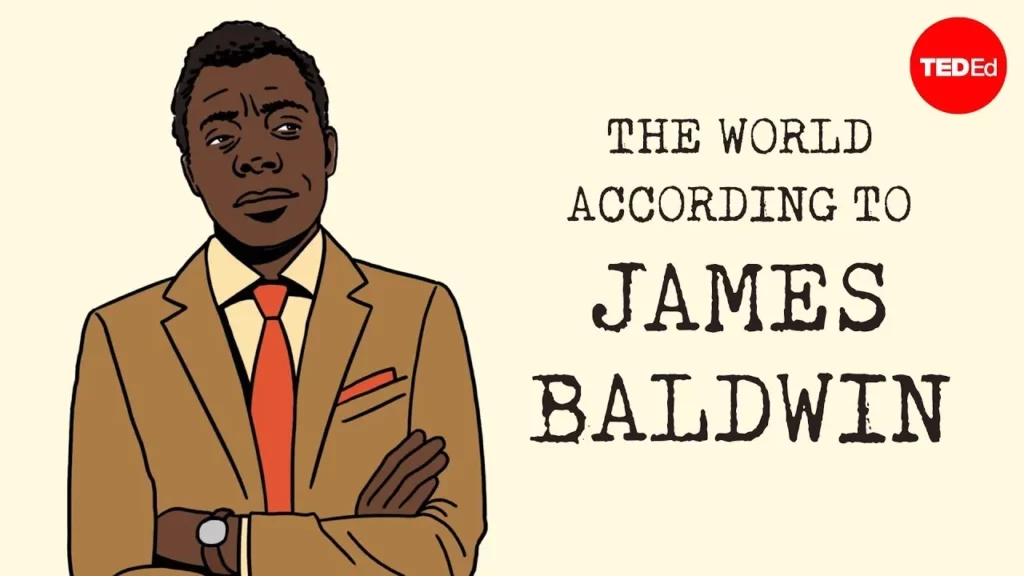
The lesson explores the life and impact of James Baldwin, a prominent Black author and thinker who faced significant scrutiny from the FBI during the 1960s. Born in Harlem and later moving to Paris, Baldwin’s writings, including *Notes of a Native Son* and *The Fire Next Time*, addressed racial injustice and the complexities of identity, while his active engagement in the Civil Rights movement positioned him as a crucial voice for social change. Despite feeling like an outsider at times, Baldwin’s eloquent insights continue to resonate, highlighting the interconnectedness of race, history, and personal experience.
Three ways the universe could end – Venus Keus
The lesson explores three potential scenarios for the end of the universe: the Big Freeze, the Big Rip, and the Big Crunch. The Big Freeze suggests a gradual cooling and isolation of galaxies as the universe continues to expand, while the Big Rip posits a catastrophic tearing apart of matter due to accelerating expansion. The Big Crunch envisions a reversal of expansion, leading to a collapse into a dense state, potentially followed by a cycle of expansion and contraction known as the Big Bounce. Current evidence indicates that the universe is likely heading towards a Big Freeze, but this process will take an extraordinarily long time, estimated at around 10^100 years.