
Why should you read sci-fi superstar Octavia E. Butler? – Ayana Jamieson and Moya Bailey
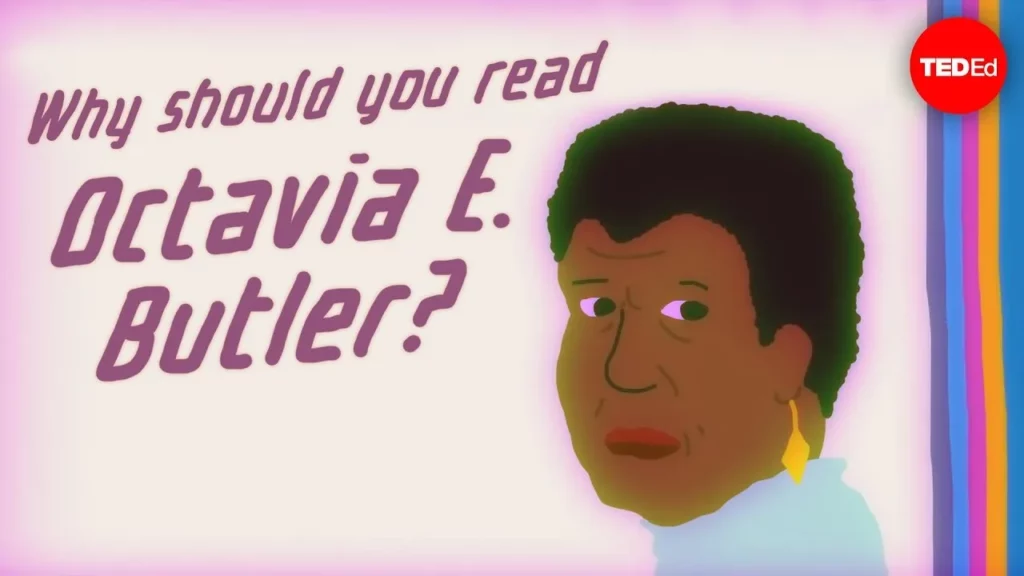
The lesson highlights the significance of Octavia E. Butler’s contributions to science fiction, emphasizing her unique ability to intertwine complex social issues such as race, gender, and class within her narratives. Through her acclaimed works like *Dawn*, *Parable of the Sower*, and *Kindred*, Butler not only challenges traditional sci-fi tropes but also inspires readers to confront societal dilemmas and re-examine history, ultimately paving the way for the Afrofuturism movement. Her legacy encourages a deeper understanding of change and its impact on both individuals and society.
The chaotic brilliance of artist Jean-Michel Basquiat – Jordana Moore Saggese
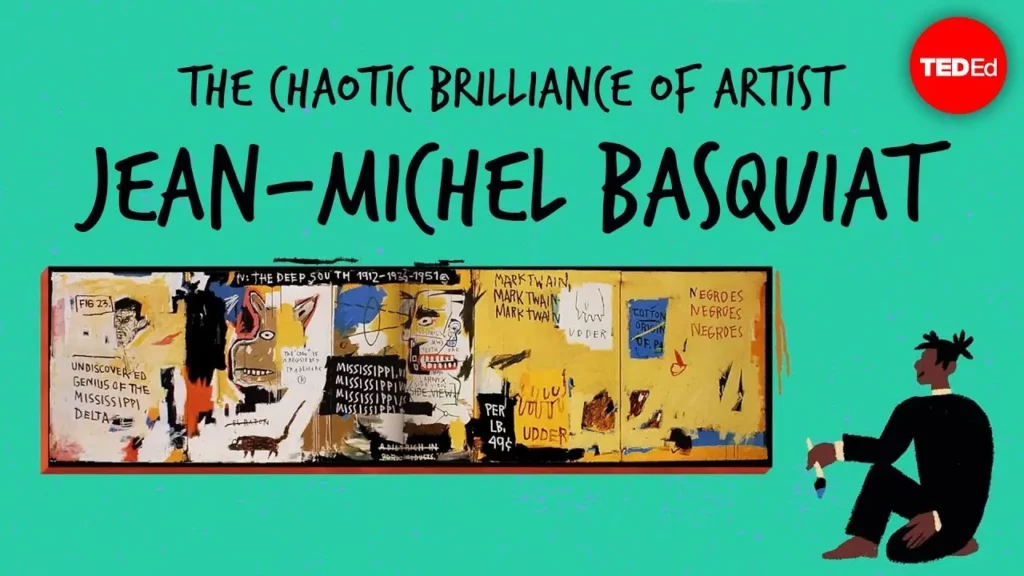
The lesson explores the life and artistic journey of Jean-Michel Basquiat, a self-taught artist who rose to prominence in the 1980s with his unique blend of graffiti, social commentary, and innovative techniques. Born to immigrant parents in Brooklyn, Basquiat’s work often addressed themes of identity, oppression, and the experiences of marginalized communities, leaving a lasting impact on contemporary art and culture. Despite his untimely death at 27, his legacy endures, influencing various artistic fields and commanding significant value in the art market.
The historic women’s suffrage march on Washington – Michelle Mehrtens
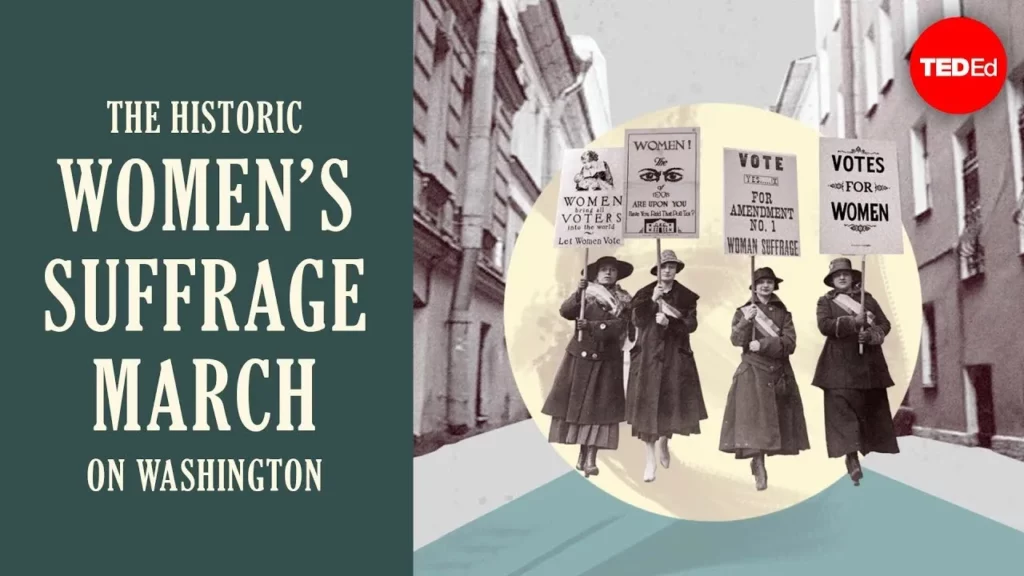
The Women’s Suffrage Parade on March 3, 1913, was a significant demonstration in Washington D.C., where thousands of women, led by activist Inez Milholland, gathered to demand the right to vote. Despite facing challenges, including attempts to marginalize African American activists, the event garnered national attention and sympathy for the suffragist cause, ultimately contributing to the ratification of the 19th Amendment in 1920, which granted women the right to vote. The parade highlighted the ongoing struggle for women’s rights and the diverse voices within the movement, marking a pivotal moment in the fight for political equality.
Why should you read Sylvia Plath? – Iseult Gillespie
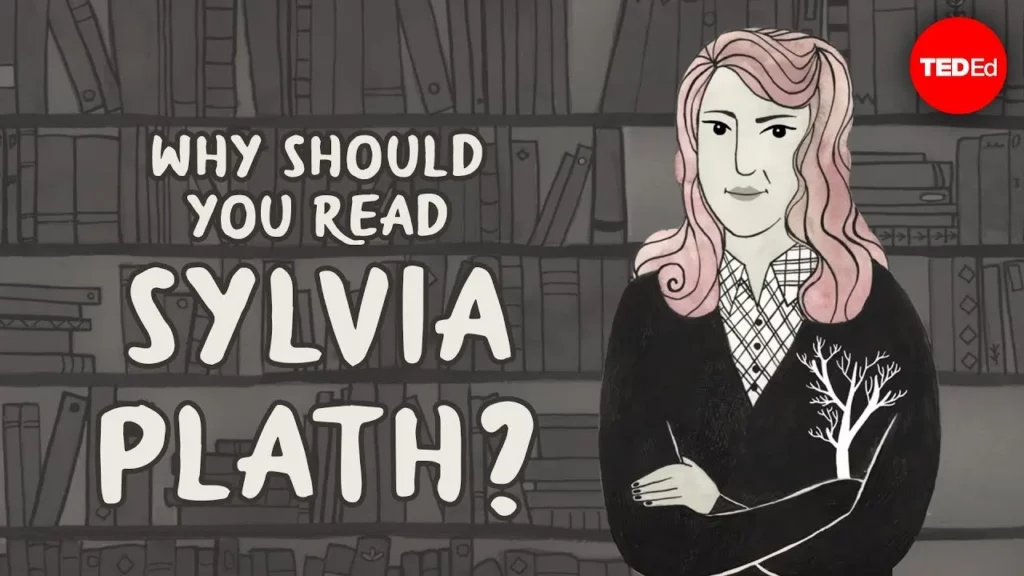
The lesson highlights the significance of Sylvia Plath’s contributions to literature, emphasizing her exploration of complex themes such as identity, choice, and mental health. Through her works, particularly *The Bell Jar* and *Ariel*, Plath captures the intricacies of human emotions and experiences, showcasing her unique ability to find beauty amidst struggle. Her legacy endures as her writing continues to resonate with readers, offering profound insights into the human condition.
Harvey Milk’s radical vision of equality – Lillian Faderman
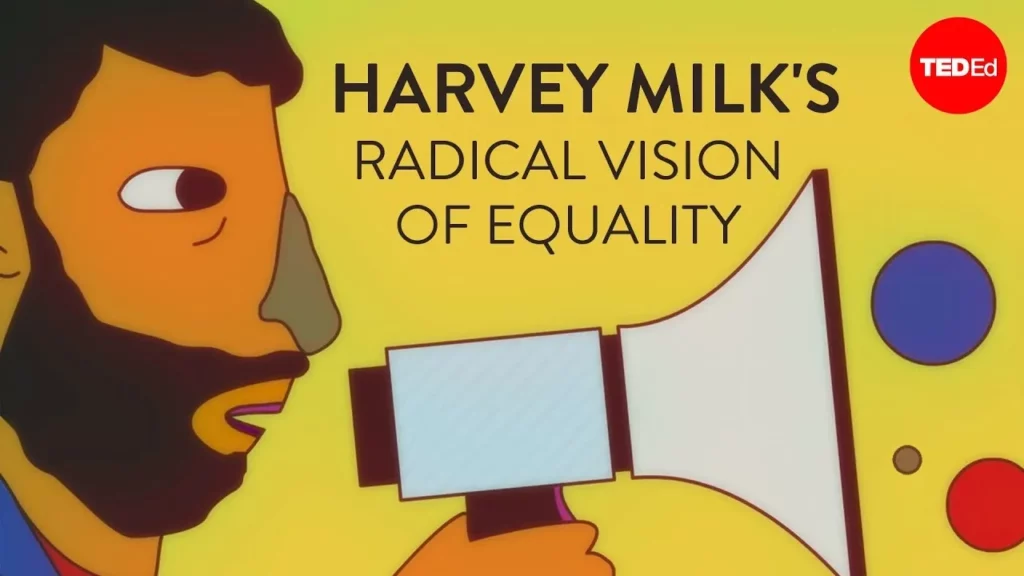
The lesson on Harvey Milk highlights his transformative journey from a diverse career to becoming a pioneering political figure advocating for LGBT rights in San Francisco. Despite facing significant challenges and initial electoral defeats, Milk’s radical vision for equality and community empowerment culminated in his historic election as one of the first openly gay public officials in the U.S. His legacy endures through his passionate activism, particularly against Proposition 6, and his enduring call for continued resistance against injustice, even after his tragic assassination.
The wicked wit of Jane Austen – Iseult Gillespie

The lesson on “The Wicked Wit of Jane Austen” explores how Austen’s clever and playful writing style creates a personal connection with readers, allowing them to engage in a witty conversation about society, romance, and human nature. Through her memorable heroines and sharp social commentary, Austen navigates the complexities of love and financial security in the early 1800s, highlighting the flaws and humor in her characters’ lives. Her timeless appeal lies in the relatable struggles of her characters, ensuring that her insights into human behavior remain relevant across generations.
“First Kiss” by Tim Seibles
The lesson “First Kiss: A Journey of Emotions” explores the transformative power of a first kiss, depicting it as a magical experience that elevates the ordinary to the extraordinary. Through vivid imagery and emotional depth, it illustrates how this intimate moment can liberate the heart, foster connection, and open up a world of endless possibilities, ultimately serving as a profound emotional journey that leaves a lasting impact on the soul.
How to biohack your cells to fight cancer – Greg Foot
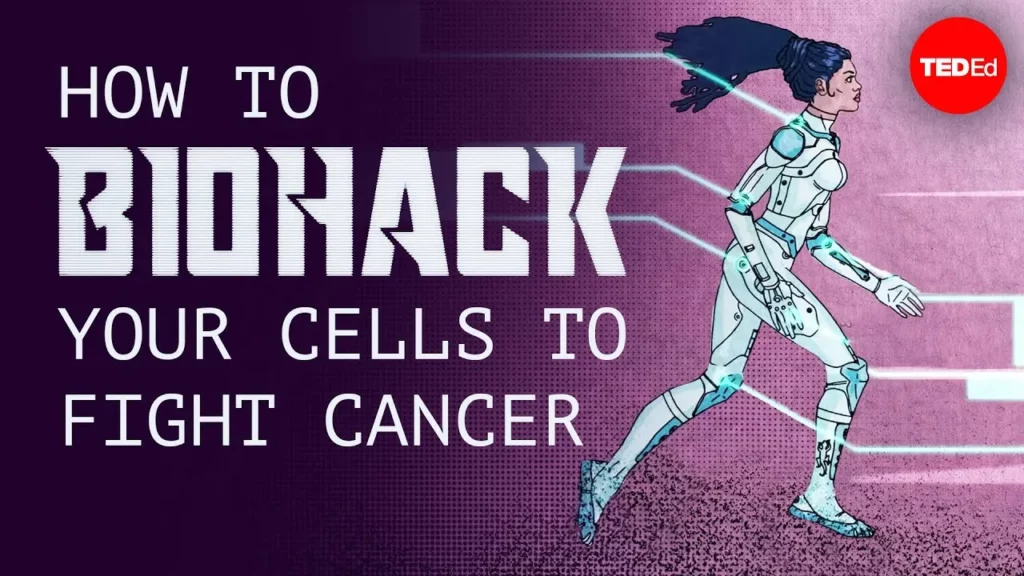
The lesson explores the concept of biohacking cells to combat cancer, highlighting the evolutionary imperfections in DNA replication that can lead to health issues, including cancer. It emphasizes the role of synthetic biology, particularly CAR T-cell therapy, which reprograms a patient’s immune cells to recognize and destroy cancer cells more effectively. Despite challenges such as cost and specificity, advancements in this field hold promise for improving cancer treatment outcomes and enhancing the body’s natural defenses.
The surprising reason our muscles get tired – Christian Moro
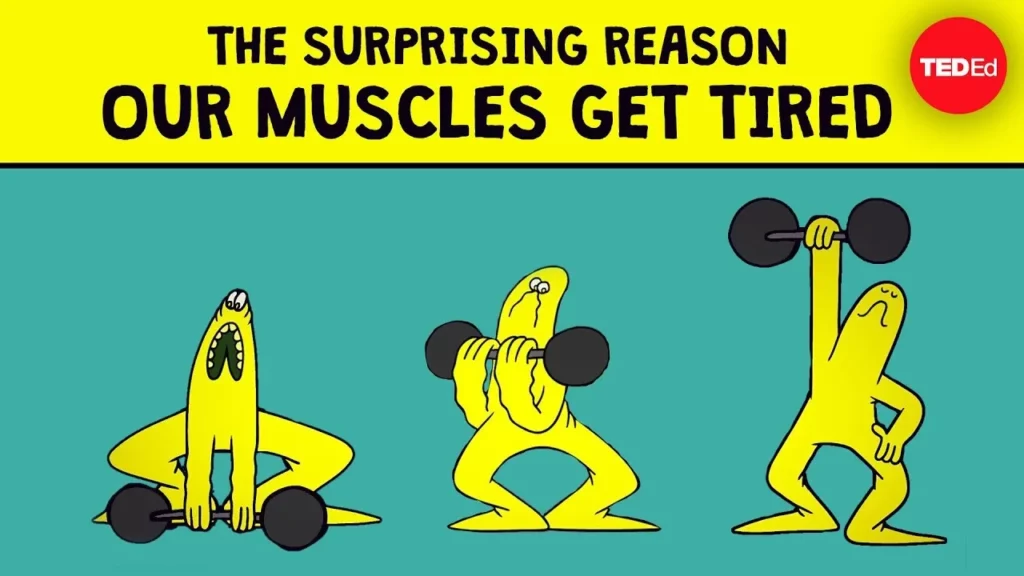
The lesson explains that muscle fatigue during exercise is primarily due to the depletion of ions and the efficiency of communication between the brain and muscles, rather than just lactic acid buildup or energy depletion. As muscles contract, they use ATP and experience ion imbalances, which can hinder their ability to respond to signals from the brain. Regular exercise can enhance muscle strength and endurance by improving energy management and ion replenishment, allowing for longer and more effective workouts.
The hidden network that makes the internet possible – Sajan Saini
The lesson discusses the revolutionary advancements in data transmission through fiber optics, highlighting a 2012 achievement where researchers transmitted 1 petabit of data in one second over a specialized fiber optic cable. It explains the transition from copper wires to fiber optics, emphasizing the benefits of total internal reflection and the ability of fiber optics to carry vast amounts of data over long distances with minimal degradation. The lesson also explores the future of communication through integrated photonics, which aims to enhance data centers and wireless connectivity by converting electrical signals to optical signals, paving the way for faster and more efficient communication systems.