
Titan of terror: the dark imagination of H.P. Lovecraft – Silvia Moreno-García
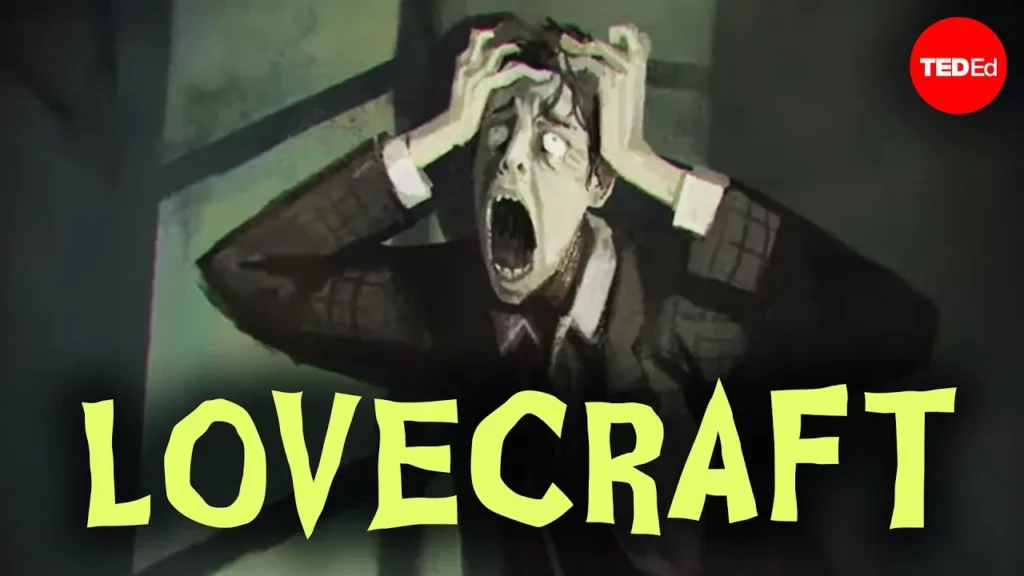
The lesson explores the profound impact of H.P. Lovecraft on modern horror literature, highlighting his unique blend of scientific elements and cosmic terror that reflects the anxieties of his time. Lovecraft’s creation of a shared universe, the Cthulhu Mythos, and his exploration of the unknown have inspired numerous authors, despite his personal prejudices. Ultimately, Lovecraft’s legacy endures as a testament to humanity’s enduring fear of the unknown and the madness that can accompany discovery.
How does the stock market work? – Oliver Elfenbaum

The lesson explains the origins and functioning of the stock market, tracing its beginnings to the Dutch East India Company in the 1600s, which allowed individuals to invest in its voyages in exchange for profit shares. It outlines how companies today raise funds through initial public offerings (IPOs) and how stock ownership allows investors to become part-owners of businesses, influencing stock prices based on company performance and market confidence. Additionally, it emphasizes the accessibility of investing in the stock market for everyday individuals, encouraging them to learn and participate in this economic system.
Why is this painting so shocking? – Iseult Gillespie
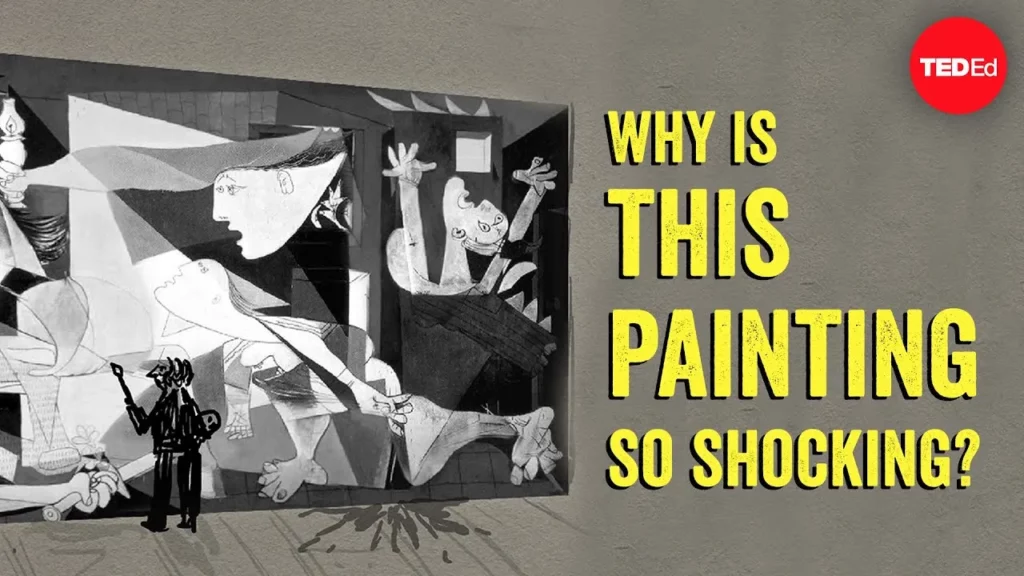
The lesson explores Pablo Picasso’s “Guernica,” a monumental anti-war mural created in response to the devastating bombing of the Basque village of Guernica during the Spanish Civil War. Through its chaotic Cubist style and rich symbolism, the painting conveys the horrors of war, depicting themes of suffering, defeat, and entrapment, while also serving as a powerful political protest against fascism. Despite its complexity, “Guernica” remains a poignant reminder of the human cost of violence and continues to resonate as a significant piece of anti-war art.
“Accents” by Denice Frohman
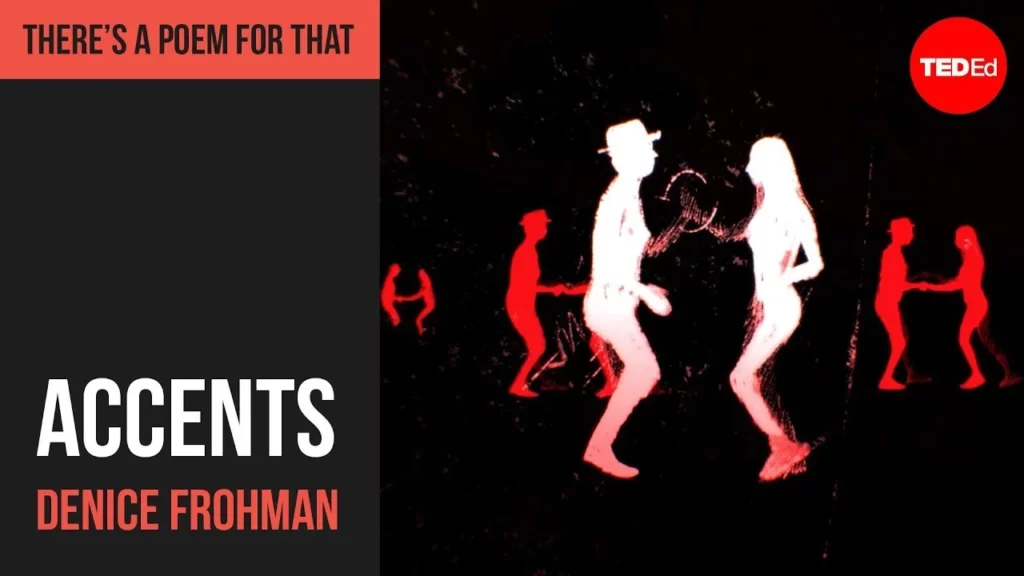
In the lesson “Accents: A Celebration of Culture and Identity,” Denice Frohman emphasizes the significance of accents as a reflection of personal and cultural identity. Through the vibrant example of her mother’s unique blend of Spanish and English, she illustrates how accents not only enrich communication but also foster connections and celebrate heritage. Ultimately, the lesson encourages embracing our accents as integral parts of who we are, highlighting their role in connecting us to our roots and communities.
How this disease changes the shape of your cells – Amber M. Yates
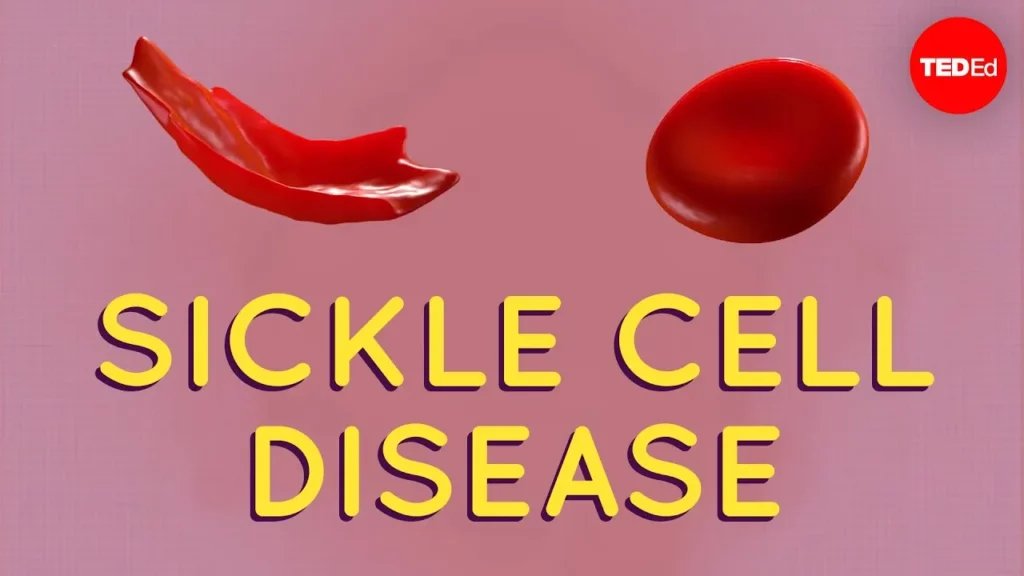
The lesson discusses sickle-cell disease, a genetic condition that alters the shape of red blood cells, making them rigid and sickle-shaped due to a mutation in hemoglobin. This change impairs the cells’ ability to transport oxygen effectively, leading to severe pain and various complications as they block blood flow in vessels. While the mutation originally provided protection against malaria, advancements in treatment are now offering new hope for patients, including innovative medications and potential gene therapies.
The Chinese myth of the immortal white snake – Shunan Teng
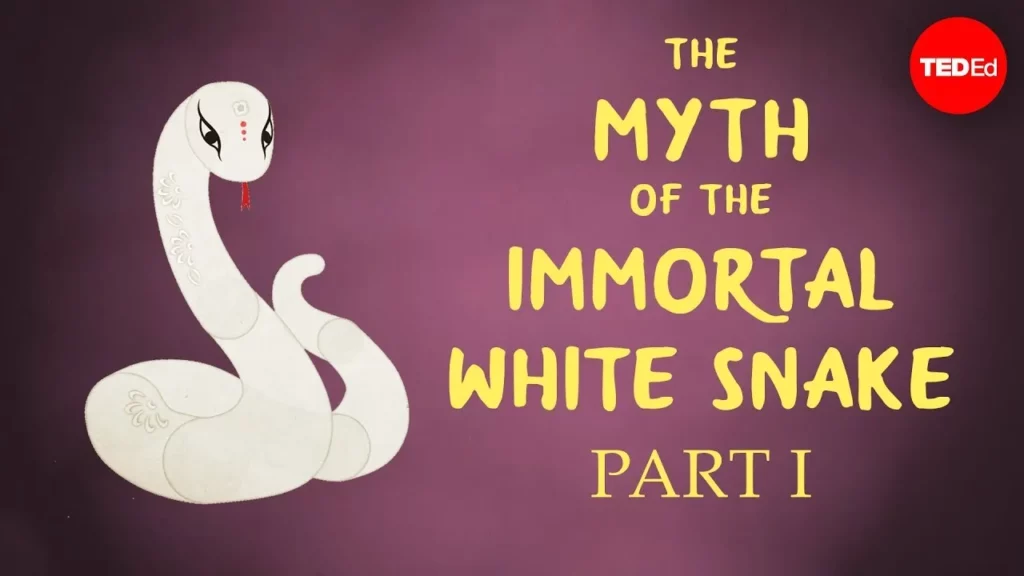
The lesson of “The Chinese Myth of the Immortal White Snake” illustrates the power of love and sacrifice, as demonstrated by Bai Su Zhen’s determination to save her husband, Xu Xian, despite the challenges posed by her true identity as an immortal white snake. The story emphasizes that true love can overcome obstacles, including fear and misunderstanding, ultimately leading to a joyful reunion. It also highlights themes of loyalty, the consequences of deception, and the importance of recognizing the deeper connections between individuals.
The Aztec myth of the unlikeliest sun god – Kay Almere Read
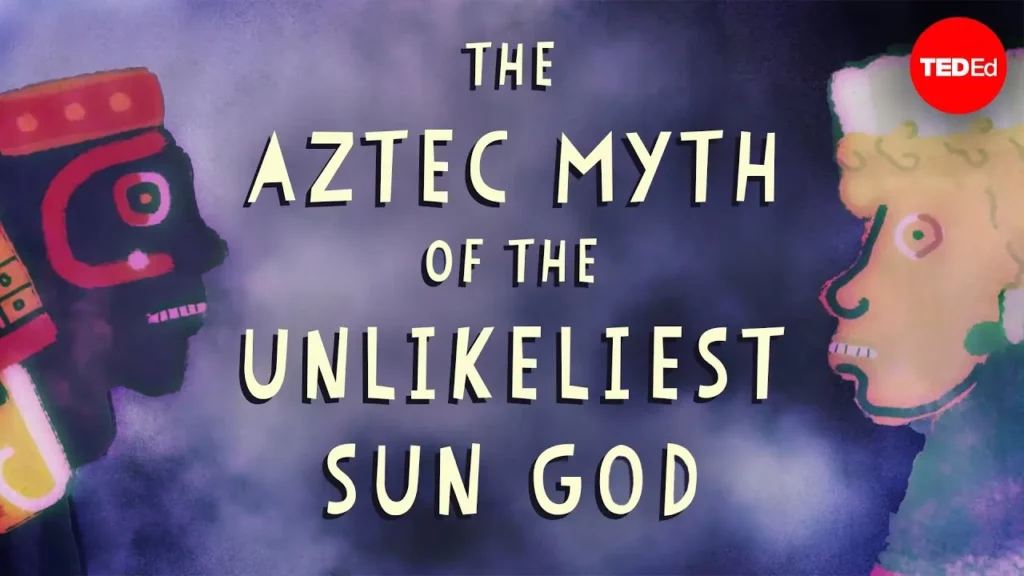
The Aztec myth of Nanahuatl, the unlikeliest sun god, illustrates the themes of humility, bravery, and sacrifice. Despite being the least powerful deity, Nanahuatl courageously volunteered to leap into a bonfire to become the new sun after previous worlds had been destroyed. His determination inspired other gods to sacrifice themselves, ensuring the sun’s journey across the sky and emphasizing the importance of mutual support and selflessness in overcoming challenges.
How do self-driving cars “see”? – Sajan Saini
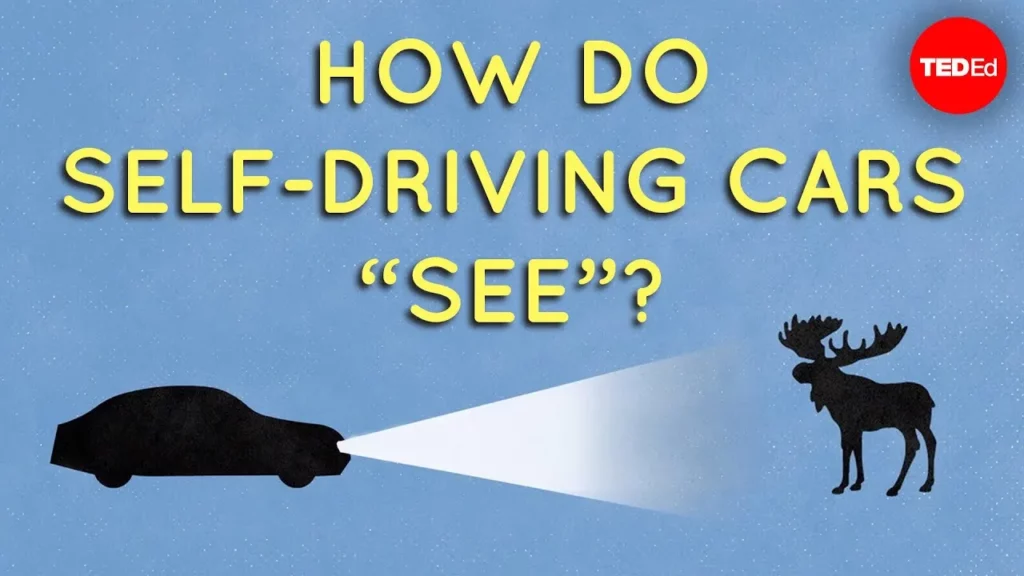
In the lesson “How Do Self-Driving Cars ‘See’?” by Sajan Saini, the focus is on the advanced technologies that enable self-driving cars to navigate their surroundings autonomously. Key technologies discussed include LIDAR, which uses laser pulses to detect and analyze objects with high precision, and integrated photonics, which enhances the stability and accuracy of these measurements. The lesson highlights the evolution of LIDAR systems from bulky components to miniaturized chips, paving the way for improved obstacle detection and navigation capabilities in future self-driving vehicles.
Can a black hole be destroyed? – Fabio Pacucci

The lesson explores the nature of black holes, highlighting their destructive power and the concept of their potential “evaporation” through Hawking radiation, a theory proposed by Stephen Hawking in 1974. While black holes absorb matter and grow larger, they may gradually lose mass over an incredibly long timescale, eventually leading to their demise in a final burst of energy. Despite the slow process of evaporation, the lesson suggests that black holes, often viewed as indestructible, could ultimately cease to exist, transforming the universe into a cold and dark expanse.
The mysterious science of pain – Joshua W. Pate
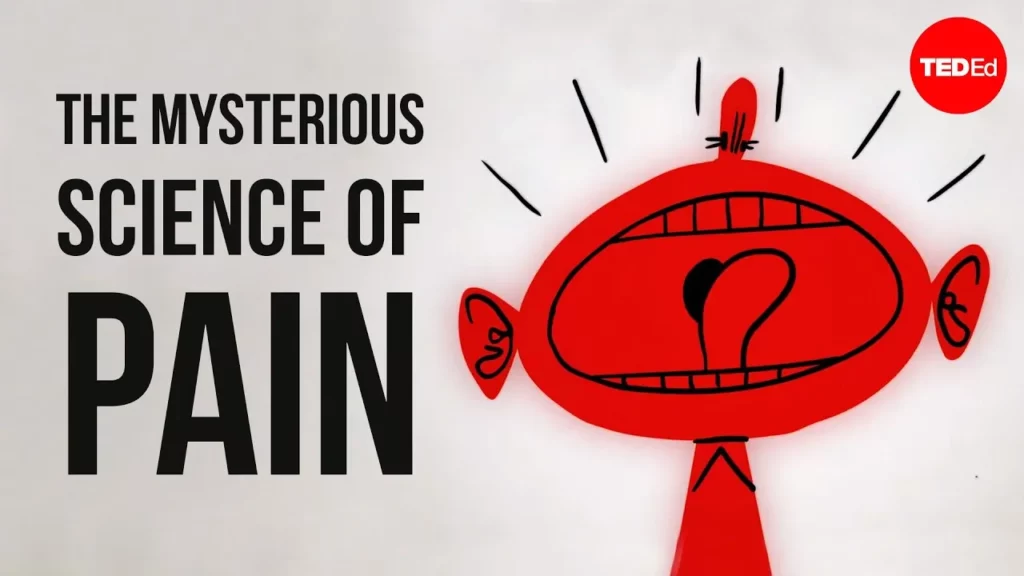
The lesson “The Mysterious Science of Pain” explores the complex nature of pain, highlighting that it is not solely a direct response to injury but is influenced by various biological, psychological, and environmental factors. Through the case of a builder who experienced intense pain despite no actual injury, the lesson illustrates how nociception and individual perceptions can lead to pain experiences that are disproportionate to physical damage. Ongoing research into the mechanisms of pain, including the role of glial cells and potential genetic therapies, promises to enhance our understanding and treatment of pain in the future.