
The Japanese folktale of the selfish scholar – Iseult Gillespie
The Japanese folktale of the Selfish Scholar follows a dedicated Shinto scholar in ancient Kyoto who embarks on a solitary pilgrimage to a sacred shrine to achieve spiritual purity. Initially focused solely on his personal quest, he encounters a woman in distress and chooses to help her, leading to a transformative realization that true purification involves compassion and connection with others. Ultimately, the scholar learns that spiritual enlightenment comes not from isolation, but from engaging with the world and helping those in need.
“Jabberwocky”: One of literature’s best bits of nonsense
In this lesson, we explore Lewis Carroll’s whimsical poem “Jabberwocky,” which, despite its nonsensical language, tells an exciting story of adventure and bravery. The poem features a father warning his son about the fearsome Jabberwock, leading to a thrilling battle that ultimately ends in victory. Through this exploration, students are encouraged to appreciate the creativity of language and even create their own nonsense words and poems.
Is life meaningless? And other absurd questions – Nina Medvinskaya
In this lesson, we explore Albert Camus’ philosophy of the Absurd, which posits that life is inherently meaningless, yet humans are driven to seek meaning in an indifferent universe. Through his works, such as “The Stranger” and “The Myth of Sisyphus,” Camus illustrates the struggle against absurdity and advocates for embracing life despite its futility, ultimately suggesting that the choice to live is a profound expression of freedom. His ideas on revolt emphasize the importance of shared humanity and creative resistance, leaving a lasting impact on literature and philosophy.
How to perform brain surgery without making a single cut – Hyunsoo Joshua No
The lesson explains the innovative procedure of stereotactic radiosurgery, a non-invasive brain surgery that utilizes targeted beams of radiation to destroy tumors without any cuts or blood loss. It highlights the importance of precise imaging techniques, such as CT and MRI scans, to accurately map the tumor’s location and shape, allowing for effective treatment while minimizing damage to surrounding healthy tissue. Additionally, the lesson discusses the broader applications of this technology in treating various tumors and neurological conditions, emphasizing its advantages over traditional surgical methods.
The problem with the U.S. bail system – Camilo Ramirez
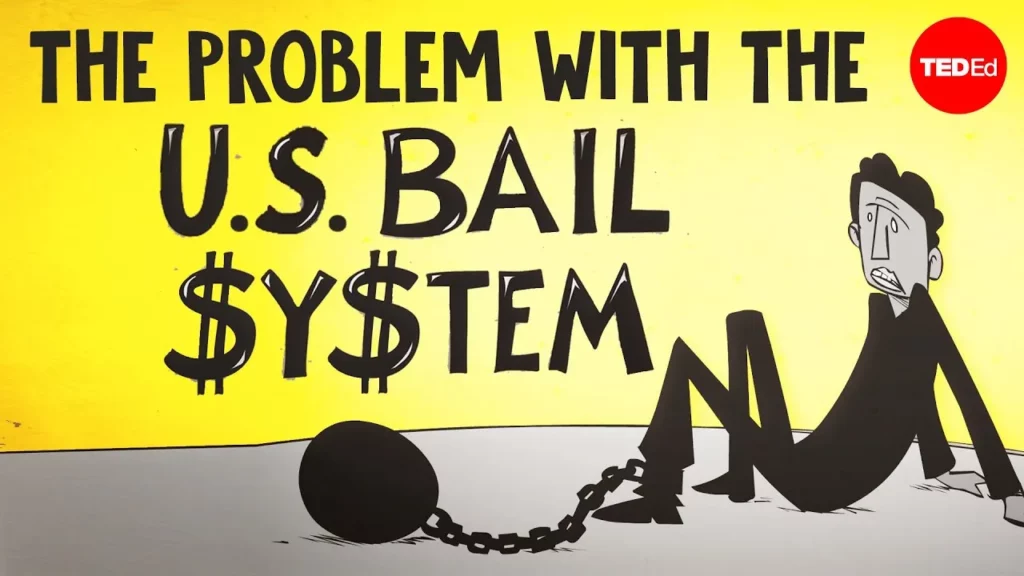
The lesson discusses the shortcomings of the U.S. bail system, which has led to a significant increase in pretrial incarceration despite stable crime rates. It highlights how the reliance on cash bail disproportionately affects low-income individuals and communities of color, often forcing innocent defendants to plead guilty to avoid prolonged detention. The lesson also explores alternatives to cash bail, such as those implemented in Washington, D.C., and emphasizes the need for reform to ensure a fairer and more equitable justice system.
The myth of the stolen eyeballs – Nathan D. Horowitz
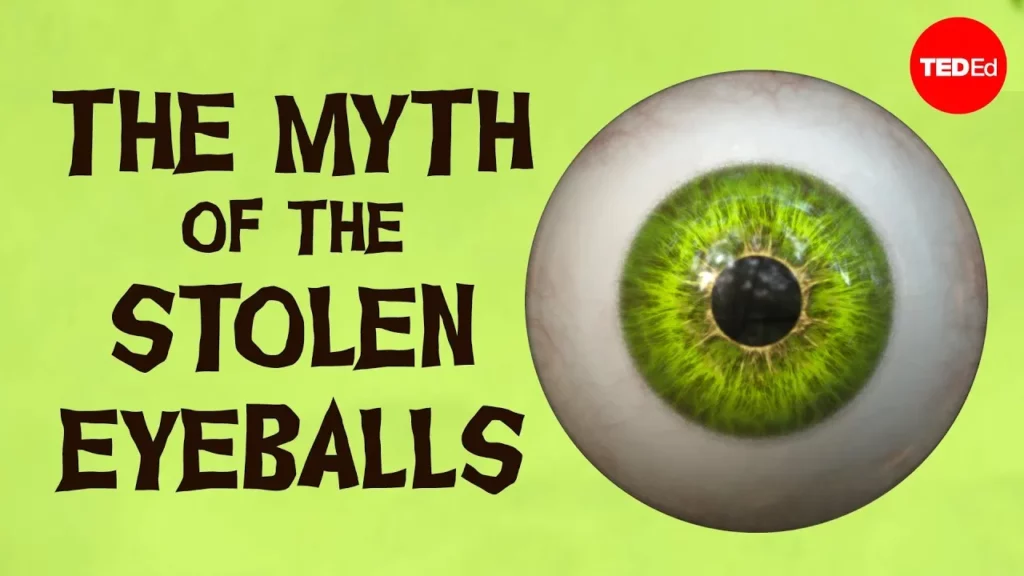
The lesson from “The Myth of the Stolen Eyeballs” emphasizes the interconnectedness of the spiritual and natural worlds, illustrating that appearances can be deceiving and that actions have consequences. It highlights the importance of heeding wisdom and guidance, as well as the potential for renewal and learning even in the face of adversity. Ultimately, the story conveys that respecting the balance between humans and nature can lead to new beginnings and valuable lessons.
Who owns the “wilderness”? – Elyse Cox
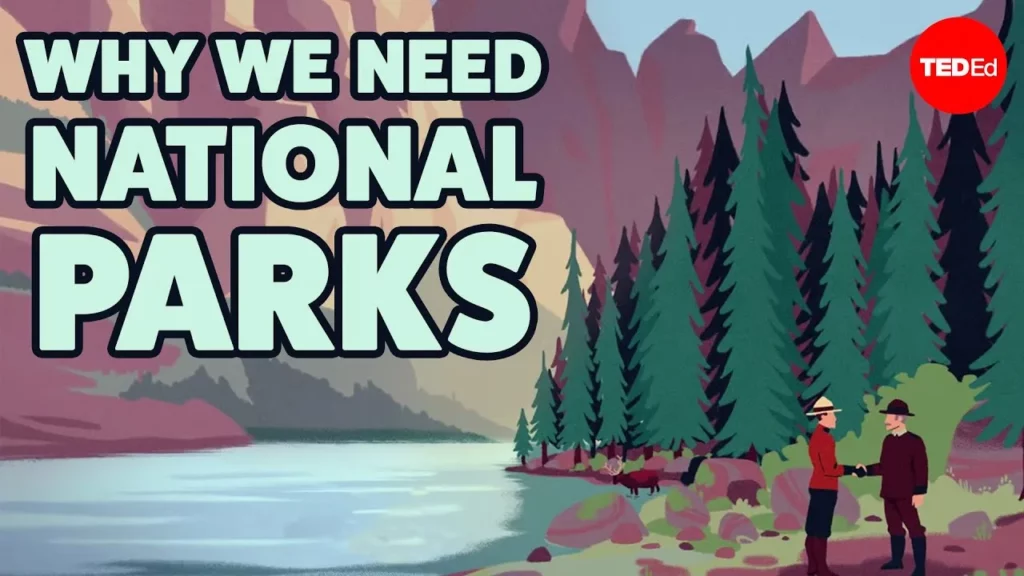
The lesson “Who Owns the ‘Wilderness’?” by Elyse Cox explores the historical context and ongoing challenges of land preservation in the United States, particularly focusing on Yosemite and the establishment of national parks. It highlights President Theodore Roosevelt’s pivotal role in expanding protected lands and the creation of the National Park Service in 1916, which aimed to balance conservation with public access. Additionally, the lesson addresses the complex legacy of national parks, including the displacement of Native American communities and the importance of involving indigenous perspectives in modern park management.
Can you solve the riddle and escape Hades? – Dan Finkel
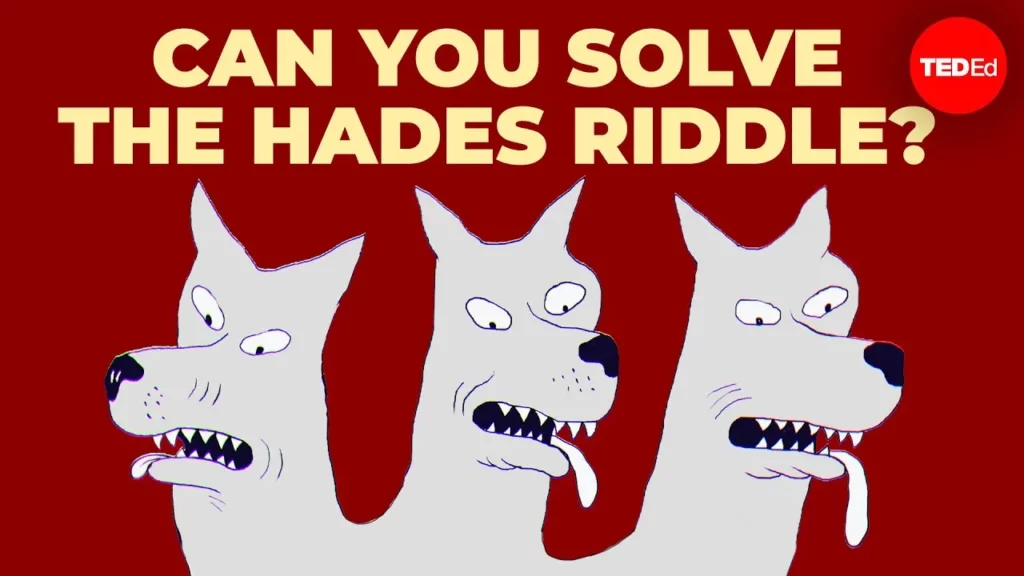
In this lesson, you are faced with the challenge of determining the best position in line to maximize your chances of being chosen by Cerberus to escape the underworld. By analyzing the probabilities associated with each position, you discover that standing in the third spot offers the highest chance of survival, approximately 60%. With this strategic insight, you successfully convince Hermes to place you in the optimal position, enhancing your likelihood of returning to the living world.
Could we steal the power of a black hole? – Fabio Pacucci

The lesson explores the potential of harnessing energy from black holes as humanity seeks to expand beyond Earth and establish a galactic civilization. It discusses the Kardashev Scale, which measures the energy needs of civilizations, and highlights the efficiency of black holes’ accretion disks as a possible energy source. The concept of a Dyson ring is proposed as a feasible method for capturing this energy, emphasizing the importance of innovative energy solutions for future technological advancements and sustainability.
Can you outsmart the fallacy that started a witch hunt? – Elizabeth Cox
The lesson explores the historical context of the 1950s witch hunt led by Senator Joseph McCarthy, highlighting how his unfounded accusations against individuals like lawyer Dorothy Kenyon exemplified the logical fallacy known as the “argument from ignorance.” This fallacy occurs when a claim is assumed true simply because it hasn’t been disproven, emphasizing the critical importance of the burden of proof resting on the claimant. Ultimately, the lesson underscores the necessity of critical thinking and skepticism in evaluating claims, particularly those lacking solid evidence, to prevent the spread of misinformation and unjust consequences.