
The other “Golden Rule” – David L. Hu
In “The Other Golden Rule,” David L. Hu explores how mammals, regardless of size, manage to urinate quickly due to consistent bladder pressure and the influence of gravity on urine flow. The length and width of the urethra play crucial roles in this process, allowing larger animals like elephants to pee in a similar timeframe as smaller animals like cats. This efficiency is vital for survival, helping animals avoid predators and eliminate harmful germs, although there are exceptions based on behavior and environmental factors.
Why do you get a fever when you’re sick? – Christian Moro
The lesson explores the historical context and biological significance of fever, particularly in relation to its use in treating syphilis through malaria-induced fevers in the early 20th century. It explains how fever is a complex physiological response that enhances the immune system’s ability to combat infections by increasing the activity of immune cells and inhibiting pathogen replication. Additionally, the lesson discusses the ongoing debate among medical professionals regarding the management of fever, emphasizing the need for individualized treatment based on various patient factors.
Which bag should you use? – Luka Seamus Wright and Imogen Ellen Napper
The lesson explores the environmental impacts of different types of grocery bags—plastic, paper, and cotton—highlighting that while plastic bags have a smaller carbon footprint, their durability and long decomposition time pose ecological risks. It emphasizes the importance of reusing and recycling bags to minimize their environmental impact, noting that the best choice for sustainability is a durable, reusable bag made from materials like polyester or vinyl, which combines the benefits of lower carbon emissions with longevity. Ultimately, the lesson encourages consumers to consider both the production and lifecycle of bags when making environmentally conscious choices.
The myth of Loki and the deadly mistletoe – Iseult Gillespie
The lesson recounts the tragic story of Baldur, the beloved son of Odin, who is killed by a mistletoe spear due to Loki’s deceitful trickery. Despite Queen Frigg’s efforts to protect Baldur by securing promises from all living things, she overlooked the mistletoe, leading to his demise. The tale concludes with Hermod’s brave journey to the underworld to retrieve Baldur, ultimately revealing Loki’s treachery and resulting in his punishment by the gods.
The most colorful gemstones on Earth – Jeff Dekofsky

The lesson explores the fascinating world of opals, highlighting the discovery of the Halley’s Comet opal by the Lunatic Hill Syndicate in Australia and the unique beauty of opals characterized by their “play of color.” It delves into the formation of opals from silica-rich water and the scientific principles behind their vibrant colors, emphasizing the rarity of precious opals and their diverse patterns, primarily found in Australia. The lesson concludes with a thought-provoking reflection on the future of opals and the potential for new opalescent displays emerging from human artifacts over time.
Can you solve the monster duel riddle? – Alex Gendler
In the lesson “Can You Solve the Monster Duel Riddle?”, participants navigate a Diskymon league competition, making strategic choices about which disk to use based on the probabilities of summoning different levels of Diskymon. The lesson emphasizes the importance of understanding odds and making informed decisions, illustrating that the best choice may not always be the most straightforward one. Ultimately, it highlights how probability and strategy can lead to success in both gaming scenarios and real-life situations.
Building the world’s largest (and most controversial) power plant – Alex Gendler
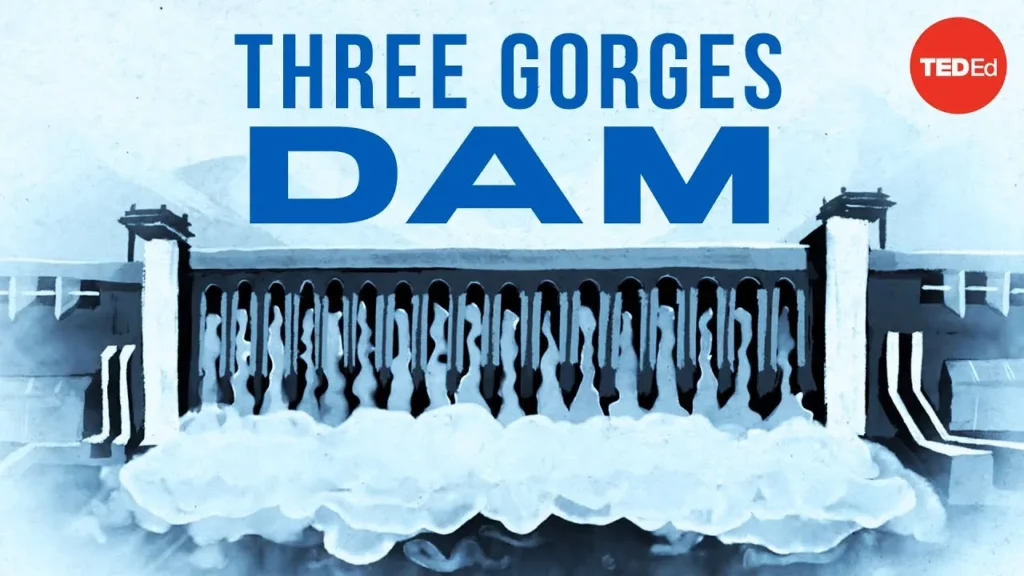
The lesson discusses the Three Gorges Dam in China, the world’s largest hydroelectric power plant, which generates more energy than any other facility by harnessing the flow of the Yangtze River. While it provides significant benefits such as flood control and increased shipping capacity, the dam has also faced criticism for displacing over 1.4 million people and flooding historical sites. The lesson highlights the ongoing competition in hydroelectric power generation and emphasizes the need for sustainable practices that consider both environmental and human impacts.
This thought experiment will help you understand quantum mechanics – Matteo Fadel

This lesson uses a playful thought experiment involving a game of Quantum Foosball to illustrate key concepts of quantum mechanics, such as the Heisenberg Uncertainty Principle, wave-particle duality, and quantum tunneling. Players must navigate the complexities of controlling an electron’s probability distribution and utilize advanced techniques like the Quantum Zeno Maneuver and superposition to enhance their gameplay, thereby deepening their understanding of quantum behavior in a fun and engaging way.
What happens when you die? A poetic inquiry
In her poem “Because I could not stop for Death,” Emily Dickinson personifies Death as a kind companion who guides the speaker on a reflective journey through life and into the afterlife. The poem explores themes of mortality, the passage of time, and the transition from life to eternity, ultimately presenting death as a natural and gentle process rather than something to fear. Through vivid imagery and thoughtful contemplation, Dickinson encourages readers to consider their own lives and the lasting impact they leave behind.
The spear-wielding stork who revolutionized science – Lucy Cooke
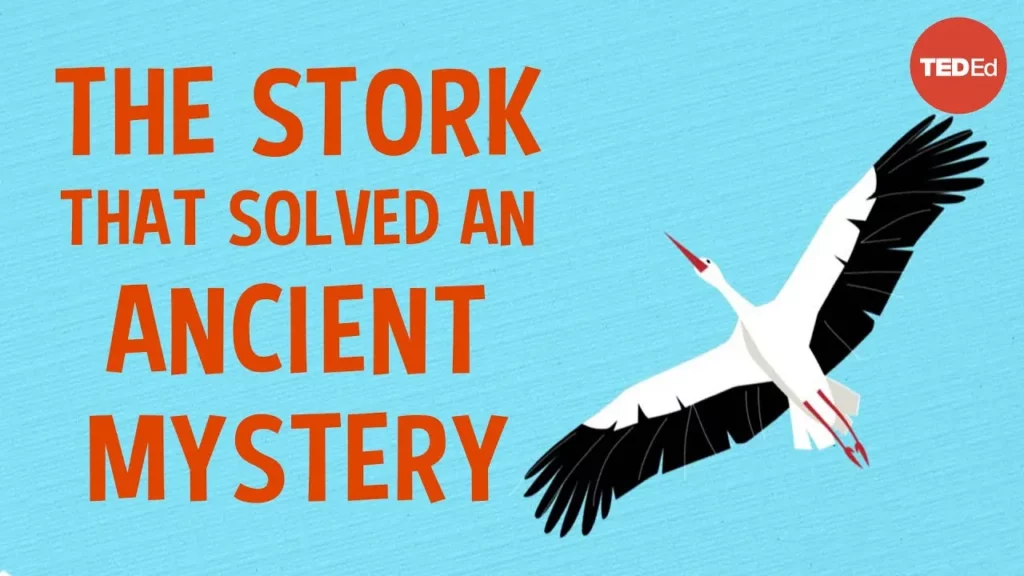
The lesson highlights the remarkable discovery of a stork shot in Germany that had traveled over 2,500 kilometers from Africa with a spear embedded in its body, shedding light on the long-standing mystery of bird migration. It contrasts historical misconceptions about bird behavior, such as hibernation and transformation into other creatures, with the reality of migration, where many bird species undertake extensive journeys for survival. The efforts of Johannes Thienemann in tagging storks further advanced the understanding of migration patterns, ultimately revealing the true nature of these incredible avian travels.