
The strange history of the world’s most stolen painting – Noah Charney

The lesson explores the tumultuous history of the Ghent Altarpiece, the most stolen painting in the world, detailing its thefts, particularly the 1934 incident and its significance during World War II when it caught Hitler’s attention. Despite extensive restorations revealing hidden details and alterations, the mystery of the missing panel from 1934 remains unsolved, with ongoing investigations and intriguing clues still emerging. The Altarpiece, created by Jan van Eyck, is celebrated for its innovative use of oil paint and intricate detail, solidifying its status as a masterpiece of European art.
A day in the life of an ancient Babylonian business mogul – Soraya Field Fiorio
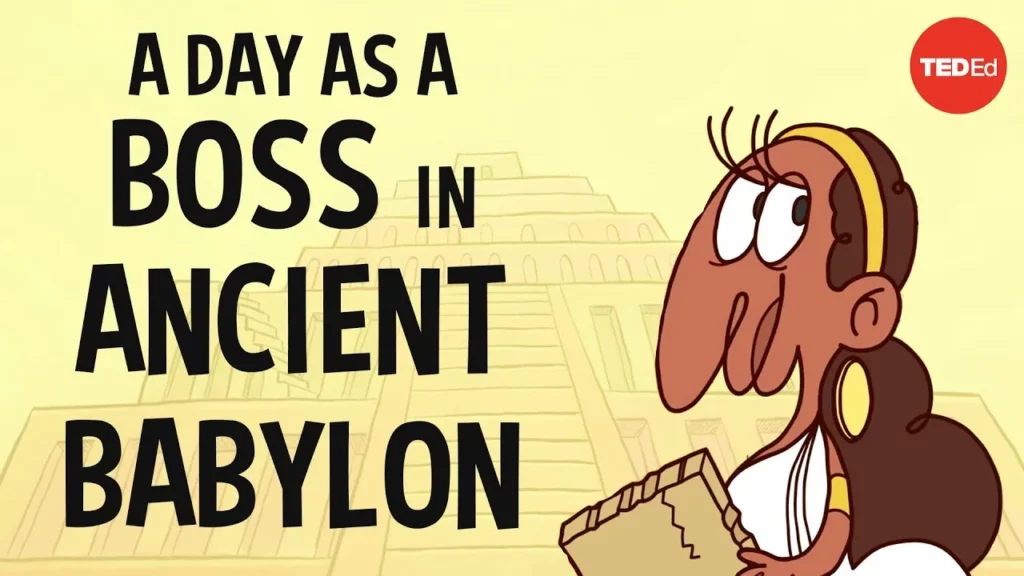
In “A Day in the Life of an Ancient Babylonian Business Mogul,” we follow Beltani, a priestess and businesswoman in 1762 B.C.E. Babylon, as she navigates a crisis involving her brother’s dishonesty that threatens her tavern’s success. Through her intelligence and resourcefulness, she uncovers the truth, seeks justice in the temple court, and secures her financial future while upholding her family’s honor, highlighting the significant yet complex roles women held in ancient Babylonian society.
We can help you master public speaking – Chris Anderson

The lesson on “Mastering the Art of Public Speaking” emphasizes the enduring significance of public speaking as a means of sharing ideas and fostering connection throughout history. It highlights the evolution of communication from ancient storytelling to modern digital platforms, underscoring the necessity of effective communication skills in today’s world. Ultimately, the lesson encourages individuals to develop their public speaking abilities, or “presentation literacy,” to confidently convey their ideas and make a meaningful impact.
Who decides how long a second is? – John Kitching

The lesson explores the historical and scientific journey of defining a second, culminating in the adoption of cesium-133 as the standard for timekeeping. Initially based on astronomical observations, the concept of a second evolved with advancements in technology, leading to the development of atomic clocks that utilize the consistent oscillation of atoms for precise time measurement. This shift has enabled global synchronization of time, impacting various fields such as navigation and scientific research.
The rise of the Ottoman Empire – Mostafa Minawi
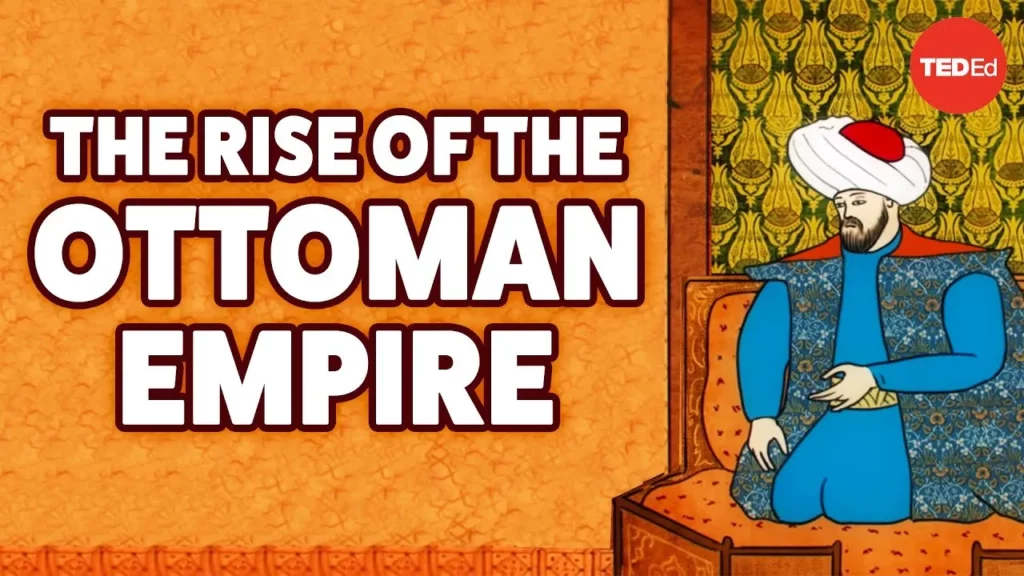
The lesson explores the rise of the Ottoman Empire, beginning with its founder Osman I in the late 13th century, who strategically expanded his small state through alliances and military conquests amidst the decline of neighboring powers. Under subsequent leaders, particularly Mehmed II, the Ottomans captured Constantinople in 1453, transforming it into a thriving capital and ushering in a cultural and economic golden age characterized by diverse languages, artistic achievements, and significant territorial expansion. The empire’s innovative military strategies and inclusive governance allowed it to flourish for over 600 years, influencing a vast region from Europe to the Middle East.
The Japanese myth of the trickster raccoon – Iseult Gillespie

The lesson from “The Japanese Myth of the Trickster Raccoon” emphasizes the themes of kindness and gratitude through the story of a traveling salesman who rescues a tanuki. In return for his help, the tanuki magically transforms from a kettle back into its true form, illustrating that small acts of kindness can lead to unexpected friendships and joy. The tale also highlights the idea that appearances can be deceiving, and surprises can bring happiness into our lives.
When did humans start getting divorced? – Rod Phillips
The lesson explores the historical evolution of divorce, tracing its origins back to ancient Mesopotamia and highlighting the influence of religious and state authorities on divorce laws throughout history. It discusses the shift from restrictive practices, where women faced greater challenges in obtaining divorce, to the introduction of no-fault divorce laws in the 20th century, which allowed individuals to end marriages without proving wrongdoing. Despite these advancements, the complexities of modern divorce, including emotional, social, and economic challenges, continue to reflect ongoing societal values and norms.
Uncovering the brain’s biggest secret – Melanie E. Peffer
The lesson explores the pivotal advancements in neuroscience during the late 19th century, focusing on the transition from the reticular theory, which posited a continuous web of nerve connections, to the neuron doctrine, established by Santiago Ramón y Cajal. Cajal’s innovative staining techniques and observations revealed that neurons are individual cells that communicate through electrical impulses, fundamentally changing our understanding of the brain’s structure and function. This shift laid the groundwork for modern neuroscience and highlighted the collaborative contributions of both Cajal and Camillo Golgi, who were instrumental in uncovering the brain’s complexities.
What causes dandruff, and how do you get rid of it? – Thomas L. Dawson

This lesson explores the causes of dandruff, primarily focusing on the role of the yeast Malassezia, which thrives on the scalp and feeds on the oils produced by our skin. Dandruff occurs when Malassezia disrupts the skin barrier, leading to inflammation and the rapid production of skin cells that clump together and shed as visible flakes. Effective treatment typically involves antifungal shampoos, while ongoing research aims to better understand the relationship between Malassezia and our immune system, as well as the potential benefits of this microbial interaction.
The satisfying math of folding origami – Evan Zodl
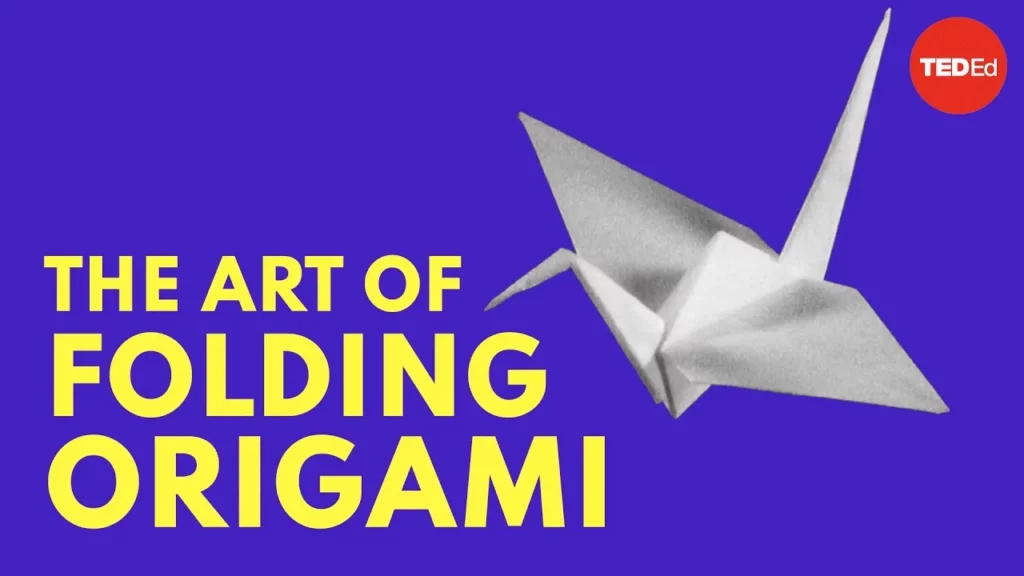
The lesson explores the intersection of mathematics and origami, highlighting how the ancient art of paper folding can lead to innovative designs, such as the starshade used in space telescopes. It outlines the principles of flat-foldable crease patterns, which allow for the transformation of two-dimensional designs into complex three-dimensional shapes while adhering to specific mathematical rules. Additionally, the lesson emphasizes the real-world applications of origami in various fields, including medicine and engineering, showcasing its potential for future innovations.