
The “myth” of the boiling frog
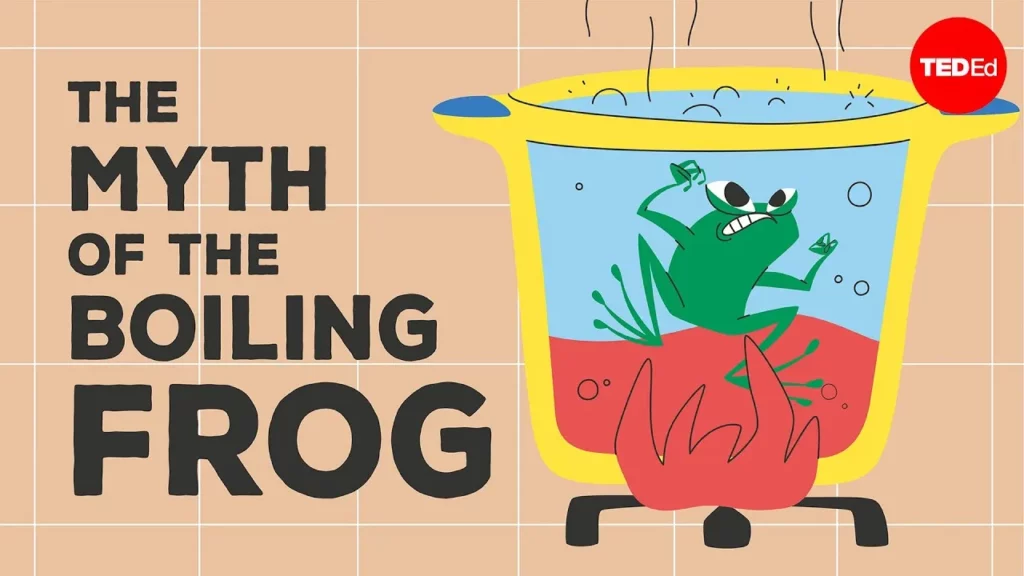
The lesson uses the metaphor of the “boiling frog” to illustrate how gradual changes, such as climate change, can go unnoticed until it’s too late, despite the reality that frogs would actually escape rising temperatures. It emphasizes the alarming increase in Earth’s average temperature due to greenhouse gas emissions from fossil fuels, predicting severe consequences if current trends continue. To combat this, the lesson advocates for achieving net zero emissions through a transition to clean energy and active carbon removal, highlighting the urgency of taking action to mitigate climate change.
How scientists turn lakes into giant batteries
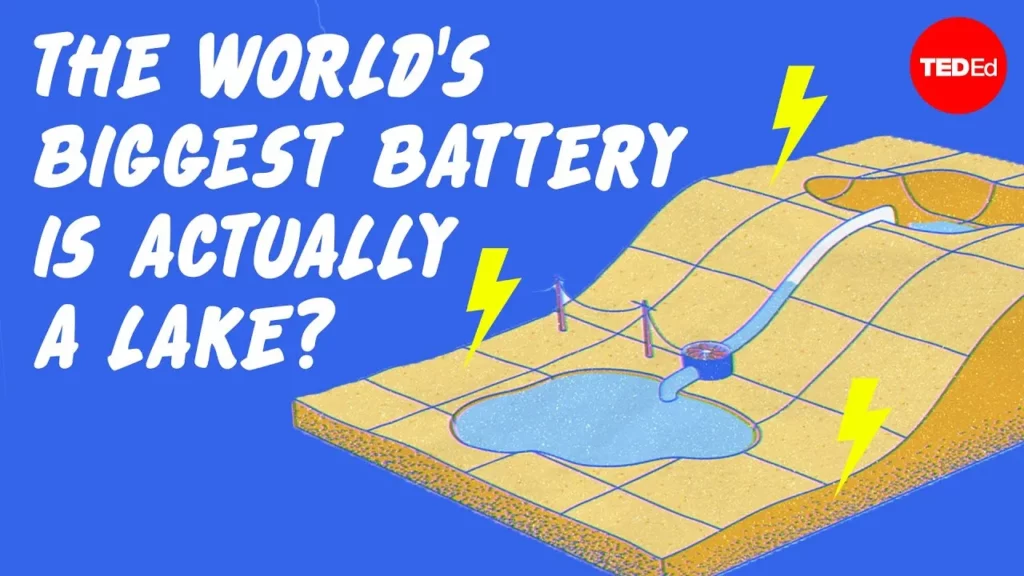
The lesson explores how two lakes can function as a massive battery system by utilizing gravitational potential energy to generate electricity. Water is pumped from a lower lake to a higher one, storing energy, which is then released to spin turbines and produce power when needed. As the demand for large-scale energy storage grows, innovative battery solutions, including skyscraper batteries and bio-batteries, are being developed to address environmental concerns and the limitations of current lithium-ion technology.
Can you solve the demon dance party riddle? – Edwin Meyer
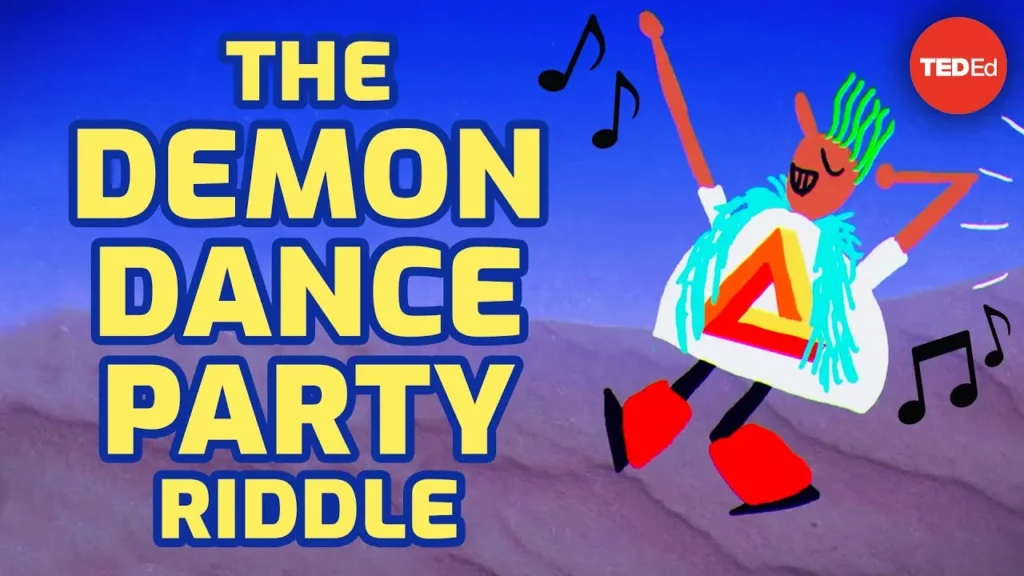
In the lesson, participants at the Learning Man event face a riddle posed by the Demon of Reason, where they must deduce the color of their masks based on the colors of others’ masks and logical reasoning. Through a series of observations and the application of inductive reasoning, the logicians determine how many individuals can enter the rave at each bell, ultimately concluding that six logicians remain outside when the fifth bell rings. This exercise highlights the power of logic and reasoning in problem-solving.
Debunking the myth of the Lost Cause: A lie embedded in American history – Karen L. Cox
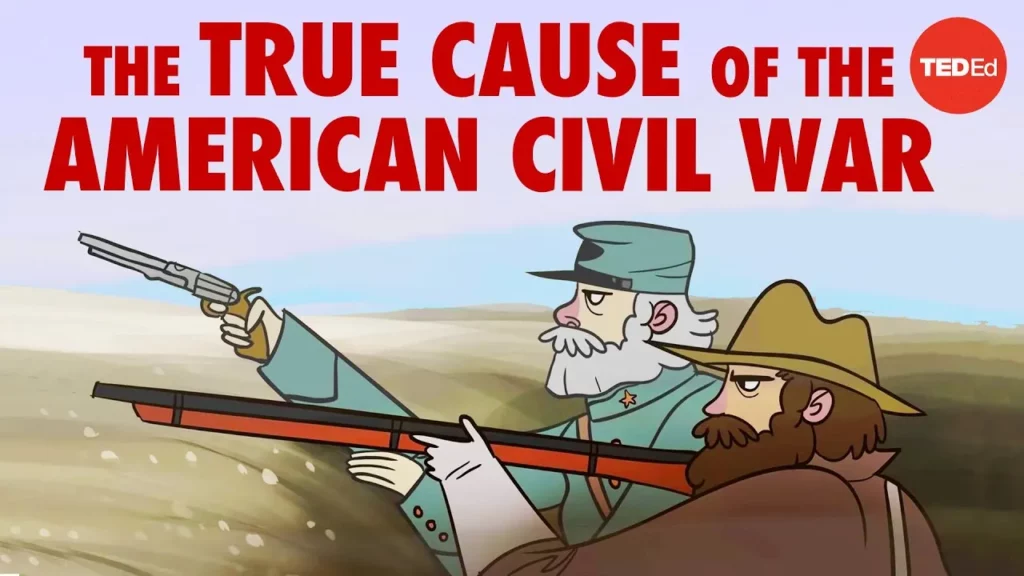
The lesson explores the origins and implications of the Lost Cause myth, which emerged after the Civil War as a revisionist narrative that downplayed slavery’s role in the conflict and framed the Confederacy’s actions as a defense of states’ rights. Despite clear evidence that slavery was the central issue, this myth was propagated by various groups, including the United Daughters of the Confederacy, and has had a lasting impact on American historical memory and racial dynamics. The lesson emphasizes the importance of acknowledging the true causes of the Civil War to ensure the protection of Black Americans’ rights and to confront the ongoing legacy of racism in the United States.
Can loud music damage your hearing? – Heather Malyuk
The lesson explores the impact of loud music on hearing, highlighting how sound is transmitted through the ear and the potential damage that can occur to delicate hair cells due to high volume and prolonged exposure. Anja’s experience at a concert illustrates temporary threshold shift, a reversible condition that can lead to permanent hearing loss with repeated exposure. To prevent hearing damage, the lesson emphasizes the importance of managing volume levels, using protective earplugs in loud environments, and regularly checking hearing health.
How would you finish the sentence, “Imagine if…”? – Sir Ken Robinson
The lesson “Imagine If: Unlocking the Power of Imagination” emphasizes the unique human ability to imagine, which allows us to envision the future, reflect on the past, and empathize with others. It highlights how imagination fuels creativity, enabling us to innovate in various fields such as art, science, and technology. In honor of Sir Ken Robinson, the lesson encourages participants to engage in imaginative thinking by completing the prompt “Imagine if…” to inspire fresh perspectives on the world around us.
Who were Las Mariposas, and why were they murdered? – Lisa Krause
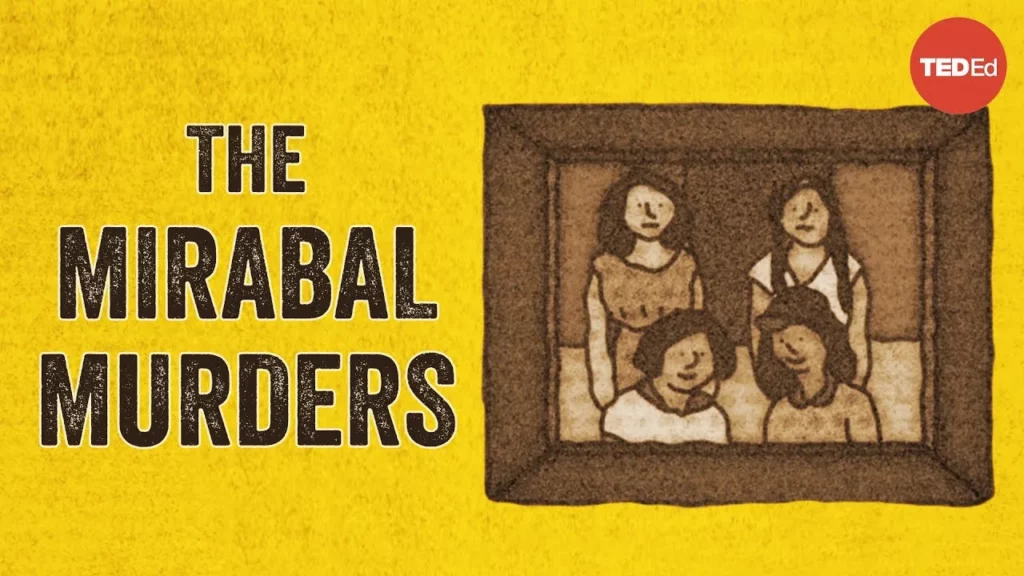
The lesson explores the courageous actions of the Mirabal sisters—Patria, Minerva, and María Teresa—who stood against the brutal dictatorship of Rafael Trujillo in the Dominican Republic from 1930 to 1961. Despite facing severe repression, the sisters led an underground movement known as Las Mariposas, advocating for justice and freedom, which ultimately resulted in their tragic assassination in 1960. Their legacy endures as symbols of resistance and empowerment, inspiring global movements against violence and oppression, commemorated annually on November 25th as the International Day for the Elimination of Violence Against Women.
How does artificial intelligence learn? – Briana Brownell
The lesson explores how artificial intelligence (AI) learns through various methods, including unsupervised, supervised, and reinforcement learning. Each method has unique applications, such as identifying patterns in data, developing diagnostic algorithms, and creating personalized treatment plans. As AI systems become more complex and autonomous, researchers are focusing on enhancing transparency and ethical collaboration to ensure their decisions positively impact society.
The best nose in the animal kingdom – Chase LaDue & Bruce A. Schulte
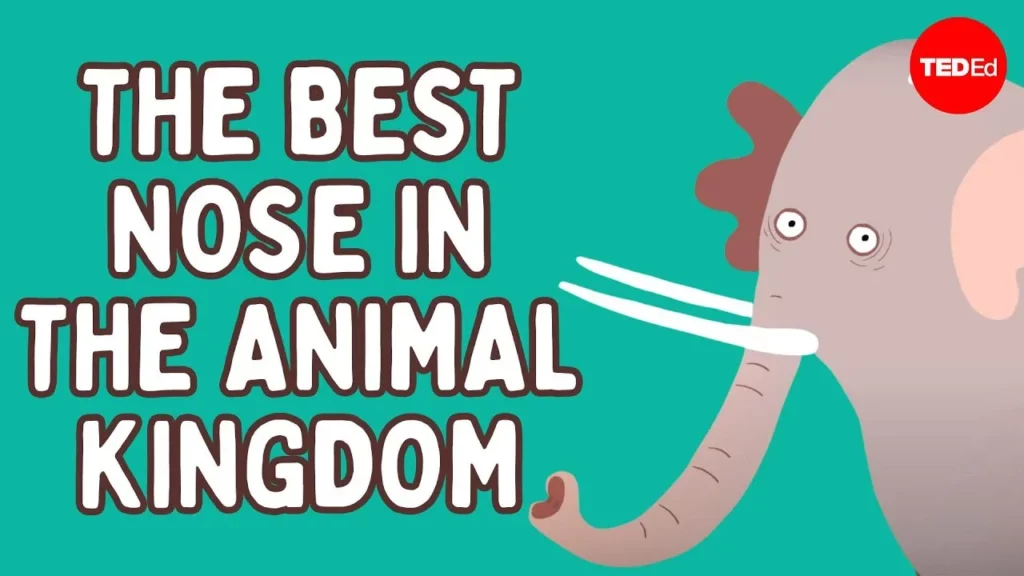
In this lesson, we explore the remarkable abilities of African elephants, particularly their exceptional sense of smell, which is the best in the animal kingdom. The story follows a young elephant and her herd as they use their trunks to locate water, gather information about their environment, and recognize other elephants through scent. The lesson highlights the social structure of elephant herds, the versatility of their trunks, and the joy of their interactions at a watering hole.
How much land does it take to power the world?
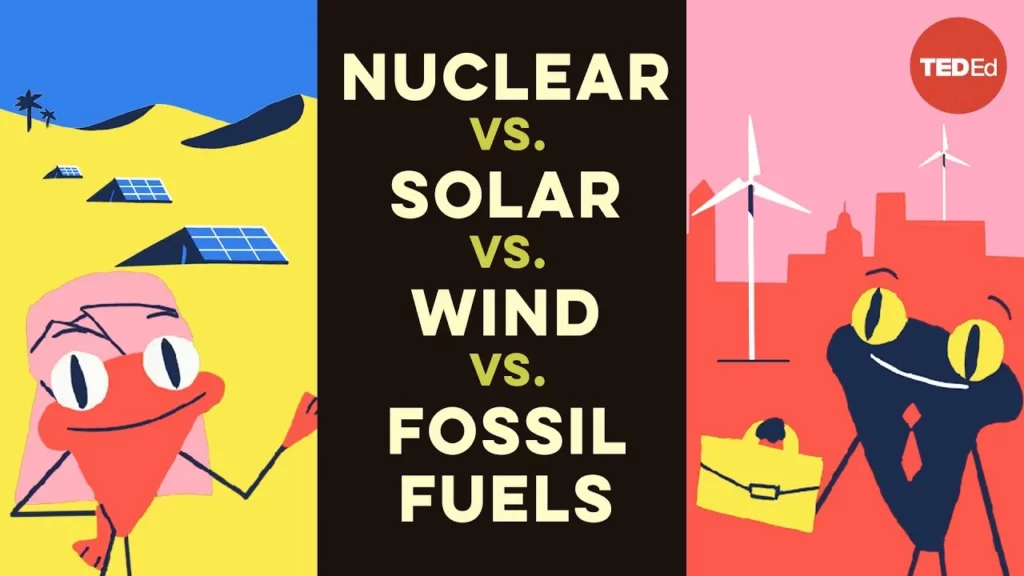
The lesson explores the land requirements for various energy sources used to generate electricity, highlighting the spatial needs of fossil fuels, nuclear power, and renewables like solar and wind. It emphasizes that while fossil fuels occupy less space, they contribute to climate change, whereas nuclear energy is cleaner but comes with challenges like waste management. Ultimately, the lesson advocates for a balanced approach to energy sourcing, recognizing that no single solution can address all energy needs, and encourages improvements in the safety and efficiency of all energy types for a sustainable future.