
How to get better at video games, according to babies – Brian Christian

The lesson discusses the development of Deep Q Networks (DQN) by DeepMind, which successfully mastered various Atari games but struggled with “Montezuma’s Revenge” due to its reliance on reinforcement learning and the need for specific action sequences. By incorporating the concept of novelty, akin to how infants are drawn to new stimuli, researchers enabled DQN to explore its environment more effectively, leading to improved performance in the game. This interplay between AI and human learning offers valuable insights into both artificial intelligence and human behavior, particularly regarding curiosity and motivation.
Just add water: The garden insect that can turn into a plague – Jeffrey A. Lockwood
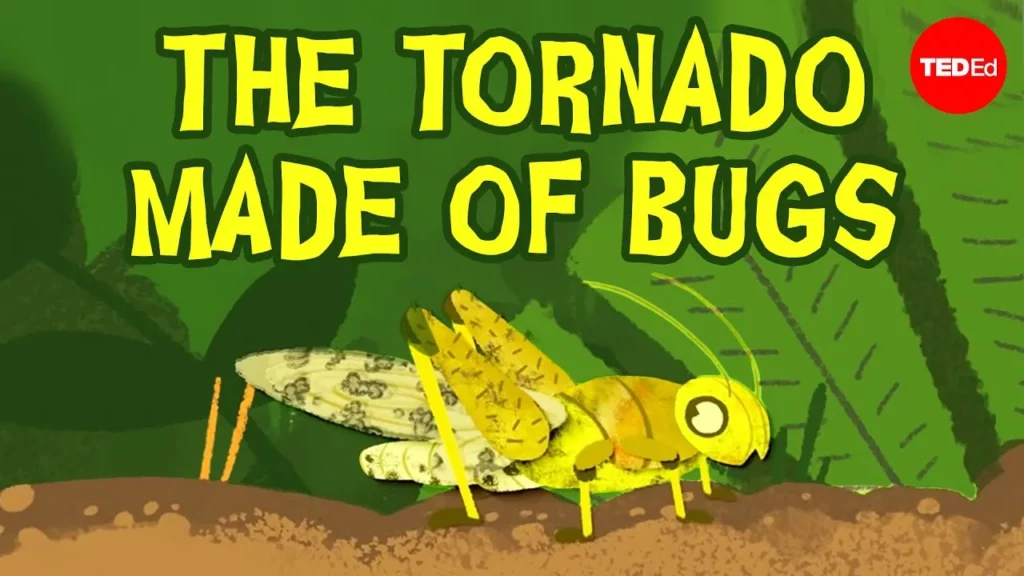
The lesson discusses the transformation of desert locusts from harmless insects into devastating swarms that can destroy crops and pastures. This change is triggered by heavy rains, which lead to increased vegetation and social behavior among locusts, resulting in massive swarms capable of traveling great distances and consuming vast amounts of food. While locust plagues can be managed through monitoring and environmentally friendly solutions, challenges such as monoculture farming and climate change complicate prevention efforts.
How to write comedy – Jodie Houlston-Lau

In the lesson “How to Write Comedy” by Jodie Houlston-Lau, the importance of incorporating humor into serious narratives is emphasized as a means to enhance emotional complexity and engage audiences. By using techniques such as timing, contrast, and comic relief, writers can create a richer storytelling experience that balances various emotions, ultimately leading to a more impactful narrative. Examples from classic literature illustrate how humor can provide levity, provoke thought, and deepen the overall message of a story.
Nature’s fortress: How cacti keep water in and predators out – Lucas C. Majure
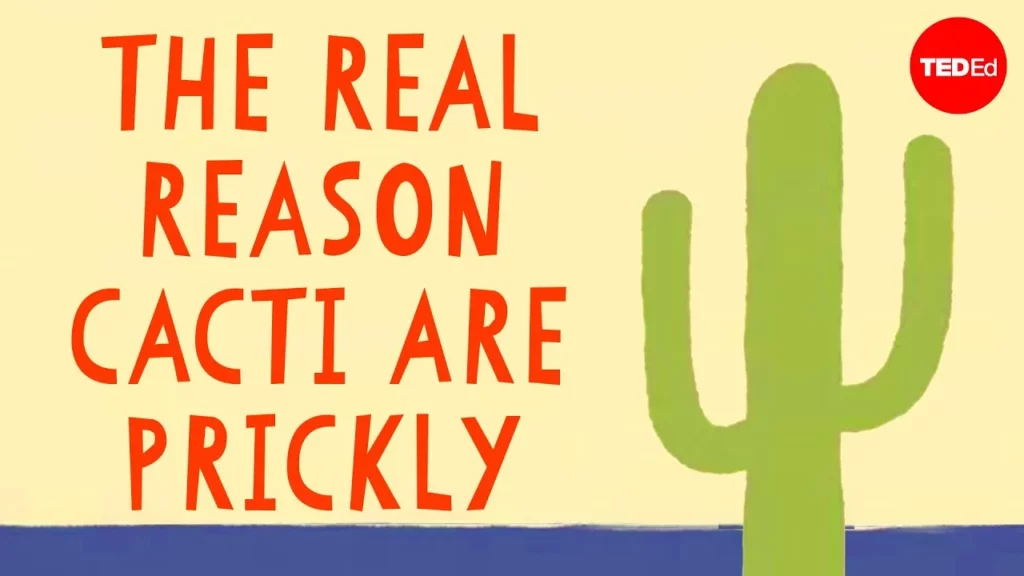
The lesson “Nature’s Fortress: How Cacti Keep Water In and Predators Out” explores the remarkable adaptations of cacti that enable them to thrive in harsh environments, particularly deserts. Key features include modified leaves in the form of spines that minimize water loss and protect against predators, a thick waxy cuticle that reduces evaporation, and shallow roots that quickly absorb water after rainfall. These adaptations allow cacti to survive not only in arid deserts but also in unexpected habitats like tropical rainforests.
The wild sex lives of marine creatures – Luka Seamus Wright
The lesson explores the diverse and inventive reproductive strategies of marine creatures, highlighting events such as the mass spawning of groupers and corals during specific lunar phases. It also discusses gender fluidity in species like the humphead wrasse, which can change sex based on environmental conditions, and clever mating tactics employed by cuttlefish to attract partners. Overall, the lesson emphasizes the unique adaptations of marine life that facilitate reproduction in the ocean’s complex ecosystem.
Why do your jeans wear out so quickly? – Madhavi Venkatesan

The lesson explores the history and production process of jeans, highlighting their initial durability and the decline in quality due to increased demand and manufacturing practices. It emphasizes the environmental and health impacts of jean production, including water usage, chemical pollution, and labor exploitation, while also suggesting ways consumers can make more sustainable choices. Ultimately, it calls for awareness of the broader issues within the fashion industry and the importance of responsible consumption.
How one of the most profitable companies in history rose to power – Adam Clulow

The lesson explores the rise of the Dutch East India Company (VOC) in the 17th century, highlighting its establishment as a powerful entity that dominated the spice trade and significantly enriched the Dutch economy. However, this success came at a devastating human cost, particularly for the indigenous Bandanese people, who faced violent suppression, enslavement, and near annihilation as the Company sought to control the lucrative nutmeg trade. Ultimately, the VOC’s legacy is a complex interplay of economic achievement and moral atrocity, raising questions about the consequences of colonial exploitation.
Would you raise the bird that murdered your children? – Steve Rothstein
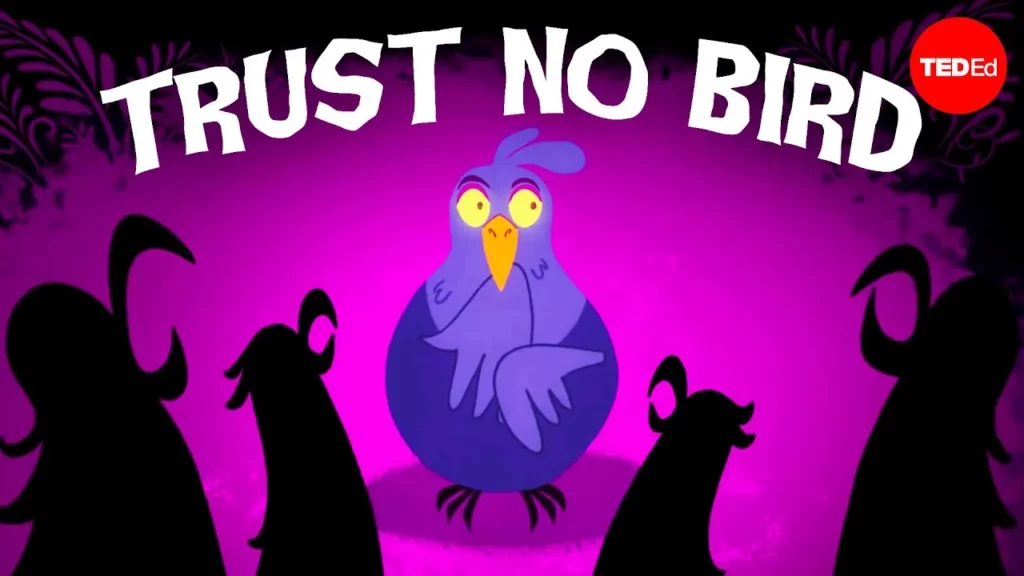
The lesson explores the phenomenon of brood parasitism, where one species, like the honeyguide, lays its eggs in the nests of another species, such as the bee-eater, often at the expense of the host’s offspring. Despite the harm caused to their own chick, the bee-eater parents continue to care for the honeyguide chick, illustrating the complex evolutionary strategies and host responses that arise from this behavior. The lesson highlights the moral dilemmas of interpreting animal behavior through a human lens and emphasizes the intricate balance of survival in nature.
You can only save one— who do you choose? – Doug MacKay
In this lesson, you are faced with a moral dilemma as the captain of the Mallory 7, where you must choose between rescuing 30 disadvantaged workers from the Telic 12 or 20 privileged college students from the Pareto. The lesson explores various ethical frameworks, including utilitarianism, which focuses on maximizing overall happiness, and considerations of life years saved, prioritizing the disadvantaged, and equal treatment for all individuals. Ultimately, the decision reflects your values and ethical beliefs, highlighting the complexities and implications of such choices in crisis situations.
Blood, concrete, and dynamite: Building the Hoover Dam – Alex Gendler
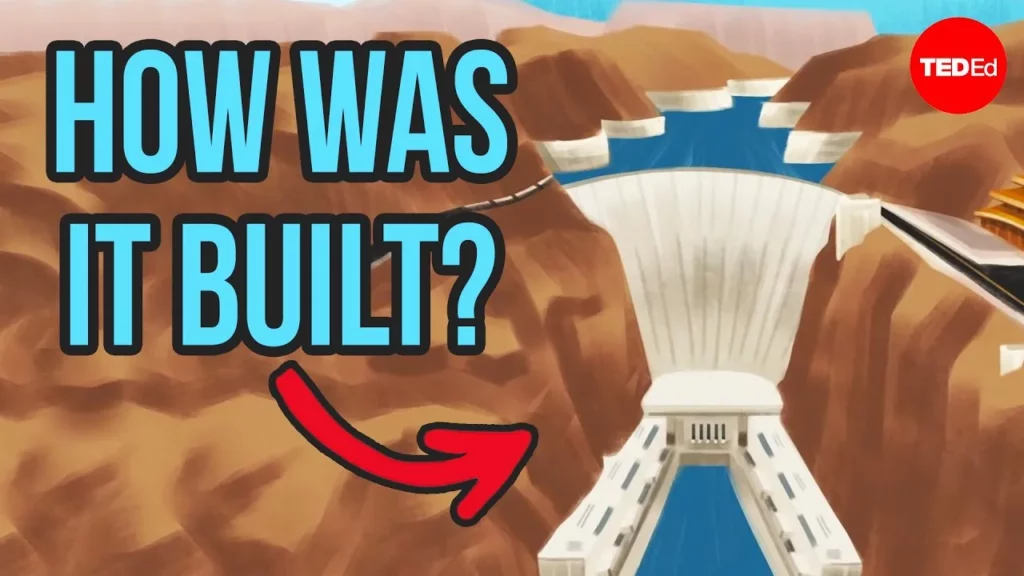
The lesson explores the construction of the Hoover Dam, highlighting the challenges faced by workers, including dangerous conditions and the need for cooperation among seven states. Built during the Great Depression, the dam was designed to manage the unpredictable Colorado River and provide water and hydroelectric power to the Southwest. Completed in 1935, the Hoover Dam not only became a significant engineering achievement but also had lasting impacts on local communities and the environment.