
Why is the Mona Lisa so famous? – Noah Charney
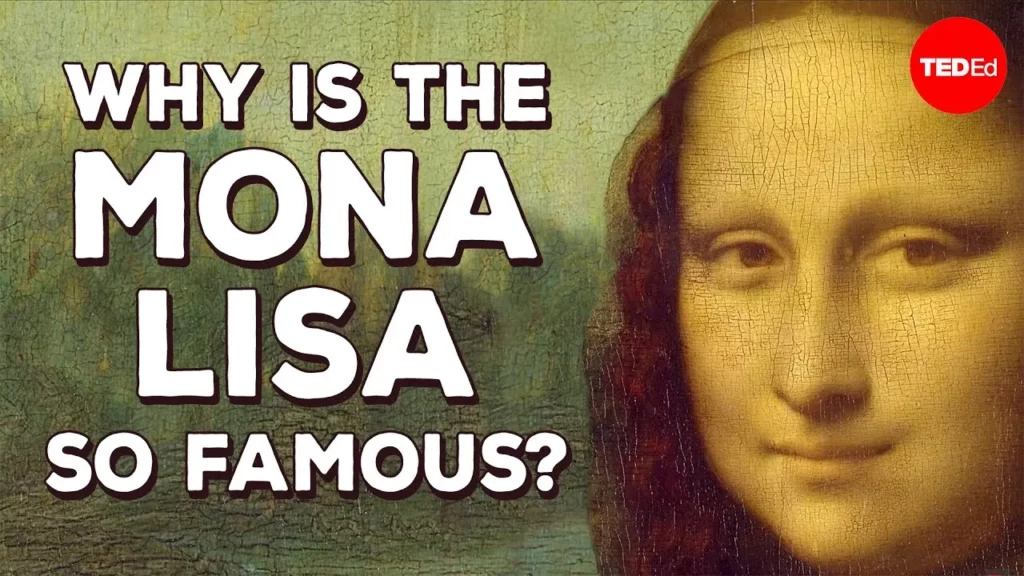
The lesson explores the reasons behind the “Mona Lisa’s” fame, highlighting key events such as its theft in 1911 by Vincenzo Peruggia, which significantly boosted its global recognition. It also discusses Leonardo da Vinci’s innovative techniques in creating the painting and the subsequent historical context that contributed to its legendary status, including royal patronage and literary acclaim. Ultimately, the “Mona Lisa” has transcended its artistic origins to become a cultural icon, symbolizing the intersection of art, history, and media influence.
The myth of Loki’s monstrous children – Iseult Gillespie
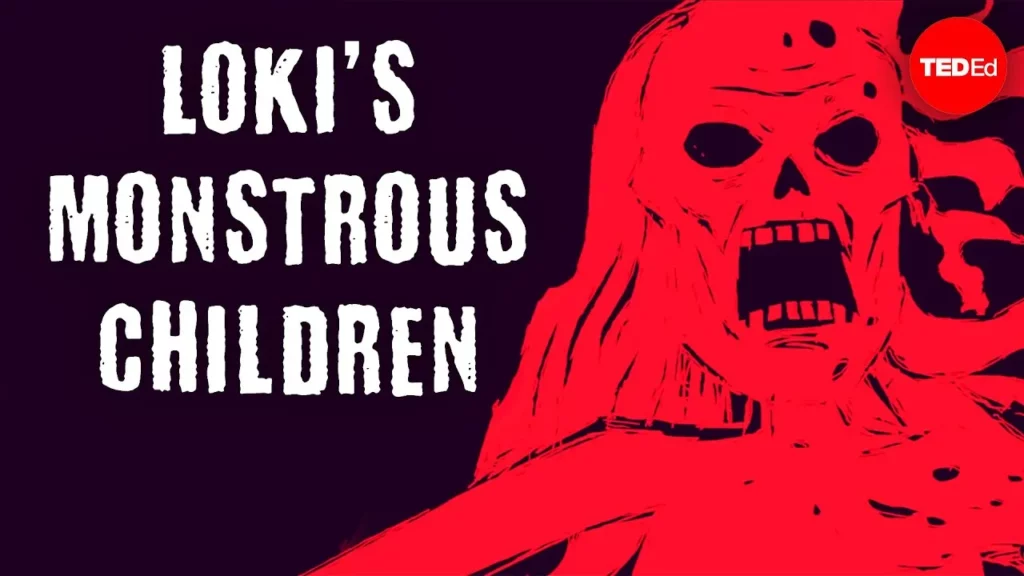
The lesson “The Myth of Loki’s Monstrous Children” explores the consequences of Odin’s fears regarding Loki’s offspring, which leads to a series of actions that ultimately create greater challenges. As Odin attempts to control the situation by capturing Loki’s children—Jörmungandr, Hel, and Fenrir—he inadvertently sets in motion a chain of events that foreshadows future conflicts, particularly with Fenrir’s eventual quest for revenge. The story highlights themes of trust, the complexities of relationships, and the unintended repercussions of trying to avoid problems.
Why is it so hard to escape poverty? – Ann-Helén Bay
The lesson explores the complexities of escaping poverty, particularly through the lens of welfare traps, where individuals lose government benefits upon gaining employment, often leaving them financially worse off. It highlights the challenges posed by means-tested welfare programs and suggests innovative solutions, such as phased benefit reductions and universal basic income (UBI), to alleviate these traps. Ultimately, the lesson emphasizes the importance of empowering individuals and respecting their autonomy to foster long-term change and break the cycle of poverty.
Why do cats have vertical pupils? – Emma Bryce
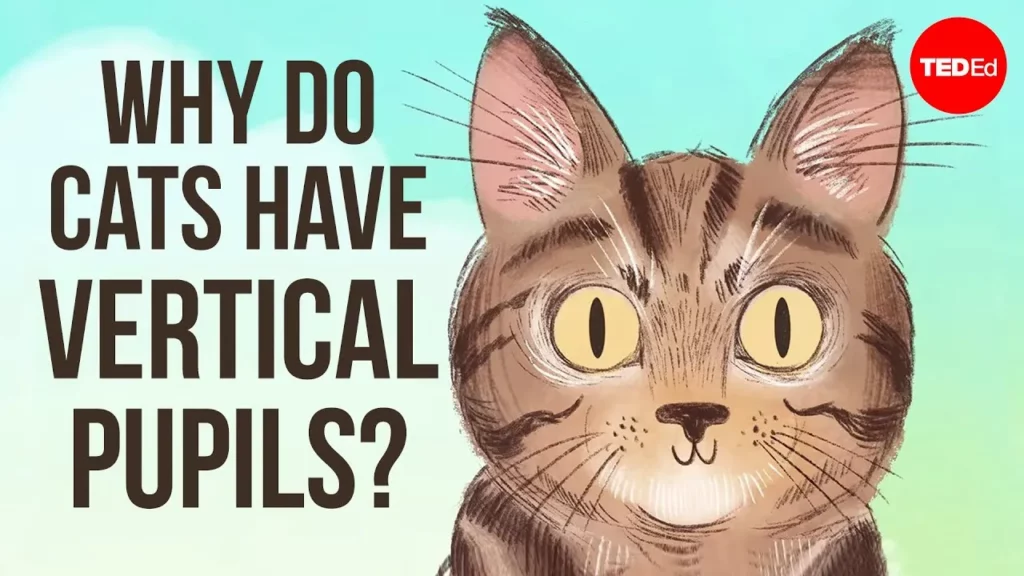
The lesson explores the significance of pupil shapes in various animals, particularly focusing on why cats have vertical pupils. These pupils allow cats to adapt to different lighting conditions, enhancing their hunting abilities during twilight by maximizing light intake and improving depth perception. The lesson also highlights how different pupil shapes serve specific functions in other animals, such as horizontal pupils in grazing animals for a wider field of vision, illustrating the evolutionary adaptations related to their environments and lifestyles.
The myth of Anansi, the trickster spider – Emily Zobel Marshall
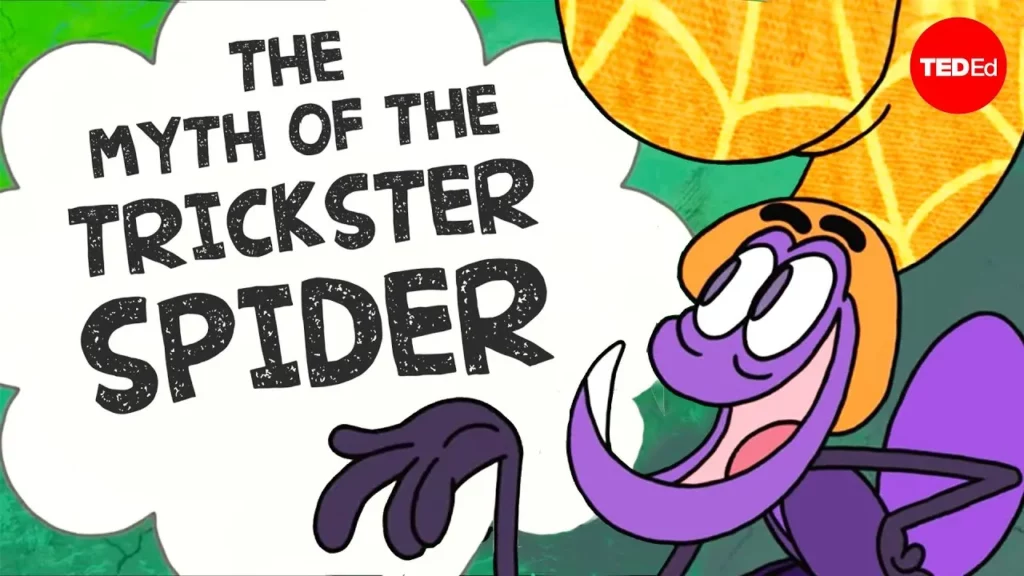
In “The Myth of Anansi, the Trickster Spider,” children gather to hear the tale of Anansi, a clever spider who embarks on a quest to retrieve the world’s stories from Nyame, the Sky God. Through his cunning tricks, Anansi successfully captures various formidable creatures and earns the stories, which he then shares with humanity. This lesson emphasizes the importance of intelligence and resourcefulness over brute strength, highlighting the enduring legacy of storytelling in preserving cultural heritage.
The myth of Gawain and the Green Knight – Dan Kwartler
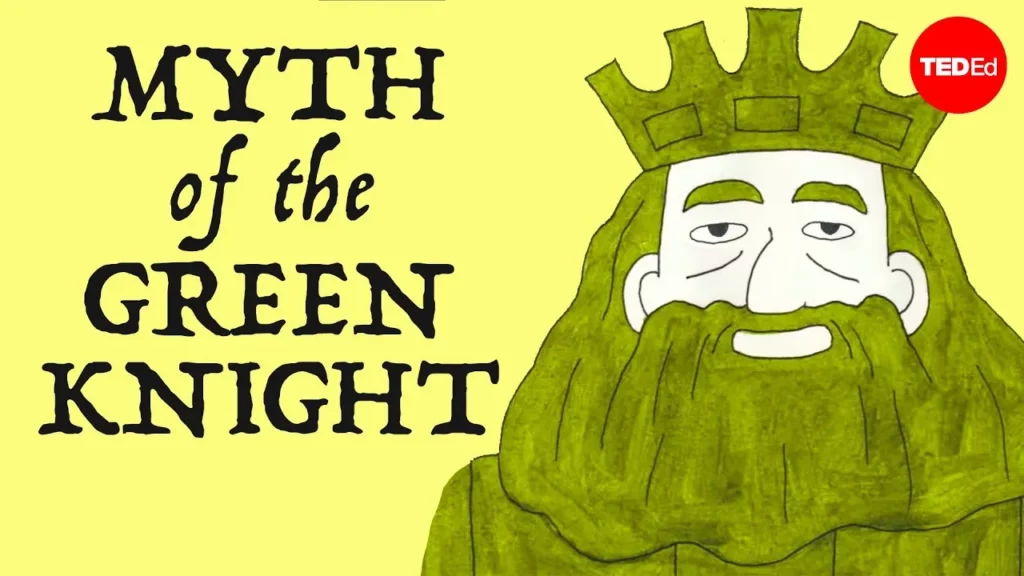
In “The Myth of Gawain and the Green Knight,” Sir Gawain accepts a daunting challenge from the mysterious Green Knight during King Arthur’s Christmas celebration, leading to a year-long quest that tests his bravery and honor. After a series of trials at a castle where he faces temptation and receives a magical sash, Gawain ultimately confronts the Green Knight, who reveals that the entire ordeal was a test orchestrated by Morgan le Fay to evaluate the knights’ integrity. Gawain learns valuable lessons about honesty and the complexities of honor, returning to Camelot with a deeper understanding of himself and his values.
What is “normal” and what is “different”? – Yana Buhrer Tavanier

The lesson explores the concept of “normal” through the lens of two sculptures, Norma and Normman, which were created in 1945 to represent the average American man and woman. It highlights the limitations of defining normality based on statistical averages, emphasizing that such definitions often overlook the rich diversity of human characteristics and experiences. Ultimately, the lesson advocates for a broader understanding of normalcy that embraces individual differences, challenging the harmful consequences of narrow definitions that have historically led to exclusion and discrimination.
Why doesn’t everyone have a jetpack? – Richard Browning
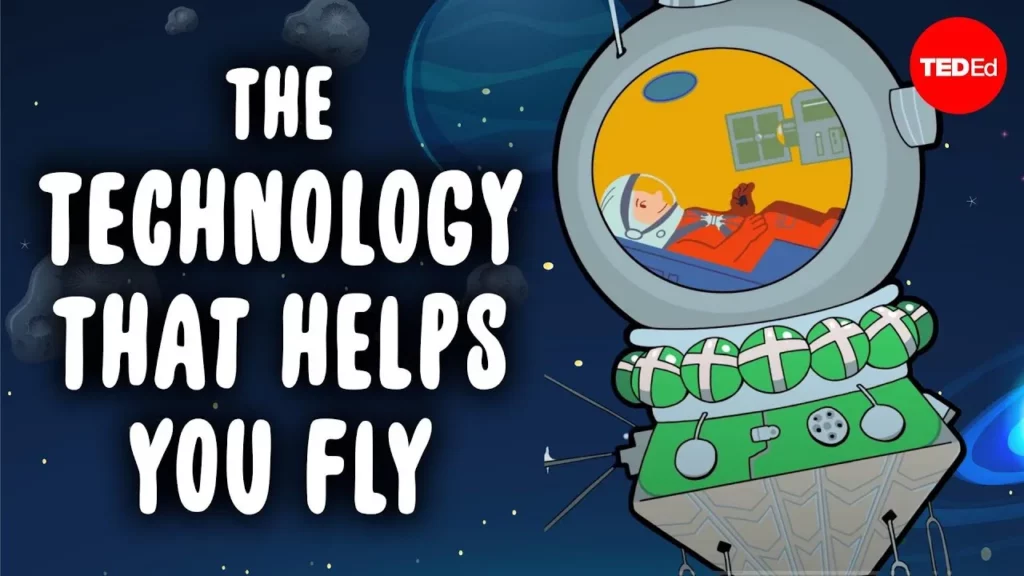
The lesson explores the challenges and advancements in jetpack technology, highlighting the contrast between the ease of sending large spacecraft into space and the difficulties of creating a functional jetpack for personal flight. It explains the principles of flight, particularly Newton’s laws of motion and the mechanics of jet engines, while detailing the evolution of jetpack designs, culminating in Richard Browning’s innovative Jet Suit. Despite recent progress, the lesson concludes that widespread use of jetpacks remains limited by current fuel efficiency and engine technology.
The myth of Narcissus and Echo – Iseult Gillespie
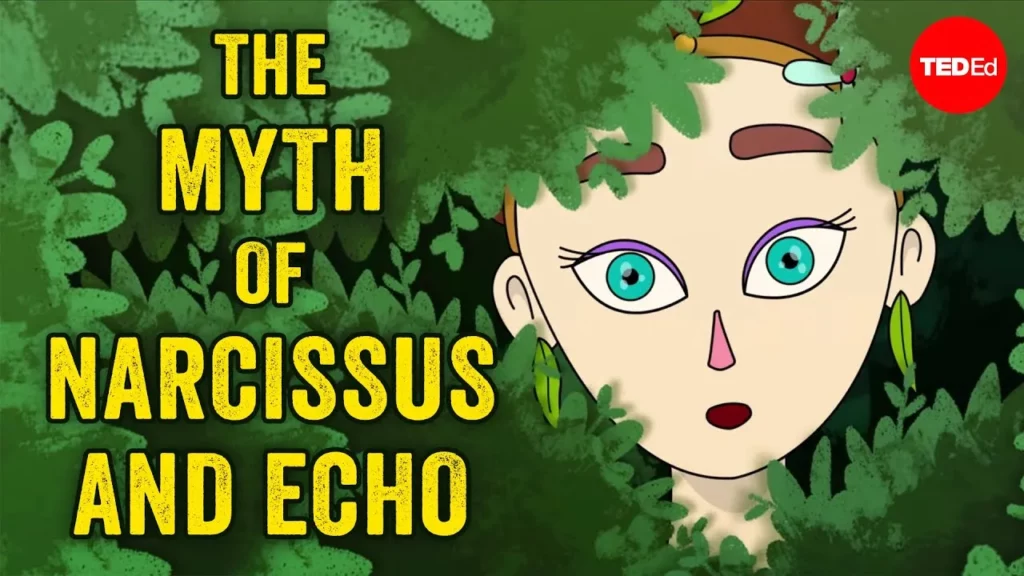
The lesson of “The Myth of Narcissus and Echo” illustrates the consequences of vanity and unrequited love. Echo, punished by Hera, becomes a lonely figure who can only repeat others’ words, while Narcissus, consumed by his own beauty, ultimately faces the pain of love when he falls for his own reflection, leading to his demise. Both characters serve as reminders of the dangers of self-obsession and the importance of genuine connection with others.
The movement that inspired the Holocaust – Alexandra Minna Stern and Natalie Lira
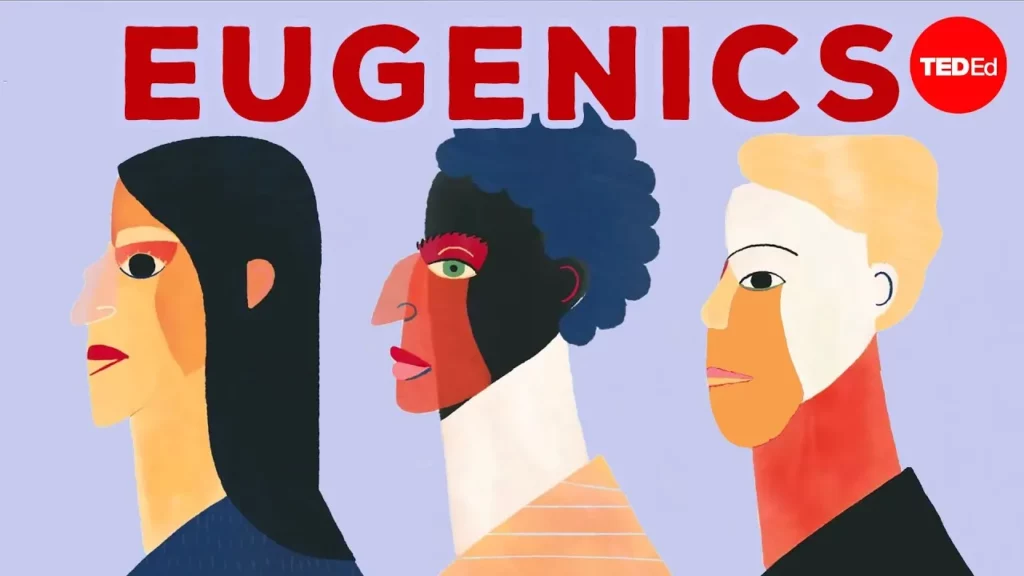
The lesson explores the troubling history of the eugenics movement in the United States, highlighting the case of Sarah Rosas Garcia and her daughter Andrea, who faced forced sterilization under discriminatory policies. It discusses how eugenics, rooted in the belief of improving society through selective reproduction, led to widespread human rights abuses, including the sterilization of over 60,000 individuals in the U.S. and the horrific consequences seen in Nazi Germany. The lesson emphasizes the ongoing legacy of these practices and the continued struggle against the sterilization of marginalized communities.