
Do tax cuts stimulate the economy? – Jonathan Smith

The lesson explores the effectiveness of tax cuts as a means to stimulate the economy, particularly during the Reagan administration in the 1980s. While tax cuts were intended to promote spending by the wealthy and benefit the broader population through trickle-down economics, evidence suggests that these policies primarily increased wealth for the top 1% without significantly improving the overall economy or the lives of average Americans. Research indicates that for tax cuts to be effective, the wealthy must reinvest their savings, which often does not occur, highlighting the complexity and limitations of economic policies.
Ugly History: The El Mozote murders – Diana Sierra Becerra
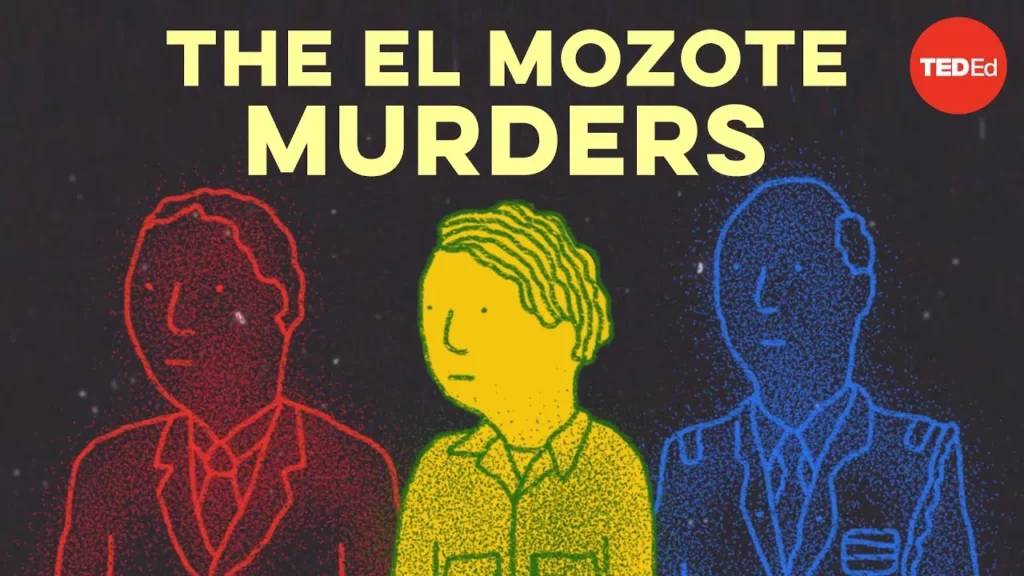
The lesson on the El Mozote Massacre, as presented by Diana Sierra Becerra, highlights the brutal killing of 978 people, including many children, by Salvadoran government forces in 1981, under Colonel Domingo Monterrosa’s command. This atrocity was part of a broader history of violence against farmers in El Salvador, fueled by systemic inequalities and military repression, which ultimately led to the rise of the FMLN guerrilla movement. Despite the denial of the massacre by both the U.S. and Salvadoran governments, courageous survivors like Rufina Amaya have worked to ensure that these events are not forgotten, advocating for justice and recognition of the victims’ stories.
How does heart transplant surgery work? – Roni Shanoada

The lesson on heart transplant surgery outlines the critical process of replacing a severely damaged heart with a donor heart, emphasizing the complexity and precision required throughout the procedure. It details the steps involved, from evaluating potential recipients and finding suitable donors to the intricate surgical process and post-operative challenges, including the risk of rejection and the need for immunosuppressive drugs. Additionally, the lesson highlights global disparities in access to heart transplants, particularly in developing countries, where many patients remain on waiting lists without suitable donors.
Ugly History: The Khmer Rouge murders – Timothy Williams
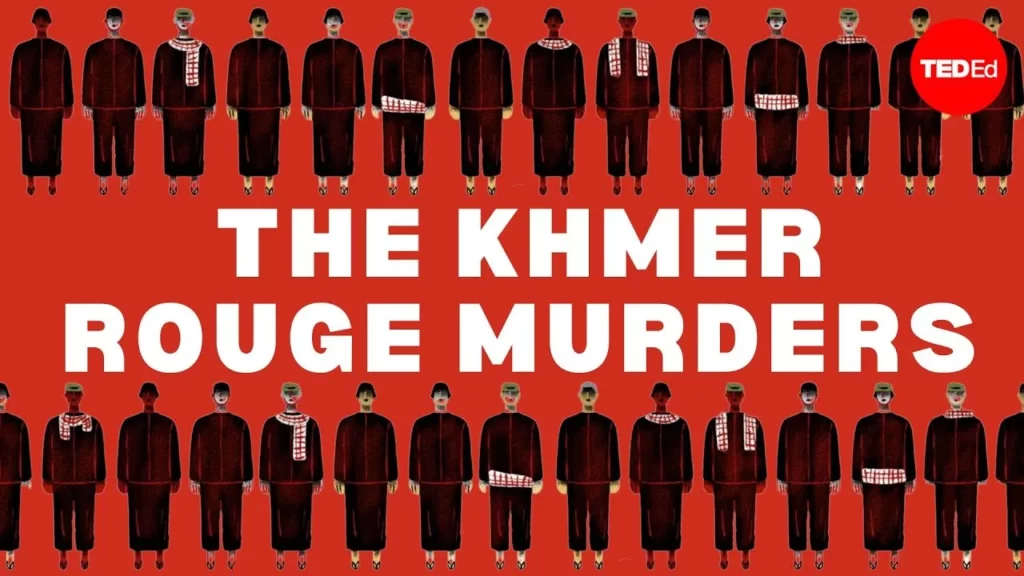
The lesson on the Khmer Rouge murders highlights the devastating impact of the regime’s rule in Cambodia from 1975 to 1979, during which approximately a quarter of the population perished due to genocide, starvation, and disease. It explores the complex political landscape that led to the rise of the Khmer Rouge, their brutal reign characterized by mass executions and forced labor, and the subsequent challenges in seeking justice for the victims. Ultimately, it emphasizes the nuanced understanding of this tragic history, recognizing that all Cambodians were affected, complicating the narratives of victimhood and perpetration.
Can you solve the fortress riddle? – Henri Picciotto

In this lesson, you are tasked with protecting your kingdom’s valuable herd of tiny dinosaurs from three attacking kingdoms using a wall-building machine. By applying a mathematical strategy inspired by the sieve of Eratosthenes, you determine that the longest wall segment that cannot be destroyed by any combination of the enemy’s wall-busters is 43 meters, allowing you to fortify your defenses effectively and safeguard your herd.
Ethical dilemma: Would you lie? – Sarah Stroud

The lesson explores the ethical dilemma of whether to lie to ensure a friend arrives on time for a dinner meeting, weighing the perspectives of two philosophers: Immanuel Kant, who argues that lying is inherently wrong, and John Stuart Mill, who suggests that lying can be justified if it leads to greater happiness. It highlights the complexity of lying, emphasizing the tension between respecting an individual’s autonomy and the potential benefits of a small deception. Ultimately, the lesson encourages reflection on how to balance respect for others with the desire to create positive outcomes in interpersonal relationships.
What is the rarest color in nature? – Victoria Hwang
This lesson explores the rarity of colors in nature, focusing on the scientific principles behind color creation, including absorption and scattering of light. While blue is often perceived as rare, the lesson reveals that the rarest colors are actually matte blues and iridescent reds, with violet being the most uncommon due to its unique properties and high energy. The lesson emphasizes the significance of understanding these factors to appreciate the beauty of rare colors in the natural world.
These animals are also plants … wait, what? – Luka Seamus Wright

The lesson explores the unique characteristics of Elysia chlorotica, a slug that resembles a leaf and exhibits both animal and plant-like behaviors, classifying it as a mixotroph. Unlike typical heterotrophic animals, Elysia can produce its own food through photosynthesis by incorporating chloroplasts from the algae it consumes, allowing it to survive for extended periods without eating. This fascinating adaptation highlights the intricate symbiotic relationships in nature and the evolutionary processes that have shaped the development of photosynthesis in various organisms.
Artemisia Gentileschi: The woman behind the paintings – Allison Leigh
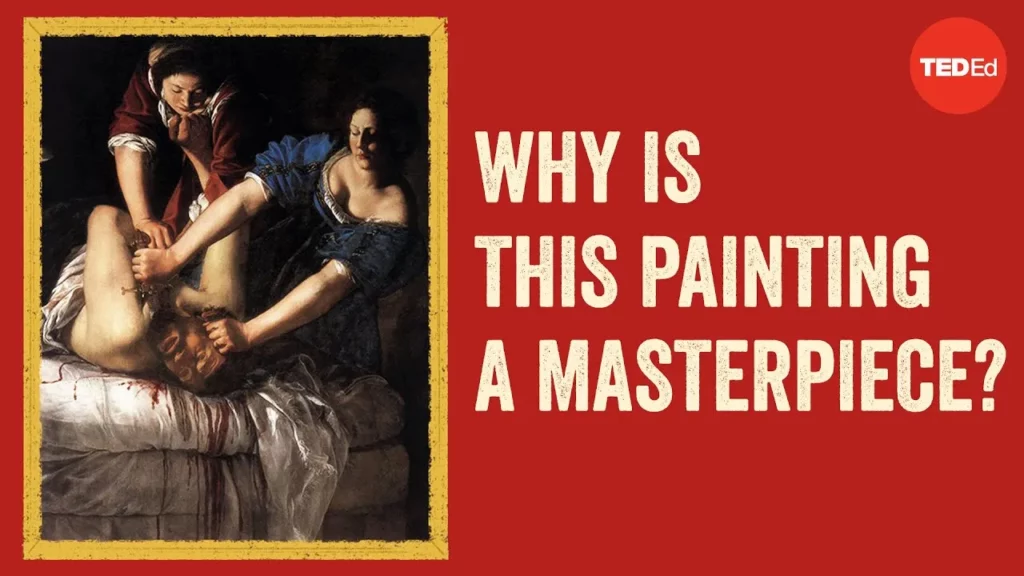
The lesson explores the life and artistry of Artemisia Gentileschi, a pioneering Baroque painter known for her powerful depiction of the biblical story of Judith and Holofernes. Despite facing significant personal challenges, including a traumatic assault and a flawed legal system, Artemisia channeled her experiences into her art, creating works that emphasized dramatic action and emotional depth. Her legacy endures as she not only surpassed her contemporaries in technique and impact but also used her art to express her resilience and strength as a woman in a male-dominated field.
What do dumplings look like around the world?- Miranda Brown
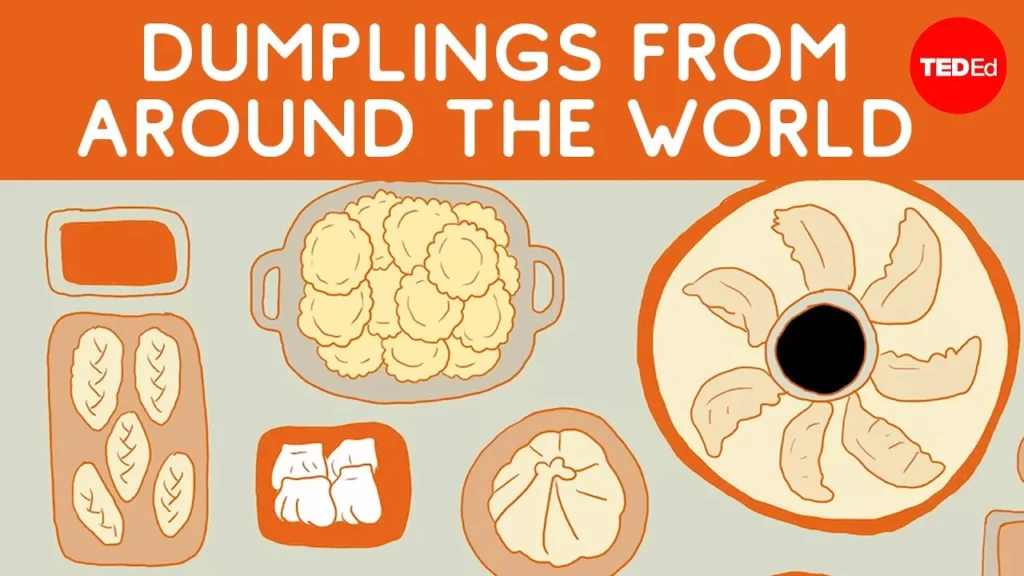
The lesson explores the historical journey of dumplings, tracing their origins from ancient Turkic peoples in western China to their spread across various cultures worldwide. It highlights how dumplings evolved in different regions, adapting to local ingredients and culinary practices, while also noting the influence of historical events, such as the establishment of the Ottoman Empire and the Mongol Empire, on their dissemination. Ultimately, dumplings have become beloved dishes globally, each culture adding its unique twist to these flavorful treats.