
The smallest solution to one of our biggest problems – Tierney Thys & Christian Sardet

The lesson discusses the challenge posed by plastics, which are resistant to microbial degradation due to their synthetic nature and the high temperatures required to break them down. While some microbes, like *Ideonella sakaiensis*, show promise in degrading certain plastics like PET, the search continues for organisms capable of breaking down other common plastics at higher temperatures. Ultimately, the lesson emphasizes the need for a multifaceted approach that includes improving plastic-degrading technologies and rethinking our reliance on plastics to address this environmental crisis.
Hagfish: The world’s slimiest creatures – Noah R. Bressman and Douglas Fudge

The lesson on hagfish highlights their unique adaptations, particularly their remarkable ability to produce large amounts of slime as a defense mechanism against predators like sharks. When threatened, hagfish release slime that expands dramatically, clogging the predator’s gills and allowing the hagfish to escape. Additionally, the lesson explores the potential applications of hagfish slime in sustainable materials and its ecological importance in nutrient recycling on the seafloor.
The 4 greatest threats to the survival of humanity
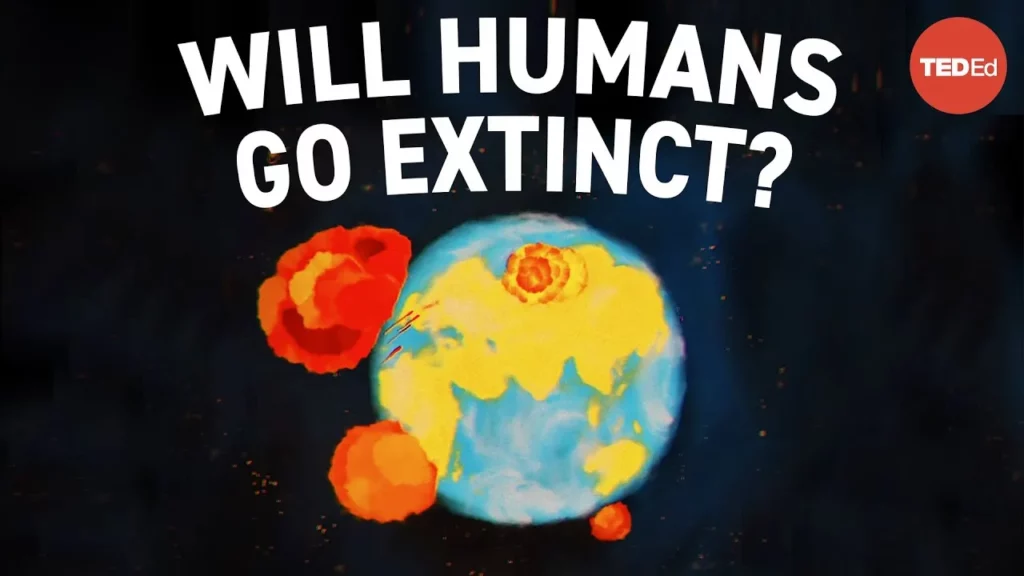
The lesson outlines the four greatest threats to humanity’s survival: nuclear disaster, climate change, emerging technologies, and unaligned artificial intelligence. It highlights historical close calls with nuclear conflict, the destructive potential of nuclear weapons, and the growing risks posed by climate change and biotechnological advancements. Ultimately, the lesson emphasizes that while anthropogenic risks are significantly higher than natural ones, human choices play a crucial role in mitigating these threats and ensuring a safer future for humanity.
The true cost of gold – Lyla Latif

The lesson on “The True Cost of Gold” highlights the significant disparity between the value of gold resources in countries like Mali and the actual economic benefits they receive due to systemic greed and corruption. Despite producing substantial amounts of gold, Mali struggles to capitalize on its wealth due to exploitative practices by foreign corporations, tax evasion tactics, and a lack of infrastructure, resulting in widespread poverty and limited development. Addressing these challenges necessitates a commitment to transparency, fairness, and systemic change to ensure that the wealth generated from gold mining benefits local communities and fosters sustainable growth.
Can you freeze your body and come back to life? – Shannon N. Tessier

The lesson explores the concept of cryonics, initiated by James Bedford, the first person to be cryogenically frozen in hopes of future revival through advanced science. It delves into the challenges of cryopreservation, particularly the formation of ice crystals that can damage cells, and discusses advancements like vitrification, which aims to prevent ice formation using cryoprotectant agents. Despite some progress in preserving smaller biological structures, the current state of cryonics remains largely unscientific and poses significant ethical and practical challenges for the future.
Whatever happened to the hole in the ozone layer? – Stephanie Honchell Smith

The lesson discusses the historical context and significance of the ozone layer’s depletion, primarily caused by chlorofluorocarbons (CFCs), which were found to damage this protective layer essential for blocking harmful UV radiation. Following the alarming discovery, global leaders united to sign the Montreal Protocol in 1987, successfully phasing out CFCs and leading to the gradual healing of the ozone layer, expected to be complete by 2070. However, the lesson also highlights the emergence of new challenges, such as the greenhouse gases from HFCs, emphasizing the importance of continued global cooperation to address ongoing environmental issues.
A 5,300-year-old murder mystery – Albert Zink

The lesson explores the fascinating story of Ötzi the Iceman, a 5,300-year-old mummified body discovered in the Ötztal Alps, which provides valuable insights into Copper Age life. Through scientific examination, researchers uncovered details about Ötzi’s health, tools, diet, and the circumstances surrounding his death, including a fatal arrow wound. Despite these revelations, the full mystery of his identity and the reasons for his violent end remain unresolved.
The one thing stopping jellyfish from taking over – Mariela Pajuelo & Javier Antonio Quinones

The lesson discusses the growing problem of jellyfish overpopulation in oceans and highlights the crucial role of sea turtles, particularly leatherbacks, as their natural predators. Despite their effectiveness in controlling jellyfish populations, the rapid reproduction of jellyfish, exacerbated by human activities and climate change, poses a significant challenge. To mitigate this issue, it is essential to implement protective measures for sea turtles and adopt sustainable fishing practices that balance ecological health with community needs.
Why is this painting of a black square famous? – Allison Leigh

Kazimir Malevich’s “Black Square,” first exhibited in 1915, is famous for its provocative simplicity and the intense debates it sparked about the nature of art. While it appears straightforward, a closer look reveals its complexity, including uneven edges and hidden colors from previous layers, reflecting Malevich’s innovative artistic journey and the philosophy of Suprematism, which sought to prioritize pure feeling over representation. Despite facing criticism and political repression later in life, Malevich’s commitment to his vision of non-objective art left a lasting impact on the art world.
Why did hospitals have these frogs in their supply rooms? – Carly Anne York

From the 1930s to the 1960s, hospitals utilized the African clawed frog for pregnancy testing due to its unique response to the hormone hCG, allowing for quicker and more humane testing compared to traditional methods involving other animals. This amphibian’s ability to lay eggs in response to the hormone revolutionized pregnancy testing, making it widely accessible. However, the introduction of these frogs into various environments has led to ecological issues, as they have become an invasive species and contributed to declines in native amphibian populations.