
Do mosquitos actually bite some people more than others? – Maria Elena De Obaldia
The lesson explores the reasons why some people seem to attract more mosquito bites than others, highlighting that female mosquitoes are the ones that bite and are drawn to specific cues such as carbon dioxide, body heat, and unique skin odors. Factors like genetics, skin chemistry, and certain conditions can make individuals more appealing to mosquitoes, with about 20% of people identified as “mosquito magnets.” Understanding these preferences can lead to improved mosquito repellents and strategies to mitigate the spread of mosquito-borne diseases.
A day in the rebellion against the Inca Empire – Gabriel Prieto
In this lesson, we follow Maxo, a former soldier in Chan Chan, as he navigates the political turmoil following the Inca conquest of the Chimú Empire. Summoned to a secret meeting, he learns of a rebellion against the Incas, led by the king’s son, and must decide whether to join the fight to reclaim their city. The narrative highlights the resilience of Chan Chan’s people and foreshadows the tragic aftermath of their struggle against the Inca forces.
Ethical dilemma: What makes life worth living? – Douglas MacLean
In this lesson, participants are faced with a profound ethical dilemma regarding the future of their civilization, which relies on a crucial substance called Nuronium that is now causing infertility. The choice is between continuing with Nuronium, which supports cognitive functions and cultural richness but poses a risk of extinction, or switching to Polixate, a renewable energy source that would ensure survival but diminish creativity and memory. The debate highlights the tension between preserving cultural identity and ensuring the continuation of life, prompting participants to consider what truly makes life worth living.
What would happen if everyone stopped eating meat tomorrow? – Carolyn Beans
The lesson explores the hypothetical scenario of a world where everyone stops eating meat overnight, highlighting the immediate environmental benefits, such as a significant reduction in greenhouse gas emissions and the potential for improved public health. However, it also addresses the challenges that various cultures and economies would face due to the sudden shift away from meat, including food scarcity in certain regions and job losses in the meat industry. Ultimately, while a meat-free world could enhance biodiversity and health outcomes, the lesson emphasizes that sustainable dietary changes can be achieved without completely eliminating meat consumption.
How you survive the coldest place on Earth – Nadia Frontier
The lesson explores the unique adaptations of life in Antarctica, the coldest place on Earth, highlighting the vibrant ecosystem beneath its icy surface. It details how various marine species, such as the giant Antarctic isopod and amphipods, survive extreme conditions by conserving energy and utilizing seasonal food sources. As winter approaches, many creatures enter a dormant state, while the arrival of spring signals a revival of life in this harsh environment.
3 tips on how to study effectively
The lesson outlines three effective study techniques that enhance learning and retention, particularly for medical residents. These techniques include active retrieval practice, interleaving study topics, and spacing out study sessions, all of which align with how the brain processes and stores information. By employing these methods, students can improve their understanding and long-term retention of complex material, ultimately leading to greater success in their training.
Confused about recycling? It’s not your fault – Shannon Odell
The lesson highlights the complexities and misconceptions surrounding plastic recycling, emphasizing that not all plastics are recyclable despite the presence of the recycling symbol. It explains the challenges posed by different types of plastics, the misleading resin code system, and the industry’s role in shifting responsibility to consumers. To address the growing plastic waste crisis, the lesson advocates for reducing plastic consumption, improving recycling systems, and implementing clearer labeling to promote a more sustainable future.
How to overcome your mistakes
The lesson discusses the psychological challenges of learning from mistakes, highlighting a study that shows how initial perceptions of success or failure can significantly impact subsequent performance. It emphasizes that while failure is often viewed as a learning opportunity, the emotional toll it takes can hinder one’s ability to process new information. Additionally, the lesson underscores the importance of balancing the focus on both successes and failures, advocating for a growth mindset and resilience to enhance learning and improvement.
A tour of the ancient Greek Underworld – Iseult Gillespie
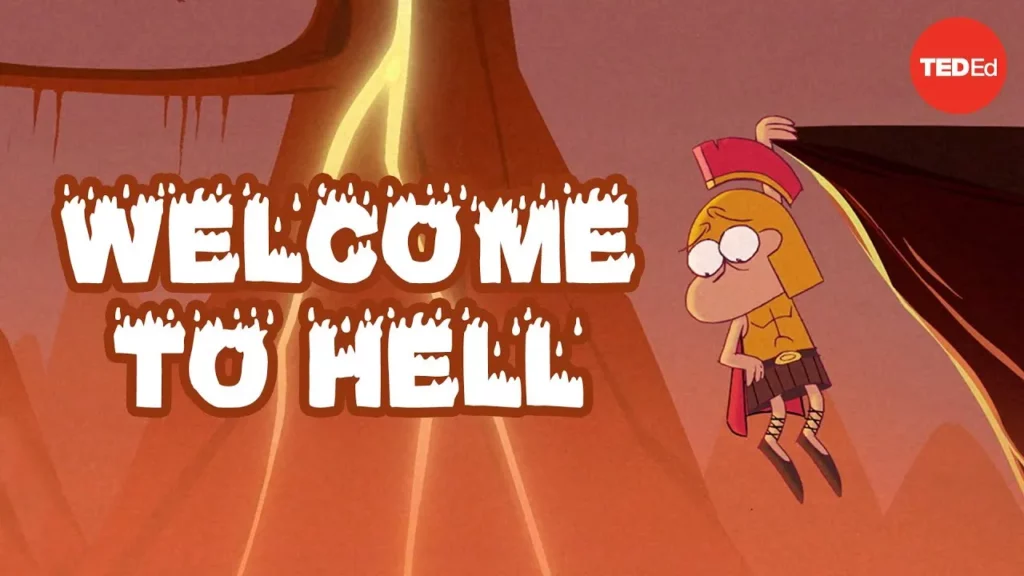
In this lesson, students embark on a captivating journey through the Ancient Greek Underworld, guided by the Sibyl of Cumae. They explore its intriguing features, including the five mystical rivers, the Mourning Fields, Elysium for heroes, and the depths of Tartarus, where the most notorious sinners face eternal punishments. Ultimately, the Underworld is portrayed as a complex realm that offers both haunting tales and a unique sense of peace away from the chaos of the living world.
The dark history of werewolves – Craig Thomson
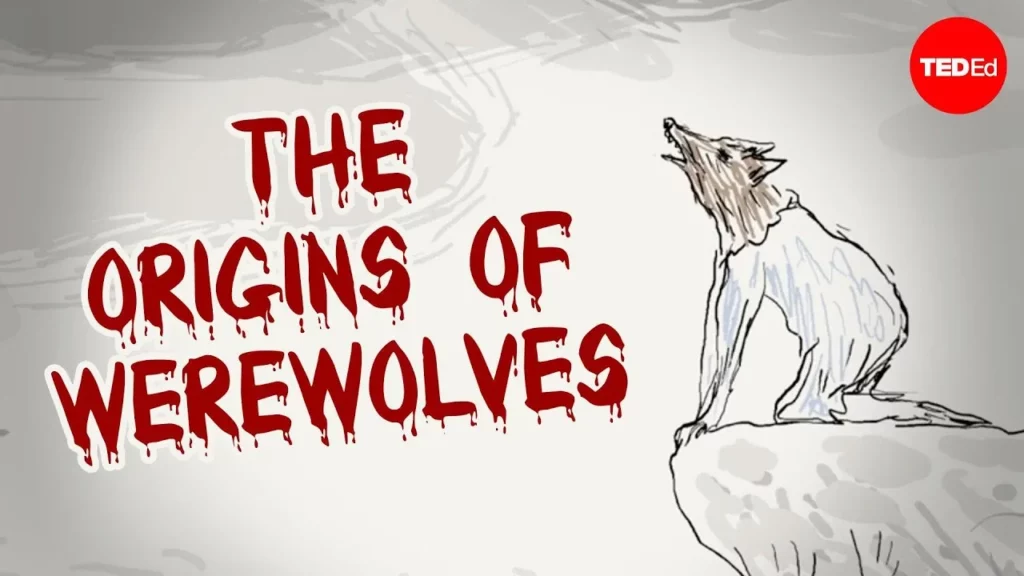
The lesson explores the dark history and evolution of werewolf legends, beginning with the sensational trial of Peter Stubbe in 1589, who was accused of horrific crimes and claimed to be a werewolf. It traces the origins of werewolf tales in ancient literature, their association with magic and pagan beliefs during the spread of Catholicism, and their transformation in modern literature and film, reflecting societal fears and moral decay. Ultimately, the werewolf myth endures, adapting to contemporary themes while maintaining its roots in human fears and the darker aspects of nature.