
Japan’s scariest ghost story – Kit Brooks
The lesson recounts the tragic tale of Oiwa, a woman trapped in a miserable marriage to a cruel samurai, Iemon, who ultimately becomes her betrayer. After her death, Oiwa’s vengeful spirit haunts Iemon, leading to his downfall and illustrating themes of betrayal and justice that resonate deeply in Japanese folklore. Oiwa’s legacy endures in kabuki theater and modern adaptations, reflecting the cultural significance of her story and its exploration of human emotions and societal values.
What really caused the Irish Potato Famine – Stephanie Honchell Smith
The lesson on the Irish Potato Famine explores the interplay between agricultural reliance on potatoes, the devastating impact of a blight caused by a fungus, and the inadequate response from the British government, which exacerbated the crisis. Despite initial relief efforts, poor distribution and harmful policies led to widespread suffering, resulting in over a million deaths and mass emigration. The lesson highlights the importance of compassionate and coordinated aid in preventing similar tragedies in the face of modern challenges like climate change.
Can you solve the secret assassin society riddle? – Alex Rosenthal
In this lesson, you embark on a mission to uncover a secret society that uses a unique poker game to identify targets. As you analyze the clues from a disrupted drone feed, you deduce the identities of the players and realize that your agent, posing as the king of diamonds, has been manipulating the situation all along. Ultimately, you manage to save the target just in time, but are left questioning your partner’s true motives.
Can you solve a mystery before Sherlock Holmes? – Alex Rosenthal
In this lesson, the story revolves around Sherlock Holmes solving the mystery of the Red-Headed League, which was a ruse created to distract Mr. Jabez Wilson while his assistant, Vincent Spaulding, and Duncan Ross dug a tunnel to rob a nearby bank. Sherlock’s keen observations and deductions lead to the capture of the criminals, revealing that the seemingly innocent job was a clever ploy to facilitate the heist. Ultimately, while Wilson loses his job, Sherlock emphasizes that he has gained valuable knowledge from the experience.
The most devastating asteroid to hit Earth – Sean P. S. Gulick
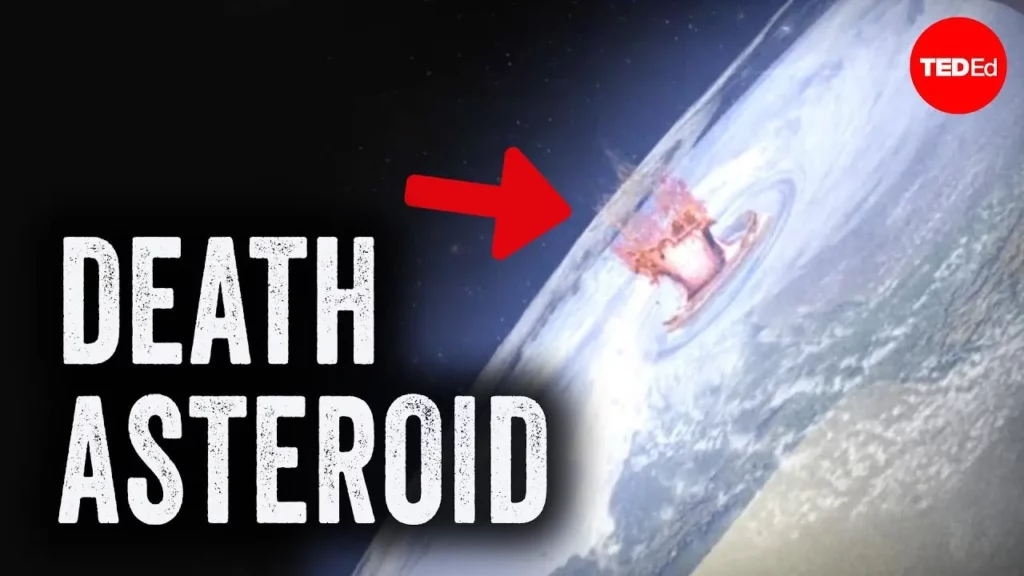
The lesson discusses the catastrophic impact of a massive asteroid 66 million years ago, which struck near the Yucatán Peninsula, leading to the extinction of approximately 75% of Earth’s species, including most dinosaurs. The aftermath of the impact caused severe climate changes, blocking sunlight and disrupting ecosystems globally. It emphasizes the importance of learning from this historical event, as humanity now faces a different kind of rapid climate change driven by human activities, highlighting the need for proactive measures to protect the planet.
The gory history of barber surgeons – Stephanie Honchell Smith
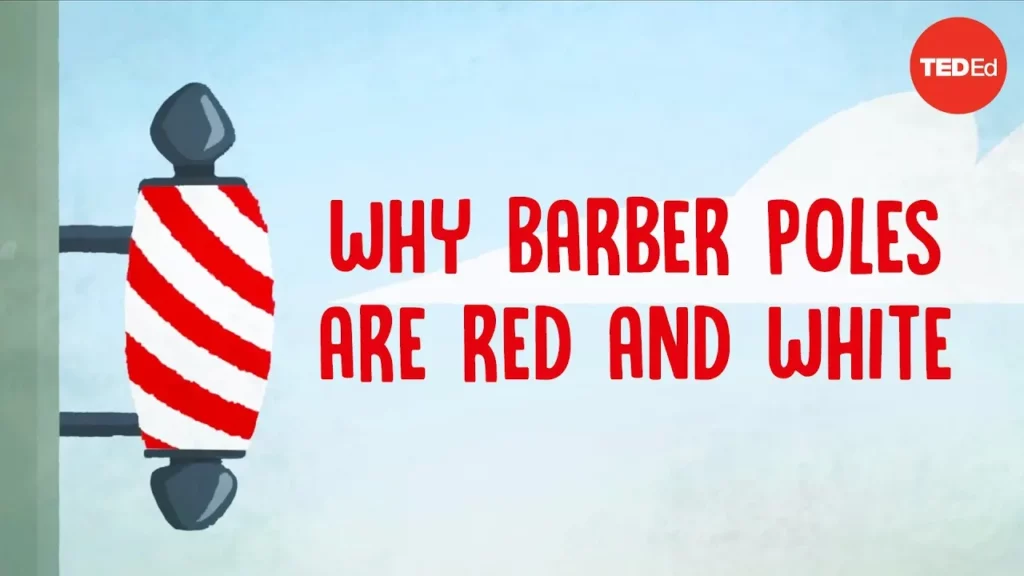
The lesson explores the historical role of barber-surgeons in 15th century Europe, highlighting how they combined hair cutting with medical procedures like tooth extraction and wound stitching due to a gap left by monks and scholars. Through apprenticeships and practical experience, barber-surgeons became essential medical practitioners, especially during times of famine and war, with notable figures like Ambroise Paré advancing the field. By the 18th century, the profession evolved into distinct roles for surgeons and barbers, leaving a lasting legacy symbolized by the red and white stripes of the barber pole.
Where did these gigantic space bubbles come from? – Ashkbiz Danehkar
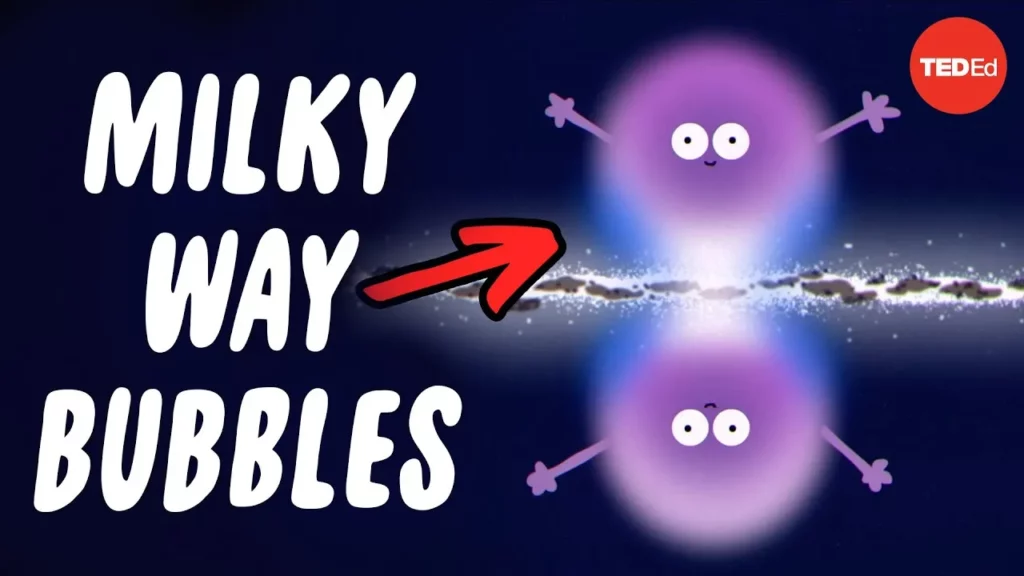
In this lesson, we explore the discovery of two massive structures in the Milky Way, known as the Fermi Bubbles and the eROSITA bubbles, which are filled with high-energy particles and emit gamma rays and soft X-rays, respectively. Theories regarding their formation suggest they may have resulted from either a recent surge in star formation or a powerful outburst from the supermassive black hole at the galaxy’s center, Sagittarius A*. Ongoing simulations and advancements in telescope technology aim to further unravel the mysteries surrounding these enigmatic bubbles and their origins.
What killed all the bison? – Andrew C. Isenberg

The lesson outlines the historical context of bison hunting by Indigenous Plains nations and the subsequent decline of the bison population due to aggressive hunting practices and military strategies aimed at subjugating Native Americans. Following the Civil War, the U.S. military and settlers exploited the bison for industrial demand, leading to a drastic reduction in their numbers and the starvation of Indigenous peoples. Efforts to protect and restore bison populations have emerged in recent years, with some Plains nations successfully reintroducing bison to their lands to mend the relationship with this vital species.
The diseases that changed humanity forever – Dan Kwartler
The lesson explores the profound impact of diseases throughout human history, highlighting how pathogens have shaped societies from early hunter-gatherer groups to modern urban environments. It discusses the emergence of new diseases with the advent of agriculture and urbanization, the devastating effects of pandemics like the Black Death, and the ongoing challenges posed by diseases such as tuberculosis and malaria, particularly in underserved regions. The lesson emphasizes the importance of medical advancements and equitable access to healthcare in addressing current and future health threats.
How to make smart decisions more easily
The lesson discusses the concept of decision fatigue, illustrated by a study showing that judges are more likely to grant parole in the morning than in the afternoon due to cognitive exhaustion from making numerous decisions. It highlights how decision fatigue affects both high-stakes professions, like law and medicine, and everyday life, emphasizing the importance of managing decision-making to avoid impulsive choices. Strategies to combat decision fatigue include reducing the number of daily decisions, reframing choices as if they were for someone else, and prioritizing significant decisions over trivial ones.