
How did South African Apartheid happen, and how did it finally end? – Thula Simpson

The lesson outlines the rise and fall of Apartheid in South Africa, a system of racial segregation that oppressed the Black majority for nearly three decades. It details the historical roots of racial violence, the implementation of Apartheid by the National Party in 1948, and the subsequent resistance movements, culminating in the eventual end of Apartheid in the early 1990s with the election of Nelson Mandela as the first Black president. Despite the formal end of Apartheid, the lesson emphasizes that its legacy continues to impact South African society today.
The rights you might not realize you have – Shannon Odell
The lesson highlights the growing movement of young people taking legal action against governments for inadequate responses to climate change, asserting that such inaction violates their fundamental human rights, including the right to a healthy environment. It discusses the connection between human rights and environmental protection, noting that while the Universal Declaration of Human Rights does not explicitly mention environmental rights, many countries have begun to recognize the right to a healthy environment in their laws. Recent legal victories, such as those in Colombia and other nations, demonstrate a significant shift towards global cooperation in addressing environmental issues and ensuring a sustainable future for upcoming generations.
The largest river on Earth is actually in the sky – Iseult Gillespie
The lesson highlights the existence of “flying rivers,” streams of humid air that transport vast amounts of water above the Amazon rainforest, playing a crucial role in the region’s climate. It emphasizes the importance of these waterways, which are threatened by deforestation and industrial activities, and showcases the efforts of the Wampís Nation, an Indigenous community dedicated to protecting their land and the flying rivers through sustainable practices and governance. Ultimately, the lesson underscores the need for greater recognition and support for Indigenous groups in conservation efforts to ensure the health of the Amazon ecosystem.
How does whale communication work? – David Gruber and Shane Gero
The lesson explores the intricate communication methods of sperm whales, highlighting their evolutionary adaptations in response to whaling pressures and their advanced echolocation abilities. Sperm whales utilize a specialized organ filled with spermaceti to produce powerful sounds for navigation and hunting, while also engaging in complex social communication through patterned vocalizations known as codas. Researchers from various fields are collaborating to decode the sophisticated language of these marine mammals, revealing the depth of their social interactions and survival strategies.
Does planting trees actually cool the planet? – Carolyn Beans
The lesson discusses the complexities of tree planting as a solution to climate change, highlighting that while trees absorb carbon dioxide, initiatives like afforestation can sometimes fail to deliver significant carbon storage benefits. The Chilean experience illustrates the pitfalls of focusing on non-native plantations instead of restoring native forests, which are more effective at sequestering carbon. Ultimately, successful tree planting requires careful selection of species and locations, alongside broader strategies to reduce emissions and protect existing forests for a sustainable future.
The science of laughter – Sasha Winkler

The lesson “The Science of Laughter” by Sasha Winkler explores the physiological and evolutionary aspects of laughter, highlighting how it affects our bodies and emotions. It discusses the origins of laughter, its contagious nature, and the benefits it provides, such as stress relief and improved social connections. Ultimately, laughter is presented as a universal language that enhances life and well-being, despite its potential drawbacks in certain situations.
How to get motivated even when you don’t feel like it

The lesson explores the nature of motivation, distinguishing between intrinsic motivation, which is driven by personal enjoyment and satisfaction, and extrinsic motivation, which is based on external rewards and outcomes. It highlights that while intrinsic motivation tends to sustain engagement over time, extrinsic rewards can be useful for less enjoyable tasks. To enhance motivation, the lesson suggests strategies such as making tasks more enjoyable and incorporating social elements, which can help individuals overcome periods of low motivation and stay committed to their goals.
Why is Texas hold ’em so popular? – James McManus

The lesson explores the historical evolution and enduring popularity of Texas Hold’em poker, tracing its roots back to the 1800s in New Orleans and its development through various iterations of the game. It highlights the strategic elements of bluffing and betting that have captivated players, as well as the influence of game theory on decision-making in poker. Today, Texas Hold’em remains a global phenomenon, played in diverse settings and attracting millions of players worldwide.
Are pandas the most misunderstood animal? – Lucy Cooke
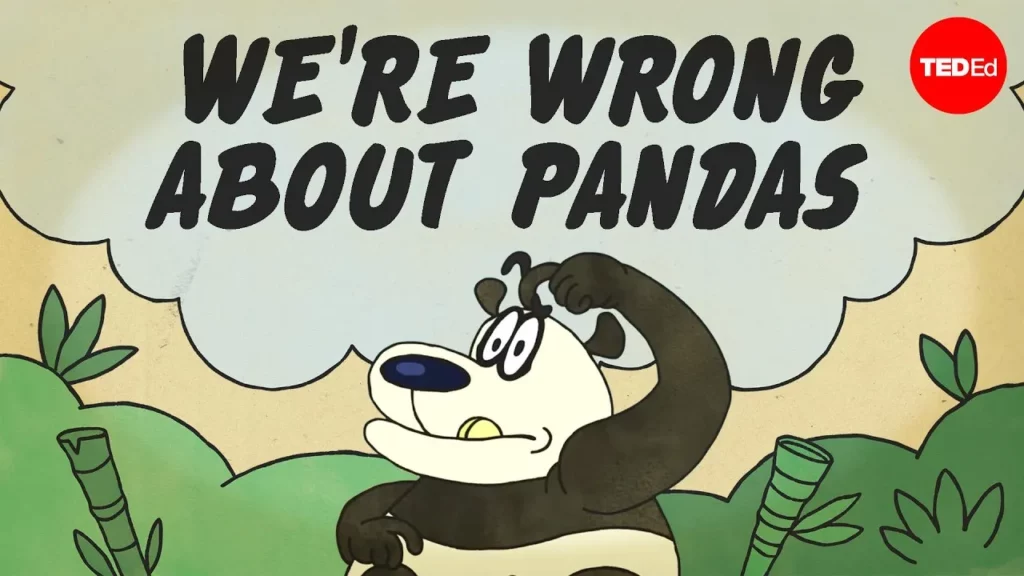
The lesson discusses the complexities and misunderstandings surrounding panda breeding, particularly in captivity. It highlights the challenges zookeepers face in accurately determining panda sex and the limited reproductive window of female pandas, which complicates successful mating efforts. Additionally, it emphasizes the importance of focusing on habitat conservation to support natural panda populations rather than solely relying on breeding programs in zoos.
Why is rice so popular? – Carolyn Beans
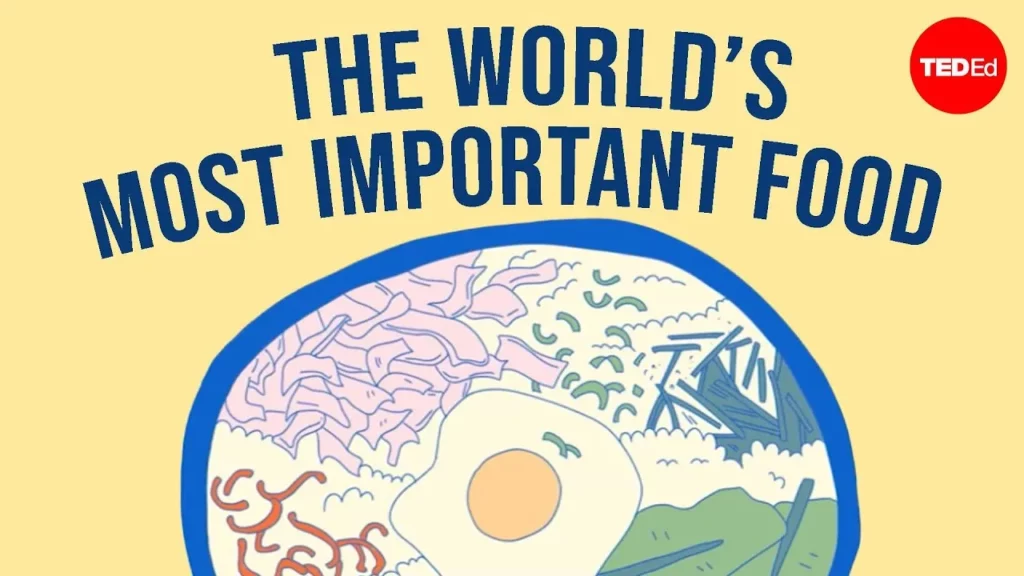
The lesson explores the global significance of rice, highlighting its role as a staple food that provides over 20% of the world’s caloric intake. It traces the history of rice cultivation from its origins in Asia, Africa, and South America to its widespread cultural importance, while also addressing the environmental challenges associated with traditional rice farming methods. The lesson emphasizes the need for sustainable practices, such as alternate wetting and drying, to reduce methane emissions and conserve water, ensuring rice remains a vital food source for future generations.