
How much would it cost to buy the ocean? – Astrid J. Hsu
In the lesson “How Much Would It Cost to Buy the Ocean?” by Astrid J. Hsu, Poseidon seeks to determine the ocean’s value before retiring, leading to an exploration of its vast economic, environmental, and cultural significance. The ocean is valued at approximately $24 trillion, highlighting its critical role in global trade, food security, and climate regulation, while also facing challenges like climate change and pollution. Ultimately, Poseidon realizes that the ocean’s true worth transcends monetary value, prompting him to commit to its protection for future generations.
History vs. Egypt’s “most powerful” pharaoh – Jessica Tomkins
The lesson explores the reign of Pharaoh Ramesses II, known as “Ramesses the Great,” who ruled ancient Egypt for nearly 70 years during a prosperous period. While he is celebrated for his military campaigns, monumental building projects, and impressive propaganda skills, the lesson questions the authenticity of his achievements and whether he truly was the great leader he portrayed himself to be. Ultimately, it highlights how history is often shaped by those in power, emphasizing Ramesses’ ability to craft his legacy through self-promotion.
How to know if you’re being selfish (and whether or not that’s bad) – Mark Hopwood
In this lesson, Mark Hopwood explores the philosophical implications of selfishness through the metaphor of taking the last cupcake at a party. He discusses various philosophical perspectives on human nature, highlighting the tension between self-interest and altruism, and emphasizes the importance of love and attention in overcoming selfish tendencies. Ultimately, the lesson encourages a deeper understanding of self-love and the need to balance personal desires with the well-being of others for a more harmonious existence.
The real reason dodo birds went extinct – Leon Claessens
The lesson explores the history and extinction of the dodo bird, highlighting its unique evolution on Mauritius and its adaptation to the island’s environment. Contrary to popular belief, dodos were not clumsy or unintelligent; they thrived for thousands of years until the arrival of humans and invasive species disrupted their habitat. Ultimately, the dodo’s extinction serves as a reminder of the significant impact human actions can have on vulnerable species.
How does alcohol cause blackouts? – Shannon Odell
The lesson explains how alcohol, particularly its active component ethanol, disrupts memory formation and can lead to blackouts. Through Dr. Donald Goodwin’s 1969 experiment, it is shown that while intoxicated individuals may recall information shortly after consumption, their ability to remember it later diminishes significantly due to ethanol’s interference with neuronal communication and the process of long-term potentiation. Factors such as blood alcohol concentration, dehydration, and individual differences can influence the likelihood of experiencing blackouts, which can have both immediate and long-term detrimental effects on memory and overall brain health.
The corpse flower may keep you up at night – Daniel Nickrent
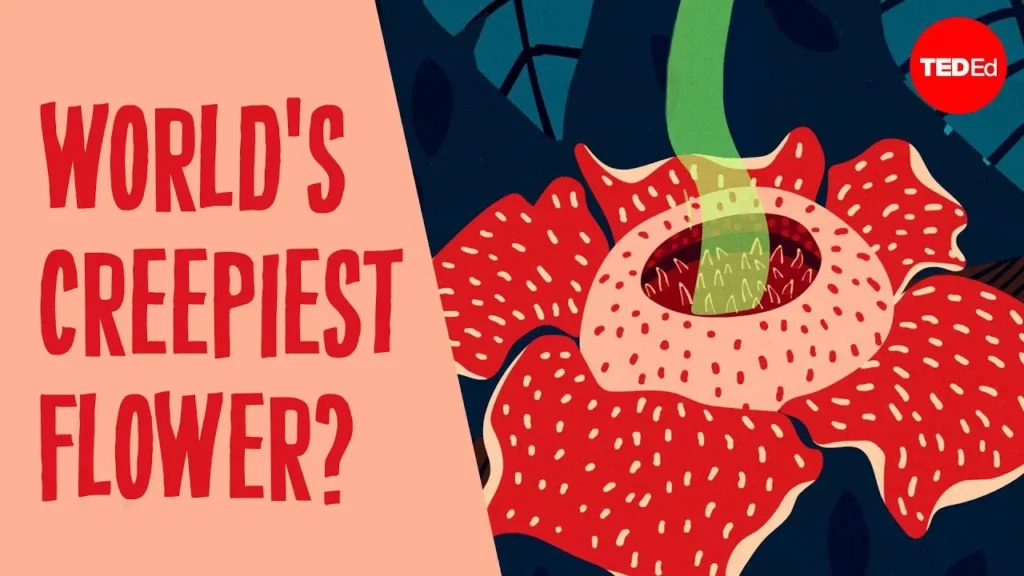
The lesson explores the fascinating life cycle and unique characteristics of the Rafflesia arnoldii, the world’s largest flower, which thrives as a parasitic plant in the Sumatran rainforest. It highlights the flower’s reliance on its host, Tetrastigma, for nutrients and water, its intriguing pollination strategy involving carrion flies, and the mysterious process of seed dispersal. Despite its remarkable adaptations, the challenges of cultivating Rafflesia and the threats to its natural habitat underscore the importance of conserving this extraordinary species.
Is Chandigarh a perfectly planned city? – Vikramāditya Prakāsh
The lesson explores the creation of Chandigarh as a symbol of India’s post-independence vision, highlighting the challenges faced during its planning and construction, including budget constraints and public opposition due to the displacement of local villages. Designed by architects Albert Mayer and Le Corbusier, Chandigarh features innovative urban planning with a focus on green spaces, efficient transportation, and eco-friendly architecture, ultimately becoming a model of modern urban design despite issues of social segregation and limited industrial growth. Today, it stands as one of India’s greenest cities, celebrated for its high quality of life and enduring design principles.
The Fijian myth of the greedy god – Raiana McKinney and Esther Wozniak
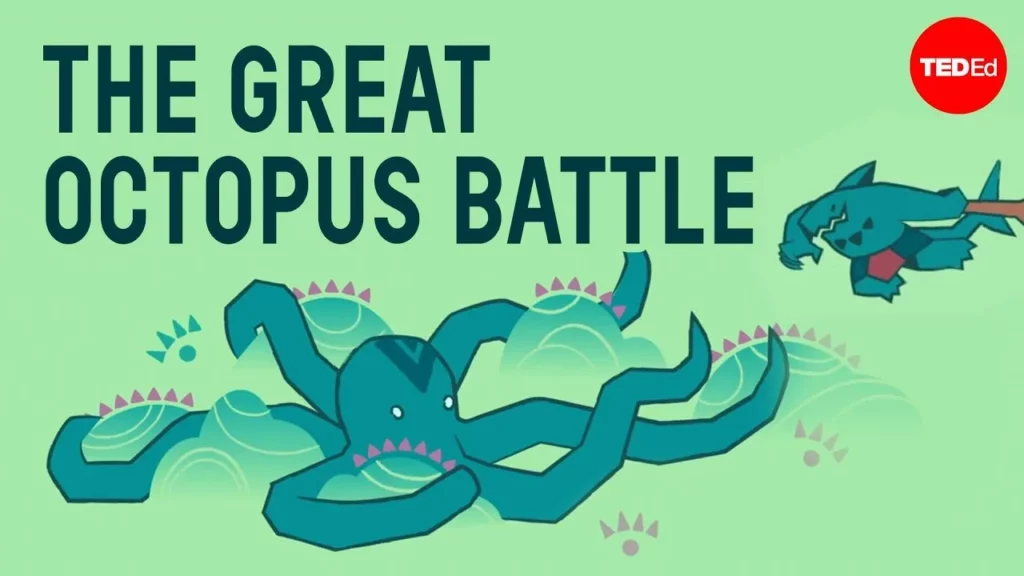
The Fijian myth of the greedy god Dakuwaqa tells the story of a powerful shark god who, in his quest for dominance, engages in fierce battles with other gods, causing chaos and destruction. After facing defeat at the hands of Rokobakaniceva, an octopus god, Dakuwaqa experiences a transformative moment that leads him to abandon his arrogant ways and instead commit to protecting the people of Fiji. In gratitude for his newfound benevolence, the Fijian people honor him with traditional offerings, ensuring his continued protection and blessings.
Why can’t you put metal in a microwave? – Aaron Slepkov

The lesson explains the origins and functioning of microwave ovens, highlighting their invention by Percy Spencer during World War II when he discovered that microwaves could heat food by causing water molecules to vibrate. It emphasizes the importance of understanding the interaction between microwaves and materials, particularly metal, which can cause sparks and potentially dangerous situations due to its conductive properties. Overall, the lesson underscores the safety precautions necessary when using microwaves to ensure effective cooking.
When ancient wisdom beats modern industry – Rebecca Webster
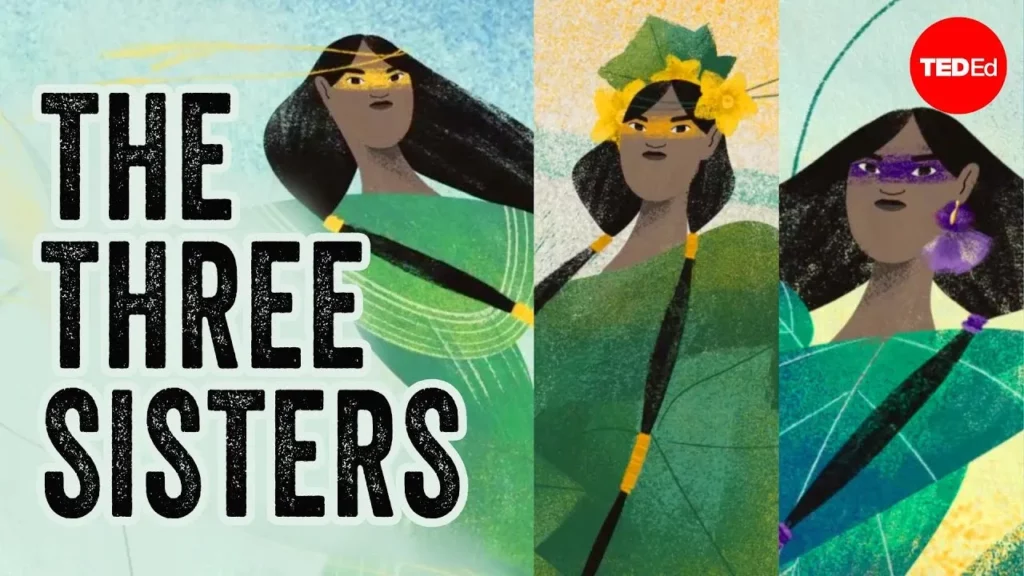
In her lesson, Rebecca Webster highlights the transformative vision of Seneca Chief Handsome Lake, who, inspired by the ancient agricultural wisdom of the Three Sisters—corn, beans, and squash—resolved to preserve this knowledge for his community amidst the devastation of the Haudenosaunee Confederacy. The Three Sisters method exemplifies sustainable farming practices that enhance soil health and reduce reliance on chemical fertilizers, offering valuable lessons for modern agriculture, which often suffers from monocropping and environmental degradation. By embracing regenerative agriculture, we can honor traditional practices while addressing contemporary agricultural challenges.