
Can you solve the magical maze riddle? – Alex Rosenthal
In the lesson “Can You Solve the Magical Maze Riddle?”, participants are tasked with organizing the Sly Wizard Tournament, which is disrupted by a dark wizard’s forgetting curse that leaves the organizer unable to recall the event’s outcomes. By analyzing the scoring system and clues provided, learners deduce that Leib-ton’s team won the tournament with a total of 22 points, while the other two teams scored 9 points each, ultimately solving the mystery and restoring order to the wizarding world.
How humanity got hooked on coffee – Jonathan Morris
The lesson explores the origins and evolution of coffee, beginning with the legendary goatherd Kaldi in 850 CE, who discovered the energizing effects of coffee berries. It traces coffee’s journey from Ethiopia to the Middle East and Europe, highlighting its rise as a social and cultural phenomenon, the establishment of coffeehouses, and the impact of colonialism on coffee cultivation. Despite its widespread popularity, the lesson also addresses the challenges faced by coffee workers and the ongoing efforts to promote ethical production amidst climate change threats.
5 philosophers on anger – Delaney Thull
The lesson explores the complex nature of anger through the insights of various philosophers, each offering unique perspectives on when and how it is morally acceptable to feel angry. Aristotle emphasizes the importance of balance and practical wisdom in emotional responses, while Stoics view anger as unproductive. Other thinkers, like Śāntideva and P.F. Strawson, highlight the challenges of controlling anger and its role in social accountability, respectively, while Martha Nussbaum warns against the potential negative consequences of anger, advocating for a measured approach to this powerful emotion.
One of the world’s oldest condiments – Dan Kwartler
The lesson explores the fascinating history of ketchup, tracing its origins from ancient fish sauce used in China, Greece, and Rome to its evolution into the various sauces of Europe in the 1600s. By the early 19th century, American chefs began experimenting with tomatoes, leading to the creation of tomato ketchup, which gained immense popularity in the late 1800s thanks to innovations by companies like Heinz. Today, ketchup is a staple condiment in many households, showcasing its remarkable transformation over the centuries.
Why was the Rosetta Stone so important? – Franziska Naether
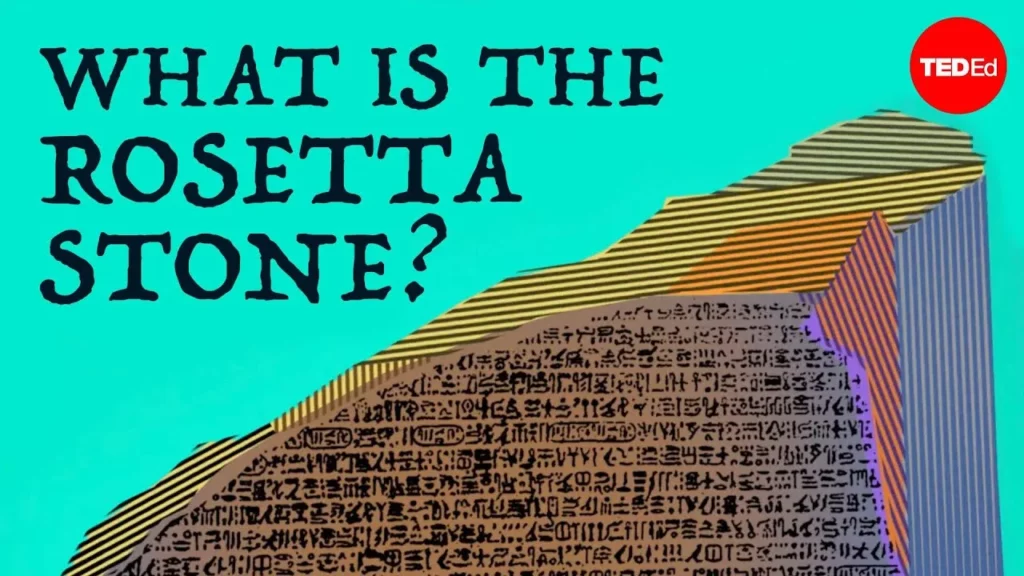
The Rosetta Stone was crucial in deciphering ancient Egyptian hieroglyphs, which had puzzled scholars for centuries. Discovered in 1799, it features inscriptions in three scripts—hieroglyphs, Demotic, and Ancient Greek—allowing researchers like Jean-François Champollion to unlock the meanings of hieroglyphs by recognizing their phonetic nature. This breakthrough not only facilitated the translation of Egyptian texts but also deepened our understanding of ancient Egyptian culture and history.
What causes addiction, and why is it so hard to treat? – Judy Grisel
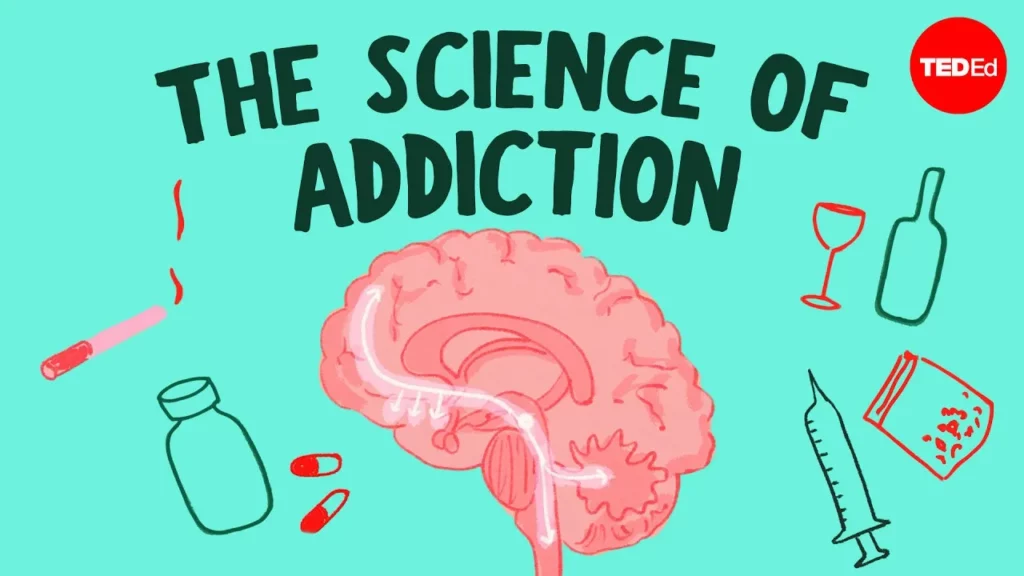
The lesson on “Understanding Addiction: Causes and Challenges in Treatment” highlights the complexity of substance use disorders, affecting over 36 million people globally as of 2021. It explains how addiction alters brain chemistry, particularly through the reward pathway and dopamine release, leading to tolerance, dependence, and withdrawal symptoms. Additionally, the lesson emphasizes the multifaceted nature of addiction, influenced by genetic, environmental, and psychological factors, and underscores the importance of comprehensive treatment approaches for effective recovery.
The underground cities of the Byzantine Empire – Veronica Kalas
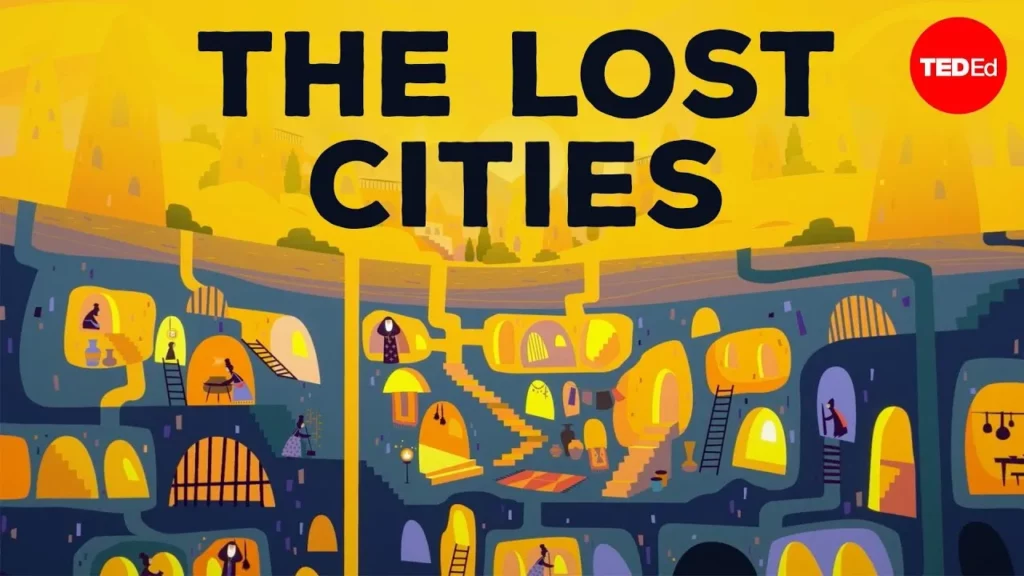
The lesson explores the underground cities of Cappadocia, a remarkable feat of ancient engineering from the Byzantine Empire, formed in response to frequent sieges during the Middle Ages. These subterranean settlements, characterized by intricate designs and essential living spaces, were carved into volcanic rock, providing refuge and stability for their inhabitants. As the region transitioned through various control, these cities evolved into significant cultural and artistic sites, now recognized as international heritage locations that attract researchers and tourists alike.
The Greek myth of Demeter’s revenge – Iseult Gillespie
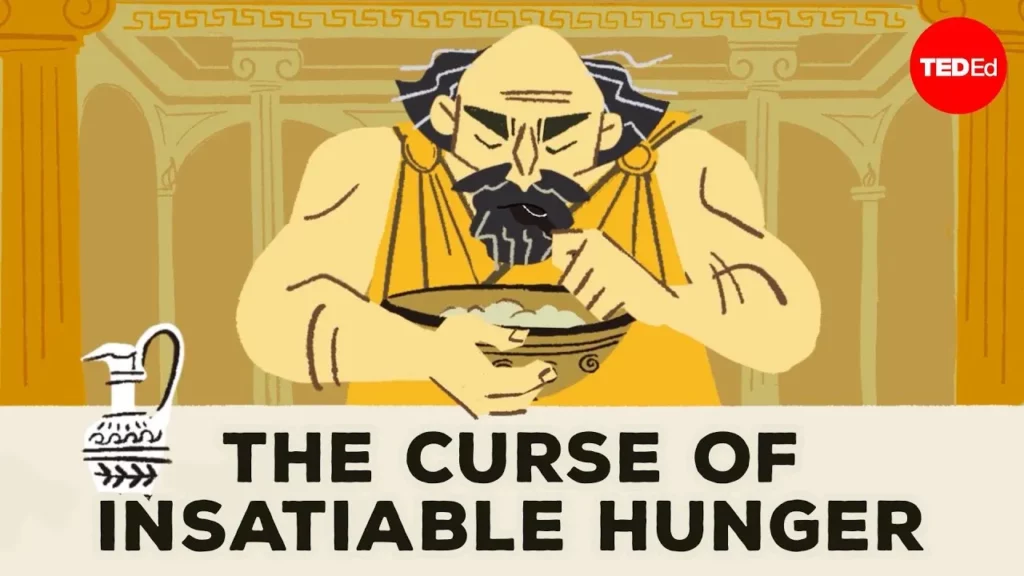
The Greek myth of Demeter’s Revenge tells the story of Princess Mestra, whose father, King Erysichthon, faced dire consequences for disrespecting the goddess Demeter by destroying her sacred grove. In his quest for self-glorification, he became cursed with insatiable hunger, leading to his downfall and the sale of Mestra into slavery. Ultimately, through her newfound ability to transform and escape, Mestra breaks free from her father’s greed and the cycle of suffering, finding liberation from the wrath of the gods.
What Earth in 2050 could look like – Shannon Odell
The lesson discusses the potential consequences of climate change by 2050 if current trends continue, highlighting extreme weather events, health impacts, and societal challenges such as displacement and food scarcity. It emphasizes that while the future appears daunting, there is still hope for improvement through effective policies and collective action aimed at reducing emissions and promoting sustainability. Ultimately, the lesson underscores the urgency of addressing climate change to mitigate its severe impacts on the planet and its inhabitants.
What is earwax — and should you get rid of it? – Henry C. Ou
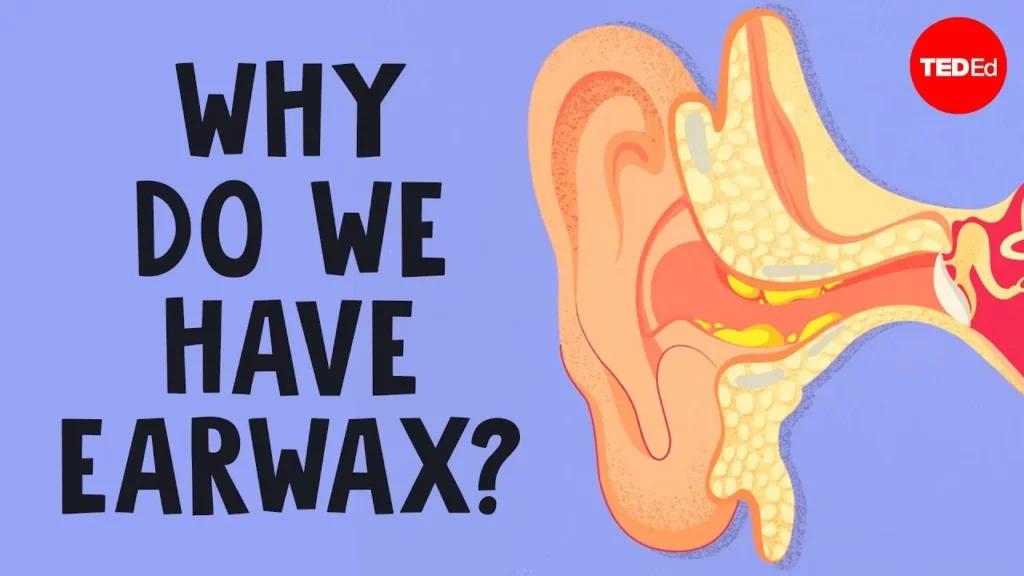
The lesson explains the nature and purpose of earwax, or cerumen, highlighting its role in maintaining ear health by moisturizing the ear canal and trapping dirt and germs. It cautions against common cleaning methods, such as cotton swabs and ear candling, which can push wax deeper or cause injury, and suggests safer alternatives for managing earwax buildup, particularly in older adults. Overall, it emphasizes that unless there is a blockage, it’s generally best to leave earwax alone.