
Why is “The Scream” screaming? – Noah Charney

In the lesson “Why is ‘The Scream’ Screaming?” by Noah Charney, the enduring power of Edvard Munch’s iconic painting is explored through the artist’s tumultuous life experiences and emotional struggles. Munch, influenced by personal loss and illness, sought to express raw emotions rather than realistic depictions in his art, culminating in “The Scream,” which symbolizes profound angst and has become a cultural icon. The painting’s legacy, marked by its bold expressionism and widespread recognition, reflects a universal resonance with themes of horror and anxiety.
The true story behind the legend of the 47 Rōnin – Adam Clulow

The lesson explores the historical events surrounding the 47 rōnin, a group of masterless samurai in Edo-period Japan who sought to avenge their lord Asano Naganori after he was forced to commit seppuku for attacking a court official. Despite the Tokugawa government’s efforts to maintain peace and control over the samurai class, the rōnin’s actions sparked a legendary tale of loyalty and honor, leading to their eventual execution by seppuku after they successfully killed Kira Yoshinaka. This story has since become a cultural touchstone in Japan, reflecting the enduring complexities of loyalty, honor, and the law.
How to prevent political corruption – Stephanie Honchell Smith

The lesson by Stephanie Honchell Smith highlights the pervasive issue of political corruption, illustrated by Mcebisi Jonas’s encounter with the Gupta family in South Africa, where he was offered a bribe to misuse his position. It emphasizes that corruption, which can manifest in various forms across different sectors, undermines public trust and resources. To combat this, the lesson advocates for transparency, accountability, and active citizen engagement, showcasing how Jonas’s refusal to accept corruption played a crucial role in challenging systemic wrongdoing.
The Nazis recruited to win the Cold War – Brian Crim

The lesson discusses Operation Paperclip, a secret initiative by the United States to recruit over 1,500 German scientists, including Wernher von Braun, after World War II to gain an advantage in the emerging Cold War. Despite their contributions to American advancements in technology and space exploration, the operation raised ethical concerns regarding the recruitment of individuals with Nazi affiliations and the implications of prioritizing national security over moral accountability. Ultimately, it highlights the complex relationship between science, ethics, and the responsibilities of scientists in military contexts.
Picture a perfect society. What does it look like? – Joseph Lacey

The lesson explores John Rawls’ concept of a fair society through the thought experiment of the “veil of ignorance,” which encourages individuals to design a just society without knowledge of their personal circumstances. Rawls advocates for equal basic liberties, fair equality of opportunity, and a “difference principle” that allows for wealth inequalities only if they benefit the least advantaged. Despite critiques of his ideas, Rawls’ vision of a “property-owning democracy” has significantly influenced discussions on social justice and equality in contemporary political philosophy.
Does math have a major flaw? – Jacqueline Doan and Alex Kazachek

The lesson explores the intriguing Banach-Tarski paradox, which demonstrates a striking discrepancy between mathematical theory and everyday experiences by showing how a sphere can be decomposed and reassembled into two identical spheres using the Axiom of Choice. It emphasizes the importance of axioms as foundational truths in mathematics, illustrating how slight modifications can lead to entirely different mathematical structures. Ultimately, the lesson invites reflection on the role of the Axiom of Choice in mathematics, balancing its counterintuitive implications with its essential contributions to various fields.
The rise and fall of the Maya Empire’s most powerful city – Geoffrey E. Braswell
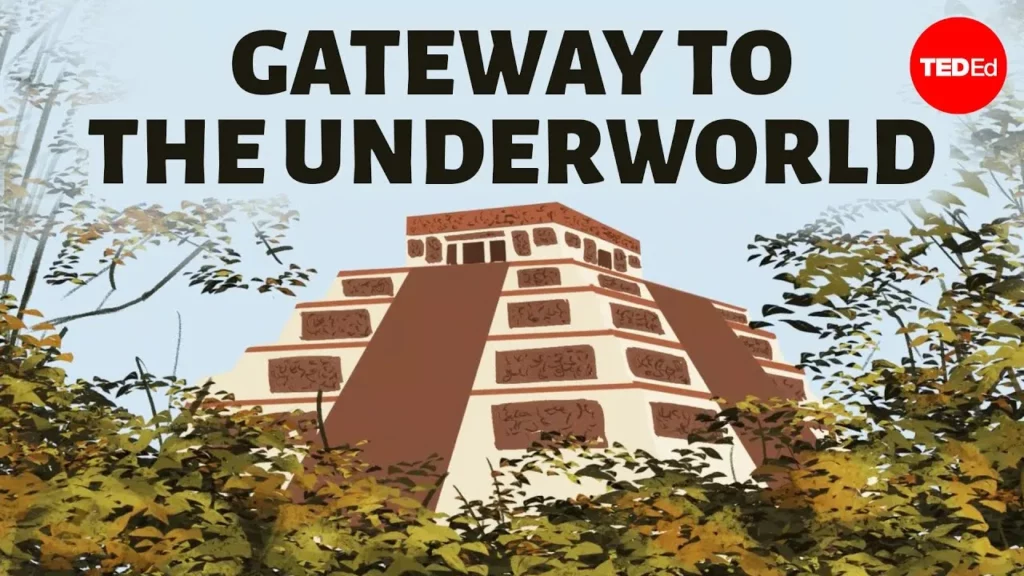
The lesson explores the rise and fall of Chichen Itza, the most powerful city of the Maya Empire during its golden age in the 9th century, under the leadership of Lord K’ak’ Upakal. The city thrived due to its innovative governance, strategic trade, and agricultural practices, as well as its rich religious and cultural significance. However, a prolonged drought beginning around 1020 CE led to its decline, ultimately resulting in the rise of Mayapan as the new dominant city in the region, though Chichen Itza’s legacy endures through its preserved structures and historical importance.
How do gas masks actually work? – George Zaidan
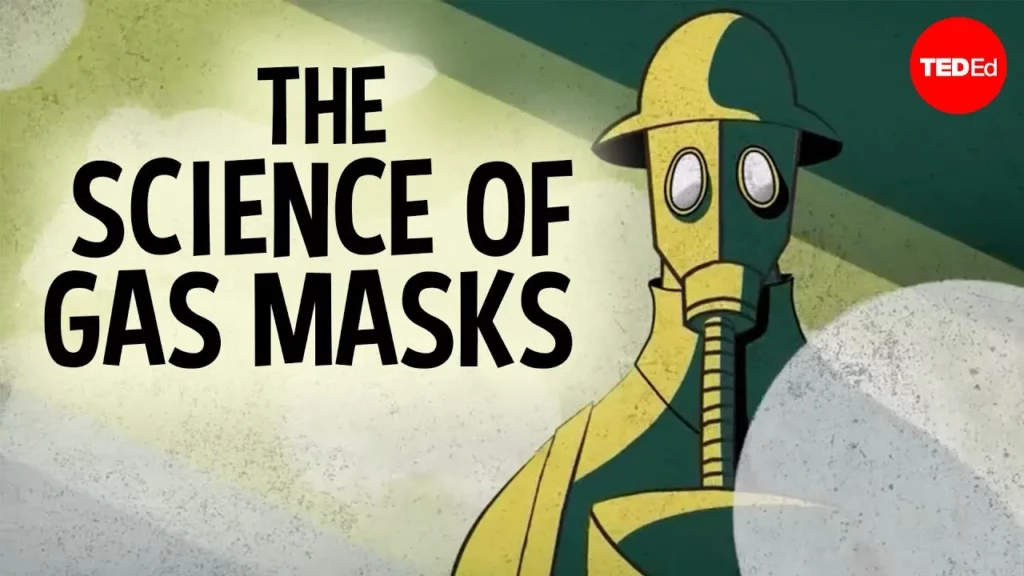
The lesson explains the functionality of gas masks, highlighting their importance in protecting against harmful air pollutants, especially in the context of increasing wildfires and air quality issues. It details how masks filter out pollutants through size-based mechanisms and chemical attraction, emphasizing the need for a proper fit to ensure effectiveness. Additionally, it advises on maintaining indoor air quality and safety measures to complement mask use.
How to increase your happiness

The lesson emphasizes that true happiness can be cultivated through gratefulness rather than external achievements or possessions. By adopting a mindset of gratitude—recognizing every moment as a gift and actively seeking opportunities to appreciate life—we can enhance our happiness and foster a more connected and caring world. The simple practice of “Stop, Look, Go” encourages us to pause, observe the positives around us, and take action to spread joy and appreciation.
Why do bugs swarm over water? – Luke M. Jacobus
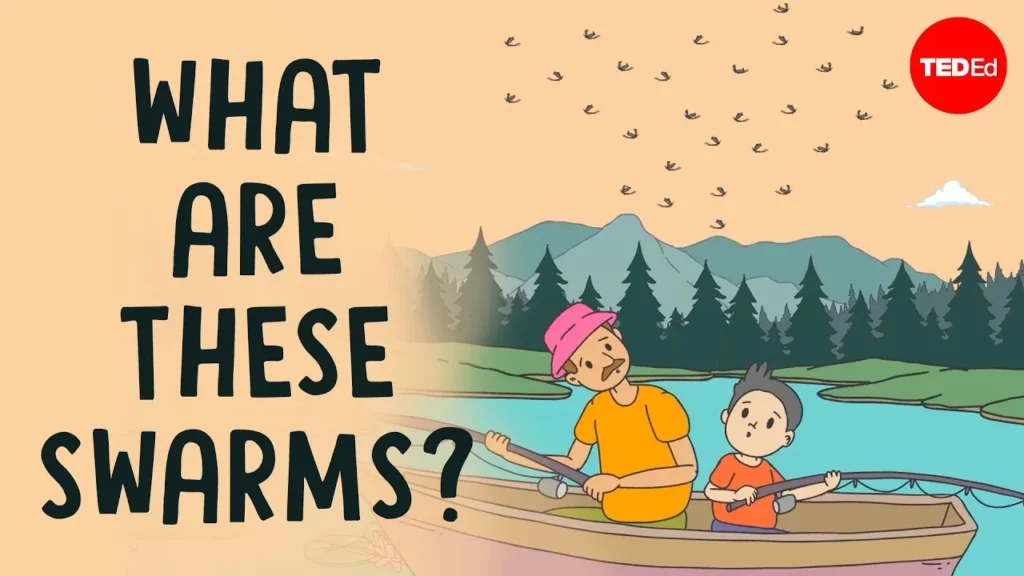
The lesson explores the fascinating life cycle of mayflies, particularly their brief adult phase during which they swarm over water to reproduce. With a lifespan of just a day or even minutes, mayflies have evolved to prioritize egg production, carrying thousands of eggs to ensure their species’ survival. Their presence in freshwater ecosystems is crucial, as they serve as a key food source for fish and indicate water quality, making them important indicators of environmental health.