
How could so many people support Hitler? – Joseph Lacey

The lesson explores Hannah Arendt’s insights from the trial of Adolf Eichmann, emphasizing her concept of “the banality of evil,” which suggests that ordinary individuals can commit horrific acts by conforming to societal roles. Arendt argues that the rise of totalitarianism is facilitated by a lack of critical thinking and self-reflection, leading to social isolation and a diminished sense of individual agency. She advocates for creating spaces for open dialogue and critical engagement to counteract these tendencies and foster a more reflective society.
Scientists are obsessed with this lake – Nicola Storelli and Daniele Zanzi

The lesson explores the significance of Lake Cadagno, a unique meromictic lake in the Swiss Alps, which features distinct layers of water that do not mix—one oxygen-rich and the other anoxic and sulfur-rich. This environment supports ancient anaerobic microorganisms, providing scientists with a rare opportunity to study conditions similar to those before the Great Oxygen Catastrophe, offering insights into early life forms and their evolutionary adaptations. The interactions between the layers also contribute to the lake’s food chain, highlighting the complex relationships within this isolated ecosystem.
What happened when these 6 dictators took over? – Stephanie Honchell Smith
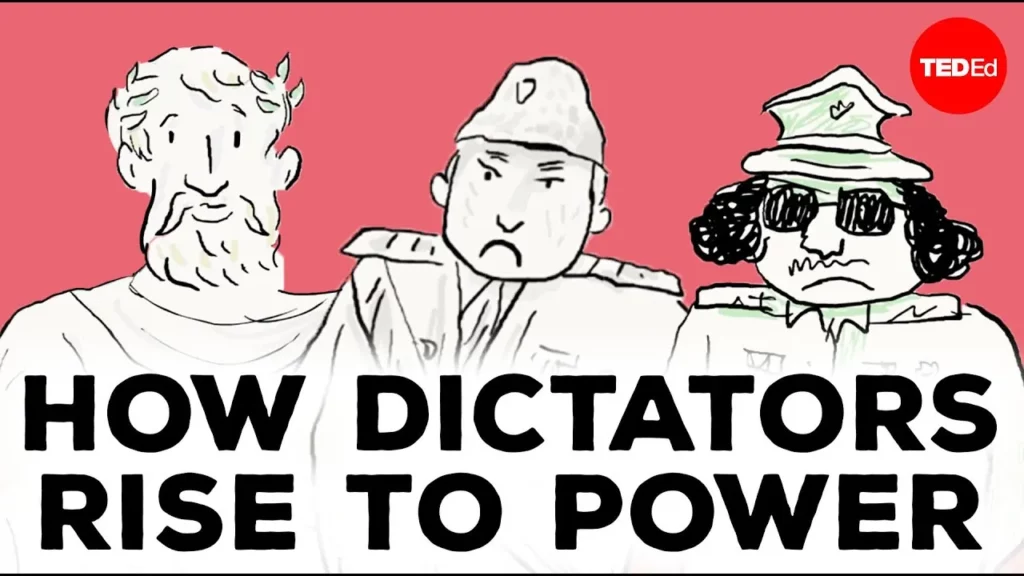
The lesson explores the contrast between the ideal of a “benevolent dictator,” exemplified by the ancient Roman figure Cincinnatus, and the harsh realities of modern dictatorships. While Cincinnatus used his absolute power for the good of Rome and willingly relinquished it, contemporary dictators often rise to power during crises, promising quick solutions but ultimately leading to oppression and corruption. The lesson emphasizes the importance of democratic institutions and accountability to prevent the concentration of power and protect citizens’ rights.
Can AI predict someone’s breakup? – Thomas Hofweber

The lesson explores the implications of using AI to predict the likelihood of divorce, highlighting the challenges of explainability and accountability in AI-driven decision-making. While the AI claims a high accuracy rate in predicting breakups, the lack of transparency in its reasoning raises ethical dilemmas about relying on such predictions to make significant life choices. Ultimately, the decision to marry should be based on personal values and authentic connections rather than solely on data-driven forecasts.
Why don’t “tough” and “dough” rhyme? – Arika Okrent
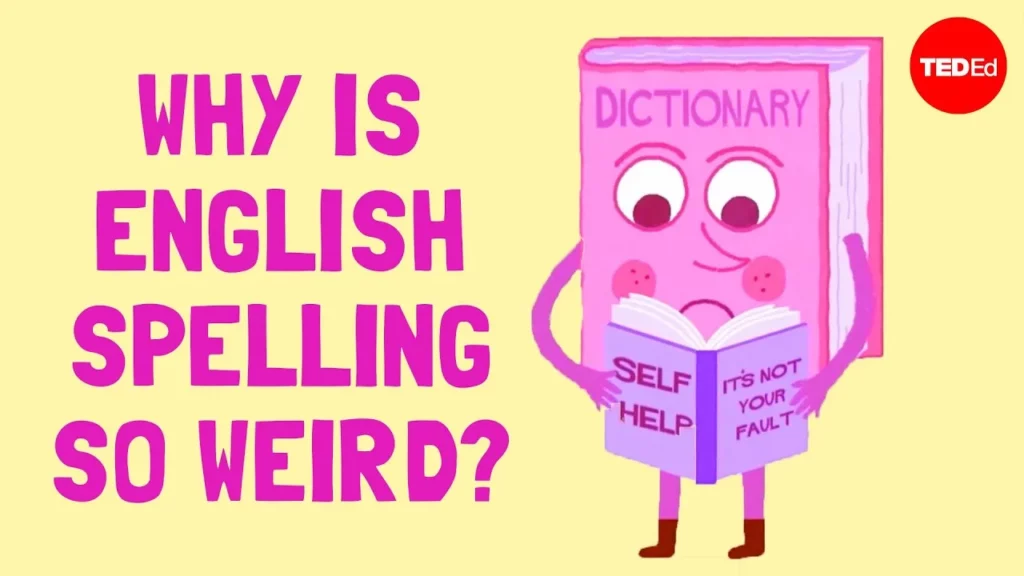
The lesson explores the complexities of English spelling and pronunciation, using the example of the words “tough” and “dough” to illustrate how historical influences have led to their differing pronunciations despite similar spellings. It highlights the impact of various linguistic changes, including the mixing of Germanic, French, and Latin languages, the invention of the printing press, and the Great Vowel Shift, all of which contribute to the challenges of learning English. Ultimately, the lesson emphasizes that English’s unique spelling and pronunciation rules are a result of its rich and complicated history.
How does an air conditioner actually work? – Anna Rothschild
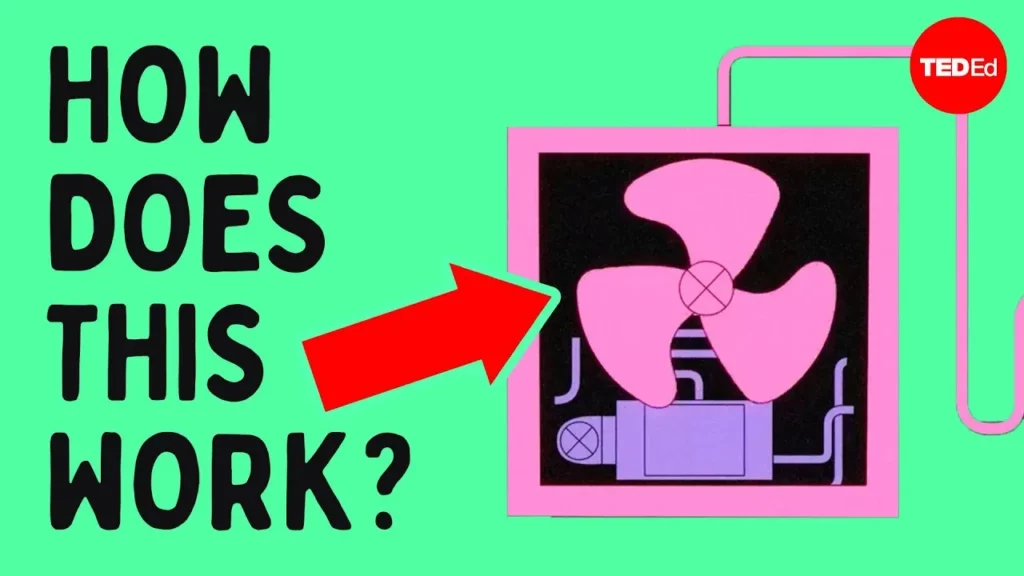
This lesson explains the science and technology behind air conditioners and heat pumps, highlighting their efficiency in cooling and heating spaces. It details the process by which air conditioners remove heat from indoor air and release it outside, while also discussing the environmental benefits and challenges associated with heat pumps, including the need for greener refrigerants and their performance in cold weather. Overall, it emphasizes the importance of these technologies in promoting comfort and reducing carbon emissions as we strive for a more sustainable future.
How did ancient civilizations make ice cream? – Vivian Jiang
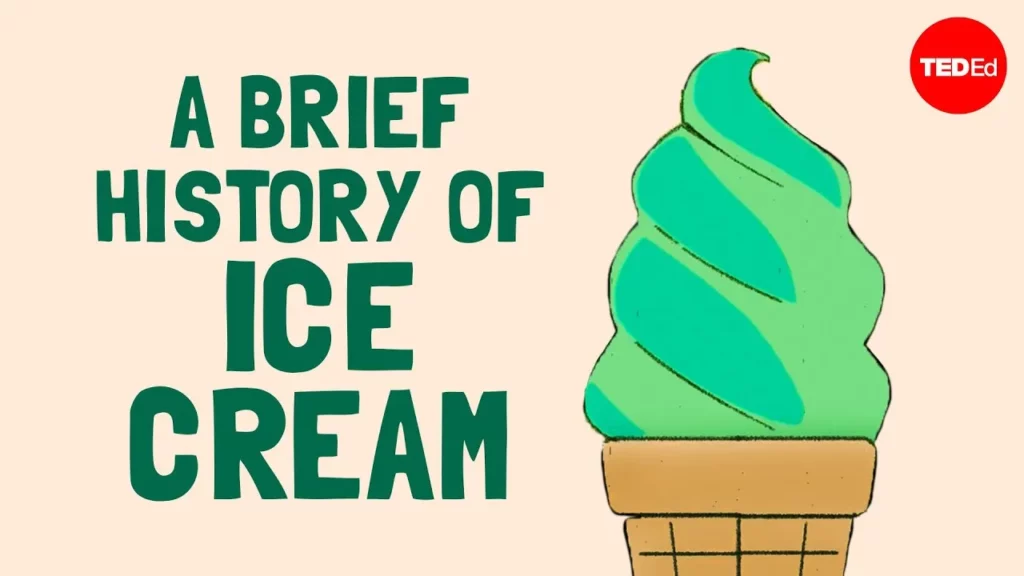
The lesson explores the fascinating history of ice cream, tracing its origins from ancient civilizations like Rome and Persia, where it was a luxury for the elite, to its evolution into a popular treat accessible to everyone. It highlights key developments, such as the invention of the ice cream-making machine in the 19th century and the impact of Italian immigrants in popularizing ice cream in urban areas. Ultimately, the lesson illustrates how ice cream has transformed over time, becoming a beloved dessert worldwide.
Can you transplant a head to another body? – Max G. Levy

The lesson explores the ambitious and controversial experiment conducted by neurosurgeon Robert White in 1970, where he attempted to perform a head transplant on monkeys, raising significant ethical, biological, and philosophical questions about the feasibility and implications of body transplants. Despite overcoming technical challenges, such as brain cooling to prevent damage during surgery, the experiment highlighted the complexities of identity and consciousness, as well as the ethical dilemmas surrounding such radical medical procedures. White’s work, while groundbreaking, left unresolved debates about the nature of self and the moral considerations of extending life through potentially painful and risky interventions.
How to love, according to Rumi – Stephanie Honchell Smith

The lesson explores the transformative journey of Rumi, a renowned poet and mystic, whose encounter with Shams of Tabriz shifted his focus from scholarly pursuits to a profound spiritual quest centered on divine love. Rumi’s teachings emphasize that true love transcends knowledge and is a universal experience, encouraging individuals to open their hearts to all of creation. His legacy, encapsulated in his poetry, continues to inspire and resonate with people across cultures, highlighting the enduring power of love and spirituality.
These animals can hear everything – Jakob Christensen-Dalsgaard
The lesson explores the remarkable hearing abilities of various animals, highlighting how they perceive sounds beyond human capabilities. It details the unique adaptations of creatures like owls, jerboas, and whales, which have evolved specialized structures to detect a wide range of frequencies, from low vibrations to high-pitched sounds. Overall, the diversity of hearing mechanisms in the animal kingdom illustrates the critical role sound plays in survival and interaction with their environments.