
25 Game Dev Tips for Beginners – Tips & Tricks
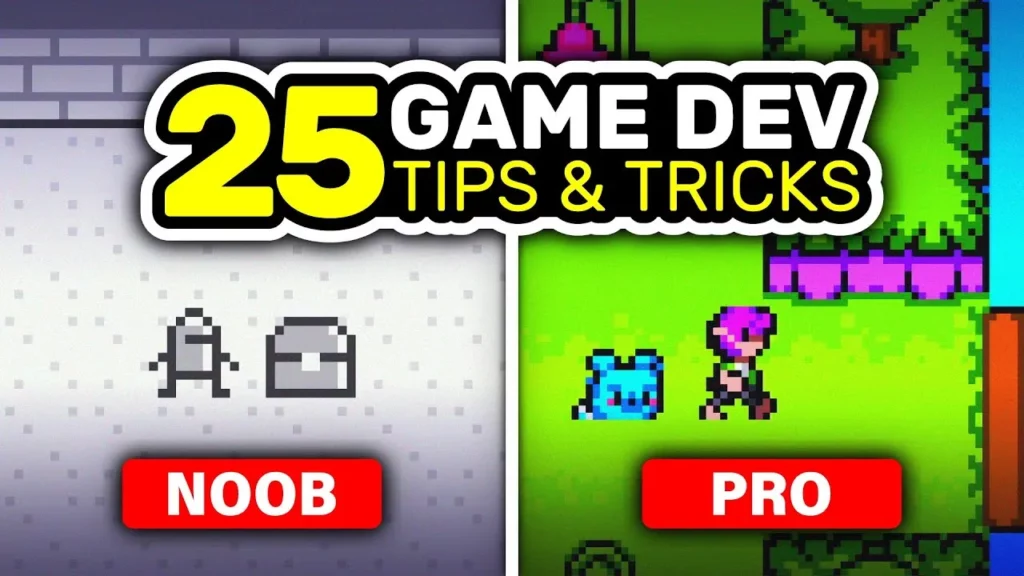
This lesson provides 25 essential tips for aspiring game developers, emphasizing the importance of prototyping, seeking early feedback, and committing to a project. It encourages creators to draw inspiration from everyday life, plan for extended development timelines, and maintain consistency in their tools and coding practices. Additionally, it highlights the value of starting small, mastering fundamentals, and staying motivated throughout the game development journey.
How to Stay Organized and Actually Finish Your Games
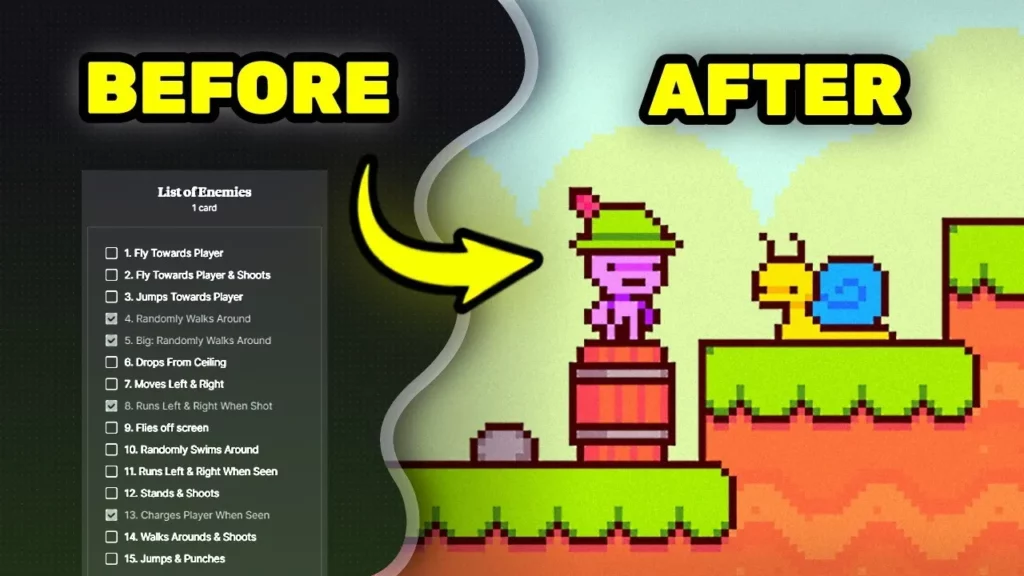
In this lesson, the author emphasizes the importance of organization in game development and shares their transformative experience using Millinote as a project management tool. After struggling with various methods and software, Millinote’s unique features, such as boards-within-boards and a freeform canvas, have significantly improved their workflow for the game *Blizzard Blowout 64*. The author encourages others to embrace creative organization to enhance productivity and avoid distractions in their projects.
How To Get Started With Game Dev (Beginner’s Guide)
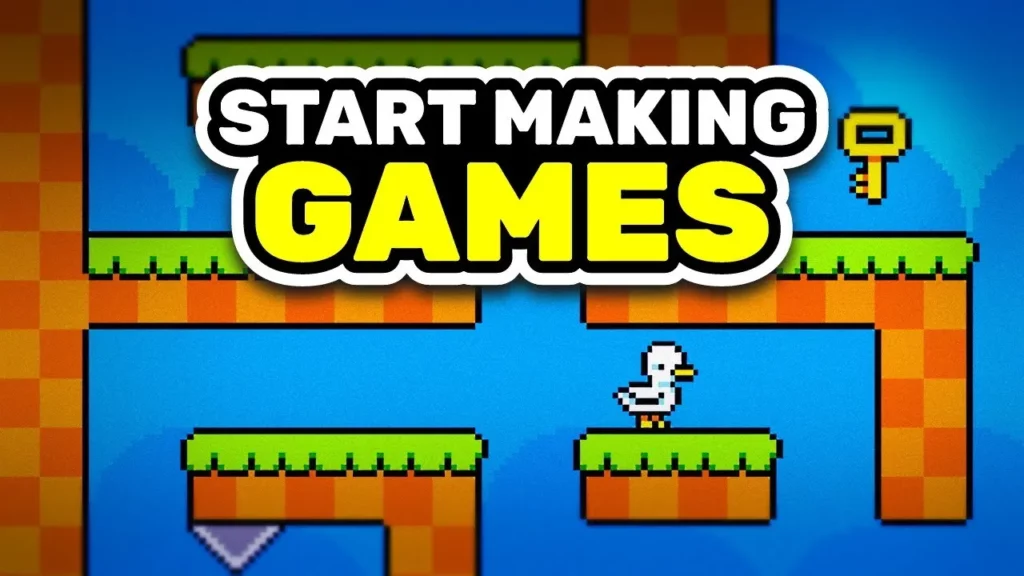
In this beginner’s guide to game development, you will learn how to create your own video game using GDevelop, a user-friendly and free game engine. The lesson covers essential steps, including developing a simple game concept, creating pixel art, and utilizing visual scripting for programming game mechanics, all while working on a fun duck-themed game. By starting small and gradually expanding your project, you’ll gain the skills and confidence to explore more complex game development in the future.
Pixel Art Tips that Every Artist Should Know (ft. @SquidGodDev )

In the lesson “Pixel Art Tips Every Artist Should Know,” the author shares valuable insights gained from collaborating on a fishing game for the Playdate console. Key tips include prioritizing functionality over aesthetics, opting for stylized art to ensure longevity, utilizing a limited color palette for consistency, and the importance of referencing real images for accuracy. Additionally, the lesson emphasizes the need for organization in artwork, the role of practice in achieving consistency, and the constructive nature of feedback for artistic growth.
Overhauling my Indie Game in ONE WEEK
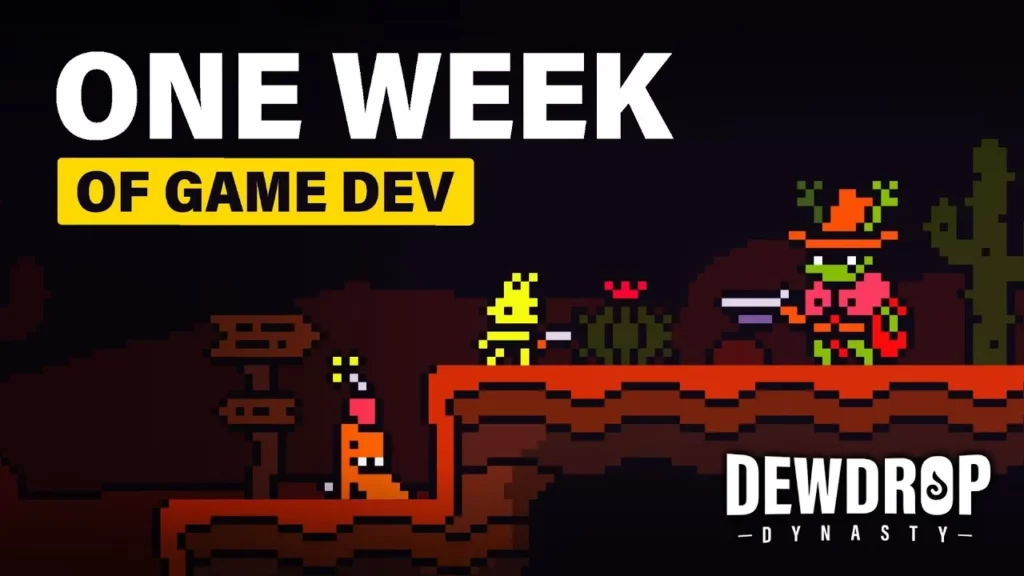
In this devlog for *Dewdrop Dynasty*, the creator outlines a week-long overhaul of their retro-inspired Metroidvania game, focusing on enhancing both visuals and mechanics after three years of development. Key improvements include a revamped HUD, new player abilities, an updated camera system, and the introduction of locks, keys, and a currency system to deepen gameplay. The creator emphasizes the importance of daily engagement with the project and hints at future updates, including new locations and features, while expressing gratitude to their supporters.
I’ve Secretly Been Working on an MMORPG
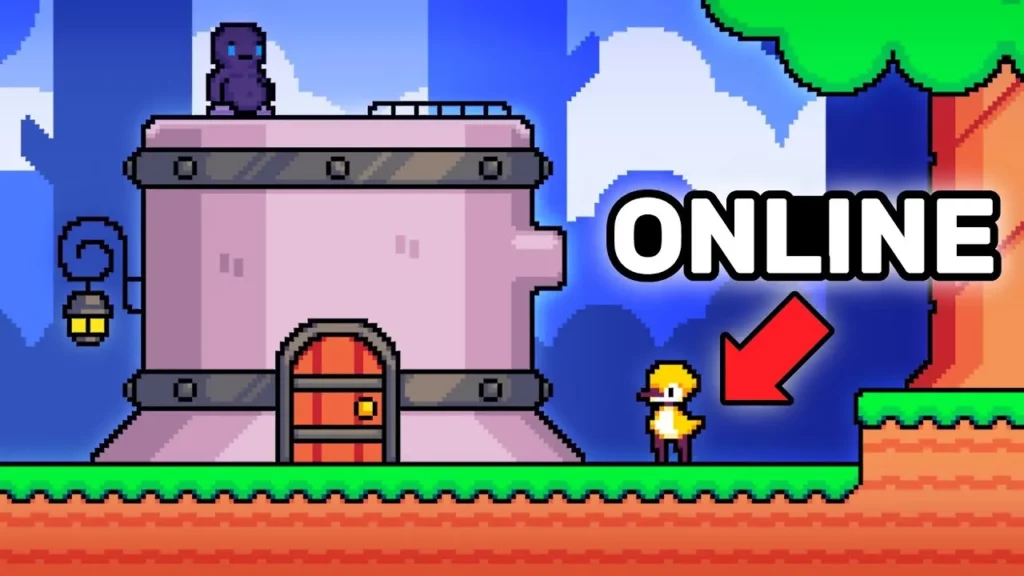
In this lesson, the author shares their journey of secretly developing an MMORPG, driven by a passion for the genre and a challenge posed by a Quora user. After facing setbacks with previous projects due to limitations of the Construct 2 engine, they transitioned to the Godot engine, creating multiple prototypes, including a survival game and a side-scroller, while learning valuable lessons about game development, networking, and security. The author expresses gratitude for community support and looks forward to completing their current project, Dewdrop Dynasty, before revisiting earlier concepts.
How Time is Killing my Game
In this lesson, the developer reflects on the challenges of game development, particularly the impact of time on their project, Dewdrop Dynasty. They emphasize the importance of timely releases and sustaining audience interest, while sharing their journey of revamping the game and launching a Kickstarter campaign to secure funding for completion. Ultimately, the developer seeks community support to determine the future of Dewdrop Dynasty, highlighting the balance between personal life and the demands of game development.
The Most CURSED Games I’ve Ever Created…
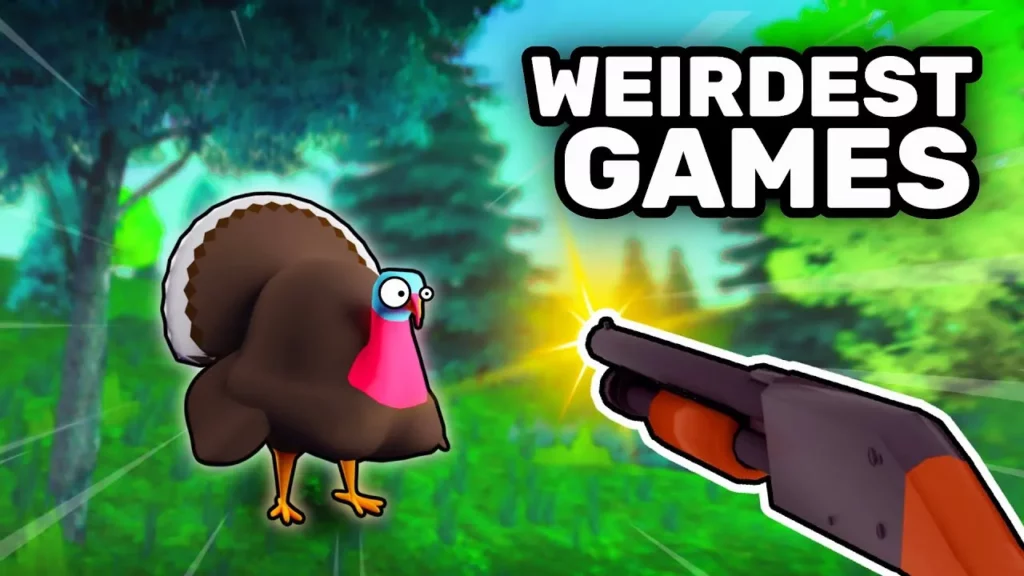
In this lesson, the creator reflects on their early game development experiences by revisiting some of their first projects, including “Bomb Bash,” “MooMoo Man,” and a turkey hunting game. Each game showcases unique mechanics and creative ideas, highlighting the importance of experimentation and learning from mistakes in the development process. The creator emphasizes that while these games may not be perfect, they represent significant growth and joy in their journey as a developer.
Making a Game in Python with No Experience
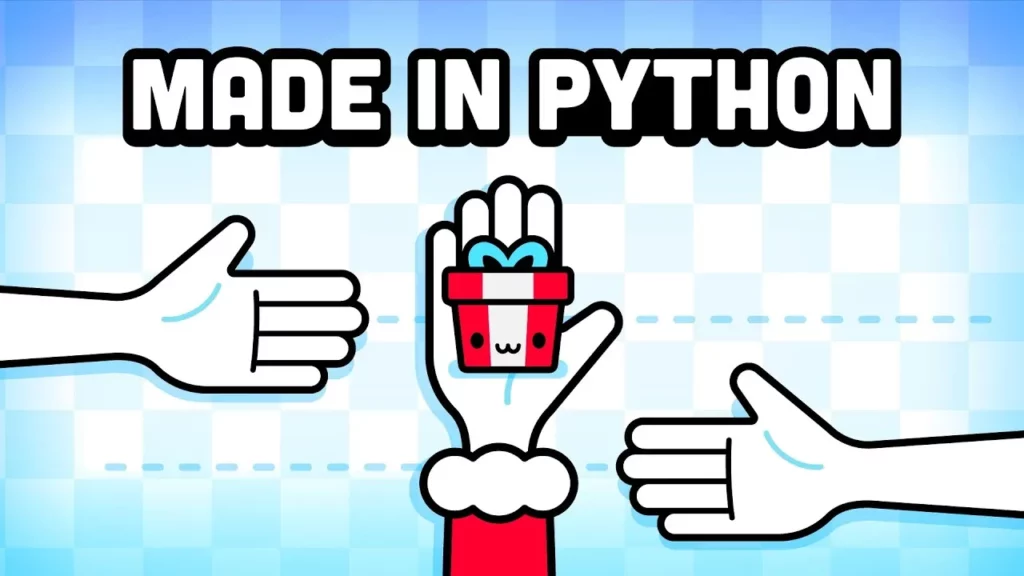
In this lesson, the author shares their journey of creating a game in Python using the Pygame framework, emphasizing the ease of use and accessibility of Python for beginners. They detail the process of brainstorming a game concept, developing characters and gameplay mechanics, and enhancing the game with sound effects and music, ultimately resulting in a fun and engaging project titled “Don’t Touch My Present.” The author encourages others to explore game development with Pygame and invites feedback on their creation.
Making a Game With C++ and SDL2
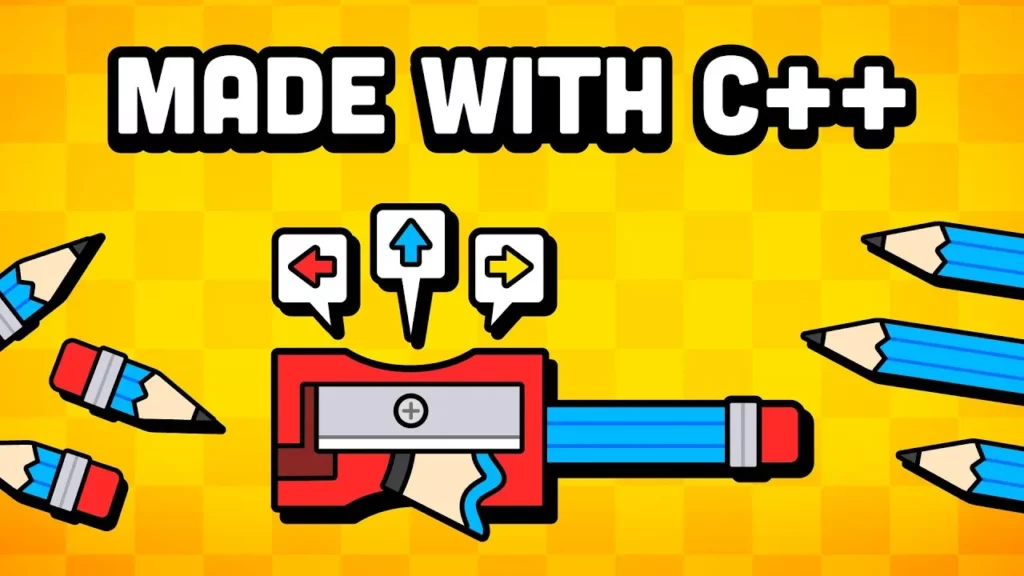
In this lesson, the author shares their journey of creating a game using C++ and the SDL2 framework, highlighting the challenges faced along the way, such as initially coding in C instead of C++. After conceptualizing a game called “Pencil Sharpening Championship,” they successfully developed it by focusing on artwork, gameplay mechanics, and incorporating sound, ultimately reflecting on the experience as a significant learning opportunity despite their artistic background. The project not only enhanced their programming skills but also resulted in a playable game available for others to enjoy.