
The Story of Cholera
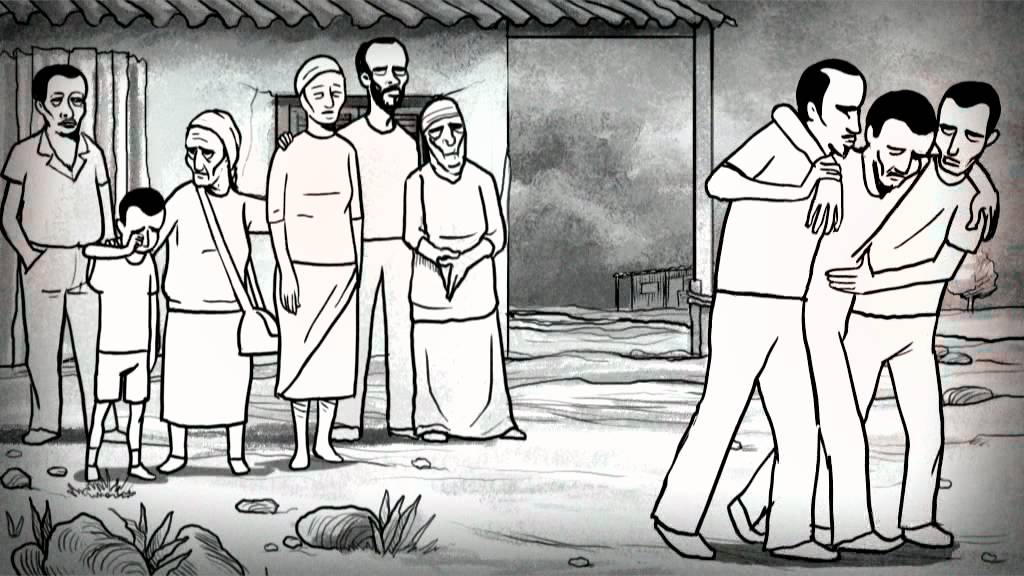
The article describes how cholera spread through a village and how it was prevented. Women carried the cholera germs home in the water, flies carried them on their feet, and unwashed hands spread them too. The author teaches people to always wash their hands with soap and safe water after going to the toilet and to dig latrines far from the river, at least 30 meters away, and always wash and peel food, cook it, and eat it hot and protected from flies.
What If You Stopped Drinking Water

Water is essential for the survival of all living organisms, with the human body being made up of 65% water. The body loses around 2.5 liters of water every day and it is crucial to replenish these fluids. More than 783 million people on earth do not have access to clean water, and scientists are working on solutions such as removing salt from ocean water and creating innovative water filtration systems, while water charities have fantastic initiatives that individuals can contribute to.
How We Conquered the Deadly Smallpox Virus

Smallpox is a virus that originated in northeastern Africa around 10,000 years ago, and spread around the world through Egyptian merchants, the Arab world, and the Spanish and Portuguese conquests. It killed billions of people, with 300-500 million killed in the 20th century alone. The fall of smallpox began with variolation in 1022 A.D., and was eventually eradicated through vaccination campaigns and the use of cowpox virus instead of the actual smallpox virus. The World Health Organization certified smallpox’s eradication in 1979.
How Does it Grow – Cranberries

Cranberries are one of the few fruits native to the United States and have been used for food and medicine by Native Americans for centuries. Today, cranberries are known for their high levels of disease-fighting antioxidants and are consumed mostly in the form of cranberry sauce during Thanksgiving. Cranberry farming is a water-intensive process, but farmers are taking steps to conserve water for future generations.
Peter Pan by J.M. Barrie

Peter Pan by J.M. Barrie tells the story of a mischievous boy who never grows up and his adventures with Wendy and her brothers in Neverland.
The House of the Seven Gables by Nathaniel Hawthorne

The House of the Seven Gables tells the story of a cursed house and the Pyncheon family’s struggle with guilt, secrets, and the pursuit of redemption.
A Farewell to Arms by Ernest Hemingway

A Farewell to Arms is a novel by Ernest Hemingway that follows an American ambulance driver in World War I as he falls in love with a British nurse and faces the realities of war.
Black Beauty by Anna Sewell

“Black Beauty” by Anna Sewell is a classic novel narrated by a horse, exploring his life and experiences as he moves through different owners and circumstances.
Anne of Green Gables by L.M. Montgomery

“Anne of Green Gables” is a classic novel that follows the adventures of an imaginative and spirited orphan, Anne Shirley, as she finds a home in Avonlea and discovers the true meaning of family and friendship.
The Red Badge of Courage by Stephen Crane

“The Red Badge of Courage” by Stephen Crane is a gripping novel that explores the psychological journey of a young soldier facing the horrors of war and the quest for personal bravery.