
In this lesson, Caroline and Sophie from the Khan Academy Kids Team introduce young learners to the fascinating world of ladybugs, highlighting their vibrant colors, unique features, and important role in nature as pest controllers. The lesson also covers the ladybug life cycle, from egg to adult, and encourages children to connect with nature through a creative activity inspired by a nature walk. Overall, the lesson aims to inspire curiosity and appreciation for these small but significant creatures.

This lesson provides a step-by-step guide for teachers and parents on how to set up a class account on Khan Academy Kids, enabling them to organize classes, create assignments, and track student progress. It covers the initial sign-up process, switching to teacher setup, adding students, and managing the class through the app. By following these instructions, educators can create an engaging and structured learning environment for their students.
In today's lesson, students explored the art room and learned about the organization and counting of crayons. They discovered that there are 10 boxes, each containing 10 crayons, leading to a total of 100 crayons, and were introduced to the concept of multiplication as a quick way to find the total number. The lesson emphasized both counting and the fun of coloring with a variety of crayons.
In today's lesson, Caroline and her friend Sophie guide us through a fun pinata party, where we learn how to create a pinata from a balloon and newspaper strips, decorate it, and fill it with treats. The lesson also introduces new vocabulary words that start with the sounds "brr" and "grr," and encourages creativity by suggesting various items to fill a pinata. Finally, participants are inspired to host their own pinata parties at home, fostering imagination and hands-on learning.
In this lesson, students learn how to keep a weather journal, a fun and engaging way to observe and document daily weather conditions. They explore different types of weather, recognize seasonal patterns, and become weather observers by recording their findings and temperatures. By sharing their journals, students can enhance their understanding of weather changes over time and develop a greater appreciation for the natural world.
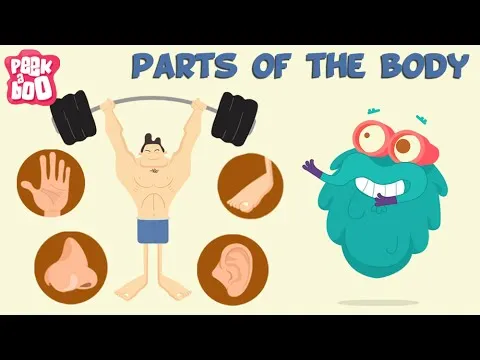
In this lesson, students explored the various body parts and their functions, highlighting the importance of each part in helping us interact with the world. From the eyes that allow us to see colors and shapes to the feet that provide support and balance, each body part plays a unique role in our daily activities. The lesson emphasizes appreciation for our bodies and the incredible capabilities they offer.
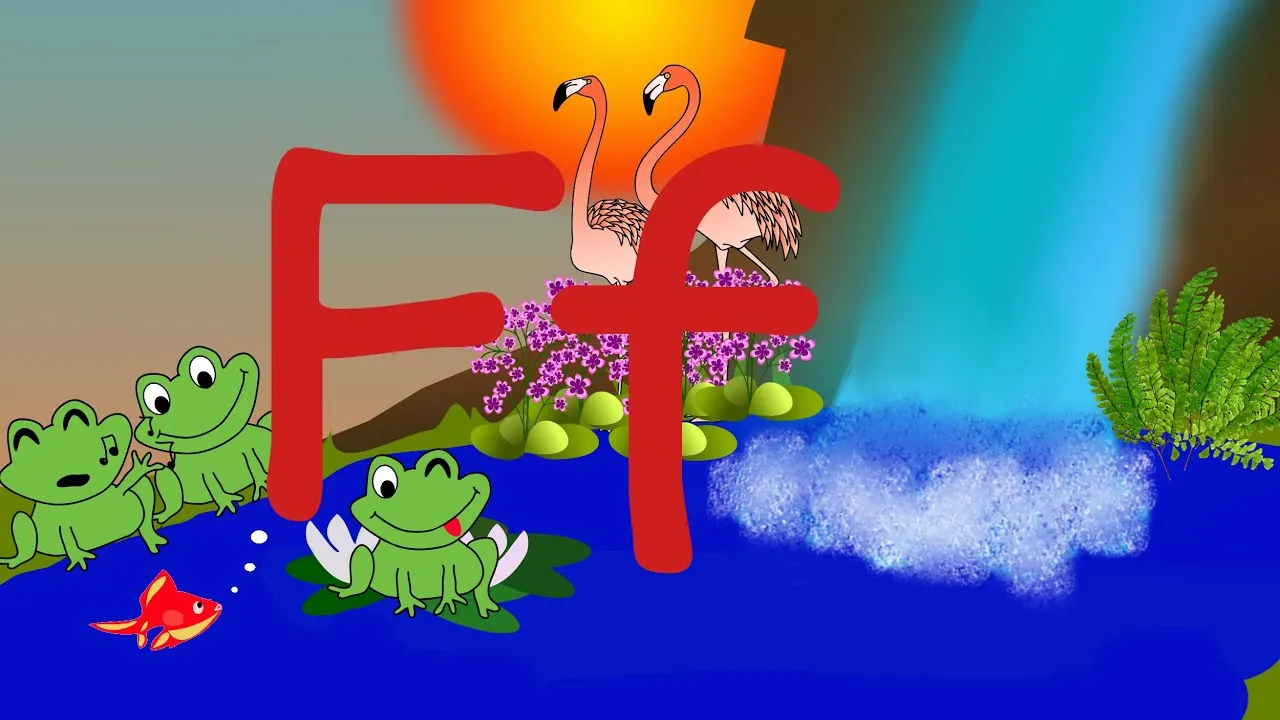
The lesson of "The Enchanting World of Faith the Fish" highlights the beauty of friendship in nature through the bond between Faith the Fish and her friends, the frogs and flamingos. Their thoughtful gestures, such as bringing flowers and ferns, illustrate the importance of kindness and how small acts can enhance the beauty of the world around us. Ultimately, the story serves as a reminder of the magic that friendship brings to our lives and the environment.
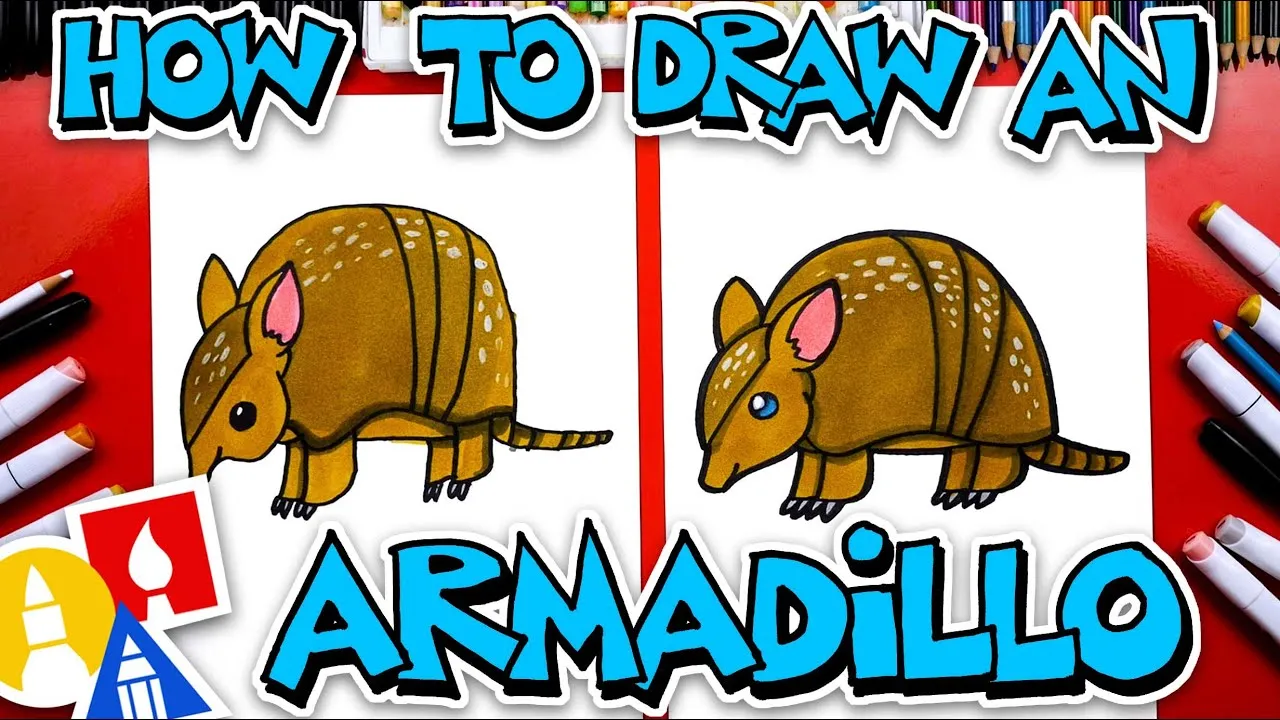
In this lesson, students learn how to draw an armadillo step-by-step, starting with the eye and progressing through various features such as the armor, ears, legs, and tail. The guide emphasizes the importance of having fun and being creative while drawing, encouraging students to use their art supplies and possibly collaborate with a friend. Finally, students are invited to color their armadillo and add a background, reinforcing the idea that practice and enjoyment are key to developing their drawing skills.
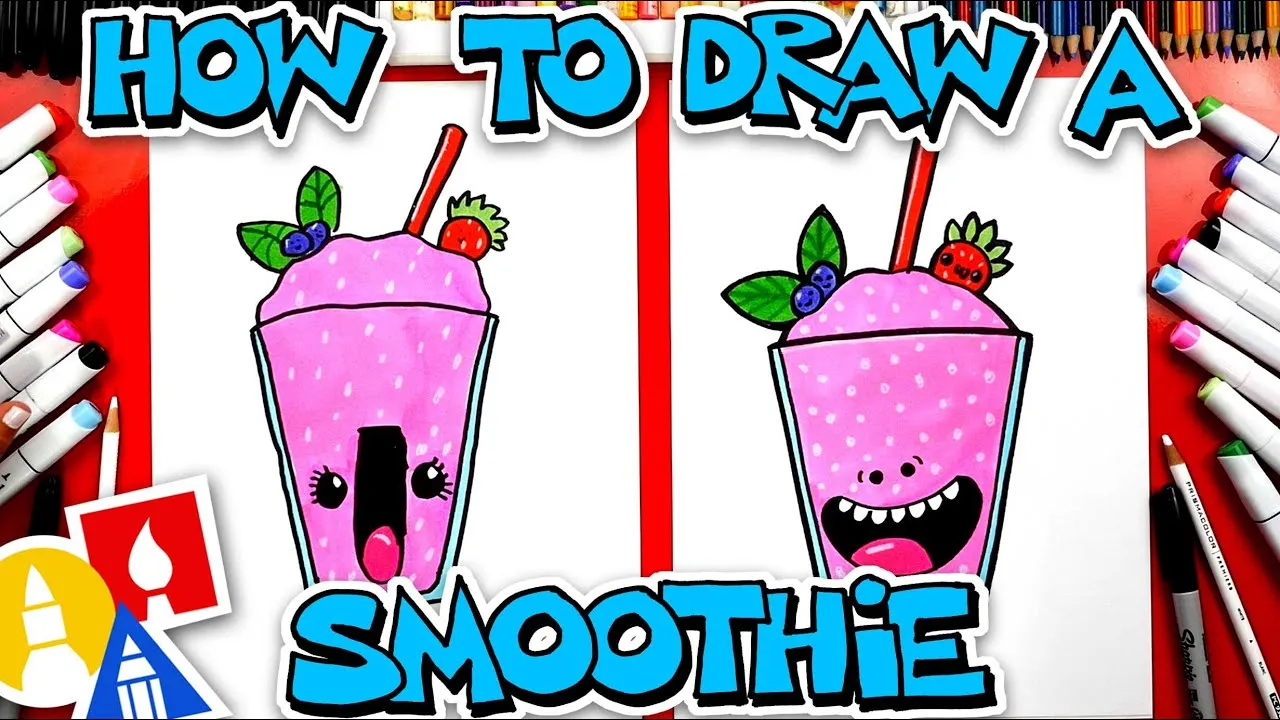
In this lesson, students learn how to draw a fun fruit smoothie by following a series of simple steps, starting with the cup and ending with colorful decorations and a funny face. The process encourages creativity, allowing for personal touches like different smoothie colors and fruit designs. By the end, students will have a vibrant and whimsical drawing to share with friends.
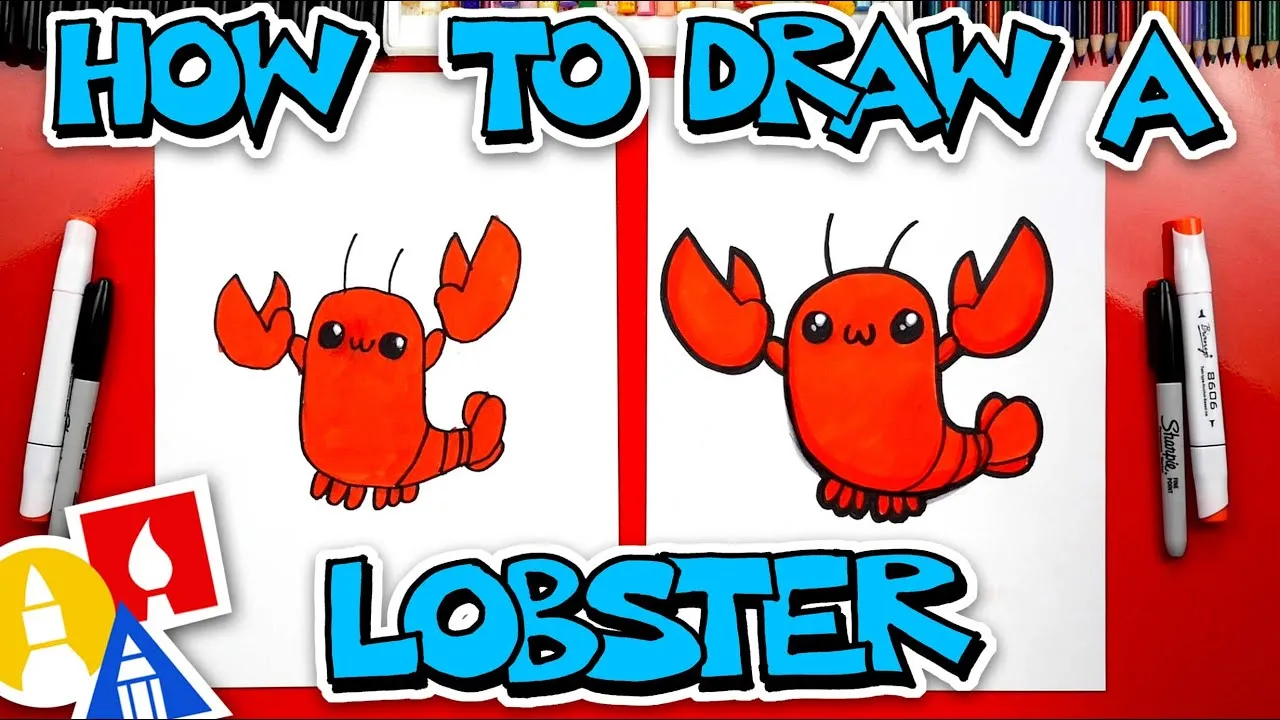
In this lesson, you will learn how to draw a cartoon lobster through a simple, step-by-step guide that makes the process enjoyable and accessible. Starting with basic shapes for the mouth and eyes, you'll gradually outline the body, tail, pinchers, and feet, before adding details and coloring your creation. The lesson encourages creativity by suggesting ways to enhance your drawing with backgrounds and additional elements.
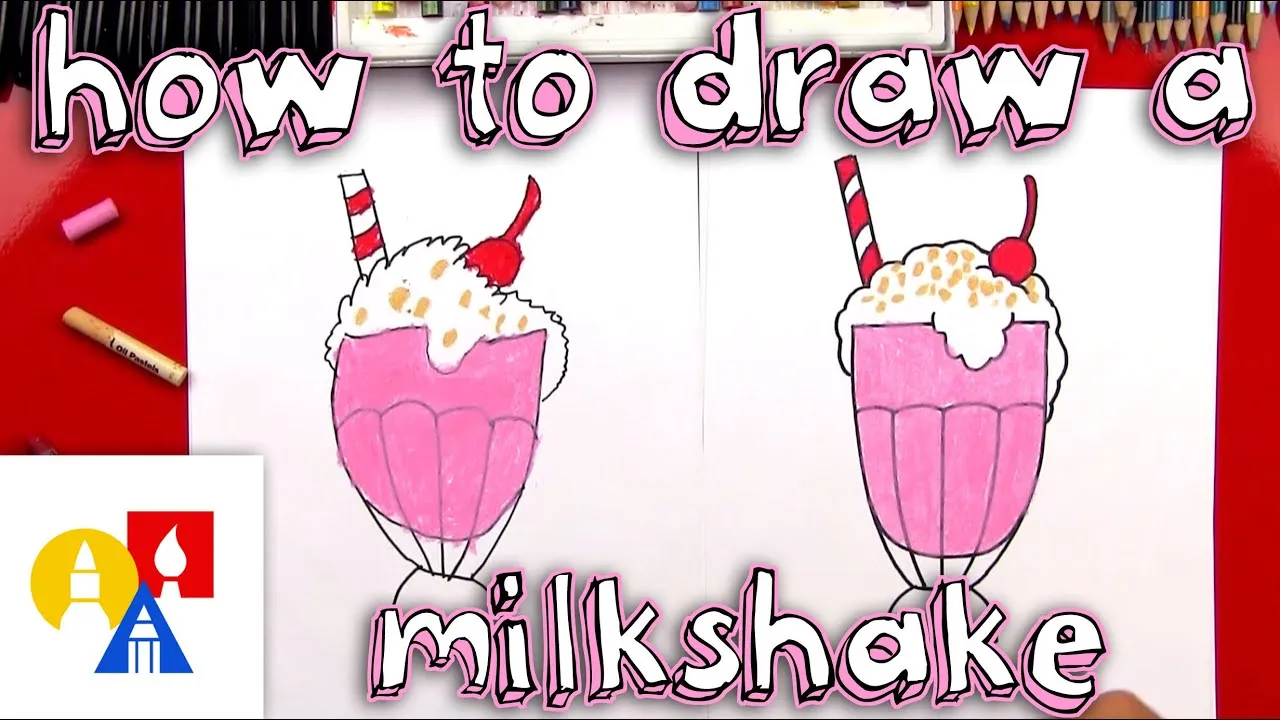
In this lesson, you learned how to draw a delicious milkshake step-by-step, starting with the outline of the cup and progressing through decorative elements, the whipped cream, and the straw. Each step encourages creativity, allowing you to personalize your milkshake with colors and additional toppings. By the end, you should have a fun and unique milkshake drawing to showcase your artistic skills!
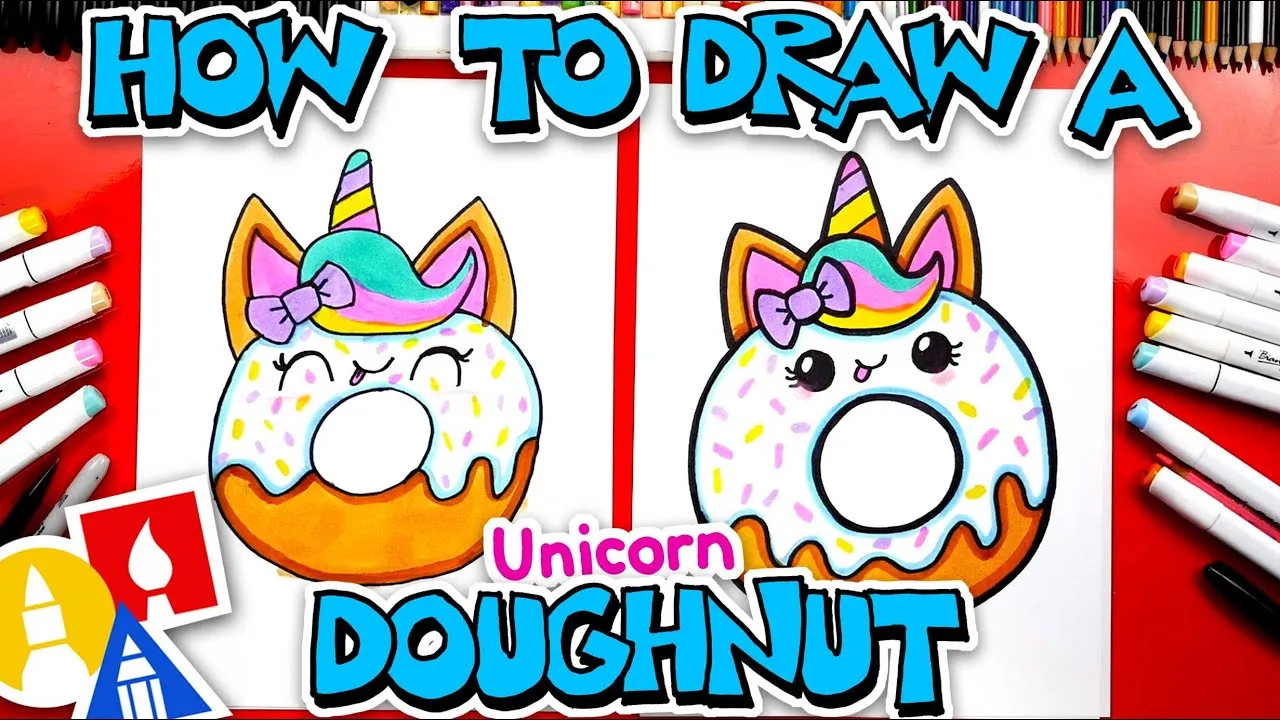
In this lesson, students learn how to draw a whimsical donut unicorn, combining the delightful features of a donut with the enchanting elements of a unicorn. The step-by-step guide covers essential materials, from sketching the donut shape to adding details like the unicorn's hair, face, and horn, culminating in a colorful finish. The lesson encourages creativity and personalization, inviting students to make their drawings unique.
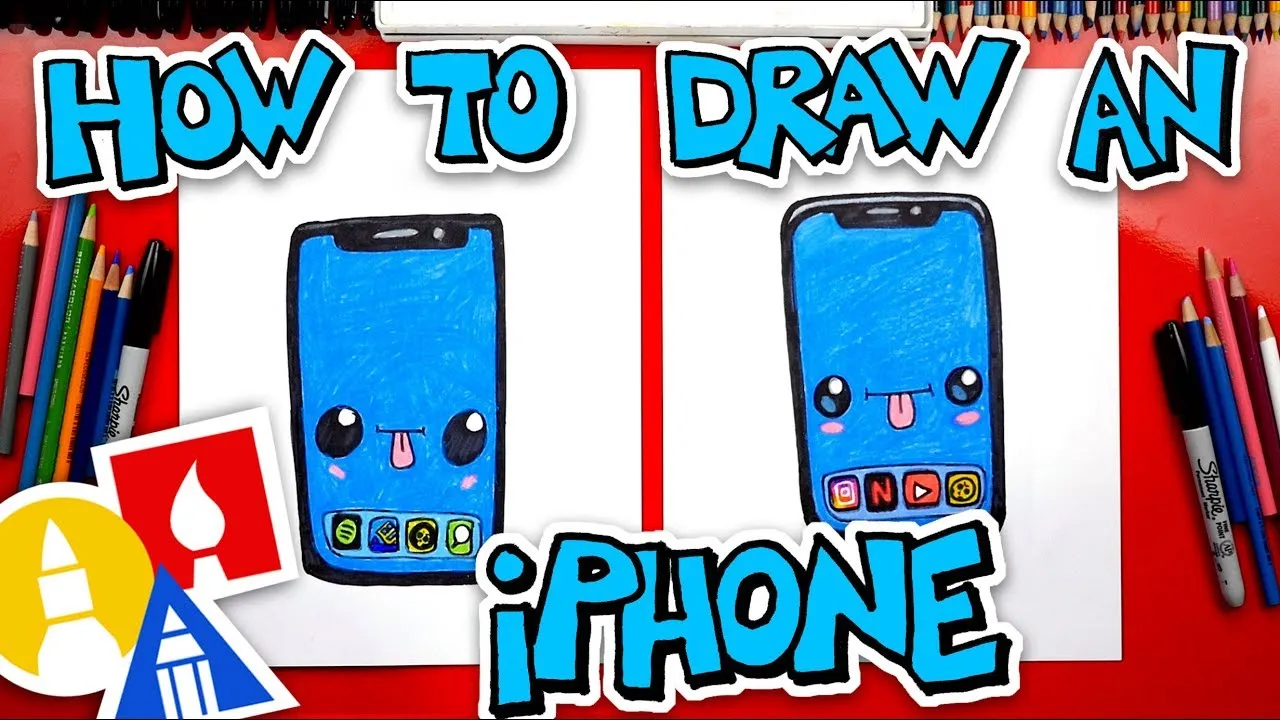
In this lesson, participants are guided through the step-by-step process of drawing an iPhone, starting with its shape and screen, and then adding details like the notch, camera, and app icons. The lesson encourages creativity by allowing individuals to personalize their app icons and color their drawings. By the end, students will have created their own unique iPhone artwork while enjoying the drawing experience.
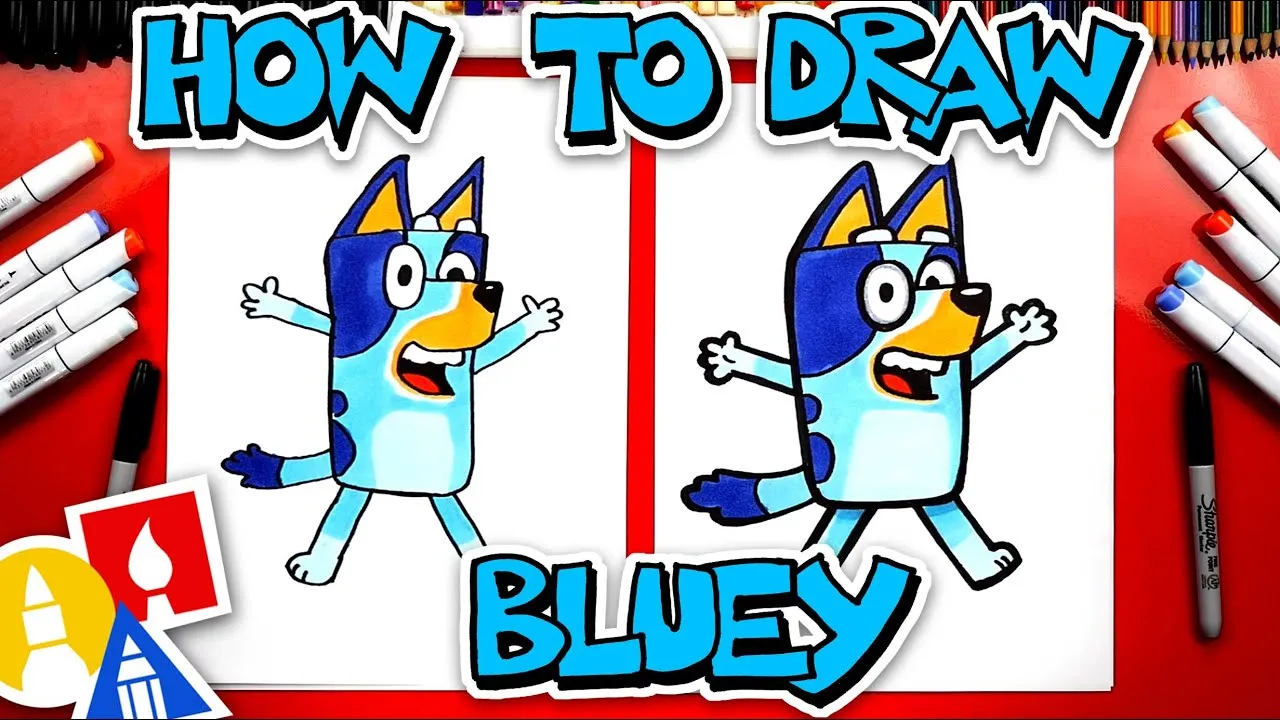
This lesson provides a step-by-step guide on how to draw Bluey, the beloved blue heeler dog from the popular cartoon. It outlines the necessary materials and breaks down the drawing process into manageable steps, from creating Bluey's facial features to adding her body, limbs, and distinctive spots, culminating in coloring her in. By following these instructions, learners can enjoy the fun of drawing and share their creations with others.
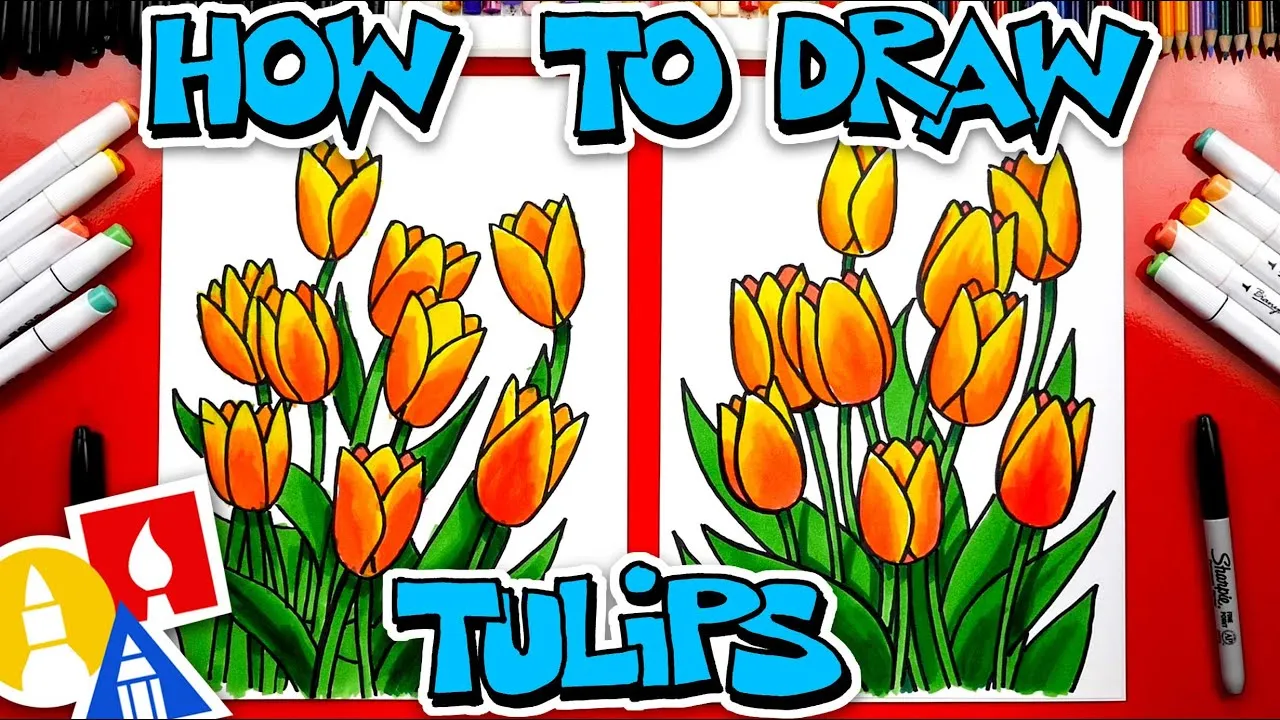
In this lesson, you will learn how to draw and color a page full of tulips using simple shapes and techniques. Starting with a "U" shape for the tulip base, you'll add petals, stems, and leaves, and then bring your artwork to life with vibrant colors. Enjoy the creative process and feel free to experiment with different color combinations!
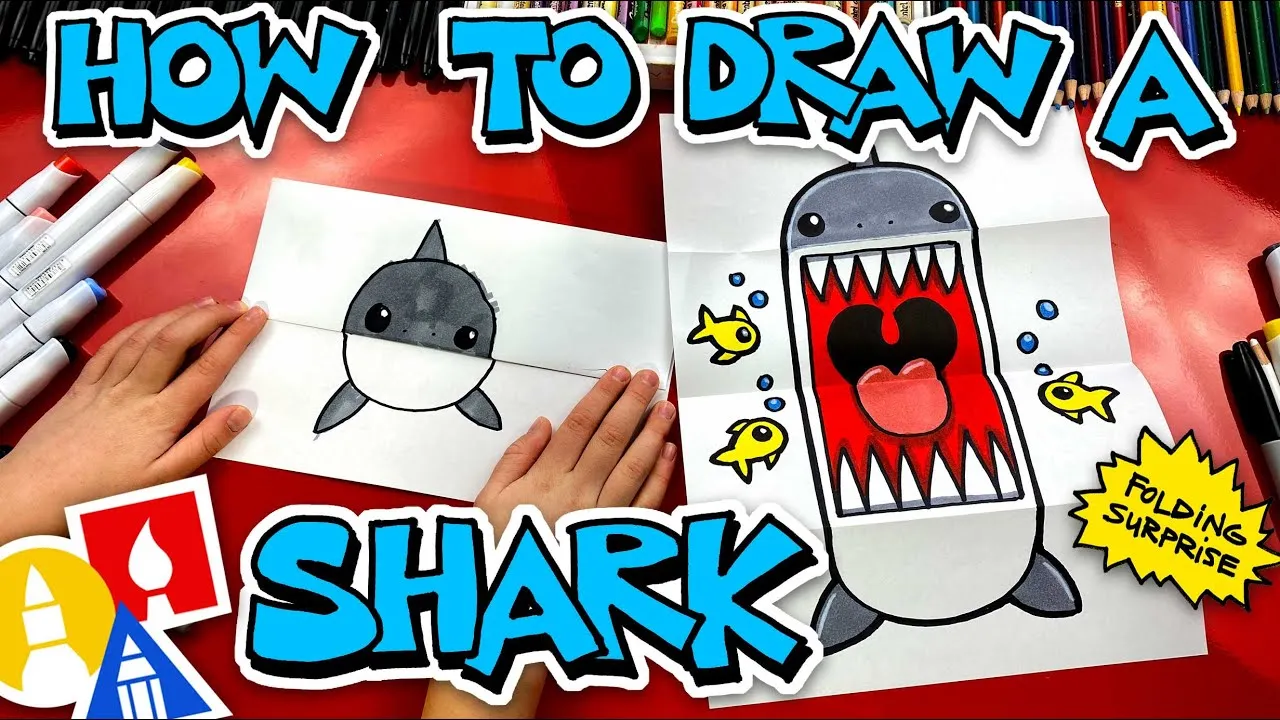
In this lesson, young artists learn to create a folding surprise puppet shark using simple materials like paper and markers. The step-by-step instructions guide them through folding the paper, drawing the shark's features, and transforming it into a puppet that can open and close its mouth. This fun and creative activity encourages artistic expression and hands-on crafting skills.
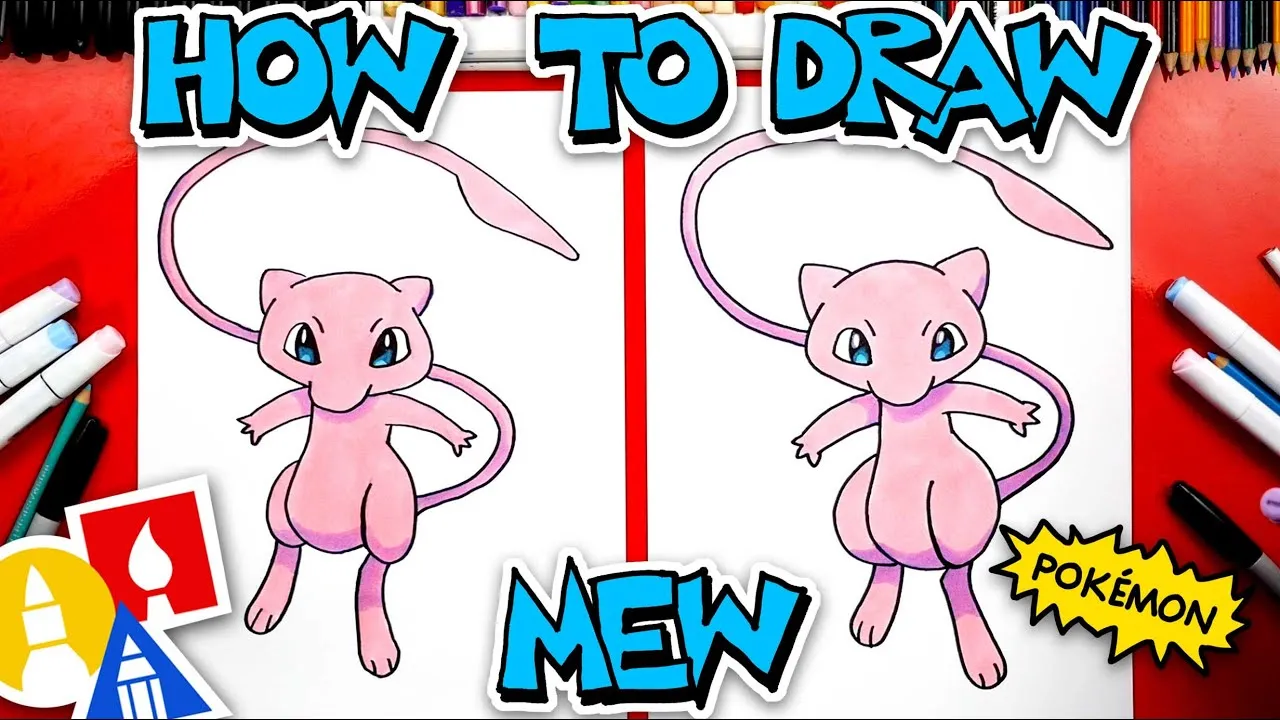
In this lesson, students learn how to draw Mew, a beloved Pokémon, through a series of step-by-step instructions. The guide covers drawing Mew's facial features, head, body, limbs, and tail, culminating in coloring the completed drawing. By following along, participants can enhance their drawing skills while enjoying the creative process.
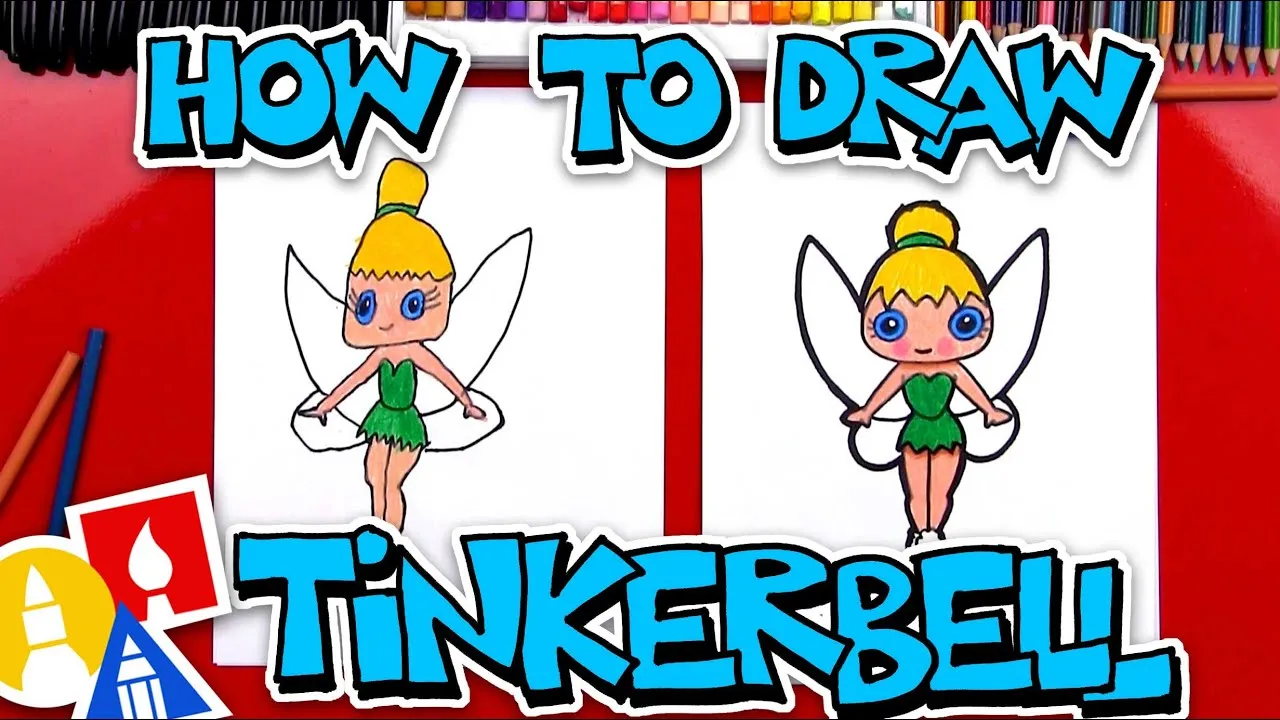
In this lesson, students will learn how to draw a cartoon version of Tinker Bell step-by-step, starting from her head and progressing through her features, body, and wings. Essential materials include drawing tools and colored pencils, and the lesson emphasizes creativity and enjoyment in the drawing process, encouraging students to embrace their unique styles. By the end, students will have a colorful rendition of Tinker Bell, celebrating their artistic expression.
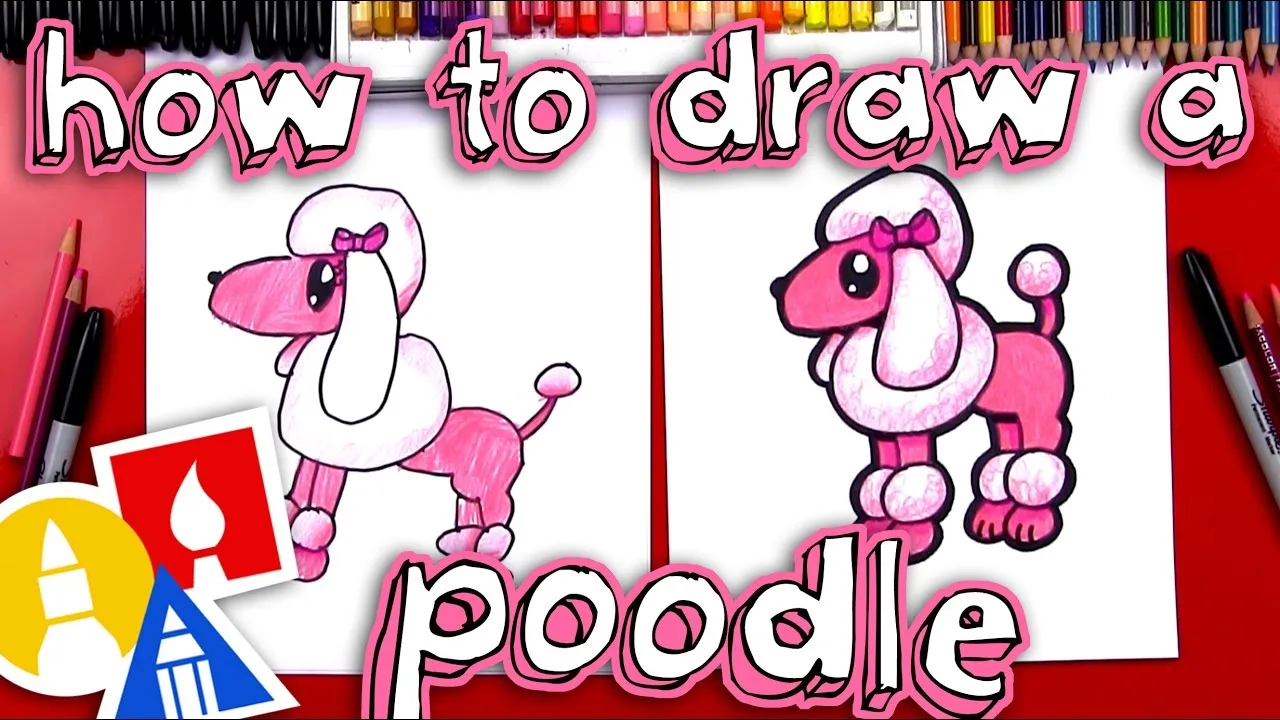
In this lesson, you will learn how to draw a poodle step by step, starting with the eye and progressing through various features like the nose, ears, and legs. The guide emphasizes the importance of creativity and enjoyment in the drawing process, encouraging you to add your personal touch and color to your artwork. By the end, you'll have a cute poodle drawing and a reminder that practice and fun are key to improving your skills.

In this lesson, students learn how to draw Sonic the Hedgehog step-by-step, starting with his nose and progressing through his facial features, body, and finishing with his legs and shoes. The guide emphasizes the importance of using basic shapes and outlines, and encourages creativity through coloring. Ultimately, the lesson aims to make drawing enjoyable while fostering practice and artistic expression.
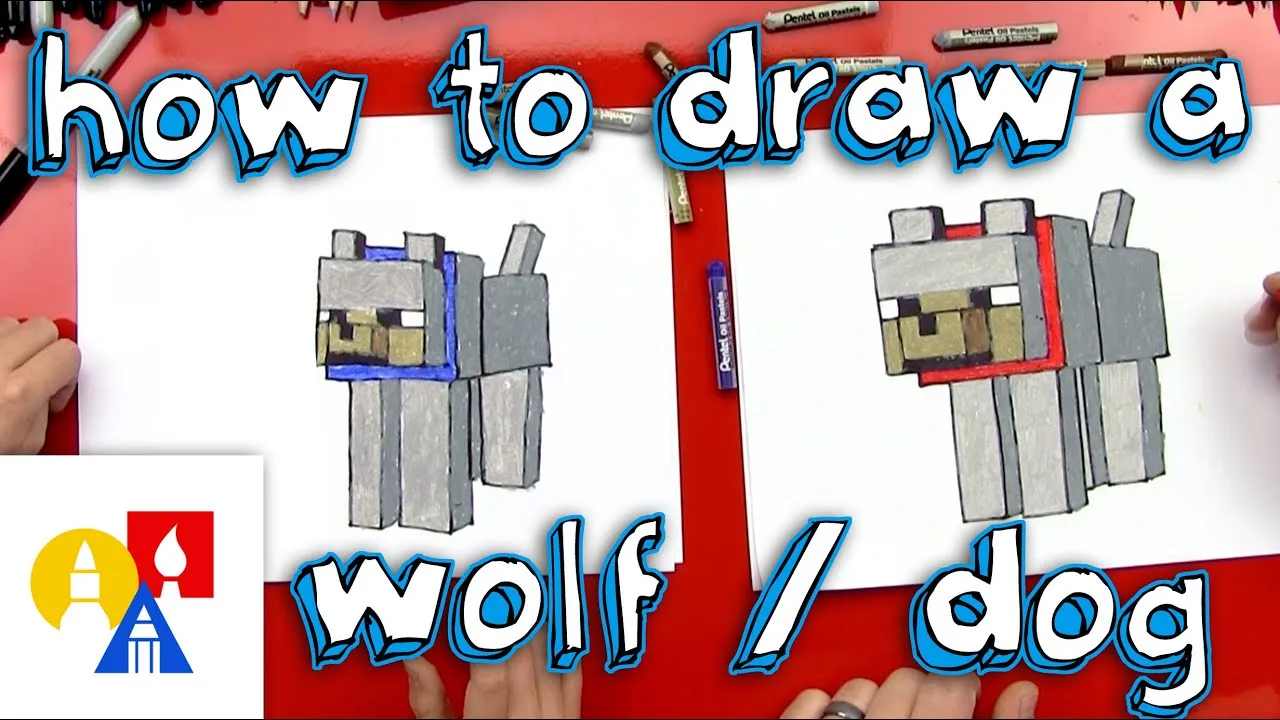
In this lesson, you will learn how to draw a Minecraft wolf step-by-step, starting with the head and progressing to the body, tail, and legs. The guide emphasizes using simple shapes like squares and lines to create the wolf's features, along with tips for coloring to add depth and realism. By the end, you'll have a fun and colorful drawing to share!
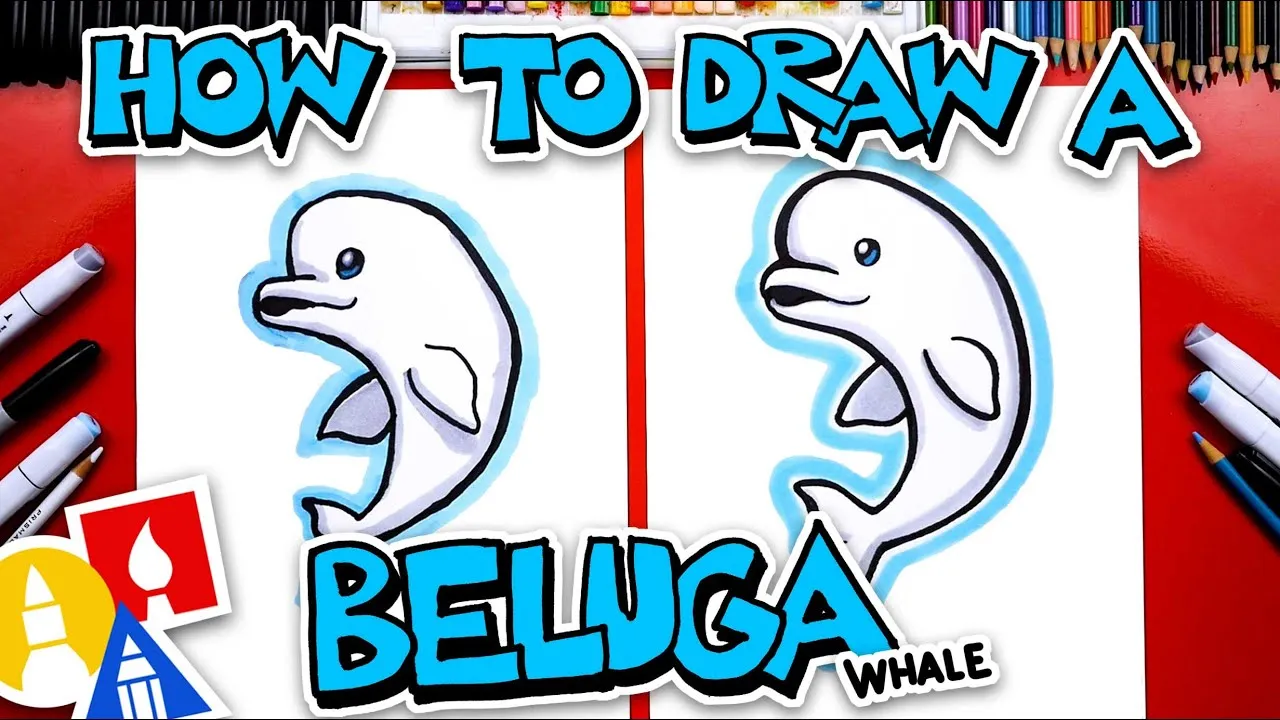
In this lesson, students learn to draw a cute cartoon beluga whale using simple step-by-step instructions. They start by creating the whale's eye and smile, then progress to adding details like the mouth, belly, fins, forehead, and tail, before finishing with coloring and optional background elements. The lesson encourages creativity and personal expression while developing drawing skills.
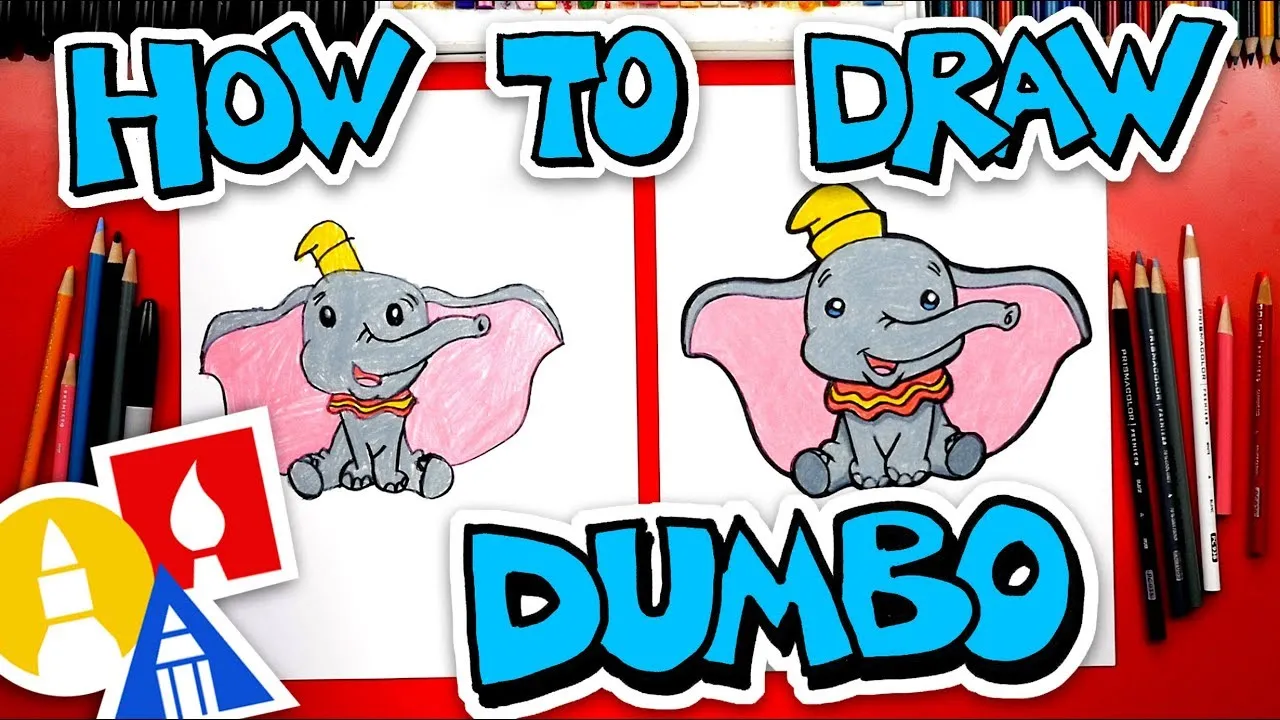
In this lesson, students learn how to draw a cute flying elephant named Dumbo through a series of step-by-step instructions. The process includes drawing Dumbo's eyes, nose, head, body, legs, ears, and hat, followed by coloring the finished drawing. The lesson emphasizes creativity and encourages students to have fun while practicing their drawing skills.
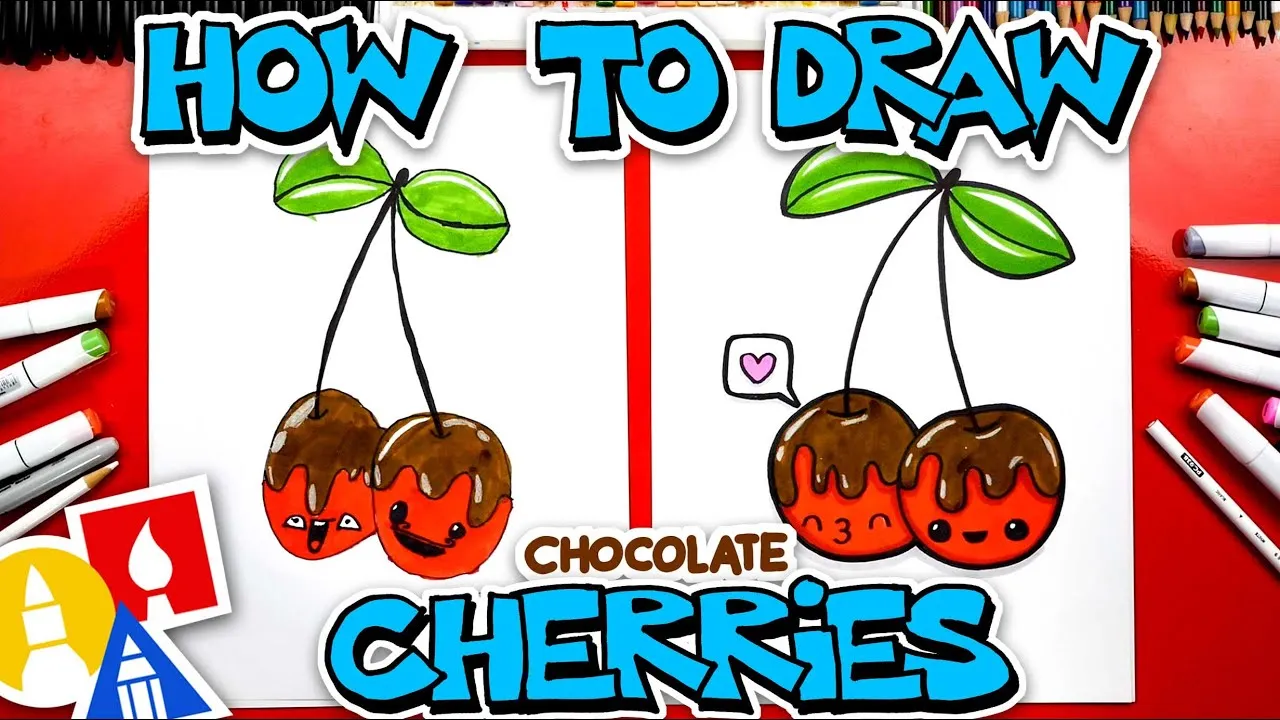
In this lesson, students learn to draw chocolate-covered cherries through a series of fun and engaging steps, starting with the cherries themselves and progressing to adding chocolate drips, stems, leaves, and funny faces. The lesson emphasizes creativity and personal expression, encouraging students to color their drawings vibrantly and add unique details. Ultimately, the focus is on enjoying the drawing process and practicing skills for future artwork.