
The article discusses the prevalence and complexities of miscarriage, highlighting that approximately 23 million pregnancies end in miscarriage each year, often leaving individuals feeling isolated due to societal stigma and misconceptions. It explains the biological processes involved in early pregnancy, the common causes of miscarriage, and outlines three treatment options available for those experiencing a miscarriage, emphasizing the importance of access to care and compassionate support during such a challenging time.
The article discusses the unique genetic adaptations of Tibetan high plateau inhabitants, who have evolved over 3,000 years to thrive in low-oxygen environments, showcasing one of the fastest adaptations in human history. It also highlights various global adaptations, such as those in Arctic populations and the Bajau people, while addressing the impact of modern medicine on natural selection and human evolution. As advancements in technology and healthcare continue, the future trajectory of human evolution remains uncertain, with ongoing research into genetic drift and epigenetic modifications.
The lesson explores the science behind napping and its impact on productivity, emphasizing the importance of understanding sleep cycles. It explains the different stages of sleep, the optimal nap lengths for cognitive benefits, and how timing affects the quality of a nap. Ultimately, the effectiveness of napping varies by individual, necessitating personal experimentation to determine what works best.

This lesson explores the various milk options available, comparing the nutritional benefits and environmental impacts of dairy milk and popular plant-based alternatives like almond, soy, and oat milk. While dairy milk is rich in protein and essential nutrients, plant-based milks often have lower environmental footprints, with oat and soy milks being particularly sustainable choices. Ultimately, the best milk for you will depend on your dietary needs and preferences, but opting for plant-based options can also contribute positively to the planet.
The lesson outlines the historical evolution of blood transfusions, beginning with early experiments in the 17th century that faced significant challenges due to immune responses and cross-species complications. A pivotal moment occurred in 1901 with Karl Landsteiner's discovery of blood types, which revolutionized transfusion practices by allowing for safe matching of donors and recipients. The development of blood storage techniques and the establishment of blood banks during World War I further advanced the field, transforming blood transfusions into a critical and life-saving component of modern medicine.
The lesson explores the historical evolution of understanding and treating seizures, beginning with ancient Babylonian beliefs that attributed seizures to evil spirits, to Hippocrates' identification of the brain as their source. Significant advancements in the 19th century laid the groundwork for modern treatments, including medications and surgical interventions, which have greatly improved the management of seizures today, although challenges remain in understanding their underlying causes and effective treatments for all cases. Additionally, the lesson emphasizes the importance of proper response techniques during a seizure to ensure the safety of the individual affected.
The lesson explores the profound impact of Gabriel García Márquez's *One Hundred Years of Solitude*, a novel born from a moment of inspiration during a family vacation in 1965. It delves into the themes of magical realism, cyclical time, and historical reflections that characterize the narrative, illustrating how García Márquez's personal experiences and Colombian history shaped the story of the Buendía family. Ultimately, the novel serves as both a poignant commentary on Latin America's past and a hopeful vision for the future, emphasizing the enduring human spirit amidst solitude and tragedy.
The lesson explores the journey of the human body after death, detailing the stages of decomposition and the cultural practices surrounding burial. It highlights the growing challenge of limited burial space in densely populated areas, prompting innovative alternatives such as vertical cemeteries and eco-friendly burial methods. As the demand for burial space increases, societies are evolving their approaches to address these challenges while respecting spiritual and cultural traditions.
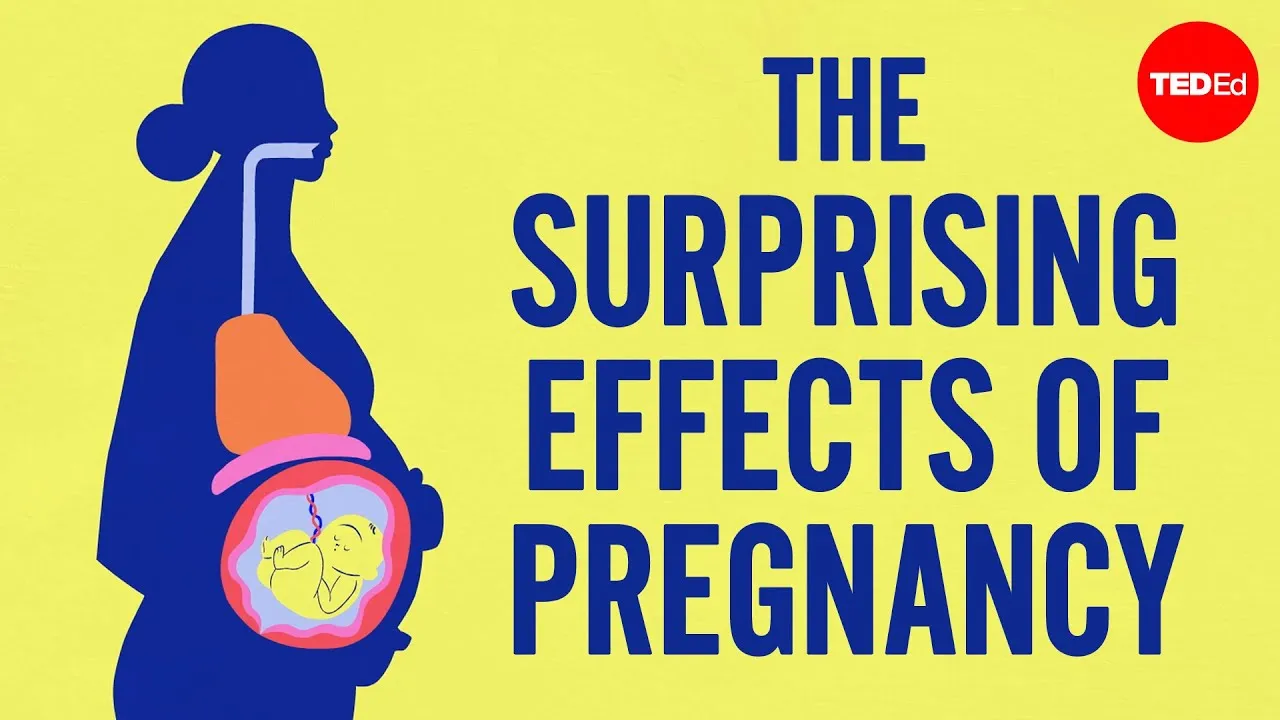
The lesson on "The Astonishing Biological Changes During Pregnancy" explores the profound transformations a woman's body undergoes during pregnancy, driven by hormonal shifts and immune system adaptations that protect both the mother and the developing fetus. It highlights significant changes in the circulatory system, physical adjustments, and the eventual postpartum recovery, while emphasizing the need for further research to understand the complexities of maternal health. Ultimately, the lesson underscores the remarkable adaptability of the human body throughout this life-changing experience.
The lesson on "The Rise of Adolf Hitler" highlights the precariousness of democratic institutions, illustrating how economic turmoil and social unrest can lead to the rise of authoritarian figures. Following World War I, Germany's Weimar Republic faced immense challenges, including national humiliation and economic hardship, which Hitler exploited by scapegoating the Jewish community and promoting nationalist sentiments. His ascent to power serves as a cautionary tale about the dangers of charismatic leaders who manipulate public emotions, ultimately undermining democracy.
The lesson highlights the profound impact of climate change on coastal communities, using Mohammadpur, a village in Bangladesh, as a case study. It discusses the challenges posed by increasing cyclones and flooding, which disrupt local livelihoods and force residents to adapt through relocation and resilience strategies. The lesson emphasizes the urgency of addressing climate mobility and the need for global efforts to support vulnerable populations disproportionately affected by climate change.
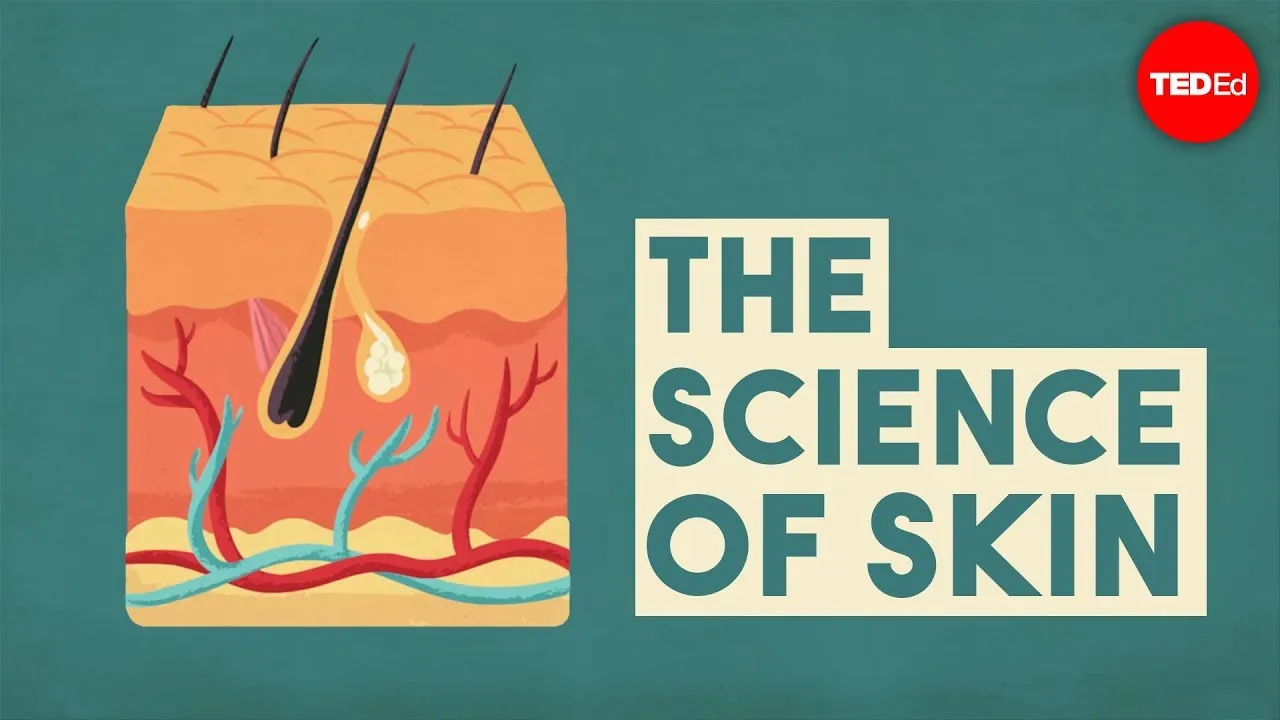
The lesson explores the multifaceted role of skin, highlighting its significance as the largest organ in the body, comprising three layers that serve essential functions of protection, regulation, and sensation. Beyond acting as a barrier against external threats, skin hosts a diverse microbial ecosystem and plays a crucial role in temperature regulation and sensory perception, illustrating that its functions extend far beyond mere coverage. Ultimately, the integumentary system is integral to our interaction with the environment, emphasizing that skin is indeed "more than skin deep."

The lesson on the stock exchange highlights its role as a vast global marketplace where securities, particularly shares representing ownership in companies, are traded. It explains how the value of shares is tied to a company's performance, the benefits companies gain from raising capital through share sales, and the virtual nature of trading, which can lead to rapid fluctuations in share prices. Additionally, the lesson addresses the risks of speculation and the potential for market bubbles, emphasizing the interconnectedness of global stock markets through indices like the DAX.
The lesson discusses the concept of vacuum decay, a theoretical scenario in which the universe could self-destruct due to the instability of the Higgs Field, potentially leading to an irreversible collapse into a lower energy state. This catastrophic event would obliterate everything in its path, fundamentally altering the laws of physics and rendering life impossible. While the idea is alarming, it remains speculative and unlikely to pose an immediate threat, allowing us to focus on more pressing concerns.
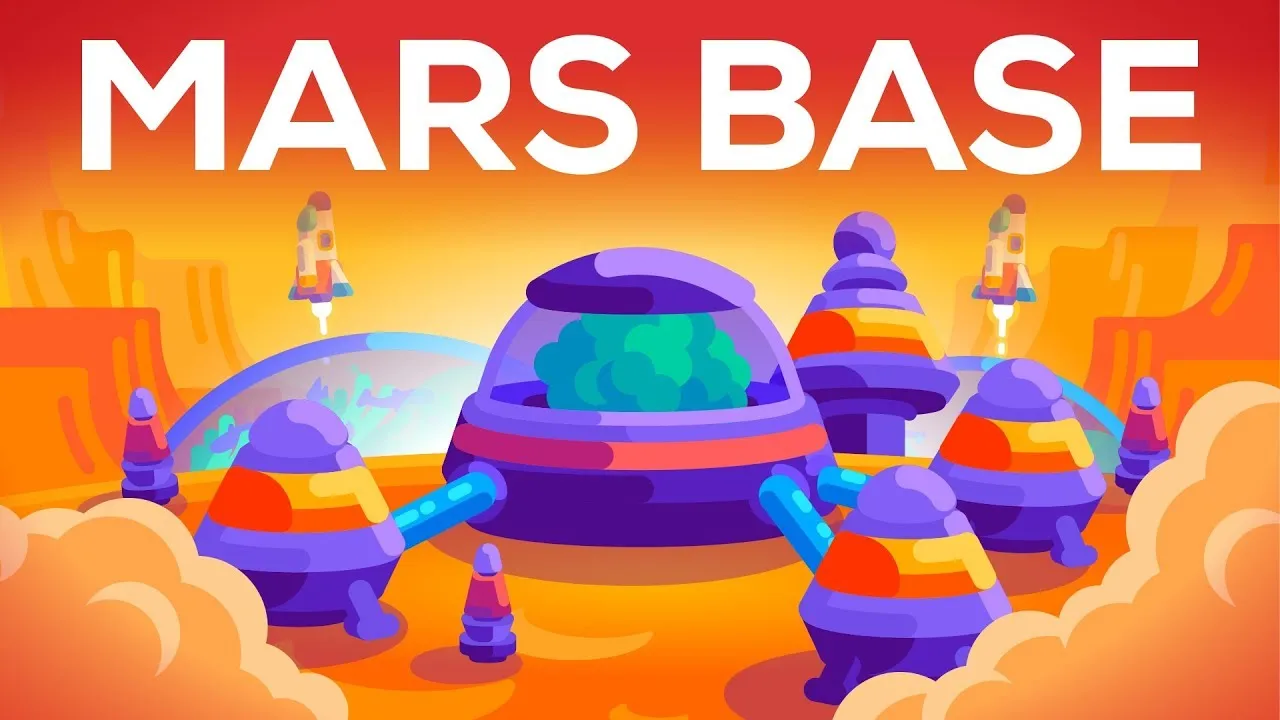
The lesson explores the complexities and potential of colonizing Mars, highlighting the need for a semi-permanent outpost as a precursor to larger human settlement. It addresses significant challenges such as energy scarcity, creating a livable environment, managing Mars' toxic soil and dust, and the psychological impacts of low gravity and isolation. Despite these hurdles, the pursuit of establishing a human presence on Mars is framed as a monumental yet achievable goal, promising a future of interplanetary exploration and habitation.
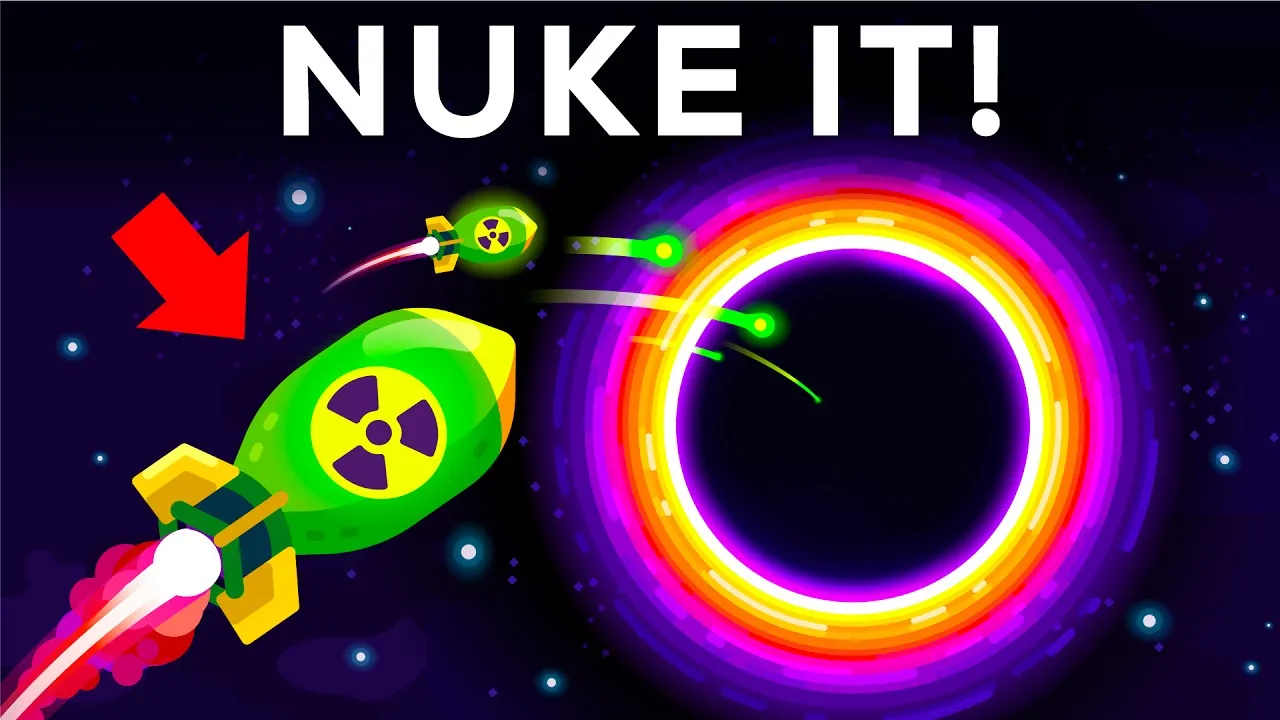
The lesson explores the intriguing question of whether black holes can be destroyed, revealing that traditional methods, such as nuclear explosions or antimatter collisions, would only increase their mass. It discusses theoretical approaches like overfeeding a black hole to dissolve its event horizon, but highlights the potential dangers of creating a "naked singularity." Ultimately, the only guaranteed way to eliminate a black hole is through the slow process of Hawking radiation, which leads to their gradual evaporation over an astronomical timescale.
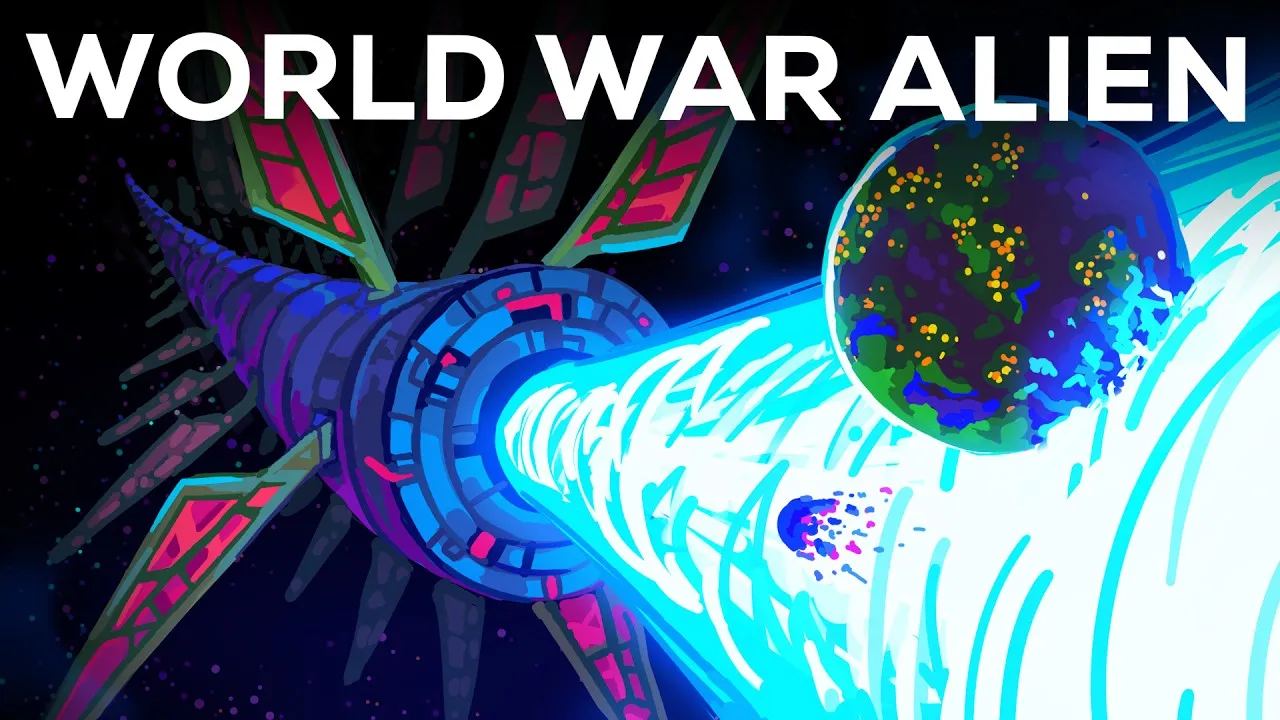
The lesson explores the speculative concept of interstellar warfare, focusing on the hypothetical conflict between humans and an advanced alien civilization known as the Smorpians. It discusses the unique challenges of such warfare, including the vast distances involved and the potential weapons the Smorpians could use, such as a Star Laser, Relativistic Missile, and Ultra-Relativistic Electron Beam, all of which could devastate Earth from light years away. Ultimately, the lesson serves as a cautionary reminder of the potential dangers of interstellar interactions and the importance of remaining discreet in the vast universe.
The lesson discusses the alarming trend of global population decline, highlighting significant cases such as Japan, China, and South Korea, where low fertility rates threaten future demographic stability. It explores the historical context of population growth, the economic and societal implications of an aging population, and the limitations of immigration as a solution. Ultimately, the lesson emphasizes the need for proactive policies to support families and encourage higher birth rates to adapt to these demographic changes.

The lesson explores the complex relationship between social media and political polarization, highlighting that while social media is often blamed for division, the real filter bubbles may exist in our offline interactions rather than online. It emphasizes that our brains are not well-equipped to handle the level of disagreement encountered on social media, leading to social sorting and reinforcement of biases. To mitigate these effects, the lesson advocates for self-reflection, embracing diverse perspectives, and revisiting smaller online communities that foster healthier interactions.

The lesson explores the historical context of Iraq's ongoing turmoil, tracing its roots back to the 2003 U.S. invasion, which destabilized the nation and exacerbated sectarian tensions between the Sunni and Shia populations. The power vacuum created by the invasion led to a bloody civil war and the rise of extremist groups like ISIS, which capitalized on the chaos to gain control and commit atrocities. The lesson emphasizes the importance of inclusive governance and the dangers of marginalizing populations, highlighting the challenges of breaking the cycle of violence in Iraq.

The lesson explores the art of simplifying complex scientific concepts, as exemplified by the YouTube channel Kurzgesagt, which creates engaging 10-minute videos to make science accessible. It discusses the balance between simplification and accuracy, highlighting the potential pitfalls of oversimplifying information while emphasizing the importance of inspiring curiosity and critical thinking in science communication. Ultimately, the goal is to spark a genuine desire for understanding the complexities of the universe without losing sight of the beauty inherent in scientific inquiry.
The lesson on "Understanding Quantum Mechanics: A New Perspective" highlights the fundamental differences between classical physics and quantum mechanics, emphasizing that while our everyday experiences allow for predictable outcomes, quantum mechanics introduces inherent uncertainty and probabilities. Experiments have shown that no classical explanations can fully account for quantum phenomena, reinforcing the idea that the universe operates on principles that defy our traditional deterministic views. Ultimately, this lesson encourages acceptance of the probabilistic nature of reality at the quantum level.
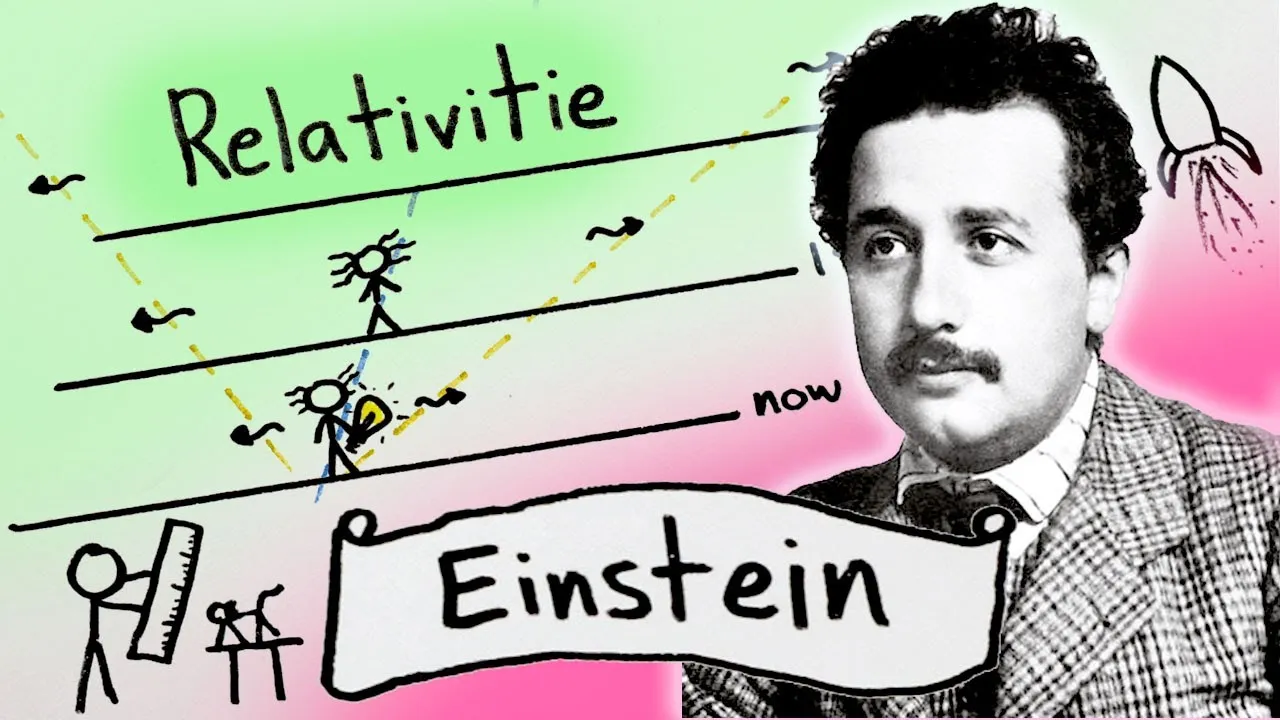
The lesson explores the challenges faced by early 20th-century physics, particularly regarding the concepts of motion and the constancy of light speed, using a cat as a relatable example. It highlights Einstein's revolutionary insight that time is relative, allowing for the reconciliation of movement and the unchanging speed of light, a concept initially hinted at by physicist Lorentz. This shift in understanding fundamentally transformed our perception of the universe and established the groundwork for modern physics.

This lesson explores the intriguing science behind self-balancing bicycles, revealing that their stability is not solely due to angular momentum or forward momentum, but rather a combination of factors including steering axis tilt, weight distribution, and the gyroscopic effect. It highlights common misconceptions about bicycle balance and explains how a bike's ability to self-correct when leaning is essential for maintaining stability. Despite advancements in understanding these mechanisms, the exact combinations that enable self-balancing remain a captivating mystery in the fields of physics and engineering.