

The lesson explores the consequences of not brushing your teeth, highlighting the rapid growth of harmful bacteria and plaque that begins within days and leads to serious dental issues over time. After a month, one may experience cavities and gingivitis, while neglecting oral hygiene for a year can result in periodontitis, potentially causing tooth loss and systemic health problems. The importance of regular brushing is emphasized as a crucial practice for maintaining both oral and overall health.
In this lesson, we explore the intriguing nature of time and perception, highlighting how our brains process visual information with a delay, making us always see the past rather than the present. We also delve into mind-blowing facts about size and scale, such as the vast number of atoms in a glass of water compared to Earth's oceans, and fascinating insights about our world and human biology, including the remarkable ability of a fetus to aid in organ repair. Overall, the lesson encourages curiosity and a deeper appreciation for the complexities of science and our universe.

The lesson "Will This Trick Your Ears? (Audio Illusions)" explores how our brains perceive sound and fill in gaps based on context and expectation. Through examples like hearing a singer's voice in a piano melody and the phenomenon of a speaking piano, it illustrates how our auditory perception can be influenced by prior knowledge and visual cues. Additionally, concepts like temporal induction and the risset rhythm demonstrate the brain's ability to create a continuous auditory experience, even when sounds are incomplete or seemingly absent.

In this lesson, we explore a variety of astonishing facts about nature and science, including the surprising growth of cashews on apples, the close relationship between mushrooms and animals, and the unique way trees grow from both air and soil. Additionally, we learn about the vastness of the universe, the incredible complexity of the human brain, and the fascinating dynamics of animal behavior, all while reflecting on the fleeting nature of time and our own existence. These mind-blowing insights highlight the wonders of the natural world and encourage us to appreciate the intricacies of life.

The lesson highlights various American behaviors that may be perceived as rude or inappropriate in different cultures around the world. It emphasizes the importance of understanding and adapting to local customs, such as attitudes towards firearms, dining etiquette, and social gestures, to avoid offending others while traveling. By being mindful of these differences, travelers can demonstrate respect and appreciation for the cultures they encounter.

The lesson highlights intriguing and lesser-known facts about World War II, showcasing a mix of unusual stories and remarkable individuals. From Adolf Hitler's nephew serving in the US Navy to a bear named Wojtek who became a soldier, the lesson reveals the war's unexpected narratives, including the bravery of young soldiers and the impact on both humans and animals. Additionally, it emphasizes the significant human cost of the conflict while encouraging further exploration of this complex historical period.
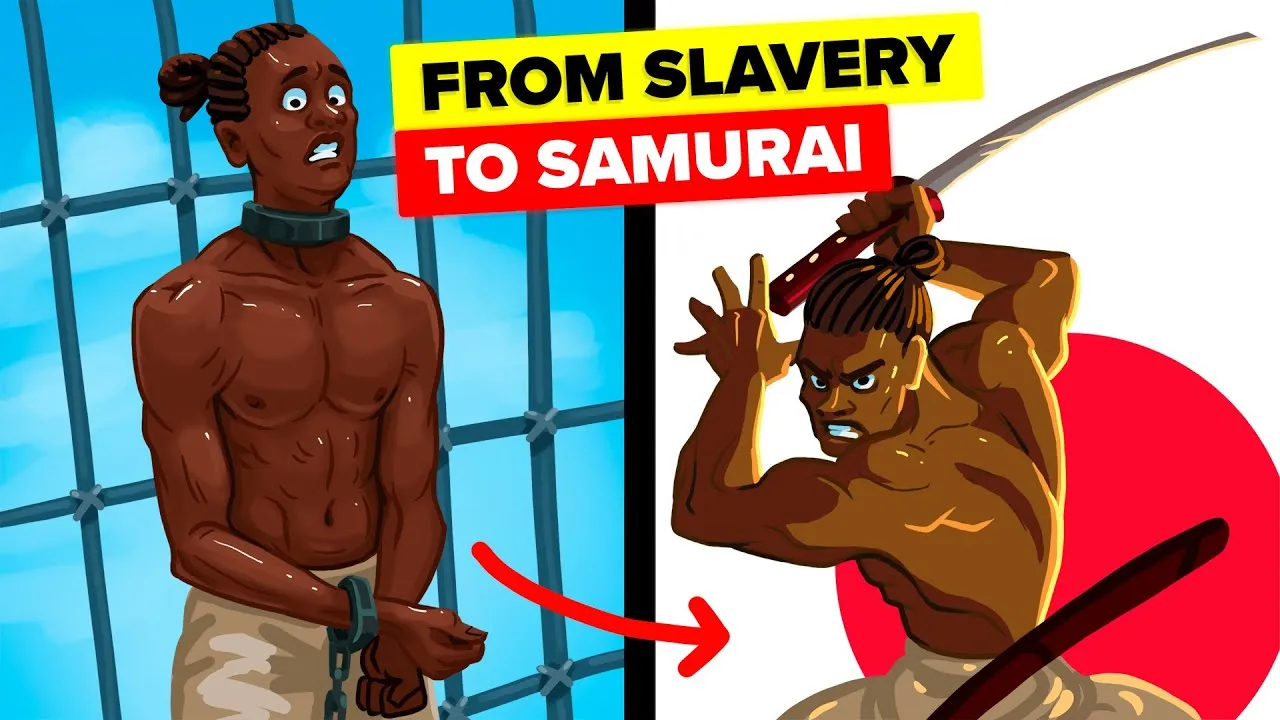
The lesson recounts the remarkable journey of Yasuke, an African man who became the first foreigner recognized as a samurai in Japan during the late 16th century. Originally a bodyguard for Italian Jesuit Alessandro Valignano, Yasuke's strength and unique appearance captivated the Japanese, leading him to serve the powerful warlord Oda Nobunaga. Despite the challenges he faced, Yasuke's legacy as a symbol of courage and resilience endures, highlighting the extraordinary possibilities that can arise from unlikely circumstances.
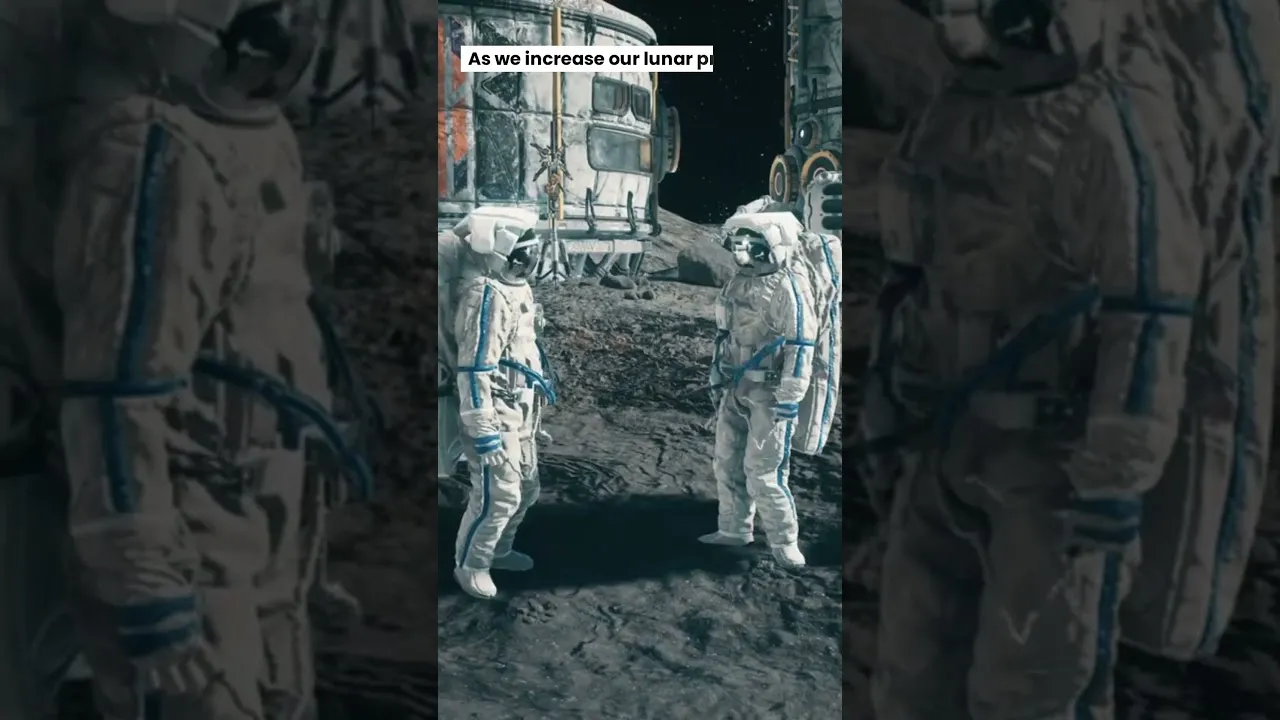
The Artemis III mission, set to launch by the end of 2025, aims to explore the lunar South Pole, a region shrouded in shadows and extreme cold that may harbor hidden life in its icy craters. Scientists are particularly interested in the potential discovery of water ice and resilient microbes, which could provide insights into Earth's biological history and the possibility of life beyond our planet. This mission not only seeks to uncover the Moon's secrets but also lays the groundwork for future human exploration of Mars and beyond.
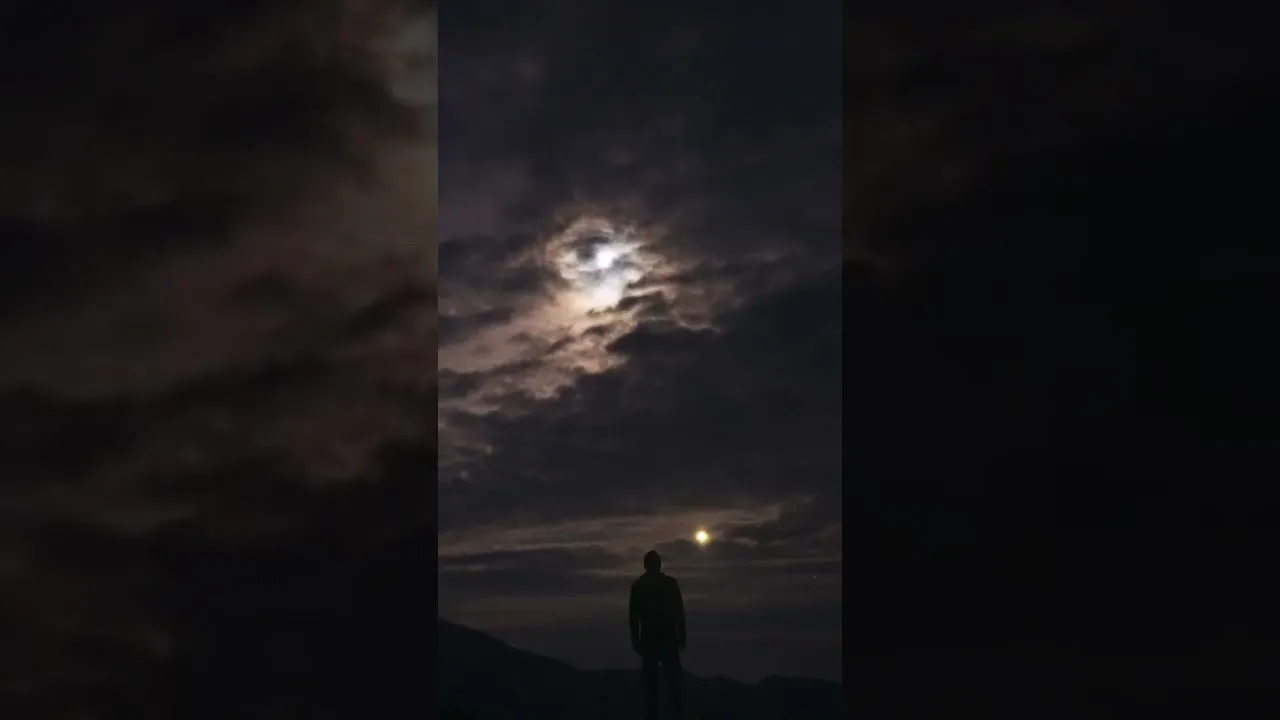
In this lesson, Neil Tyson emphasizes the importance of maintaining an open mind when encountering unidentified flying objects (UFOs). He cautions against jumping to conclusions, such as assuming that unexplained phenomena are extraterrestrial, and encourages a scientific approach of inquiry and evidence-gathering. Ultimately, the lesson advocates for curiosity and exploration of the universe while recognizing that not all unknowns are extraordinary.

The lesson explores the unique history of San Marino, a small, landlocked country entirely surrounded by Italy, which has maintained its independence since its founding by Saint Marinus in 301 AD. Despite facing various challenges and occupations throughout history, San Marino has preserved its sovereignty through strategic diplomacy and alliances, remaining a respected member of the international community today. The lesson highlights how San Marino's small size and geographical features contributed to its resilience as an independent nation.
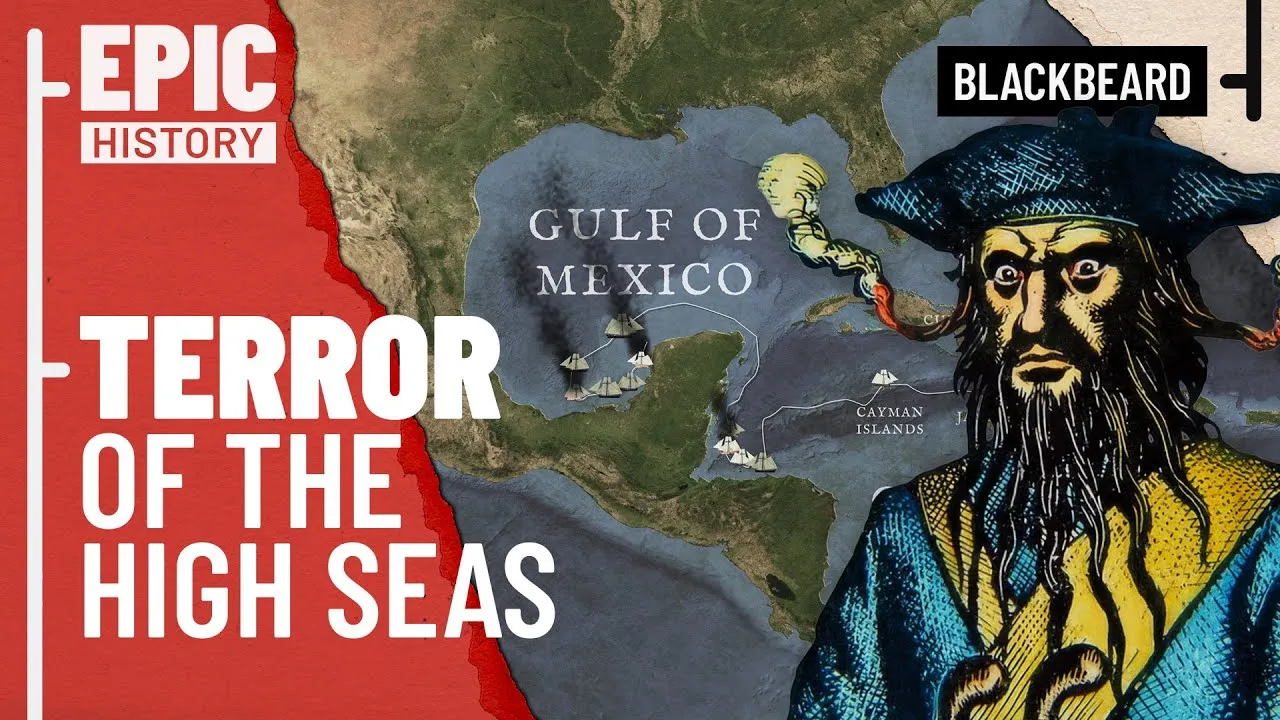
The lesson explores the life and legacy of Blackbeard, one of history's most notorious pirates, whose real name was likely Edward Thatch. Rising to power in the Caribbean, he became infamous for his fearsome tactics and successful raids, capturing around 40 ships in a brief but impactful career. Ultimately, his reign ended in a fierce battle with the Royal Navy, solidifying his status as a legendary figure in pirate lore.

This lesson delves into some of the most bizarre and unexpected deaths throughout history, highlighting how mortality can be both shocking and absurd. From tragic love stories to ironic accidents, the lesson presents a collection of unusual tales, such as a young man's suffocation in a closet and a mayor's fatal trip over his own beard, illustrating the unpredictable nature of life and death. Through these anecdotes, the lesson invites reflection on the strange circumstances that can lead to one's demise, reminding us that history is filled with surprising narratives.
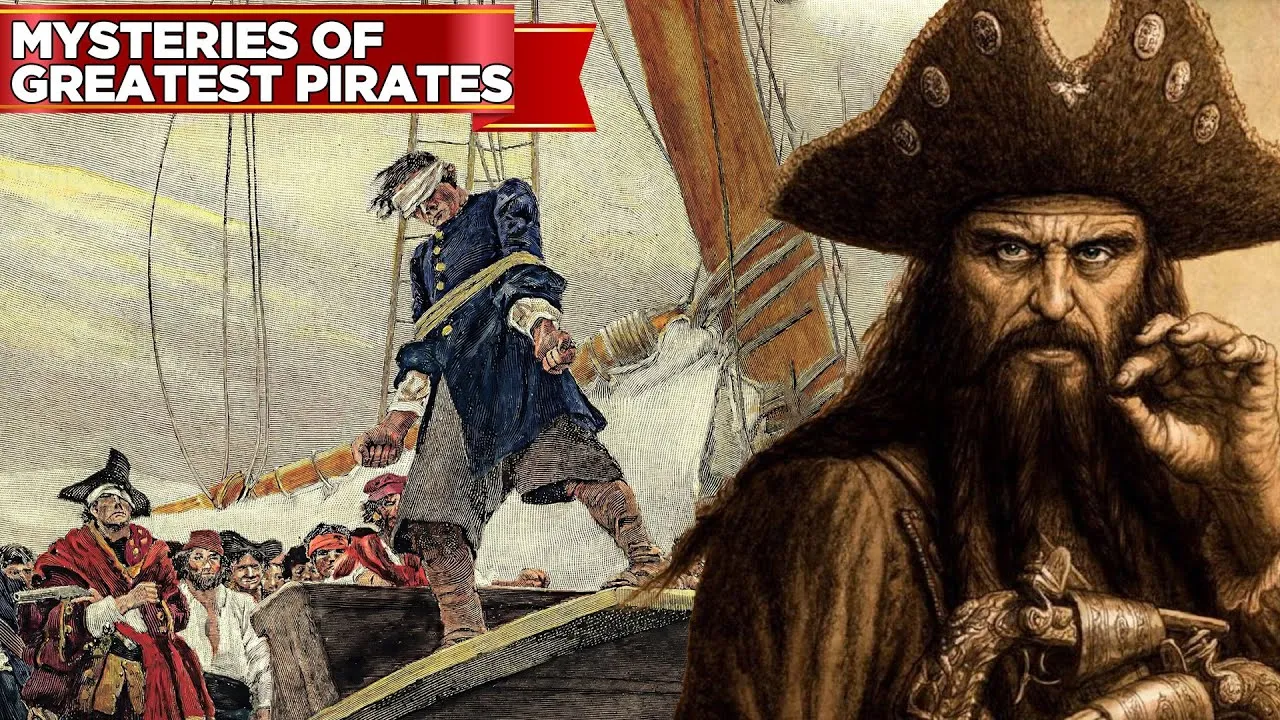
The lesson explores the intriguing and perilous world of pirates, highlighting their historical significance from ancient times to the Golden Age of Piracy in the 16th and 17th centuries. It delves into the stories of notable figures like James Mission, who dreamed of a utopian society, and infamous pirates such as Olivier Levasseur, Henry Every, and Captain Kidd, each with their own legendary tales of treasure and mystery. The lesson also touches on the enigmatic Sea Peoples, suggesting that piracy has deep roots in human history, intertwined with tales of adventure, rebellion, and lost treasures.

The lesson "Creepy Witches of History" explores the intersection of magic, witchcraft, and royal intrigue during medieval times, highlighting the cases of notable figures like Joan of Navarre, Eleanor Cobham, and Elizabeth Woodville. It reveals how accusations of witchcraft could lead to severe consequences, even for those of royal status, often fueled by personal vendettas and societal fears surrounding magic and astrology. Ultimately, the lesson illustrates the precarious position of women in power and the lasting impact of these historical events on perceptions of witchcraft.
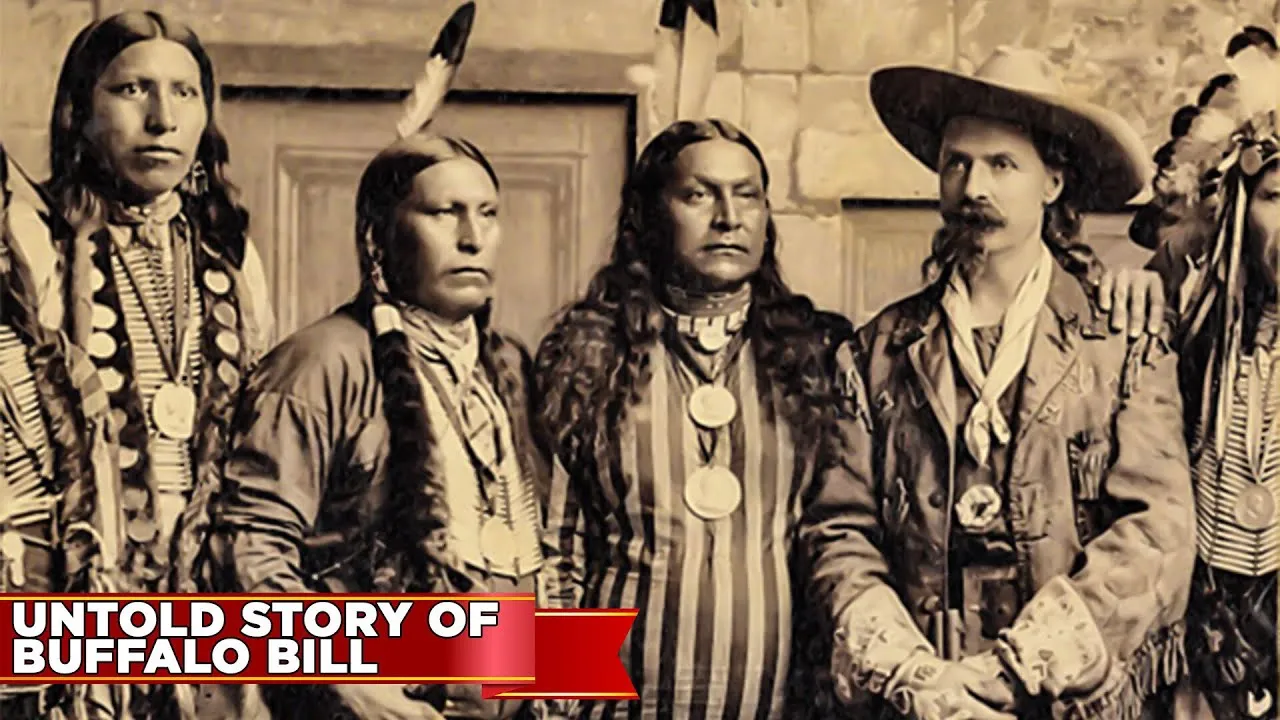
The lesson explores the life and legacy of Buffalo Bill, a pivotal figure in shaping the romanticized image of the Wild West through his popular traveling show. While he contributed to the heroic portrayal of cowboys and celebrated diversity by employing Native Americans and supporting women's rights, his performances often perpetuated negative stereotypes of Native Americans and simplified complex historical narratives. Ultimately, Buffalo Bill's life reflects a blend of contradictions, highlighting both his influence on American culture and the problematic aspects of his legacy.
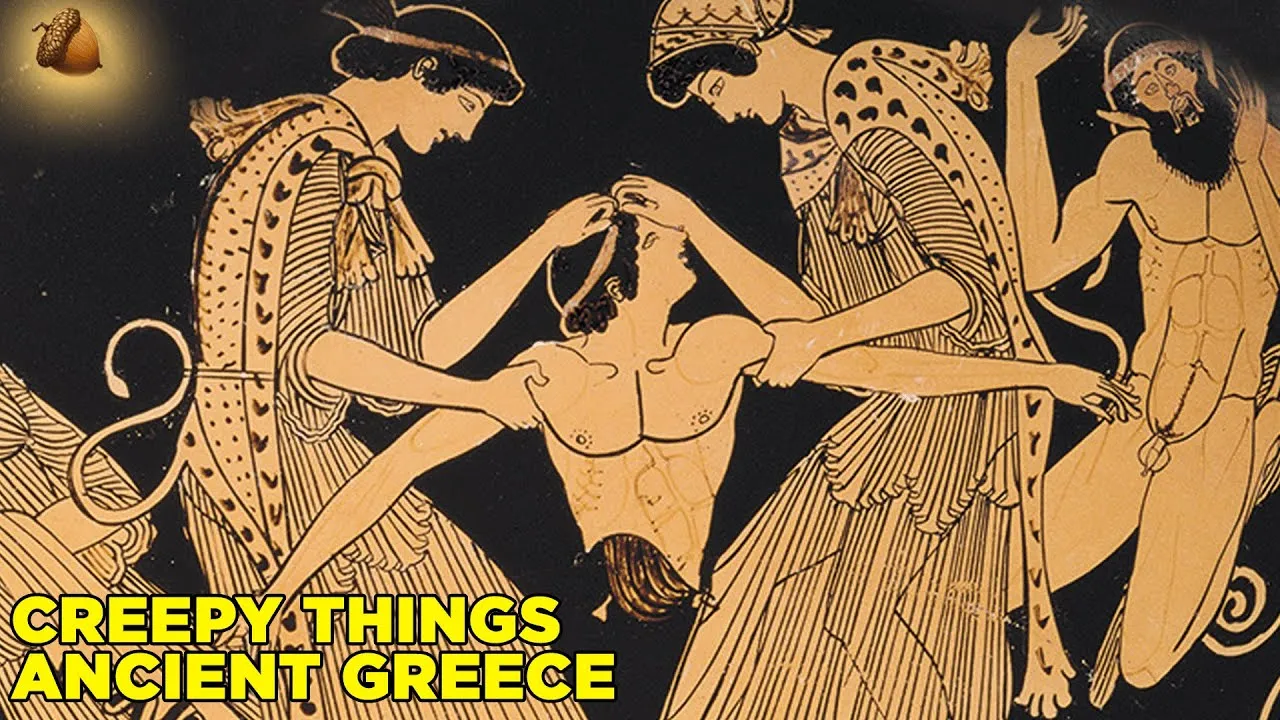
The lesson explores the intriguing and often unsettling customs of ancient Greece, revealing that their society had its own peculiarities despite its celebrated achievements. It highlights unusual medical practices, a unique celebrity culture centered around Olympic athletes, and the stark realities of women's roles and marriage norms. Additionally, it touches on their unconventional bathroom habits and vibrant festivals, illustrating the stark contrasts between ancient Greek life and modern standards.
In this lesson on justice in the American Wild West, we explore how the lack of formal law enforcement led to a unique system of justice governed by an honor code among cowboys. Key topics include the rarity of gun duels, the challenges of maintaining law and order in rapidly growing towns, and the role of vigilantes and posses in enforcing justice. The lesson highlights the complexities of survival and morality in a lawless environment, inviting reflection on whether one could navigate such challenges.

NASA's Moon Simulation at Cinder Lake in Arizona was a crucial training ground for astronauts preparing for lunar missions in the late 1960s. By creating a realistic model of the Moon's surface using explosives to form craters, NASA enabled astronauts to practice geological skills and navigation techniques essential for their time on the Moon. This innovative approach not only enhanced their training but also contributed to the successful collection of over 380 kilograms of lunar samples during the Apollo missions, which continue to be studied today.

In this lesson, we explored how to estimate the lifespan of a battery when powering an electronic circuit, focusing on the concept of milliamp-hours (mAh) as a measure of battery capacity. We learned that while the theoretical battery life can be calculated using the formula "Battery life = Capacity in milliamp-hours / Circuit current in milliamps," actual performance may vary due to factors like internal resistance, battery age, and temperature. A practical calculator is available on the website to assist with these estimations.

The Sahara Desert receives an abundance of solar energy, raising the possibility of covering it with solar panels to solve global energy problems. However, there are limitations to solar panel efficiency and challenges associated with large-scale solar farms, such as heat absorption and environmental impact. Alternative solutions, such as concentrated solar power plants using giant mirrors, are being explored. Additionally, solar energy can exist on smaller scales, providing a passive source of energy for individual buildings and rural communities.

The article discusses the concept of flow, which is a unique mental state of effortless engagement in a task. Flow is associated with positive emotions, creativity, and feelings of accomplishment, as well as increased productivity and learning. The article also explores unanswered questions about flow and provides tips on how to increase the chances of experiencing flow.

The article debunks common myths and misconceptions about medieval Europe. It explains that medieval people were not ignorant or uneducated, they had methods for preserving food and practiced hygiene, and many supposedly medieval torture devices were actually more recent inventions. The article also discusses how perceptions of the Middle Ages have varied throughout history.
Scientists believe that daydreaming serves a purpose and is not a waste of time, as we spend between a third and half of our waking hours daydreaming. Daydreaming activates different brain areas, known as the default mode network, which is associated with rest, memory recall, future planning, and creative thinking. The interplay between the default mode network and the executive network, responsible for logical thinking, is crucial for creative thinking and problem-solving.

The article discusses the physics behind Roberto Carlos's famous free kick during a 1997 match, highlighting the role of the Magnus effect in the ball's dramatic curve. By striking the ball with a specific spin, Carlos created a pressure differential that caused the ball to swerve unexpectedly into the goal, exemplifying the complexity and beauty of executing a banana kick in soccer. The piece also touches on the Magnus effect's application in various sports and the theoretical limits of achieving extreme ball curves.