
In this lesson, we learned that stars are massive, luminous objects in space that generate energy in their cores, with the Sun being the most well-known example. We also discovered that not everything that shines in the night sky is a star; planets, dwarf planets, and asteroids can also appear bright but are distinct from stars due to their proximity and characteristics, such as movement and twinkling. By observing brightness, twinkling, and movement, we can identify real stars among other celestial objects.

In this lesson, we explore the fascinating world of waterfalls, focusing on Angel Falls, the tallest waterfall in the world. Waterfalls form when rivers flow over cliffs, and the process of erosion gradually shapes the landscape by wearing away softer rock layers. Angel Falls' impressive height is a result of the unique interaction between soft and hard rock layers in its surrounding area, highlighting the natural beauty and complexity of these stunning geological features.
In the lesson "Discovering Science at the Playground," students learn about the concept of forces, including gravity and friction, through playground activities like swinging and sliding. The lesson explains how forces cause movement and how they can be observed in everyday play, highlighting the contributions of scientist Isaac Newton to our understanding of these principles. By engaging with their environment, students are encouraged to explore and discover the forces at work around them.
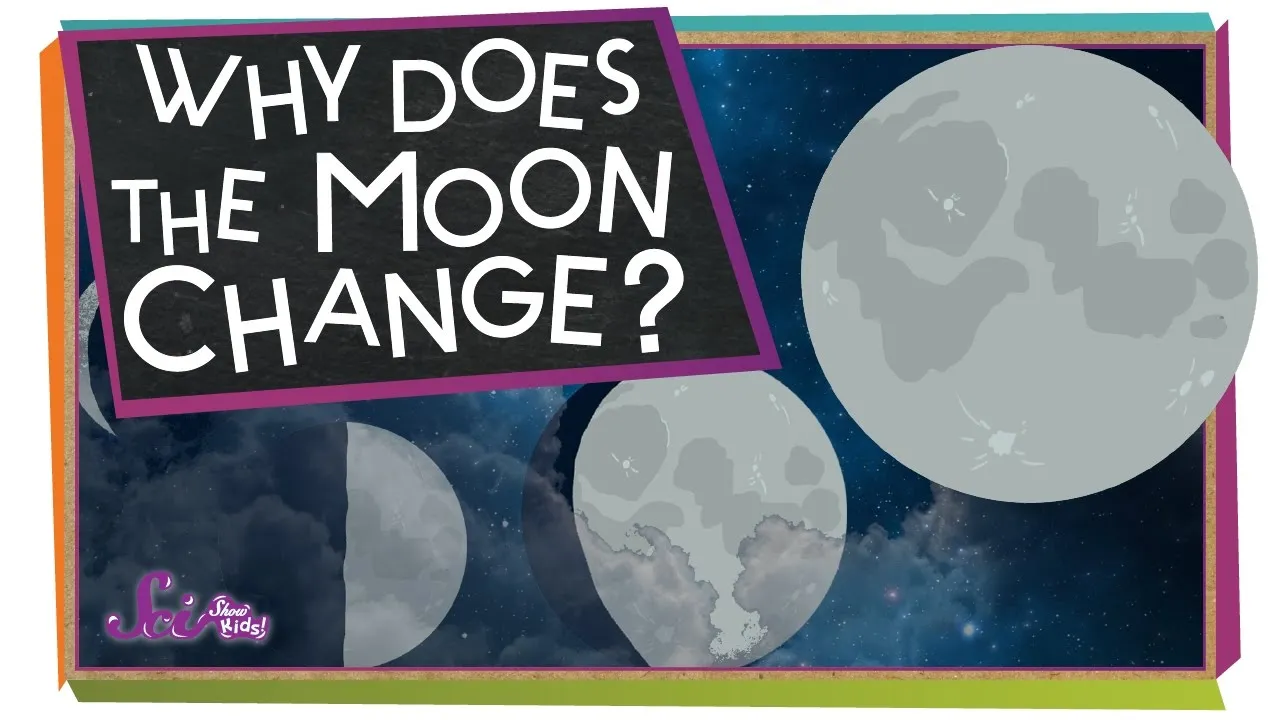
The lesson explains that the moon appears to change shape due to the varying angles from which we view its illuminated side as it orbits Earth. This phenomenon is known as the phases of the moon, which include eight distinct stages, from the New Moon to the Full Moon and back. By observing these phases, we can track the moon's cycle, which takes about a month to complete.
In this lesson, we learned about the importance of vaccinations, which protect us from harmful germs and diseases. Vaccines contain weakened or inactive germs that help our bodies practice fighting off illnesses, ensuring we stay healthy. Despite the temporary discomfort of getting a shot, the benefits of vaccines far outweigh the risks, making them essential for maintaining good health.

In this lesson, Squeaks and the narrator explore the science behind baking a cake, demonstrating how various ingredients interact to create a delicious final product. They explain the roles of flour, butter, eggs, and sugar in the baking process, highlighting how these components contribute to the cake's texture and flavor through chemical reactions when heated. The lesson emphasizes the fun of baking as a shared activity while also encouraging safety with oven use.
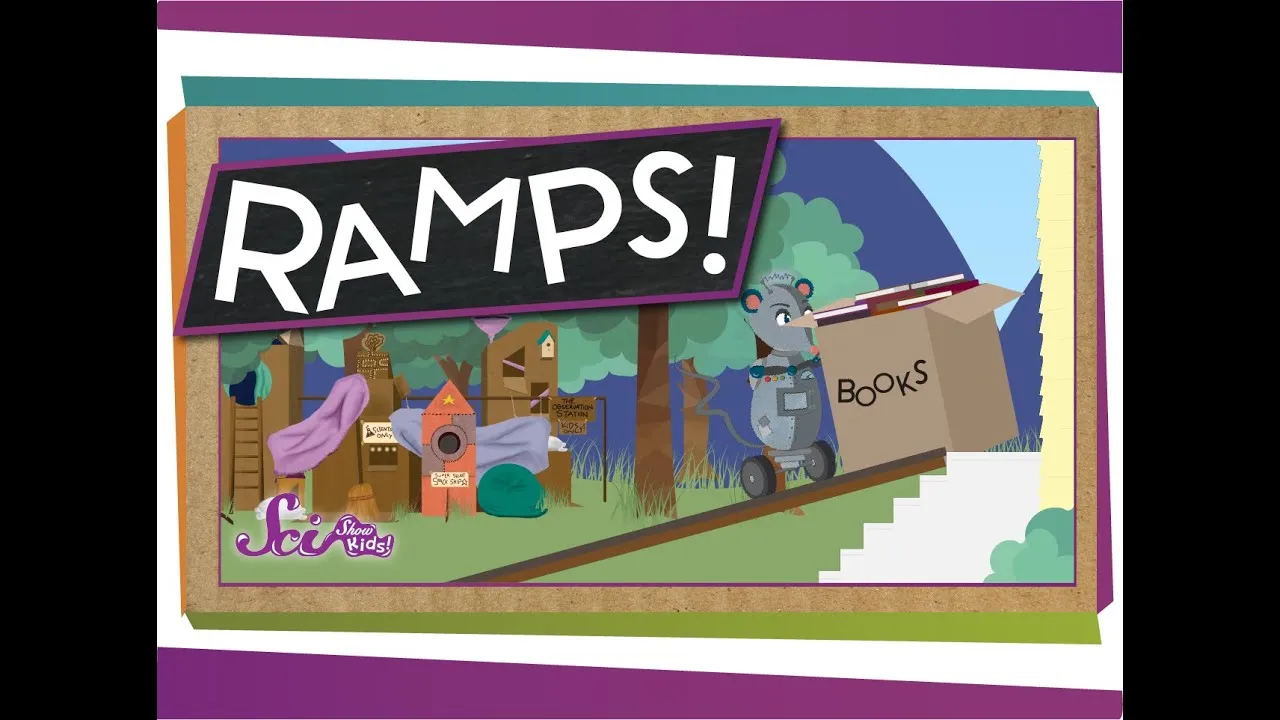
In this lesson, we explored the concept of ramps as simple machines that help make heavy tasks easier. Squeaks and the narrator faced the challenge of moving heavy boxes up steps and discovered that using a ramp allowed them to push the boxes more easily by reducing the effort needed. The lesson emphasizes the importance of ramps in everyday life and encourages further exploration of simple machines.
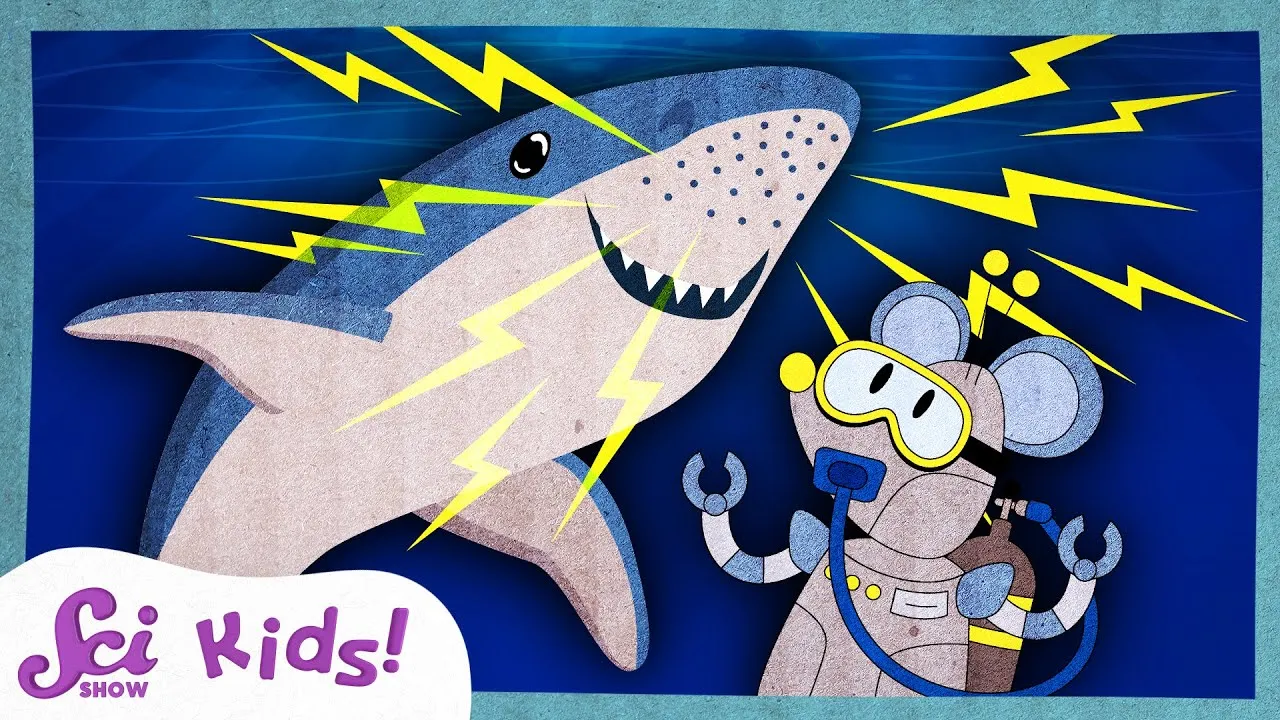
In today's lesson, we played a game called Hide & Squeak, where we used our senses—like hearing and smelling—to find Squeaks. We also learned about sharks and their unique sense of electroreception, which allows them to detect electrical signals from hidden prey, enhancing their hunting abilities. This lesson highlighted the importance of different senses in both humans and animals, showcasing how they help us experience and interact with the world around us.
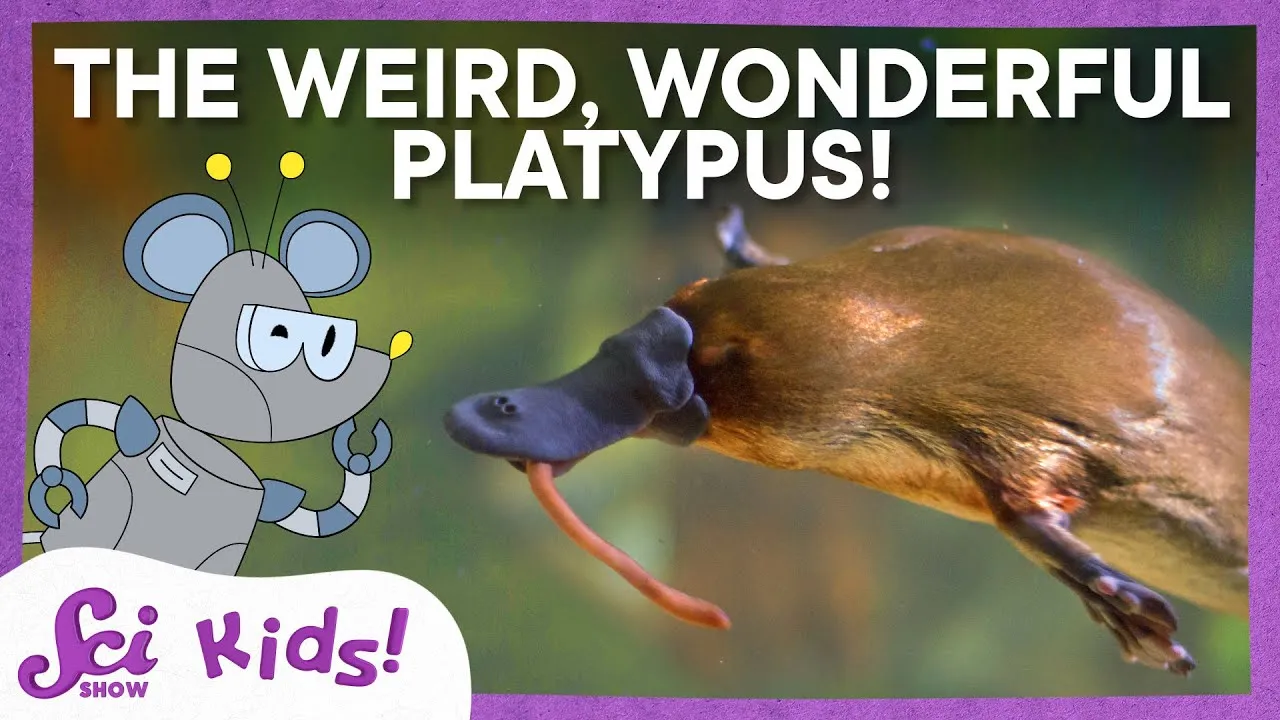
The lesson introduces the platypus, a unique animal that combines features of various creatures, such as a duck's beak and a beaver's body, while also laying eggs like a bird. It highlights the platypus's classification as a mammal, its habitat in Australia, and its specialized feeding techniques, emphasizing its distinct characteristics and the surprise it caused among scientists upon its discovery. The lesson concludes by celebrating the diversity of life and encouraging further exploration of fascinating animals.
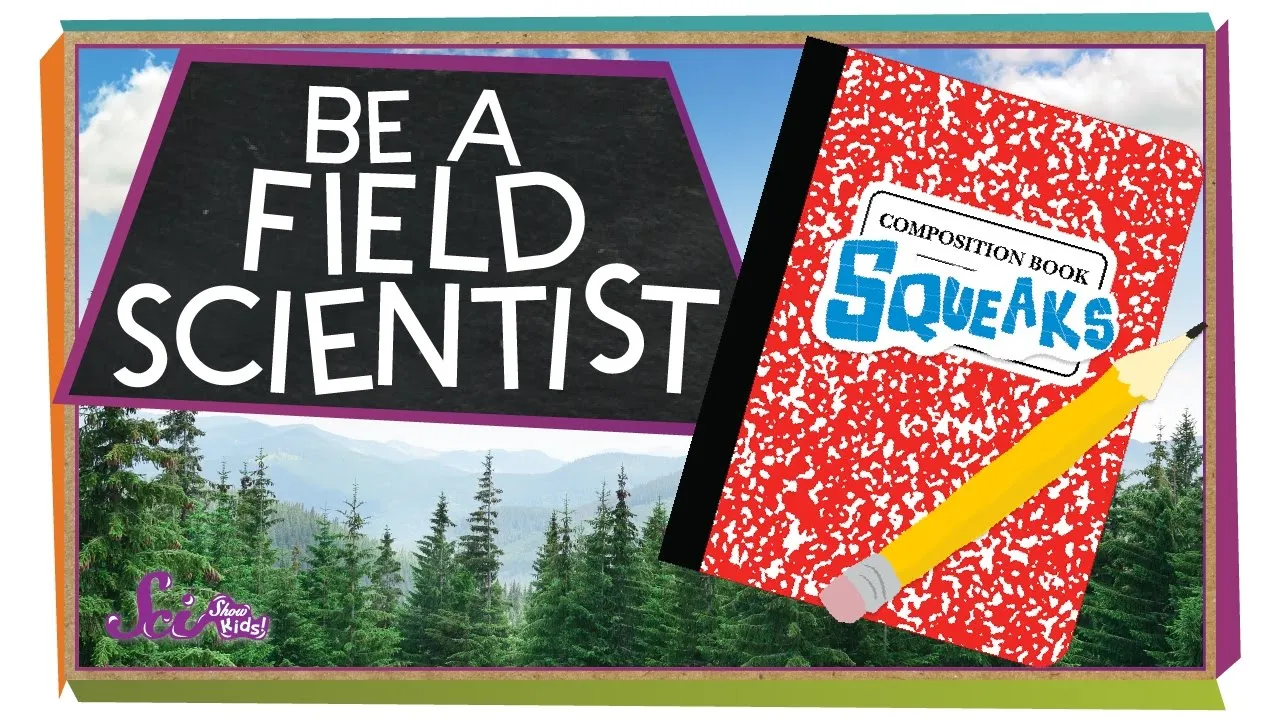
In the lesson "Discovering Nature with a Field Journal," Squeaks and the narrator share their experience of using a field journal to document their outdoor discoveries, including various birds, plants, and rocks. A field journal serves as a valuable tool for recording observations, thoughts, and questions about nature, allowing anyone to explore and learn about their environment, such as studying flowers or birds. The lesson encourages creativity through drawing and personalizing the journal, while highlighting the importance of tracking changes in nature over time.
In this lesson, we explored what happens when a balloon escapes into the sky, focusing on why balloons float due to helium and the changes they undergo as they rise. As a balloon ascends, the decreasing air pressure can cause it to pop or shatter, resulting in harmful debris falling back to the ground. Ultimately, we learned that whether a balloon bursts or breaks apart, it will always return to the earth, highlighting the importance of not intentionally releasing balloons into the environment.
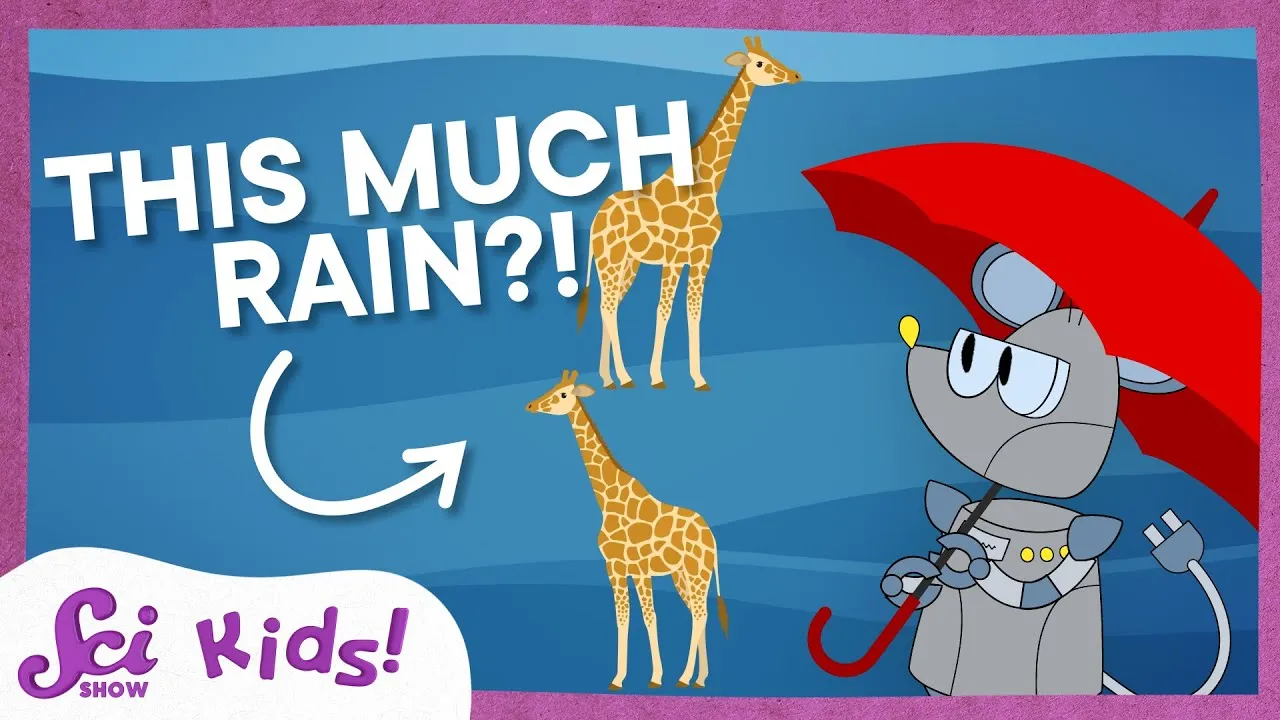
In today's lesson, we explored the reasons behind the varying levels of rainfall around the world, focusing on the rainiest places such as Mount Wai’ale’ale in Hawaii and Cherrapunji in India. We learned how scientists measure rain using rain gauges and discussed the phenomenon of monsoons, which are influenced by the Earth's tilt and geographical features like mountains. Additionally, we had a fun activity where students could create their own rain gauges to measure rainfall like scientists.

In this lesson, we explore the delightful world of yogurt, highlighting its creamy and tangy flavor, nutritional benefits, and various types made from different milks, including non-dairy options. The lesson emphasizes the role of good bacteria, or probiotics, in yogurt production, explaining how they transform milk into this tasty snack while also promoting digestive health. Additionally, it touches on the impact of sugar on yogurt's sweetness and encourages enjoying yogurt with toppings like granola and fruit.
In this lesson, students explore the fascinating phenomena of meteors and craters, learning that meteors are small pieces of space debris that burn up in Earth's atmosphere, creating beautiful shooting stars. They discover that while meteor showers are harmless, larger asteroids can impact Earth, forming craters, and that the Moon's surface is marked by craters due to its lack of atmosphere. The lesson concludes with a hands-on experiment to simulate crater formation, encouraging students to engage with the concepts actively.
The lesson introduces the Stegosaurus, a dinosaur known for its distinctive back plates and spiked tail, called the thagomizer. Scientists have proposed various theories about the purpose of the plates, suggesting they may have provided protection, helped regulate temperature, or served as a display to deter predators. Overall, the lesson highlights the intriguing features of the Stegosaurus and encourages curiosity about its life millions of years ago.
In this lesson, we learn that shivering is a natural response our bodies have to cold temperatures, helping to generate heat and maintain a stable internal temperature. When we get cold, our brain signals our muscles to contract rapidly, which produces warmth. To prevent shivering, it's important to wear warm clothing and layers that trap heat, especially during winter.
The lesson emphasizes the importance of recycling, particularly plastic, to help keep our planet clean and reduce pollution. It explains that plastic takes hundreds to thousands of years to decompose, leading to significant environmental issues, especially in oceans where it harms marine life. By using less plastic and recycling more, individuals can contribute to a healthier planet and mitigate the negative impacts of plastic waste.
This lesson explains the significance of earwax, or cerumen, which is produced in the ear canal and plays a crucial role in protecting the ears. Earwax moisturizes the ear, removes dead skin, prevents infections by keeping germs out, and protects the eardrums from dust and dirt. It emphasizes that regular bathing is sufficient for ear hygiene, and cautions against inserting objects into the ears.
This lesson introduces a variety of fun and educational science experiments that can be easily conducted at home, perfect for keeping boredom at bay. Activities include the Blubber Experiment to understand insulation, Balloon Rockets to explore propulsion, Invisible Ink for secret messaging, and creating a Zoetrope to animate drawings. Each experiment encourages hands-on learning and discovery, making science engaging and accessible for everyone.

In this lesson, we explored the importance of recycling, specifically focusing on how to turn old crayons into new ones as a fun and eco-friendly activity. By recycling crayons, we not only reduce waste that would otherwise end up in landfills but also engage in a simple science experiment that demonstrates the melting and solidifying process. This hands-on approach encourages creativity while promoting environmental awareness.
In this lesson, we explored the causes and effects of colds and the flu, which are triggered by tiny viruses that invade our bodies. We learned how our immune system fights back through mechanisms like mucus production, sneezing, and fever, as well as the importance of rest and hydration for recovery. Additionally, we discussed preventive measures, such as frequent handwashing and proper etiquette when coughing or sneezing, to help avoid spreading germs and staying healthy.

In this lesson, you learned how to create your own compass using simple materials like a sewing needle, aluminum foil, water, and a magnet. By magnetizing the needle and floating it on the water, you can observe how it aligns itself to point north, demonstrating the Earth's magnetic properties. This hands-on activity not only teaches you about navigation but also the science behind how compasses work.
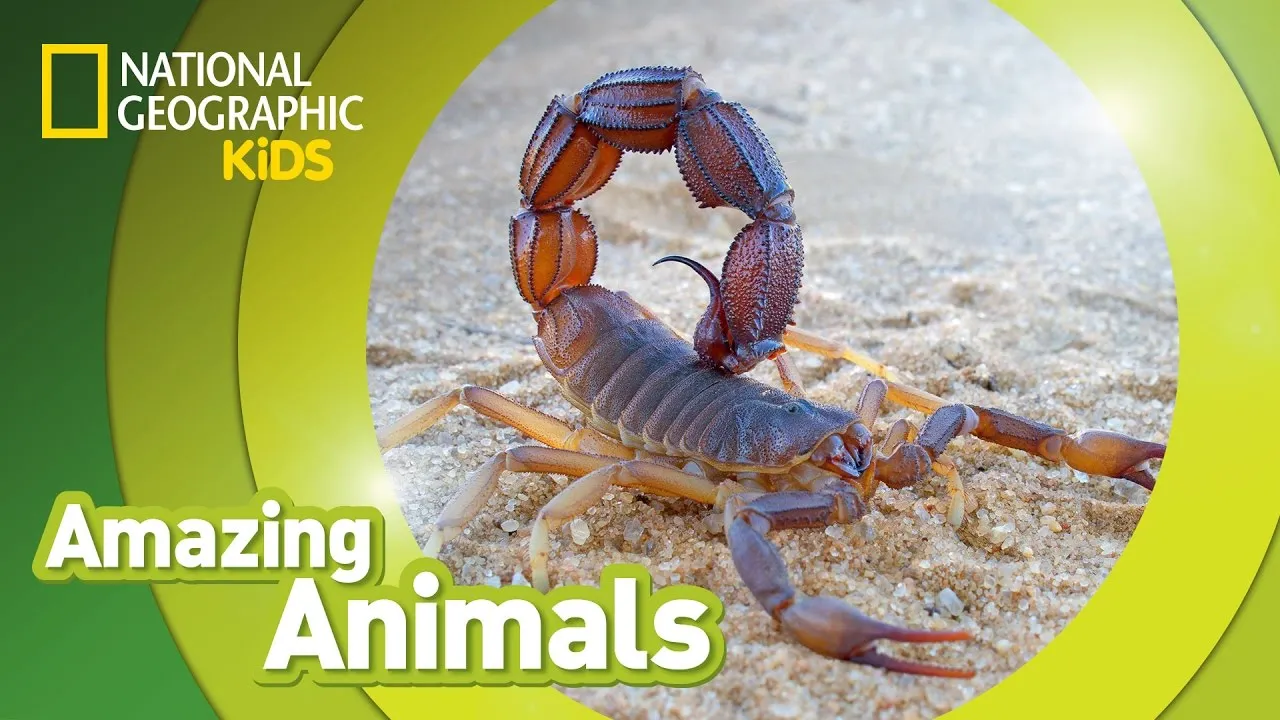
In this lesson, students explore the fascinating world of scorpions, learning about their diverse species, habitats, and unique characteristics. Scorpions, part of the arachnid family, possess special features such as venom, glowing abilities under UV light, and a unique feeding method. Despite their tough exterior, they have natural enemies and play an important role in their ecosystems, highlighting their remarkable adaptability and resilience.
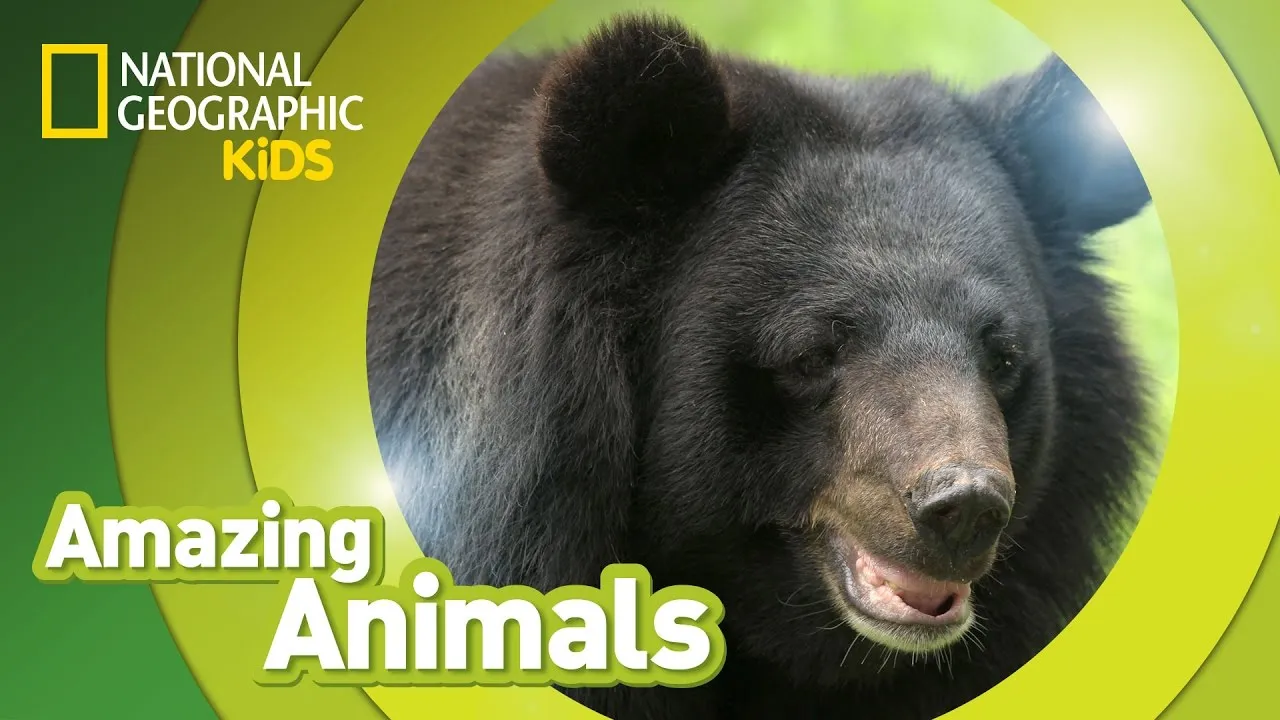
The lesson introduces the fascinating sloth bear, an omnivorous animal known for its unique eating habits, such as using its long claws to extract insects from their nests. Found in the forests of the Indian subcontinent, sloth bears are distinct from their brown bear relatives and have interesting interactions with humans, including a history of being kept as pets. Overall, sloth bears are remarkable creatures with special traits that make them worth learning about.