

Lead is a highly poisonous element that can cause a variety of health problems, particularly in the brain. It interferes with the communication between brain cells and weakens the connections between neurons. This is especially dangerous in children, whose rapidly growing brains are more susceptible to damage. However, scientists have recently discovered that by adding a BDNF substitute, which strengthens the connections between neurons, it may be possible to treat the effects of lead poisoning. While this research is still in its early stages and prevention should remain a priority, it offers hope for a future where lead poisoning is more treatable.
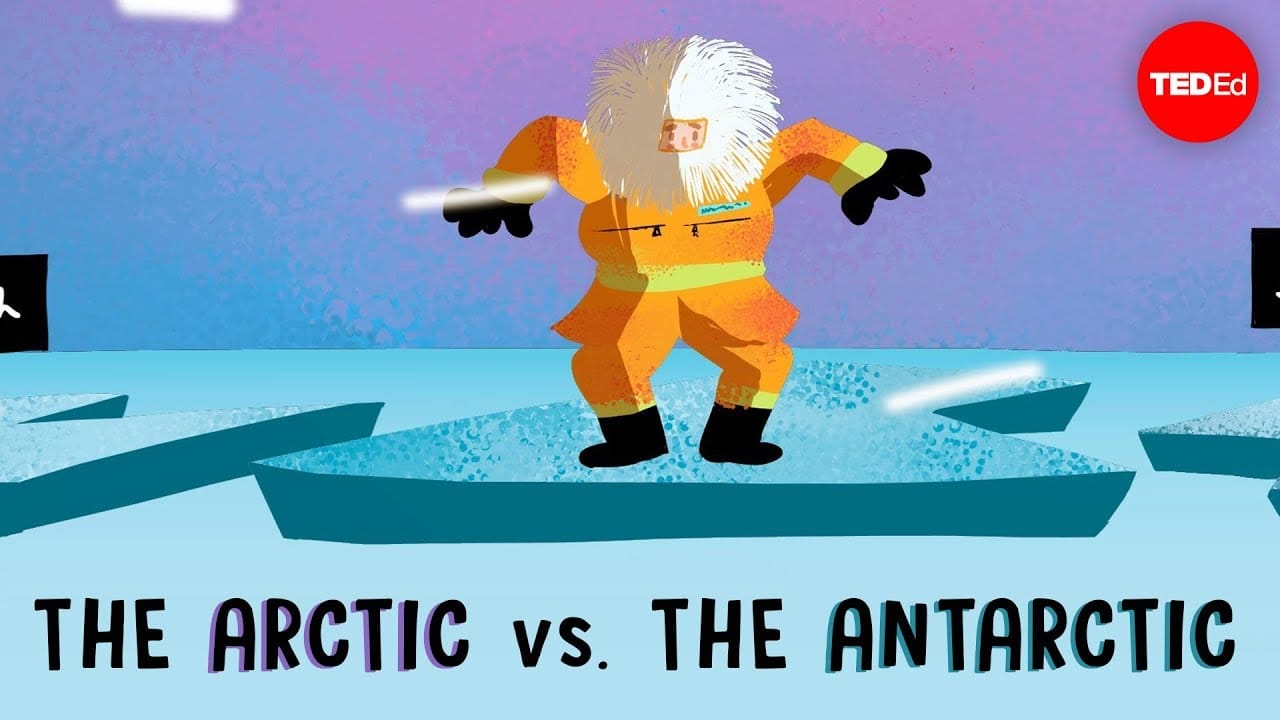
The article provides an overview of the Arctic and Antarctic regions. It explains the geographical and climatic characteristics of each region, as well as the unique organisms and human populations that inhabit them. Additionally, it discusses why Antarctica is colder than the Arctic and highlights the importance of the polar regions in regulating global climate.
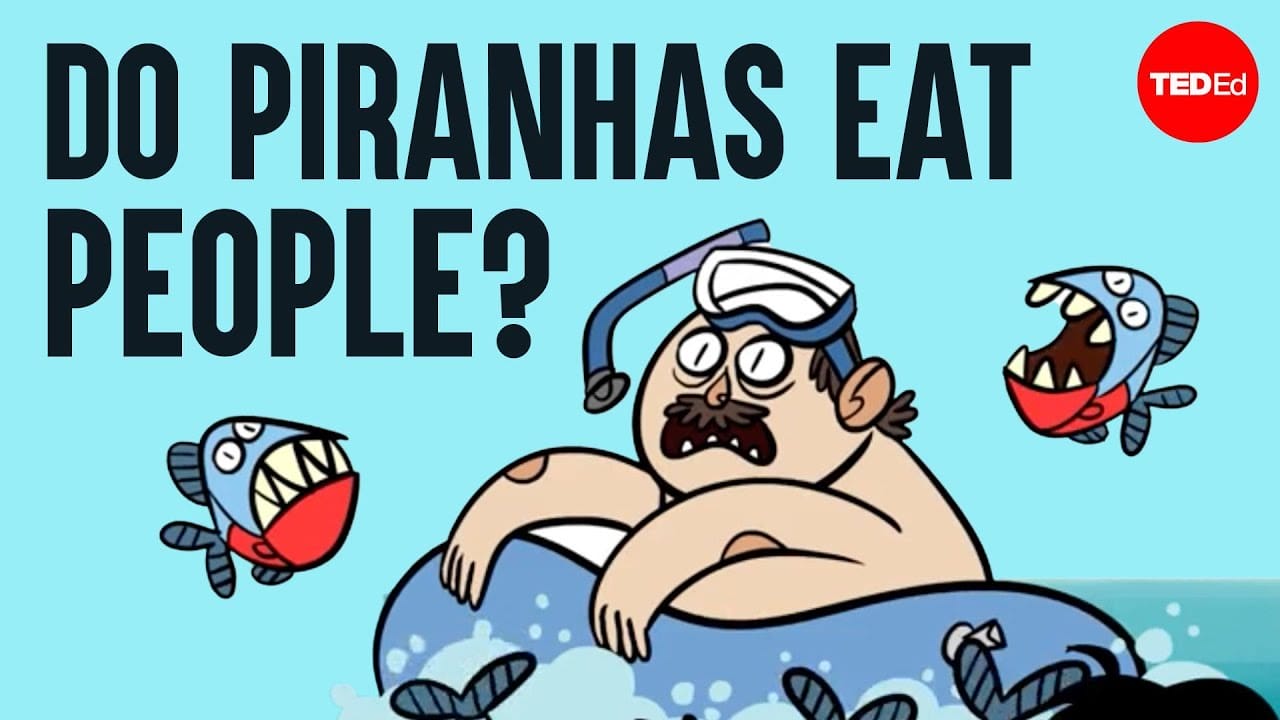
The article provides information about piranhas, including their species, behavior, and communication. It explains that piranhas are not as aggressive towards humans as commonly believed and are more likely to attack when they feel threatened or in certain specific situations. Falling into piranha-infested waters is unlikely to result in a fatal feeding frenzy, as piranhas usually have better food sources and are not attracted to splashing.

The article tells a story about a person who made a deal with a magical man to triple the gold coins in the king's treasury in exchange for their first-born child. When the time comes to fulfill the deal, the magical man presents a new challenge involving a bag that increases the number of coins placed inside it. Through logical deduction, the person is able to determine the number of coins in the magical man's hand and successfully solves the challenge.
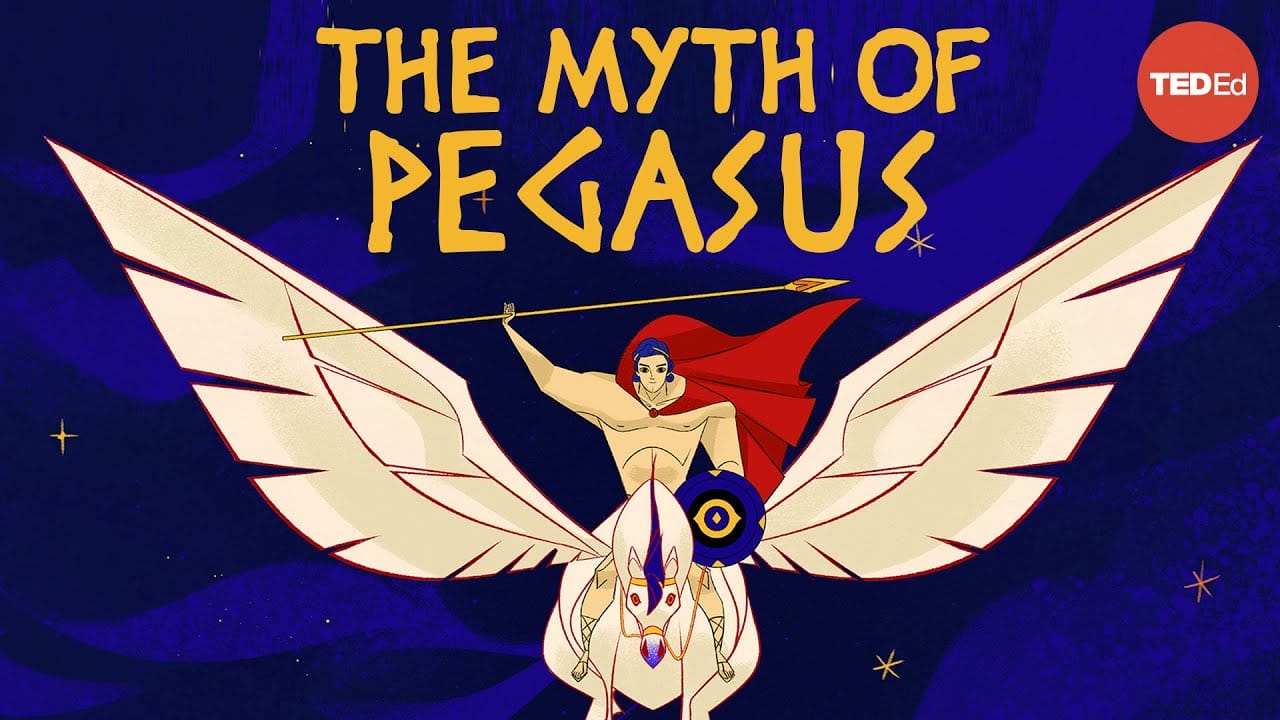
This article tells the tale of Perseus, Pegasus, and Bellerophon from Greek mythology. Perseus decapitated Medusa, giving birth to Chrysaor and Pegasus. Bellerophon tamed Pegasus with a magical bridle and embarked on a journey to become a legendary hero, but his ambition led to his downfall while Pegasus ascended to Mount Olympus and became a constellation.
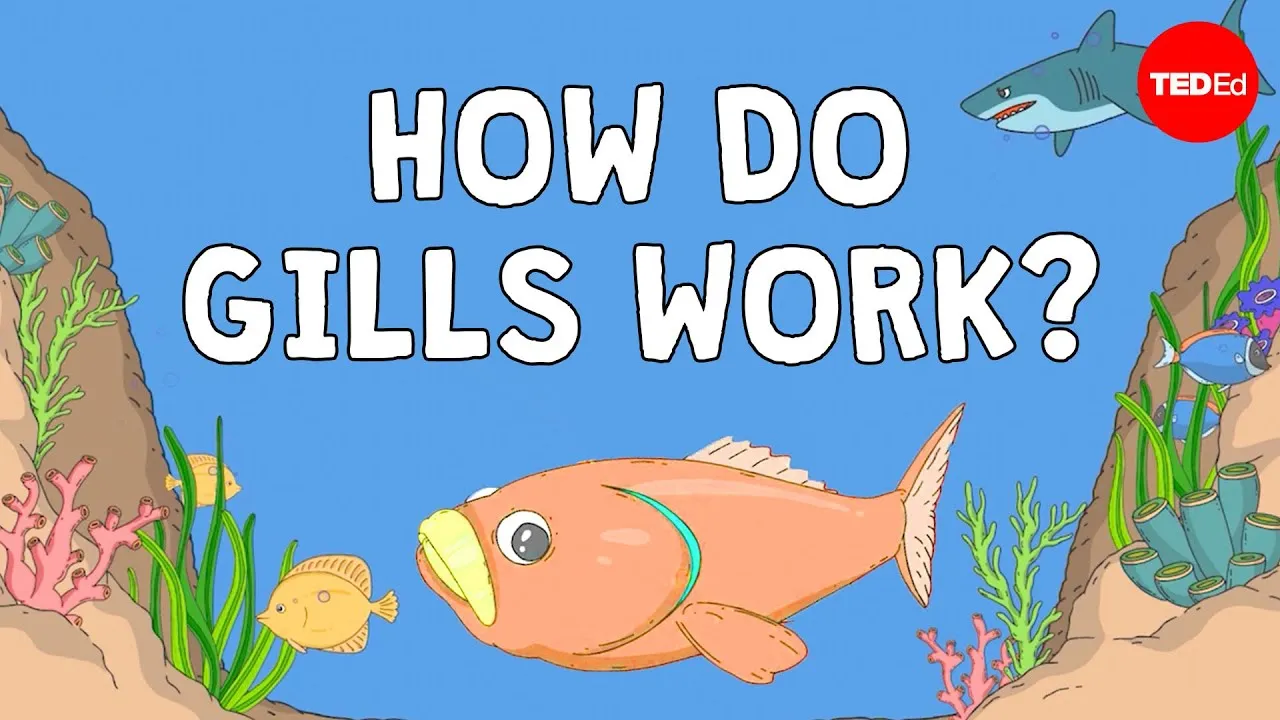
Eliud Kipchoge made history in 2019 by breaking the two-hour marathon barrier, completing the race in 1:59:40, a feat previously deemed impossible. While his extraordinary oxygen consumption contributed to this achievement, the article also highlights that fish possess even greater breathing efficiency, utilizing specialized gills to extract oxygen from water with remarkable effectiveness. Fish can absorb about 75% of the oxygen in the water they process, significantly surpassing human lung efficiency, which underscores their evolutionary adaptations for thriving in aquatic environments.
In "Thor's Epic Journey: A Tale of Challenges and Illusions," Thor embarks on an extraordinary adventure to Jotunheim with his servant Thjalfi and the trickster Loki, facing a series of seemingly simple yet deceptive challenges posed by the giant king Utgard-Loki. Despite their failures, including Thor's inability to lift a giant cat and drain a drinking horn, the journey reveals profound truths about the nature of strength, age, and the limits of perception. Ultimately, the experience transforms them and leaves a lasting legacy, showcasing the power of perseverance in the face of insurmountable odds.
The article explores the intriguing history and evolution of sloths, beginning with Thomas Jefferson's discovery of giant sloth bones in 1796, which he mistakenly attributed to a lion. It details the existence of prehistoric ground sloths, their ecological roles, and their eventual decline around 10,000 years ago, leading to the survival of smaller tree-dwelling species. Modern sloths have adapted to their arboreal lifestyle with unique digestive and metabolic strategies that allow them to thrive on a low-energy diet, showcasing their remarkable evolutionary journey.
The article recounts the legendary journey of Jason and the Argonauts, a group of formidable heroes from Greek mythology who unite to help Jason reclaim his rightful throne by retrieving the golden fleece from King Aeetes in Colchis. Their adventure is filled with perilous trials, including encounters with monstrous foes and romantic entanglements, ultimately testing their bravery and camaraderie. This timeless tale highlights themes of unity, sacrifice, and the relentless pursuit of noble goals.
In the lesson "Discovering Duonia: A Pilgrim's Journey to the Temple," you navigate the city of Duonia while facing a unique tax challenge that complicates your pilgrimage to the temple. By strategically planning your route and utilizing counterclockwise loops, you learn that an indirect approach can effectively reduce your tax debt, ultimately allowing you to reach the temple without incurring additional costs. This journey emphasizes the importance of strategic thinking and adaptability in overcoming obstacles.
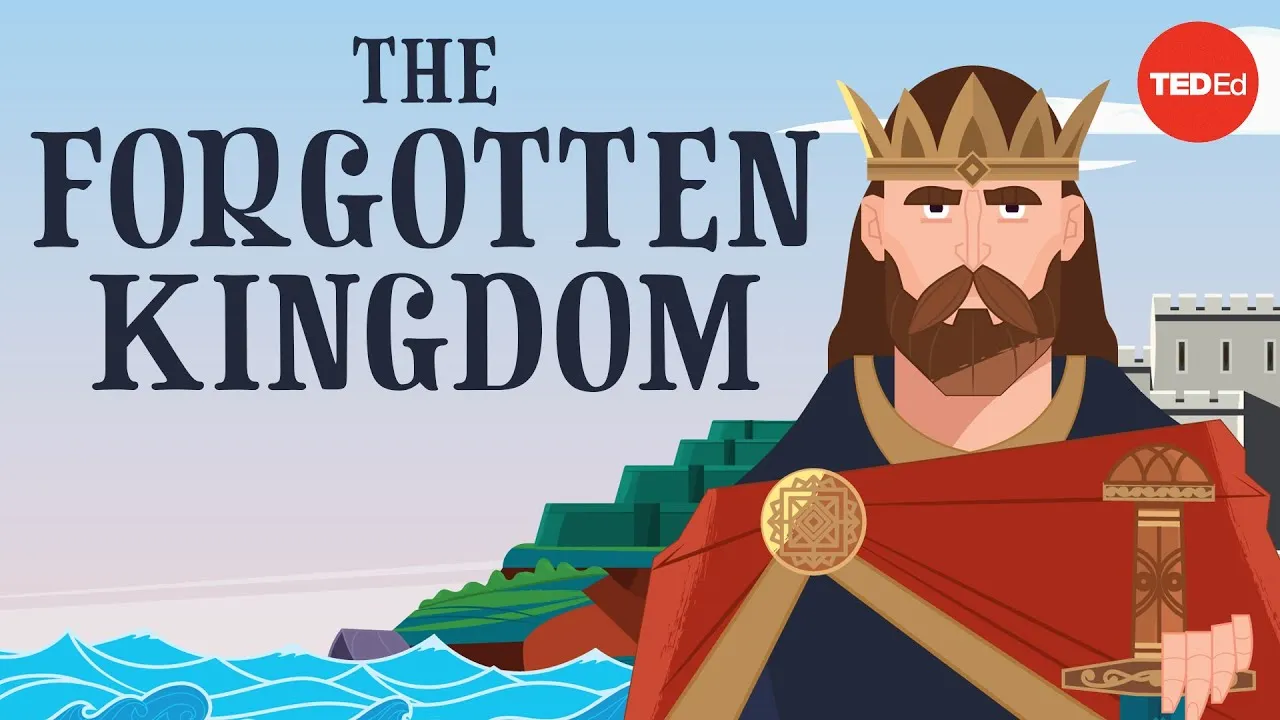
The lesson explores the history of the Sea Kings of the Isle of Man, a medieval dynasty that ruled over a maritime empire from the late 11th century until the mid-13th century. It highlights the reign of Godred Crovan, the kingdom's diverse cultural heritage, maritime dominance, internal rivalries, and eventual decline, culminating in the annexation of the Isle of Man by Scotland in 1266. The legacy of the Sea Kings endures through historical chronicles and the remnants of their coastal fortresses, symbolizing their significant impact on the region.
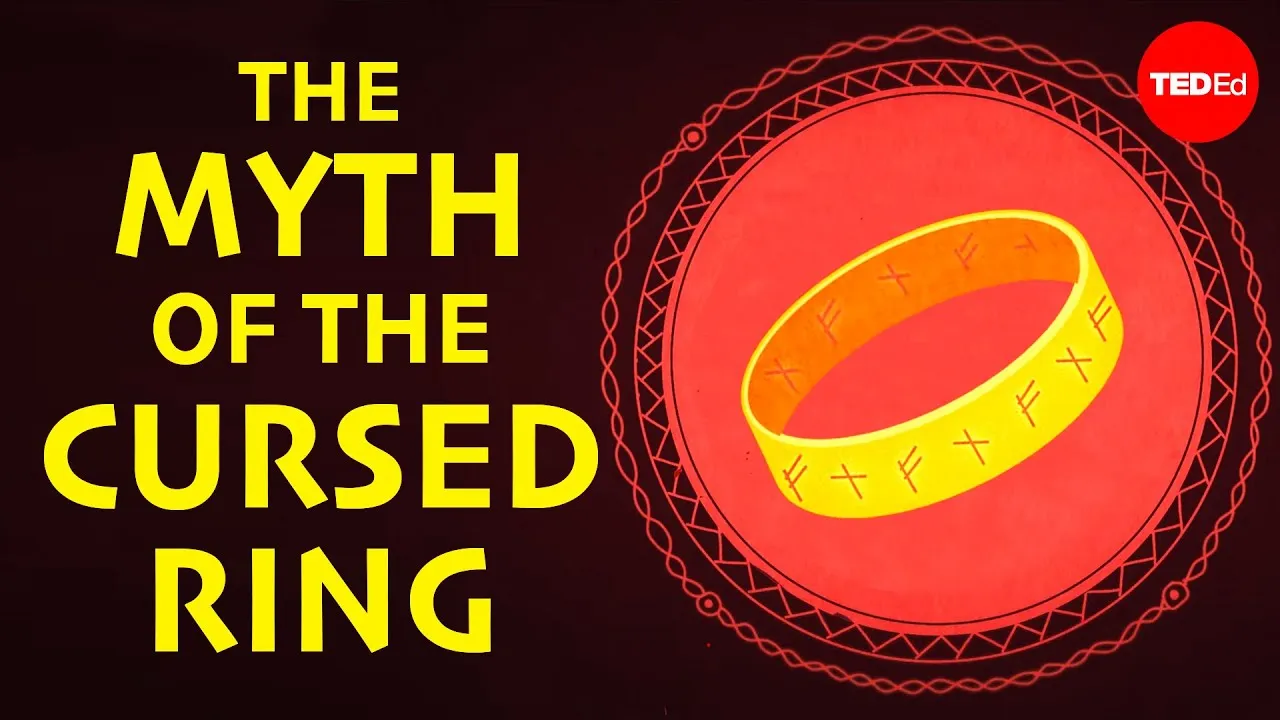
The lesson of "The Curse of Andvari's Ring" illustrates the destructive nature of greed and betrayal, as a seemingly innocuous act by Loki leads to a tragic chain of events. The acquisition of Andvari's cursed ring brings about the downfall of Hreiðmarr and his sons, culminating in a cycle of violence and treachery that ultimately consumes them. This tale serves as a cautionary reminder of how the pursuit of wealth can lead to ruin and discord among even the closest of kin.
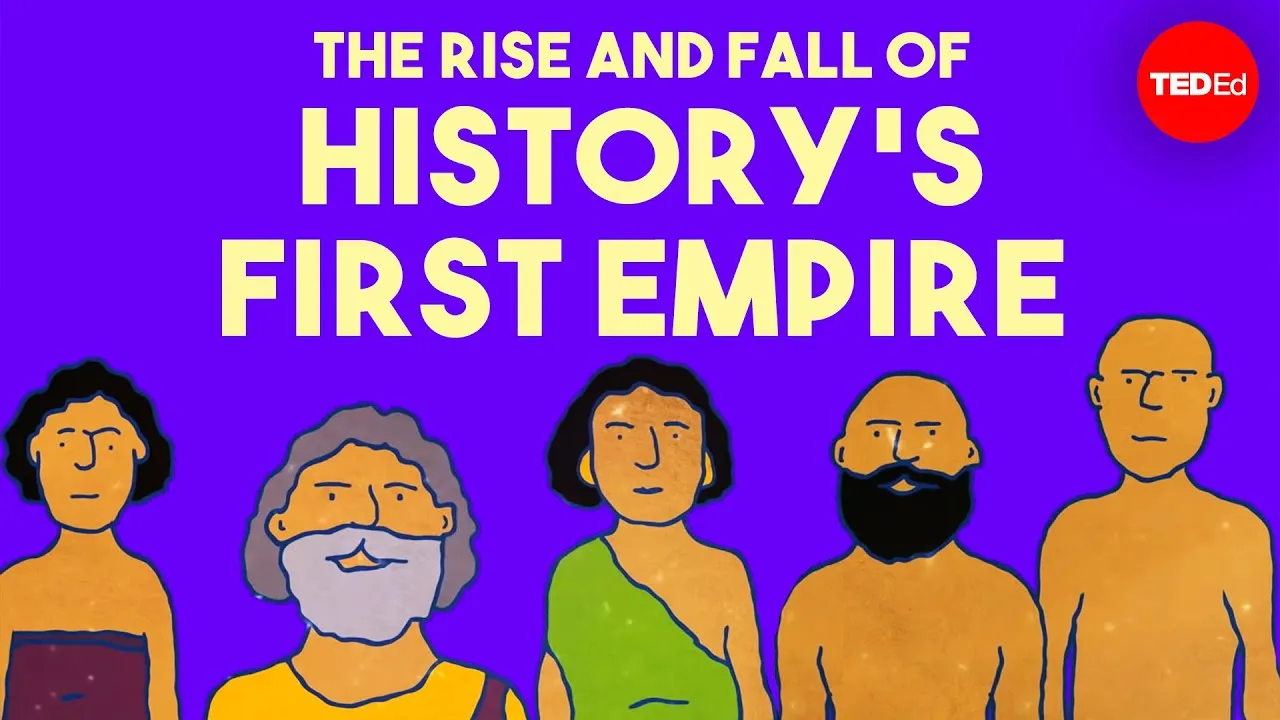
The lesson explores the rise of the Sumerian civilization, recognized as the world's first empire, which emerged in the challenging environment of Mesopotamia around 5000 BCE. Through innovations in agriculture, urban development, and trade, the Sumerians established city-states characterized by complex social structures, monumental architecture, and the invention of writing. Despite their eventual decline due to invasions, Sumer's cultural and technological contributions significantly influenced subsequent civilizations, leaving a lasting legacy that continues to resonate in modern society.
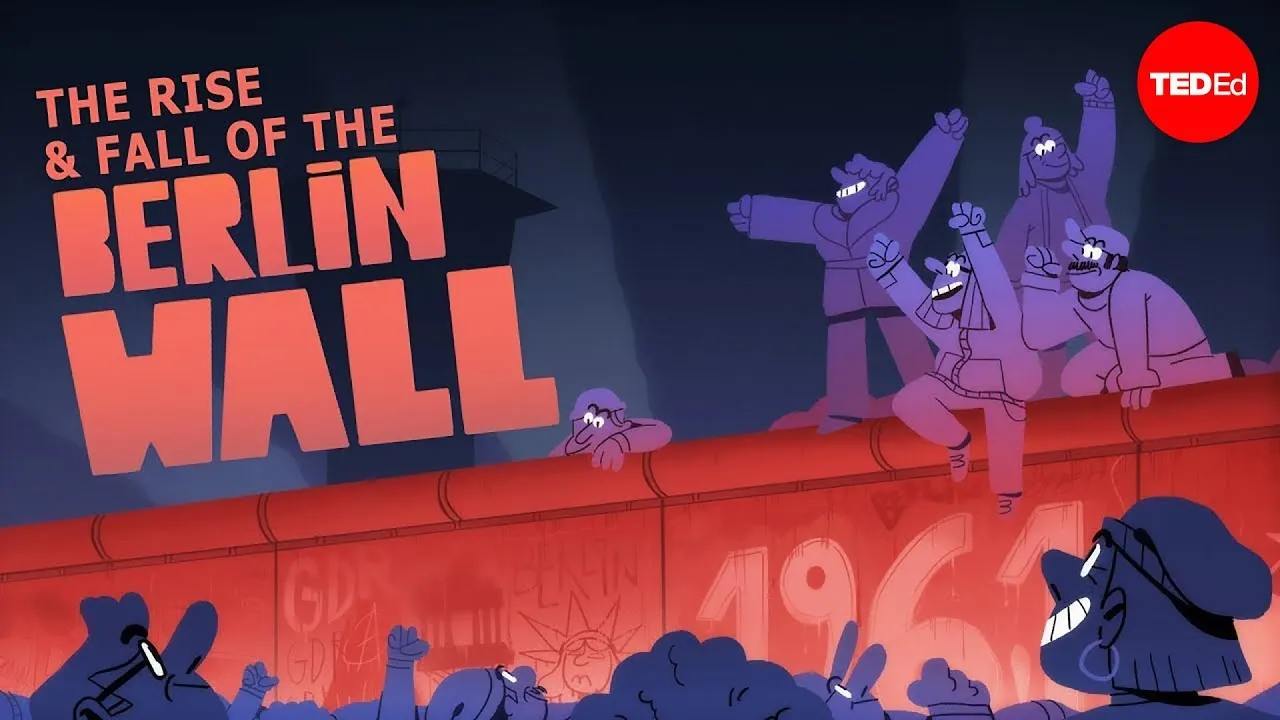
The lesson on the Berlin Wall explores its historical significance as a symbol of division and eventual reunification, highlighting its construction in 1961 as a response to mass emigration from East to West Germany. It details the geopolitical tensions following World War II that led to the division of Germany and the establishment of the wall, which not only separated families but also represented the broader conflict between Communist and Western ideologies. The lesson culminates with the wall's fall in 1989, marking a pivotal moment in history that led to Germany's reunification and serves as a reminder of the enduring struggle for freedom.
The lesson explores the intriguing origins and beliefs surrounding superstitions, highlighting their connections to religious traditions, linguistic quirks, and practical origins. It discusses how superstitions like the fear of the number thirteen or the practice of knocking on wood have persisted over time, often rooted in cultural habits rather than conscious belief. Additionally, the lesson examines the psychological factors that contribute to the adherence to these beliefs, suggesting that they can provide comfort and a sense of control in uncertain situations.
The lesson explores the fascinating phenomenon of deception in the animal kingdom, highlighting various strategies animals use to mislead others for their benefit. Examples include the predatory firefly's mimicry, camouflage in species like the octopus and leaf-tailed gecko, and the clever tactics of the fork-tailed drongo, which uses false alarms to steal food. The lesson emphasizes the complexity of animal deception, raising questions about the intent behind these behaviors while showcasing the intricate adaptations that enhance survival.
The lesson on "The Hero's Journey" explores the universal narrative pattern identified by Joseph Campbell, which illustrates how heroes from various cultures and stories, such as Harry Potter and Katniss Everdeen, follow a similar transformative journey. This cycle includes stages like the call to adventure, trials, and eventual return, reflecting the challenges and growth we experience in our own lives. By recognizing these stages in both fiction and reality, we can better understand our personal journeys and the treasures that lie in overcoming our fears.
The lesson explores the fascinating tradition of worm grunting in Florida's Apalachicola National Forest, where the practice of creating vibrations to lure earthworms to the surface has intrigued locals for over a century. Recent scientific investigations, particularly by biologist Kenneth Catania, revealed that earthworms emerge in response to vibrations that mimic the presence of predators like moles, highlighting an evolutionary adaptation for survival. This unique behavior not only showcases the intricate relationship between species but also illustrates how humans have harnessed this natural response for their own purposes.
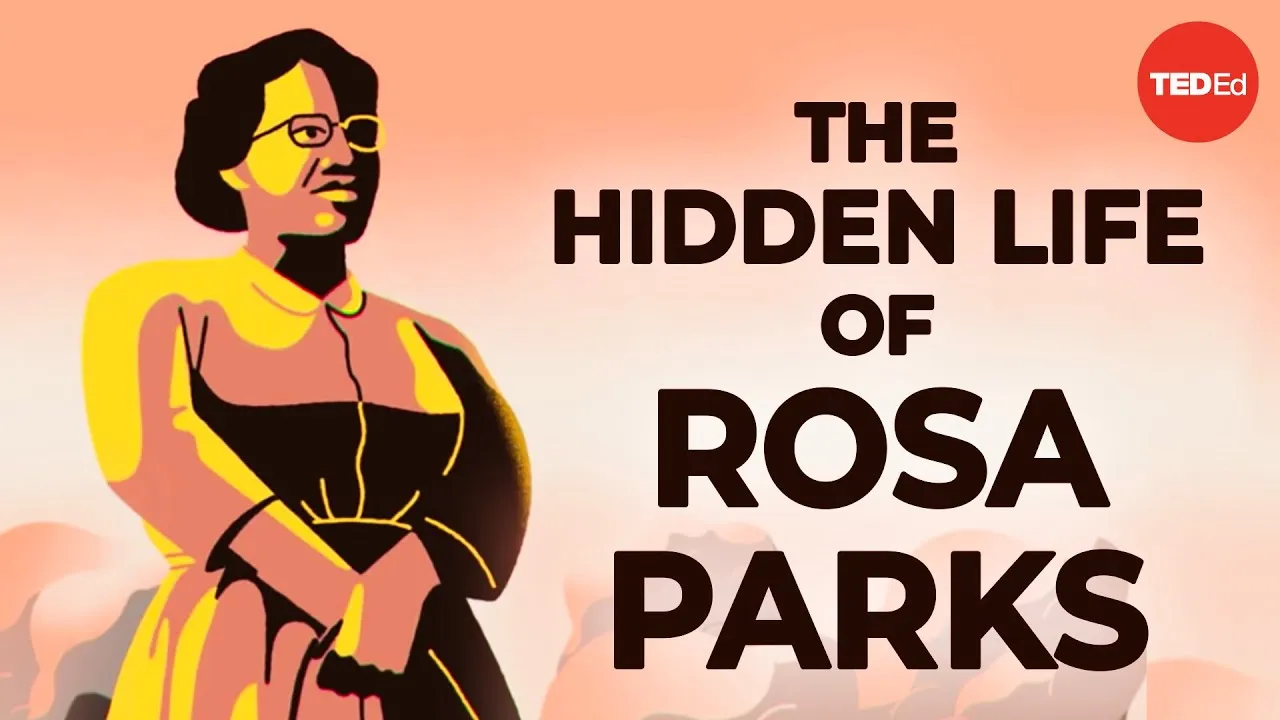
The lesson on Rosa Parks highlights her early activism and unwavering commitment to justice long before her famous act of defiance on a Montgomery bus in 1955. As a dedicated member of the NAACP, Parks fought against racial violence and systemic injustice, advocating for victims like Recy Taylor and empowering youth in the civil rights movement. Her legacy is marked by her courage and strategic leadership, which not only sparked the Montgomery Bus Boycott but also inspired future generations to continue the struggle for equality and justice.
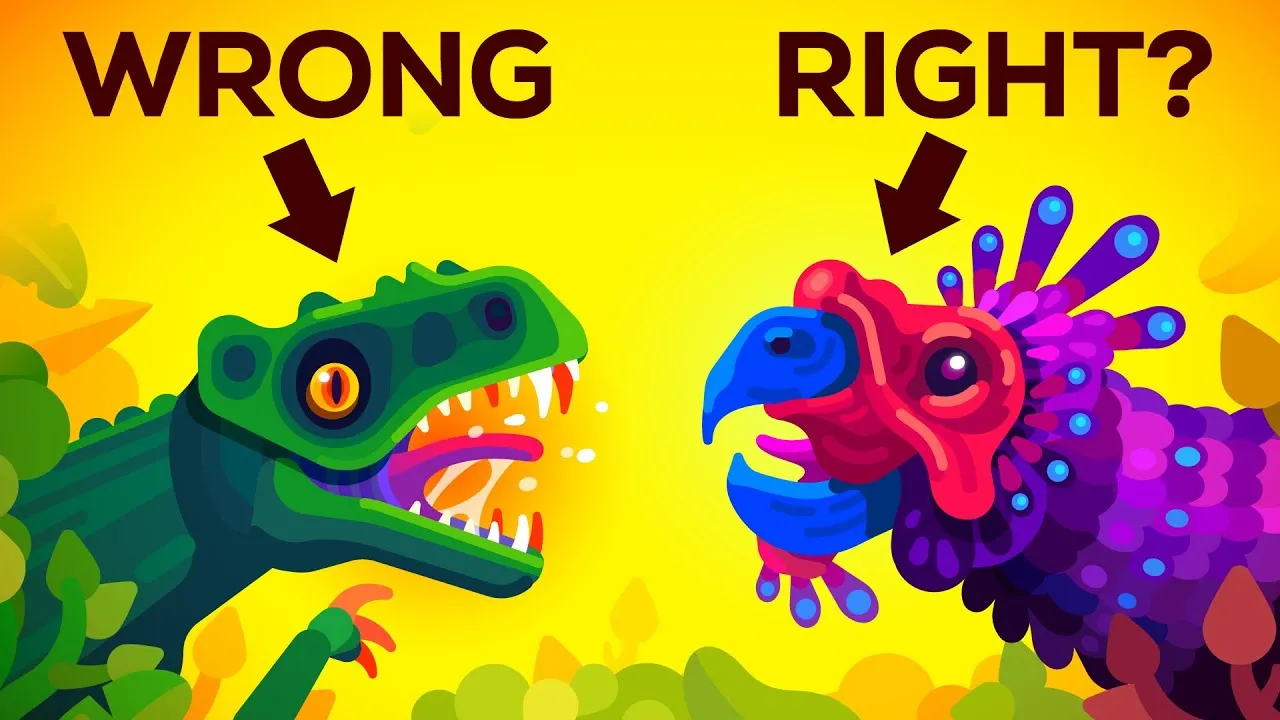
The lesson explores the vast and mysterious realm of the past, emphasizing the importance of fossils as windows into the history of life on Earth. It highlights the incredible diversity of species that have existed, the challenges of fossilization, and the limitations in our understanding of ancient creatures, particularly dinosaurs. Ultimately, it calls for a commitment to preserving the present biodiversity, ensuring that future generations can learn from and appreciate the wonders of life.

The lesson emphasizes the vital role friendships play in enhancing our happiness and overall well-being, highlighting that strong social connections are linked to better health and longevity. It addresses the growing loneliness epidemic, particularly among young people, and offers practical advice on making new friends and reviving old relationships through shared interests and meaningful interactions. Ultimately, the lesson encourages prioritizing friendships and nurturing connections to enrich our lives.
The lesson explores humanity's place in the universe, emphasizing our fragility and the transient nature of existence. It highlights the profound connections we share with all living beings through DNA and the elemental building blocks of life, which originated from stars. Ultimately, it encourages reflection on our interconnectedness within the cosmos and the significance of our existence amidst the vastness of time and space.

In this lesson, we embark on an imaginative journey to the center of the Earth, exploring its various layers, including the crust, mantle, outer core, and inner core. We learn about the unique characteristics of each layer, such as the types of rocks in the crust, the movement of the mantle, and the extreme conditions of the outer and inner core. This adventure highlights the wonders beneath our feet and encourages curiosity about the Earth's structure and the possibility of future exploration.

This lesson emphasizes the importance of decluttering your living space by identifying and removing unnecessary items, making it a fun and rewarding process. It provides practical tips for various areas of the home, such as replacing old toothbrushes and pillows, recycling expired food items, and sorting through miscellaneous belongings. Ultimately, decluttering not only creates a cleaner environment but also allows for the discovery of hidden treasures.