

The lesson emphasizes the importance of timing when consuming coffee to align with the body's natural circadian rhythm. It explains that cortisol levels peak in the morning, and drinking coffee during this time can diminish caffeine's effectiveness and lead to increased tolerance. To maximize caffeine benefits, it's recommended to wait until after 9:00 a.m. to enjoy coffee, allowing the body to adjust naturally.
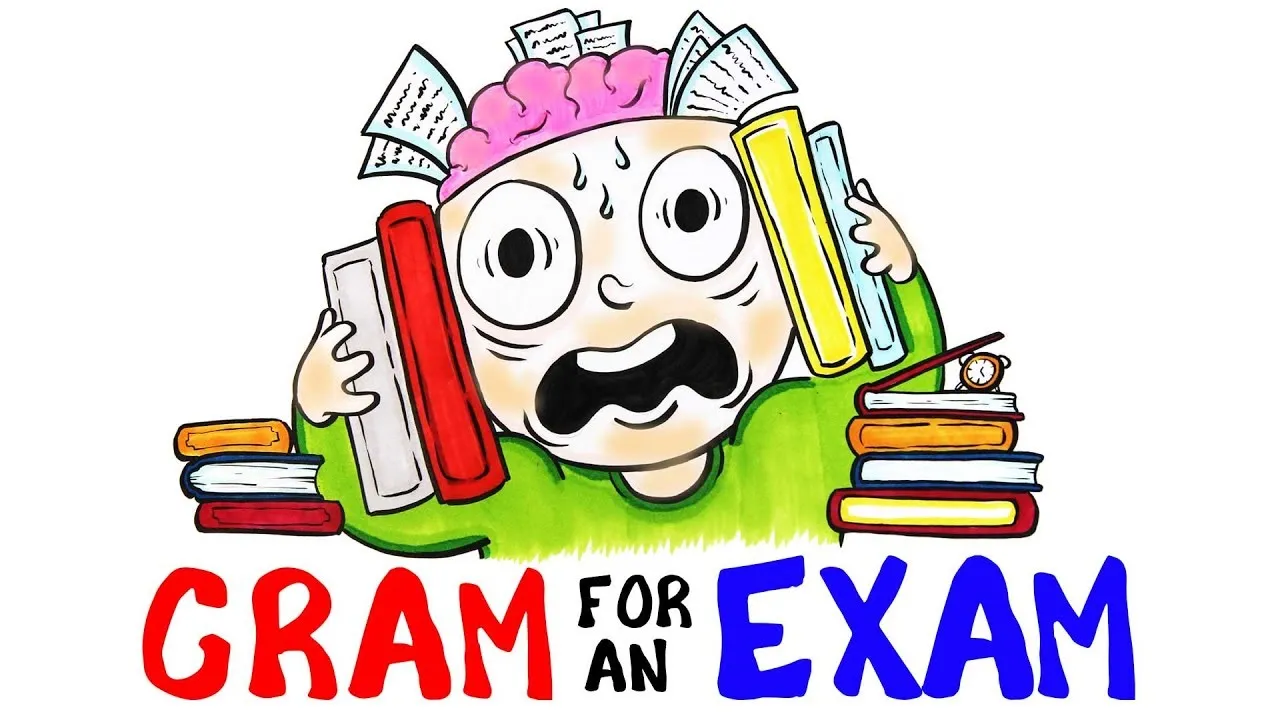
The lesson provides scientifically-backed strategies for effective cramming before exams, emphasizing techniques such as the Memory Palace method and mnemonic devices to enhance memory retention. It also highlights the importance of practice testing, managing stress through relaxation techniques, and prioritizing sleep for optimal memory performance. By understanding personal study habits and incorporating short exercise sessions, students can improve their focus and recall, ultimately boosting their chances of success in exams.

The lesson emphasizes the critical importance of later school start times for students, particularly teenagers, due to their unique sleep needs and developmental stages. It highlights how insufficient sleep can hinder cognitive development, lead to mental health issues, and negatively impact academic performance, while research shows that later start times can enhance attendance, grades, and overall well-being. Ultimately, the lesson advocates for a reevaluation of school schedules to prioritize students' health and learning potential.

This lesson explores the relationship between masturbation and sperm health, emphasizing the importance of maintaining sperm viability through regular ejaculation. It highlights that while frequent masturbation can help clear out older sperm, excessive engagement may reduce overall sperm count, suggesting a balanced approach of about once every five days for optimal reproductive health. Understanding these dynamics allows individuals to make informed choices regarding their reproductive well-being.
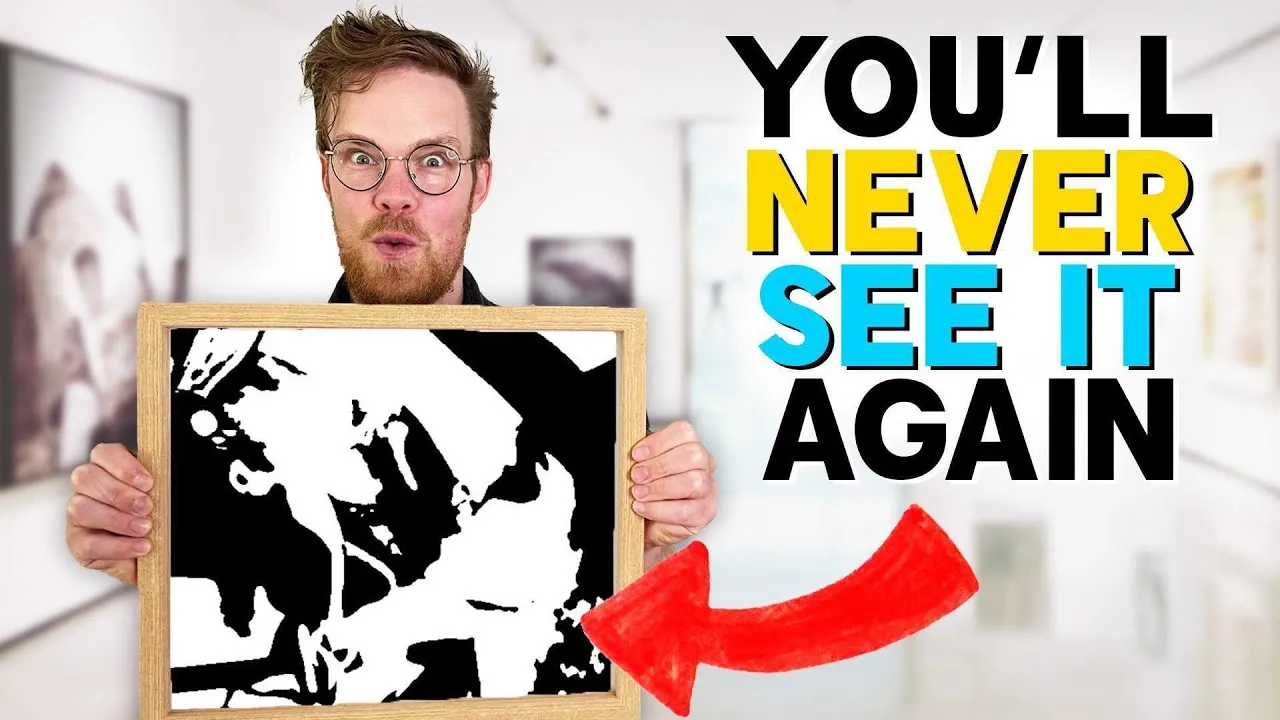
The lesson explores the intricate relationship between consciousness, perception, and context, illustrating how our brains process information and make predictions based on prior knowledge. It highlights that our understanding of seemingly random images or sentences can change dramatically once we have the necessary context, demonstrating the brain's role as a prediction machine. Additionally, the lesson draws a parallel between understanding consciousness and learning a new language, emphasizing the transformative power of context in shaping our perceptions and experiences.
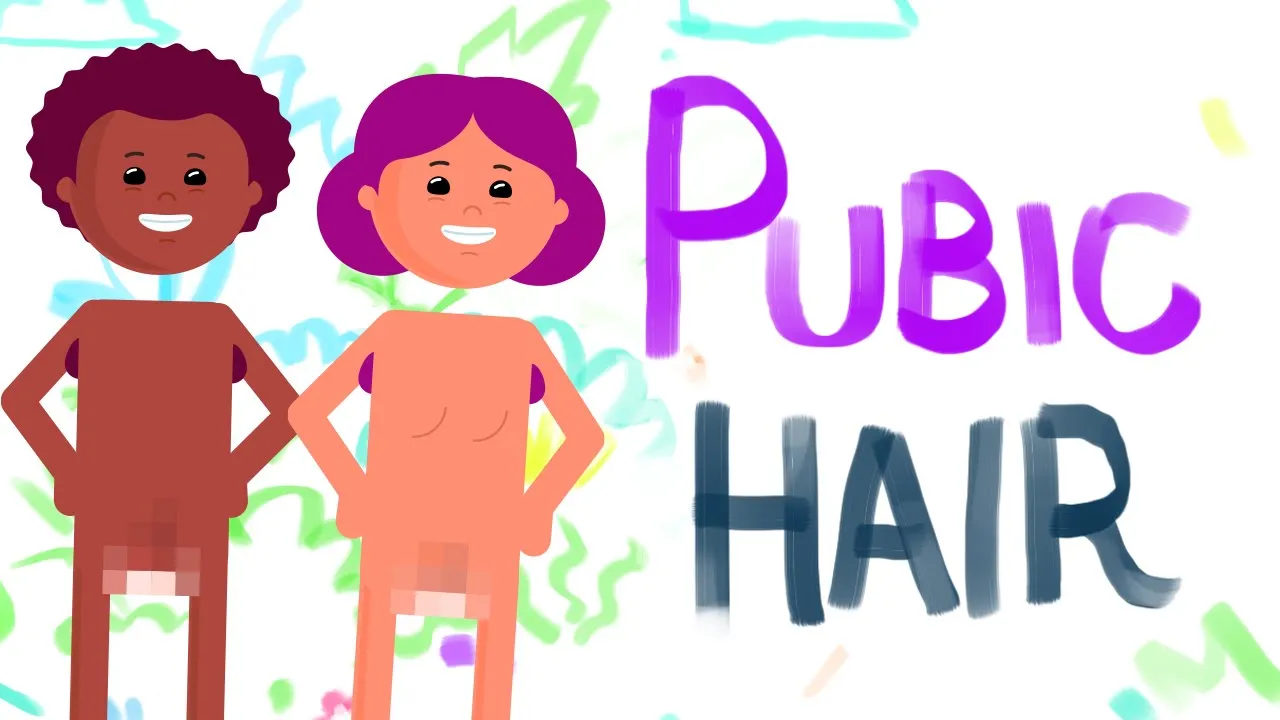
The lesson discusses the evolutionary significance of pubic hair, suggesting it plays a role in sexual attraction and protection during intimate activities. It also highlights the growing trend of pubic hair removal, noting the potential risks such as skin irritation, infections, and increased susceptibility to sexually transmitted infections. Ultimately, the lesson encourages individuals to consider the natural state of their pubic hair and the implications of grooming choices.

The lesson explores the contrasting dynamics between BRICS, an economic alliance focused on fostering growth and investment in developing regions, and NATO, a military alliance centered on defense. Established in 2006, BRICS aims to provide an alternative to Western financial institutions through initiatives like the BRICS Bank, which supports sustainable development projects. However, internal challenges, such as economic slowdowns and historical rivalries among member states, hinder its potential for unified action, especially in the unlikely event of a conflict with NATO.

Russia is currently facing a significant airplane shortage, a surprising development given its historical strength in aviation, particularly through the MiG Design Bureau. The ongoing conflict in Ukraine has exacerbated this issue, depleting military resources and leading to losses in advanced aircraft and ground vehicles, while Western sanctions have restricted access to essential parts and maintenance. Despite substantial state funding aimed at revitalizing the aviation sector, the long-term sustainability of Russia's military aviation capabilities remains uncertain as the country grapples with these challenges.

The lesson explores ten remarkable and often controversial covert operations conducted by the CIA, illustrating the agency's complex history and the ethical dilemmas it faces. From the establishment of black sites for detainees to the recruitment of former Nazi scientists under Operation Paperclip, these operations reveal the lengths the CIA has gone to achieve its goals, often crossing legal and moral boundaries. Notable tactics include the use of inflatable decoys for espionage and propaganda efforts aimed at influencing public perception in the Soviet Union.
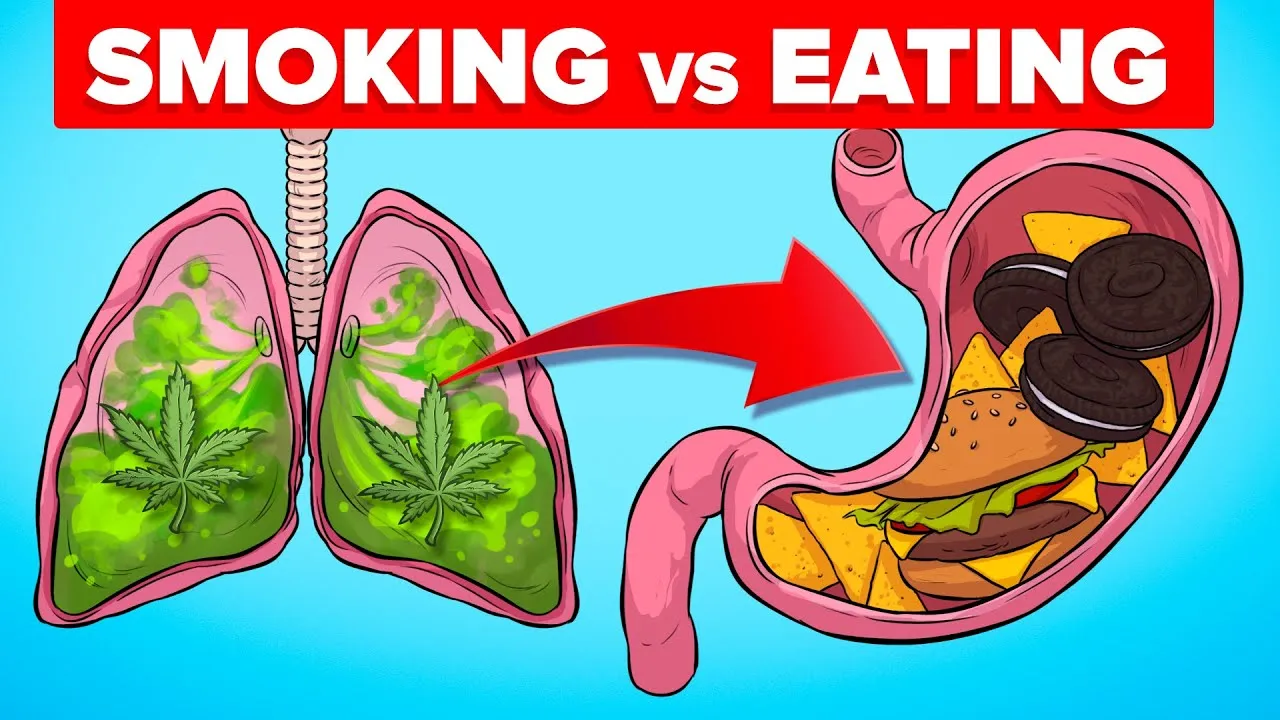
In this lesson, we explore the key differences between smoking and eating cannabis, focusing on how each method affects the body and the onset of their effects. Through the journey of Sarah, a curious cannabis user, we learn that smoking provides immediate effects while edibles take longer to kick in but result in a more intense and prolonged experience. The lesson emphasizes the importance of dosage control, health considerations, and making informed choices to enhance the cannabis experience while prioritizing well-being.

The lesson explores the complex question of whether Adolf Hitler was insane or simply evil, focusing on Dr. Fritz Redlich's comprehensive analysis of Hitler's mental and physical health. Redlich concluded that while Hitler exhibited various psychological issues, he was not insane but rather a deeply flawed individual who rationalized his horrific actions. This examination highlights the contradictions in Hitler's beliefs and behaviors, suggesting that understanding his mindset is crucial to comprehending the nature of his atrocities.

In this lesson, the author undertakes a 30-day challenge of consuming only military rations, or MREs (Meals Ready-to-Eat), to explore their nutritional value and taste compared to regular meals. Throughout the experiment, the author reflects on the convenience and calorie density of MREs, noting both the nostalgia and monotony they bring, as well as the physical effects such as weight gain and constipation. Ultimately, while MREs are designed for active military personnel and have improved over the years, the author concludes that nothing compares to the satisfaction of fresh, home-cooked meals.
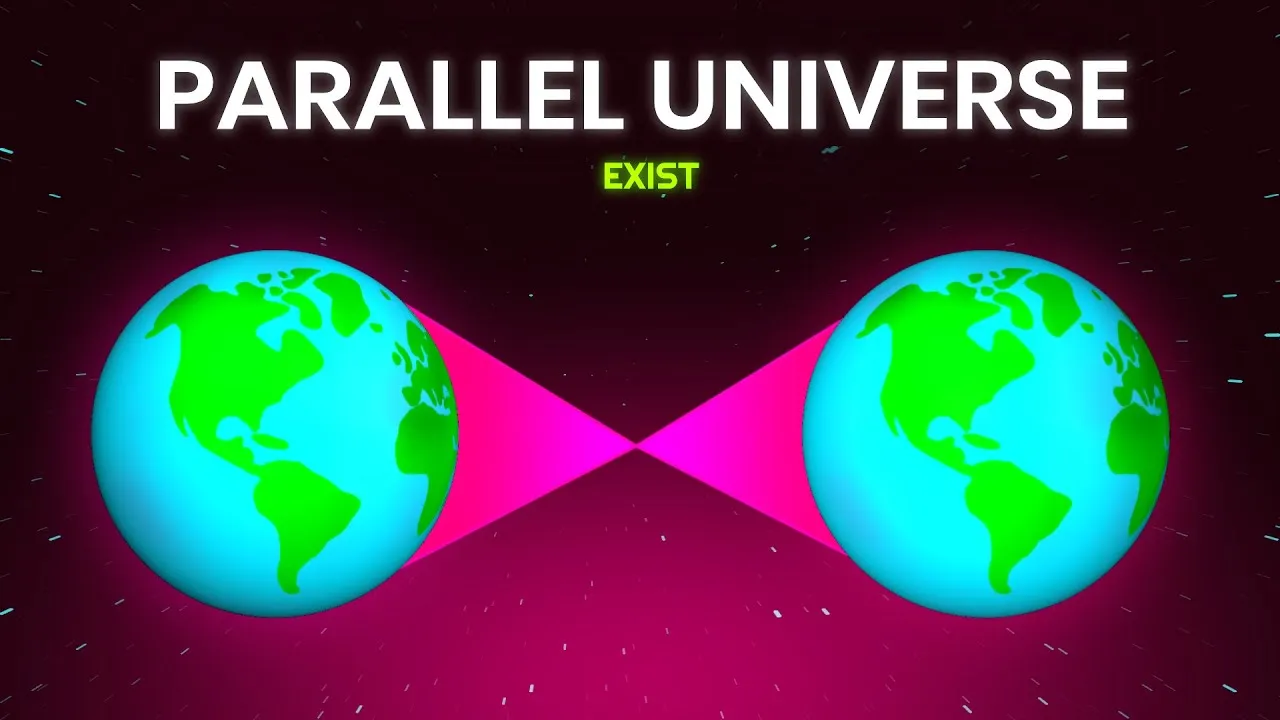
The lesson explores the intriguing concept of parallel universes and multiverse theories, suggesting that our experiences of déjà vu and familiarity may hint at the existence of multiple realities. It discusses various scientific theories, including eternal inflation, quantum mechanics, infinite space, mirror image universes, and string theory, which propose that our universe could be one of many, each with distinct properties and outcomes. While definitive proof of these theories remains elusive, ongoing advancements in quantum physics may eventually provide insights into the nature of our universe and the possibility of parallel existences.
The lesson on "The Problem With Interstellar Travel" explores the significant challenges and ethical considerations associated with traveling between stars, as illustrated by the movie *Interstellar*. It highlights the vast distances involved, the limitations of current technology, and the potential need for breakthroughs in propulsion and energy generation to make such journeys feasible. Additionally, it raises questions about the implications of generation starships and reflects on the Fermi Paradox, emphasizing that while the dream of interstellar exploration inspires humanity, it remains a distant aspiration.
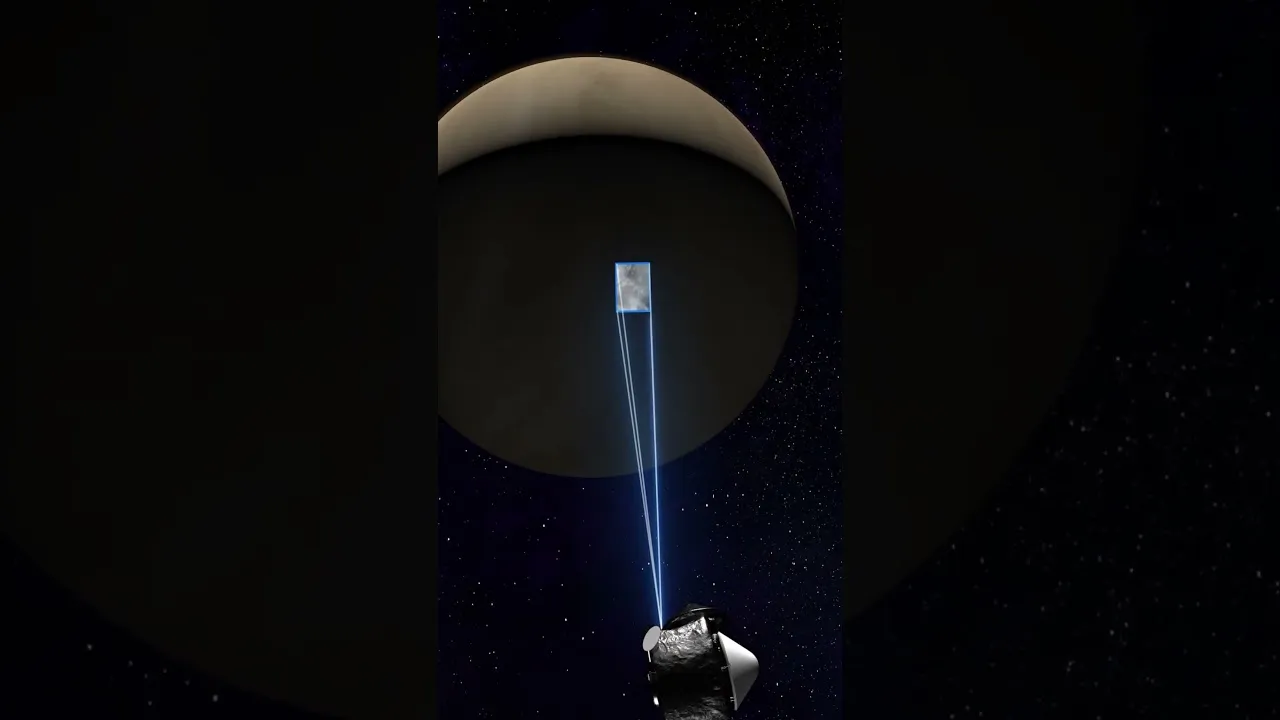
The upcoming private mission to Venus, set to launch in January 2025, aims to investigate the potential for alien life within the planet's sulfuric acid clouds. By searching for signs of organic chemistry in this extreme environment, the mission challenges traditional notions of habitability and could redefine our understanding of where life might exist beyond Earth. This initiative represents a significant advancement in astrobiology, potentially paving the way for future explorations of other inhospitable environments in the galaxy.
The lesson explores the intriguing question of whether extraterrestrial life exists and discusses the Fermi Paradox, which highlights the contradiction between the high probability of intelligent civilizations in the universe and the lack of evidence for their existence. It introduces the Zoo Hypothesis, suggesting that advanced civilizations may be observing humanity from a distance, akin to zookeepers, while remaining hidden to allow for natural evolution. The lesson emphasizes the ongoing quest to understand our place in the cosmos and the mysteries surrounding potential alien life.

Astronomers have discovered thousands of red quasars, which are young, active galaxies obscured by cosmic dust that emit strong radio signals. The red hue results from the dust filtering out blue light, and these quasars are believed to represent a stage of increased activity in supermassive black holes. This finding enhances our understanding of galaxy evolution and the interactions between black holes and their host galaxies, providing valuable insights into the formation and behavior of the universe.
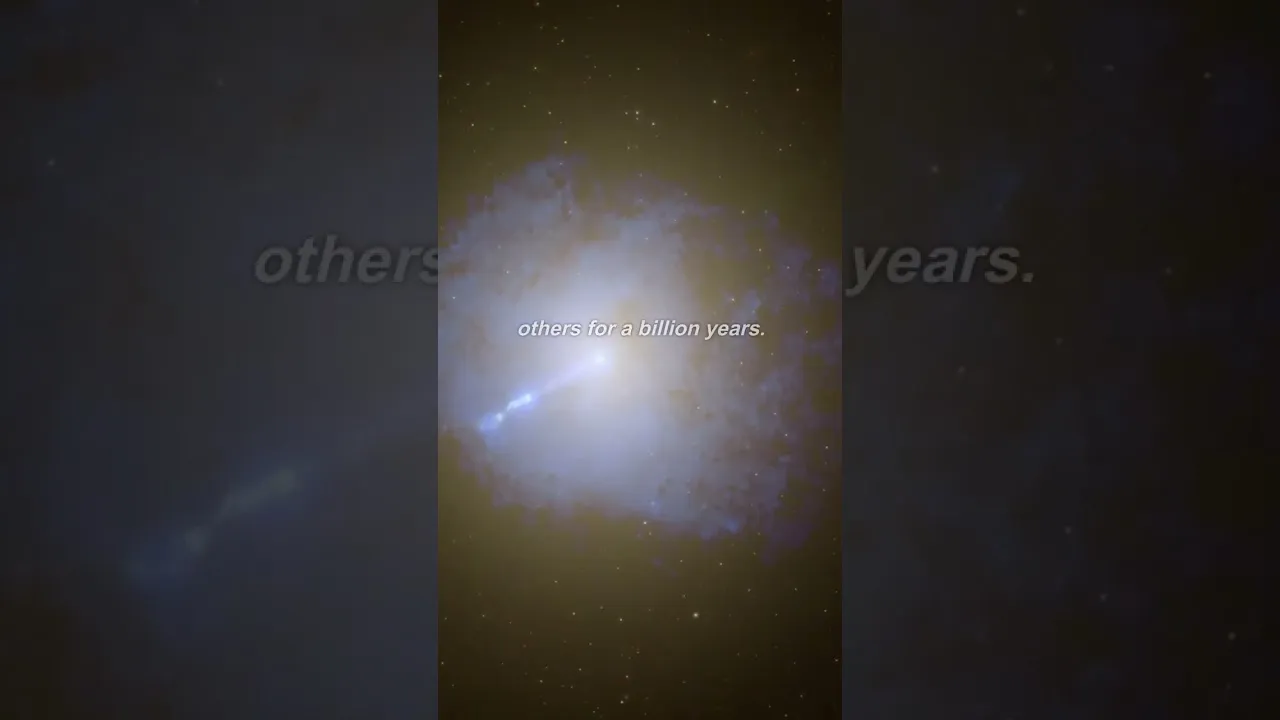
The lesson explores the unusual galaxy cluster SPT-2215, which exhibits remarkable tranquility despite existing 8.4 billion years ago during a chaotic period in the universe's history. Central to this calmness is a supermassive black hole that allows for star formation by cooling the surrounding gas, and the cluster's isolation raises questions about its relationship to dark energy and cosmic expansion. Researchers aim to study SPT-2215 further, as it may hold vital clues to understanding the universe's past and the forces that govern its evolution.
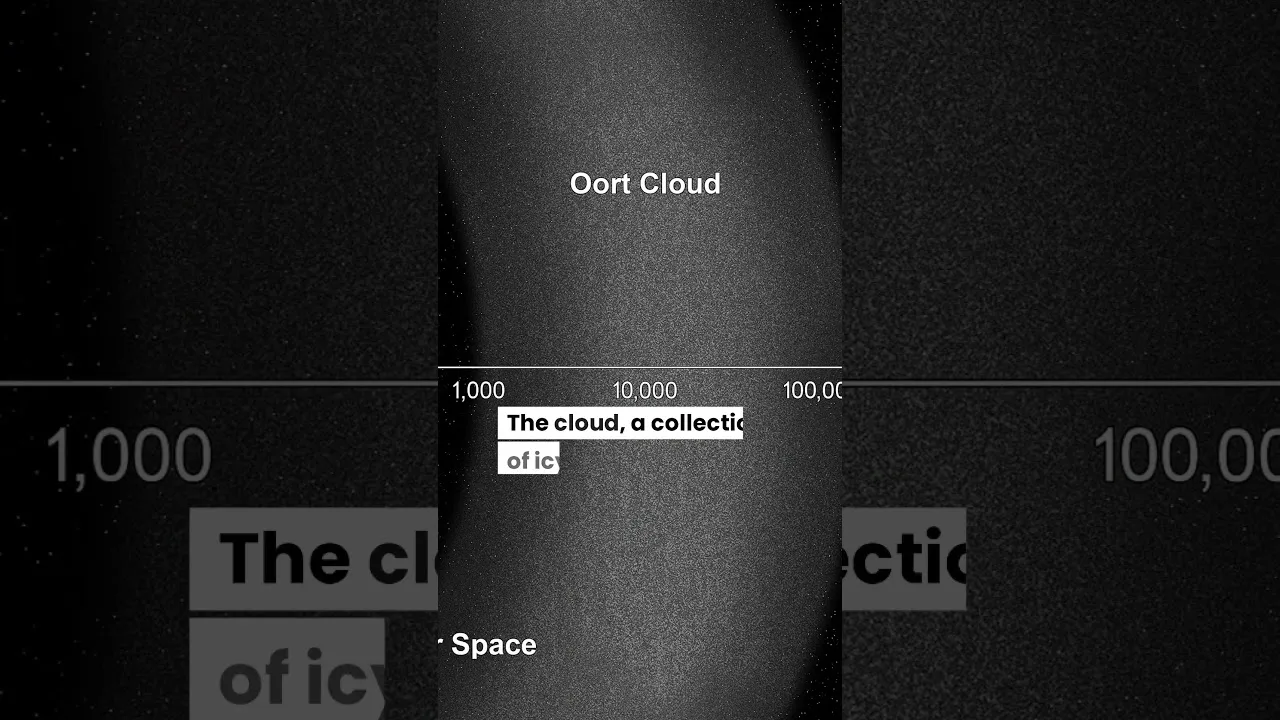
Recent research suggests that the Oort Cloud, a distant and largely unexplored region at the edge of our solar system, may be concealing a rogue exoplanet. Simulations indicate that gravitational interactions in the early solar system could have ejected planet-sized objects into this area, with a 0.5% chance of a rogue planet from our solar system and a 7% chance of a Neptune-sized planet captured from another system residing there. These findings, still pending peer review, open new avenues for understanding the dynamics of our solar system and the potential for hidden worlds in the cosmos.

The lesson explores the potential evolution of humanity over the next century, emphasizing the optimistic view that advances in genetic engineering and biotechnology could allow us to design our offspring for better adaptation to their environments. It discusses the possibility of transcending biological limitations through the development of electronic beings, which could lead to near-immortality and facilitate interstellar travel, ultimately reshaping our understanding of life and existence. The lesson concludes by highlighting the exciting prospects of embracing technological advancements to ensure humanity not only survives but thrives in the future.

The lesson on black hole evaporation highlights Stephen Hawking's revolutionary concept of Hawking radiation, which posits that black holes emit a faint glow and can gradually lose mass and energy over time. This phenomenon is rooted in quantum mechanics, particularly the principle of quantum entanglement, where particle interactions at the event horizon lead to the creation of particle-antiparticle pairs. Additionally, the lesson explores the fate of information that falls into black holes, suggesting that it is not lost but rather encoded within the emitted radiation, prompting ongoing debates in theoretical physics.
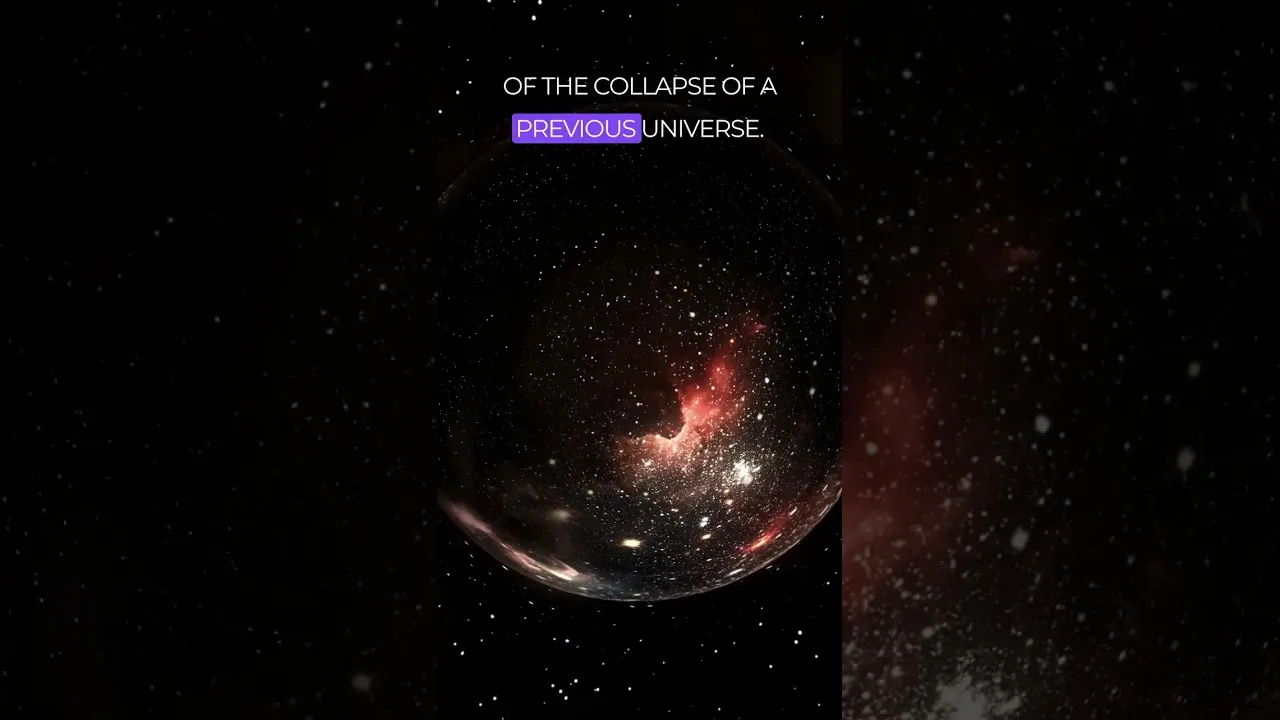
The lesson explores the intriguing concepts surrounding the origins of the universe, particularly through the study of cosmic microwave background radiation, which may indicate the existence of other universes and a pre-Big Bang universe. The multiverse theory suggests that our universe is part of a larger cycle of universes, with the Big Bounce Theory proposing that the universe undergoes continuous cycles of expansion and contraction rather than having a singular beginning. These theories challenge traditional views and inspire ongoing scientific inquiry into the nature of reality and the cosmos.
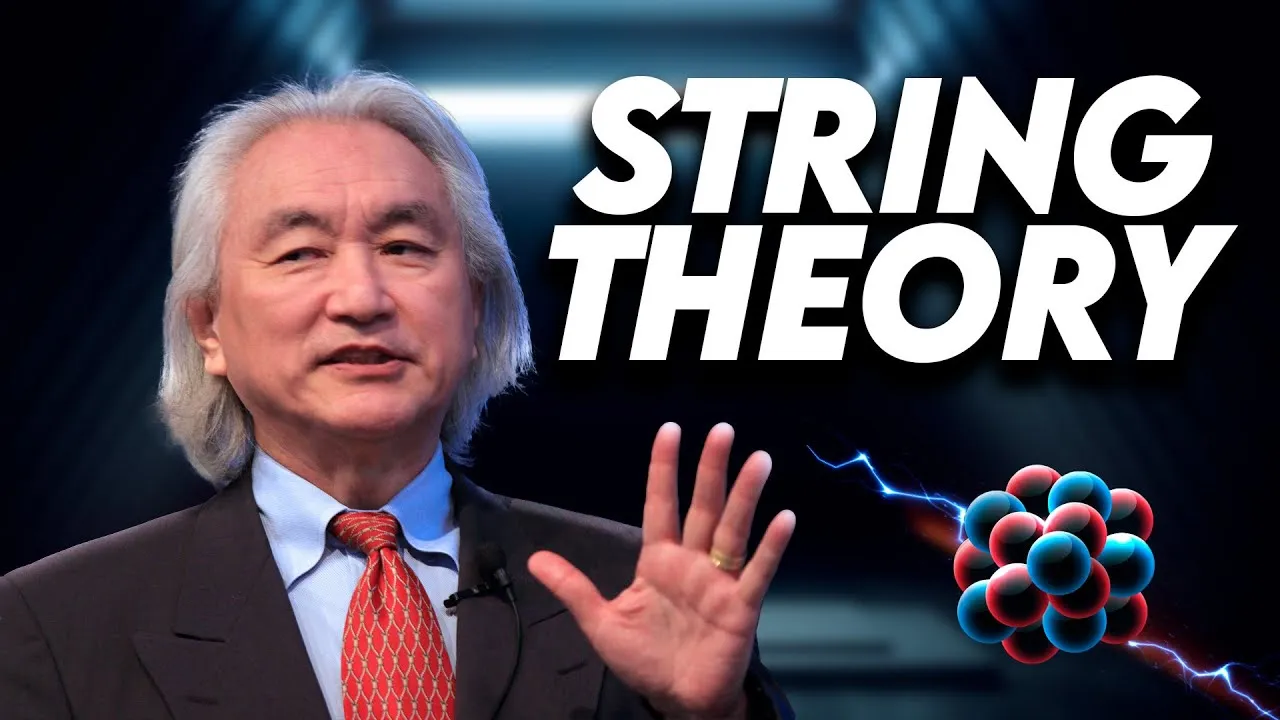
In this lesson, Michio Kaku explores the fundamental building blocks of the universe through the lenses of string theory and quantum physics, suggesting that all particles are tiny vibrating strings that create the diverse phenomena we observe. He highlights the peculiar behaviors of particles at the quantum level, such as superposition and entanglement, while also discussing the historical context provided by ancient philosophers. Despite the challenges string theory faces in terms of experimental validation, Kaku remains optimistic about its potential to deepen our understanding of the cosmos and the possibility of a multiverse.

The lesson explores the intriguing connection between black holes and quantum computing, highlighting how recent research has revealed that black holes can be understood through a holographic description that emphasizes quantum mechanics rather than gravity. This perspective not only parallels quantum error correction techniques used in quantum computing but also opens new avenues for research, potentially leading to advancements in both fields and a deeper understanding of the universe.